
Mostafa Hussein – författare
Visar alla böcker från författaren . Handla med fri frakt och snabb leverans.
3 produkter
3 produkter
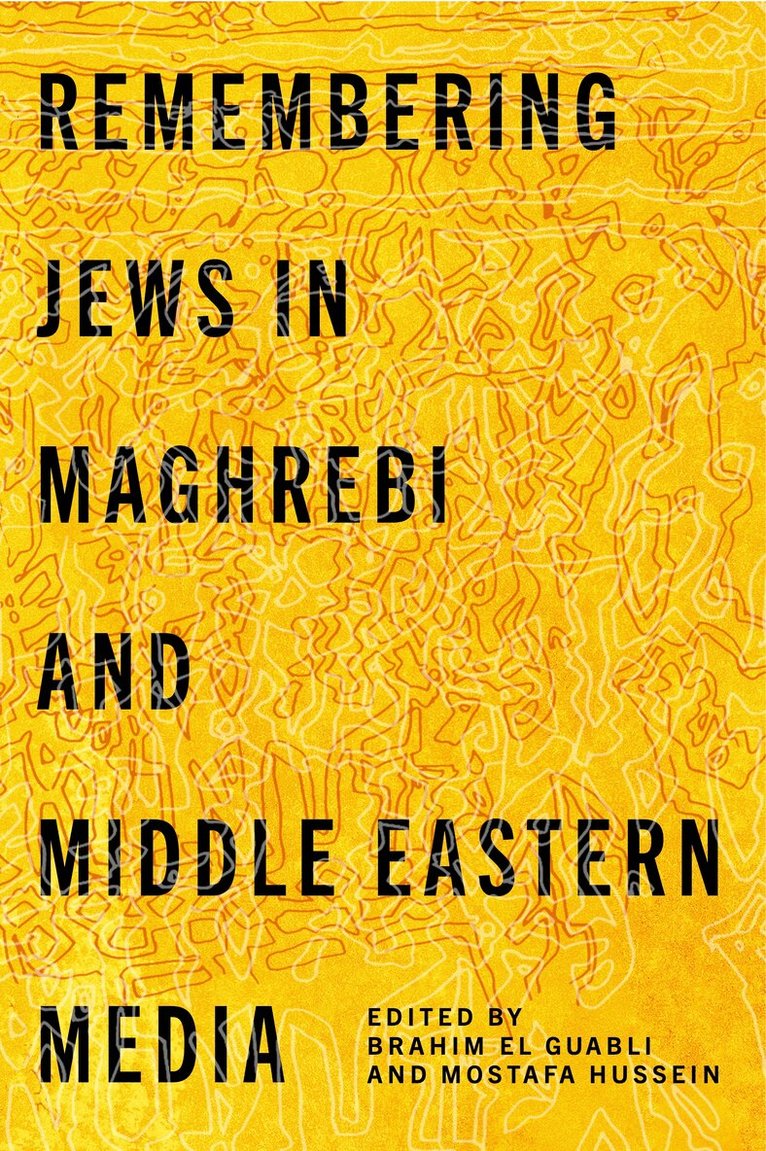
Inbunden, Engelska, 2024
1 288 kr
Skickas inom 5-8 vardagar
This volume examines the cultural legacy of Jewish emigration from the Maghreb and the Middle East in the years following 1948. Drawing on the remarkable cinematic and literary output of the last twenty years, this collection posits loss as a new conceptual framework in which to understand Jewish-Muslim relations. Previous studies of Jewish emigration have followed the mass departure of Jews, but the contributors to this book choose to remain behind and trace the contours of Jewish absence in Maghrebi and Middle Eastern societies. Attuned to loss in this way, the cultural memories of Jewish-Muslim life transcend the narratives of turmoil, taboo, and nostalgia that have dominated Muslim and prevalent scholarly perspectives on Jewish emigration.Read as a whole, the collection affords an uncommon opportunity to mourn and heal through a nuanced reckoning with the absence of Jews from communities in which they had lived for millennia. Its wide geographic reach and interdisciplinary nature will speak both to scholars and lay readers in Amazigh studies, Arabic studies, Middle Eastern studies, Jewish studies, memory studies, and a host of other disciplines.In addition to the editors, the contributors to this volume are Iskandar Ahmad Abdalla, Abdelkader Aoudjit, İlker Hepkaner, Sarah Irving, Stephanie Kraver, Lital Levy, Nadia Sabri, and Lior B. Sternfeld.
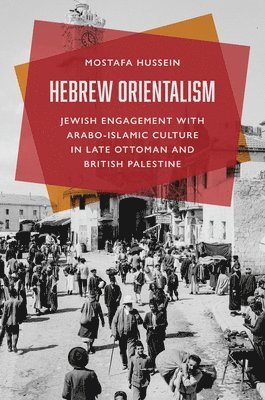
Hebrew Orientalism
Jewish Engagement with Arabo-Islamic Culture in Late Ottoman and British Palestine
Häftad, Engelska, 2025
308 kr
Skickas inom 5-8 vardagar
How Jewish writers in late Ottoman and British Mandate Palestine used Arabo-Islamic culture to advance the goals of ZionismIn the decades before the establishment of a Jewish state in 1948, native and immigrant Jews in Palestine mediated between Jewish and Arab cultures while navigating their evolving identities as settler colonists. Hebrew Orientalism challenges the conventional view that Hebrew thinkers were dismissive of Arabo-Islamic culture, revealing how they both adopted and adapted elements of it that enhanced Zionist aims.Drawing on a wealth of sources ranging from Arabic medieval chronicles, travel narratives, and poetry to modern Hebrew geography and botany texts, Mostafa Hussein provides a nuanced understanding of Hebrew orientalism by focusing on the practical activities of Hebrew writers, such as recuperating the Jewish past in the East, constructing Jewish indigeneity, consolidating Jewish ties to Palestine’s landscape, enhancing understanding of the Hebrew Bible, reviving Hebrew language, and undertaking translation projects. Through the lens of a diverse group of Jewish intellectuals—ranging from Palestine-born Sephardi/Oriental and Ashkenazi Jews to Eastern European immigrants—he unveils the complex realities of cultural exchange and knowledge production, highlighting the dual role of these intellectuals in connecting with the East and promoting Zionist aspirations. Hussein offers fresh insights into the role of scholarly practices in advancing new perspectives on the region and its peoples and forging a modern Zionist Hebrew identity.Illuminating the intricate and often contradictory engagement of Hebrew scholars with Arabo-Islamic culture, Hebrew Orientalism informs contemporary discussions of postcolonialism and settler colonialism and enriches our understanding of the historical dynamics between Jews and Arabs in Palestine.
Hebrew Orientalism
Jewish Engagement with Arabo-Islamic Culture in Late Ottoman and British Palestine
Inbunden, Engelska, 2025
1 622 kr
Skickas inom 3-6 vardagar
How Jewish writers in late Ottoman and British Mandate Palestine used Arabo-Islamic culture to advance the goals of ZionismIn the decades before the establishment of a Jewish state in 1948, native and immigrant Jews in Palestine mediated between Jewish and Arab cultures while navigating their evolving identities as settler colonists. Hebrew Orientalism challenges the conventional view that Hebrew thinkers were dismissive of Arabo-Islamic culture, revealing how they both adopted and adapted elements of it that enhanced Zionist aims.Drawing on a wealth of sources ranging from Arabic medieval chronicles, travel narratives, and poetry to modern Hebrew geography and botany texts, Mostafa Hussein provides a nuanced understanding of Hebrew orientalism by focusing on the practical activities of Hebrew writers, such as recuperating the Jewish past in the East, constructing Jewish indigeneity, consolidating Jewish ties to Palestine’s landscape, enhancing understanding of the Hebrew Bible, reviving Hebrew language, and undertaking translation projects. Through the lens of a diverse group of Jewish intellectuals—ranging from Palestine-born Sephardi/Oriental and Ashkenazi Jews to Eastern European immigrants—he unveils the complex realities of cultural exchange and knowledge production, highlighting the dual role of these intellectuals in connecting with the East and promoting Zionist aspirations. Hussein offers fresh insights into the role of scholarly practices in advancing new perspectives on the region and its peoples and forging a modern Zionist Hebrew identity.Illuminating the intricate and often contradictory engagement of Hebrew scholars with Arabo-Islamic culture, Hebrew Orientalism informs contemporary discussions of postcolonialism and settler colonialism and enriches our understanding of the historical dynamics between Jews and Arabs in Palestine.