Murray Leeder – författare
Visar alla böcker från författaren Murray Leeder. Handla med fri frakt och snabb leverans.
15 produkter
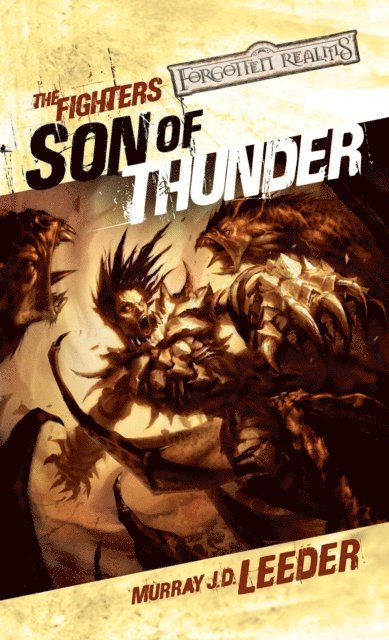
Son of Thunder
Forgotten Realms
E-bok, 2012
102 kr
Lägg i varukorg
It was the best thing that ever happened to him. It was his god’s blessing. It was hell. Vell was content to be a mere warrior in the Thunderbeast tribe, staying behind on the hunt to guard the camp. But then something alien awakened deep within him, the spirit of a behemoth that he could not …
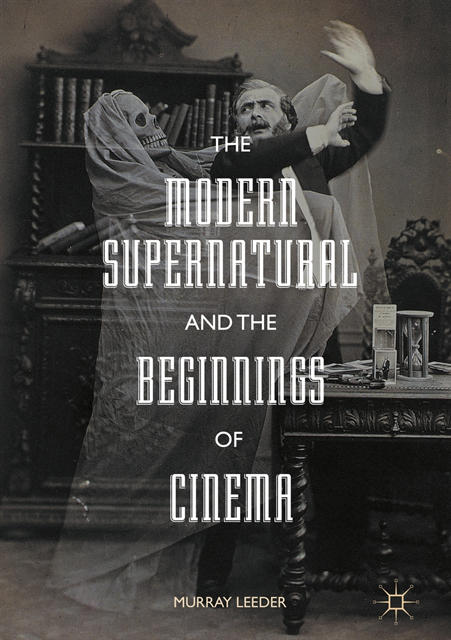
Modern Supernatural and the Beginnings of Cinema
E-bok, 2017
436 kr
Lägg i varukorg
This study sees the nineteenth century supernatural as a significant context for cinema’s first years. The book takes up the familiar notion of cinema as a “ghostly,” “spectral” or “haunted” medium and asks what made such association possible. Examining the history of the projected image and …
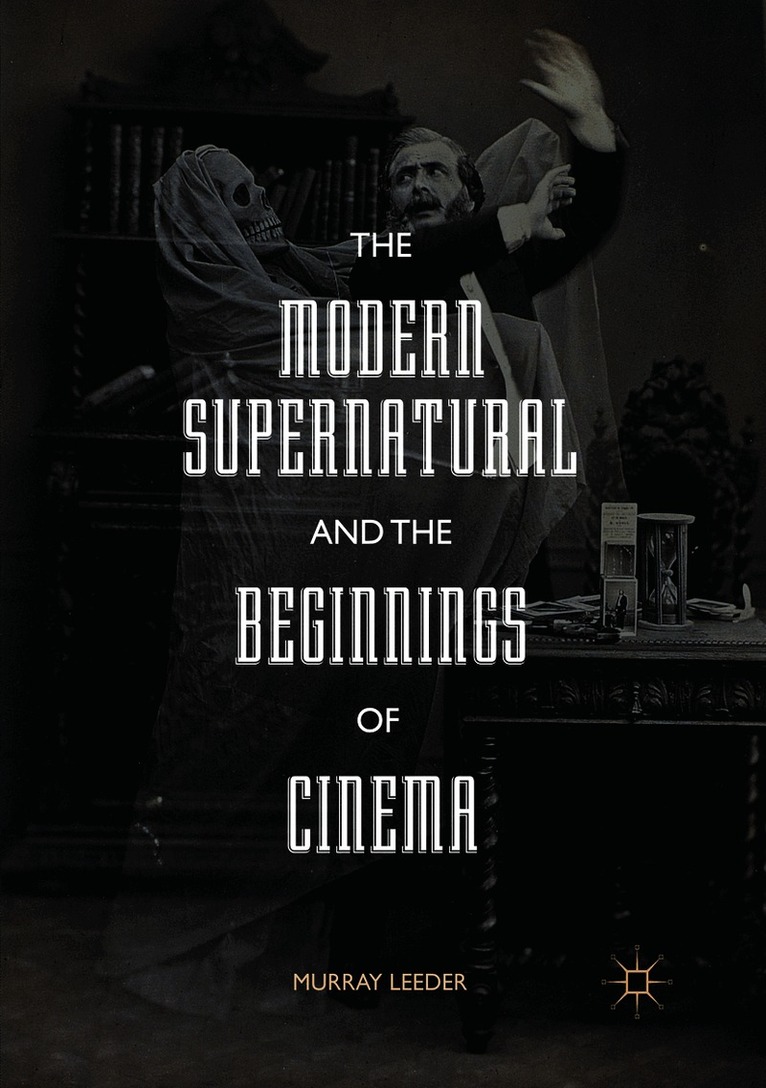
Modern Supernatural and the Beginnings of Cinema
Häftad, 2019
322 kr
Lägg i varukorg
This study sees the nineteenth century supernatural as a significant context for cinema’s first years. The book takes up the familiar notion of cinema as a “ghostly,” “spectral” or “haunted” medium and asks what made such association possible. Examining the history of the projected image and …
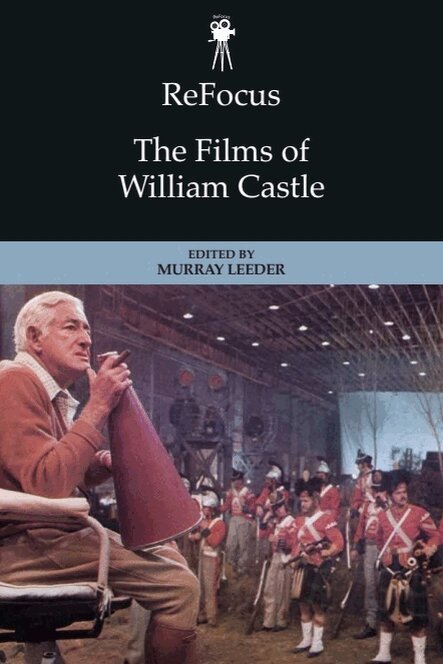
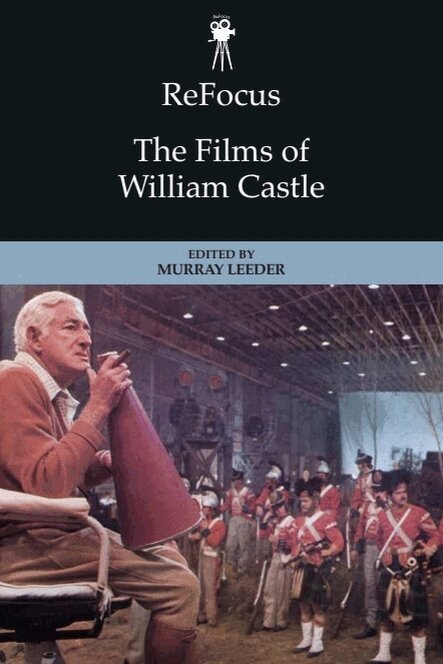
ReFocus: The Films of William Castle
Inbunden, 2018
2163 kr
Lägg i varukorg
The first collection of essays devoted to Hollywood director William CastleOften described as 'the Master of Gimmicks', William Castle is best known for the outrageous publicity stunts that characterised his genre films in the 1950s and '60s, including offers for an insurance policy against death …
ReFocus: The Films of William Castle
Häftad, 2019
718 kr
Lägg i varukorg
Often described as ‘the Master of Gimmicks’, William Castle is best known for the outrageous publicity stunts that characterised his genre films in the 1950s and ‘60s, including offers for an insurance policy against death by fright, vibrating seats, a skeleton that flew over the audience, and a …
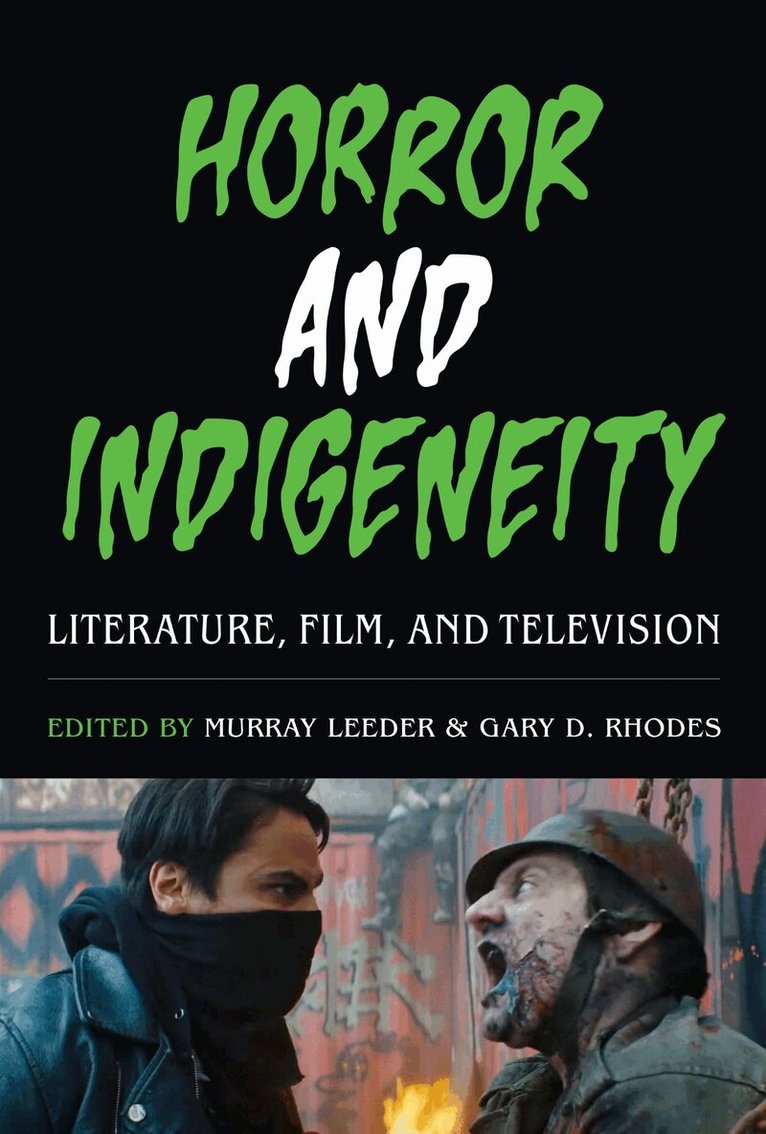
Horror and Indigeneity
Literature, Film, and Television
Av Murray Leeder, Gary D. Rhodes
Inbunden, 2026
621 kr
Lägg i varukorg
A collection of essays about Indigeneity and horror in cinema, literature, and beyond.How did Indigeneity come to be horrifying? Think of the “Indian burial ground” trope, a staple of 1970s horror cinema, not to mention decades of western films and fictions that made “savage Indians” the face of …
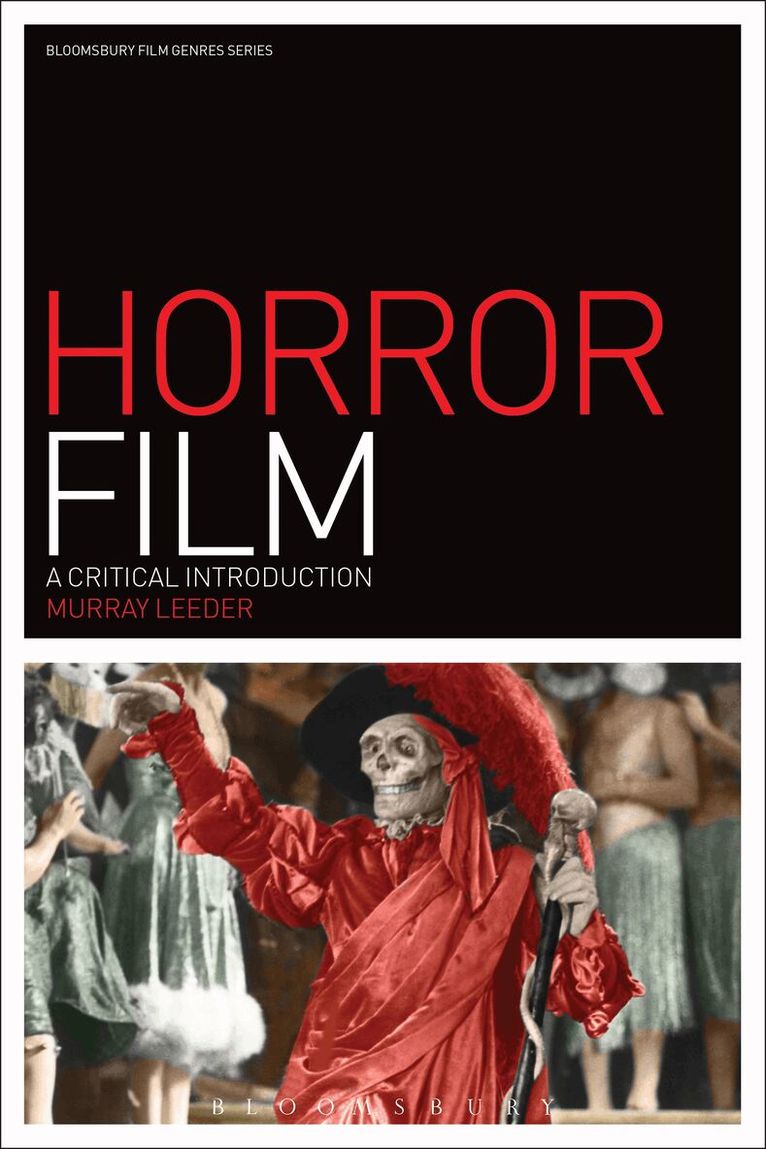
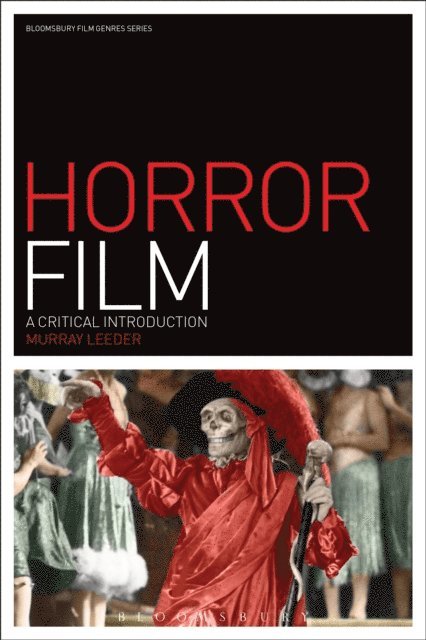
Horror Film
A Critical Introduction
Inbunden, 2018
1502 kr
Lägg i varukorg
Throughout the history of cinema, horror has proven to be a genre of consistent popularity, which adapts to different cultural contexts while retaining a recognizable core. Horror Film: A Critical Introduction, the newest in Bloomsbury's Film Genre series, balances the discussions of horror’s …
Horror Film
A Critical Introduction
Häftad, 2018
486 kr
Lägg i varukorg
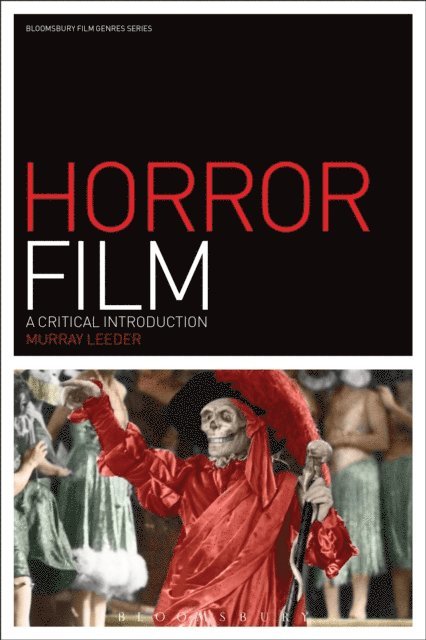
Throughout the history of cinema, horror has proven to be a genre of consistent popularity, which adapts to different cultural contexts while retaining a recognizable core. Horror Film: A Critical Introduction, the newest in Bloomsbury's Film Genre series, balances the discussions of horror’s …
Horror Film
A Critical Introduction
E-bok, 2018
530 kr
Lägg i varukorg
Throughout the history of cinema, horror has proven to be a genre of consistent popularity, which adapts to different cultural contexts while retaining a recognizable core. Horror Film: A Critical Introduction, the newest in Bloomsbury's Film Genre series, balances the discussions of horror's …
Horror Film
A Critical Introduction
E-bok, 2018
530 kr
Lägg i varukorg
Throughout the history of cinema, horror has proven to be a genre of consistent popularity, which adapts to different cultural contexts while retaining a recognizable core. Horror Film: A Critical Introduction, the newest in Bloomsbury's Film Genre series, balances the discussions of horror's …
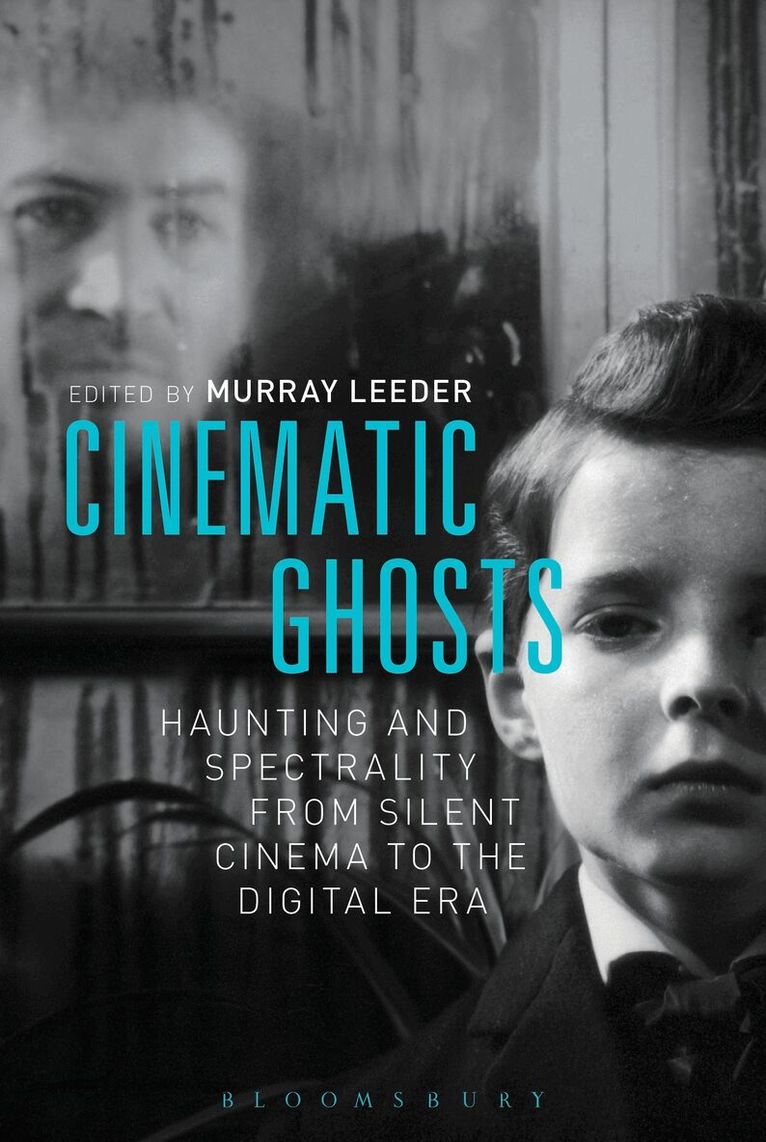
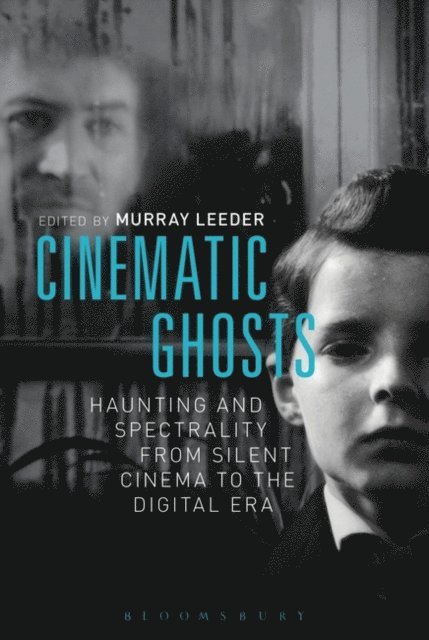
Cinematic Ghosts
Haunting and Spectrality from Silent Cinema to the Digital Era
Häftad, 2015
459 kr
Lägg i varukorg
In 1896, Maxim Gorky declared cinema "the Kingdom of Shadows." In its silent, ashen-grey world, he saw a land of spectral, and ever since then cinema has had a special relationship with the haunted and the ghostly. Cinematic Ghosts is the first collection devoted to this subject, including fourteen …
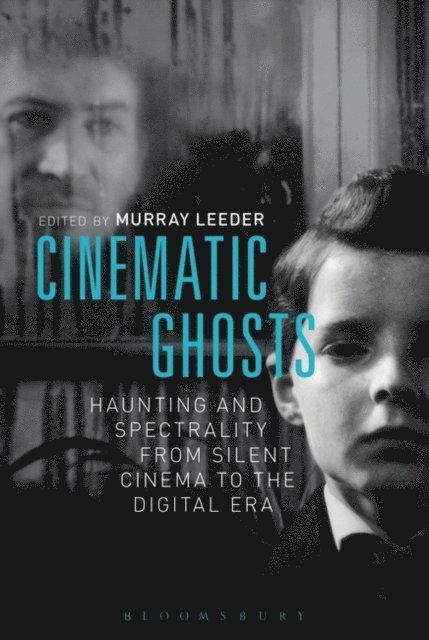
Cinematic Ghosts
Haunting and Spectrality from Silent Cinema to the Digital Era
Inbunden, 2015
2264 kr
Lägg i varukorg
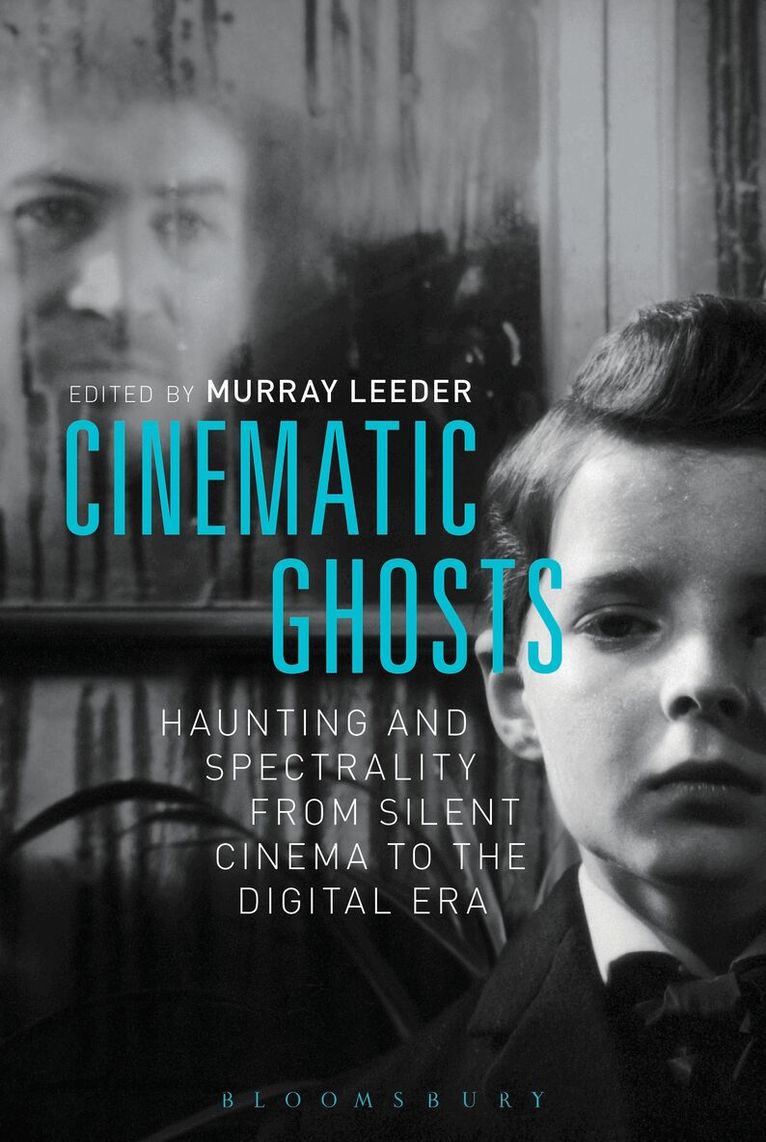
In 1896, Maxim Gorky declared cinema "the Kingdom of Shadows." In its silent, ashen-grey world, he saw a land of spectral, and ever since then cinema has had a special relationship with the haunted and the ghostly. Cinematic Ghosts is the first collection devoted to this subject, including fourteen …
Cinematic Ghosts
Haunting and Spectrality from Silent Cinema to the Digital Era
E-bok, 2015
486 kr
Lägg i varukorg
In 1896, Maxim Gorky declared cinema "the Kingdom of Shadows." In its silent, ashen-grey world, he saw a land of spectral, and ever since then cinema has had a special relationship with the haunted and the ghostly. Cinematic Ghosts is the first collection devoted to this subject, including fourteen …
Cinematic Ghosts
Haunting and Spectrality from Silent Cinema to the Digital Era
E-bok, 2015
497 kr
Lägg i varukorg
In 1896, Maxim Gorky declared cinema "the Kingdom of Shadows." In its silent, ashen-grey world, he saw a land of spectral, and ever since then cinema has had a special relationship with the haunted and the ghostly. Cinematic Ghosts is the first collection devoted to this subject, including fourteen …
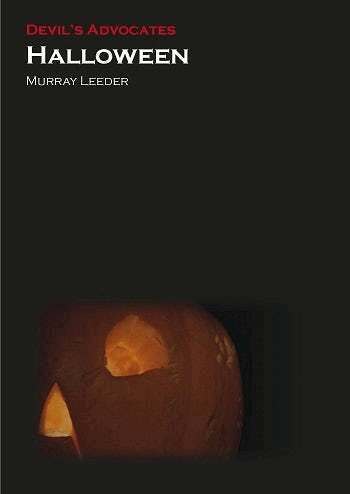
Halloween
Häftad, 2015
424 kr
Lägg i varukorg
The 1970s represented an unusually productive and innovative period for the horror film, and John Carpenter's Halloween (1978) is the film that capped that golden age – and some say ruined it, by ushering in the era of the slasher film. Considered a paradigm of low-budget ingenuity, its story of a …