Myles Dungan – författare
Visar alla böcker från författaren Myles Dungan. Handla med fri frakt och snabb leverans.
9 produkter
9 produkter
276 kr
Skickas
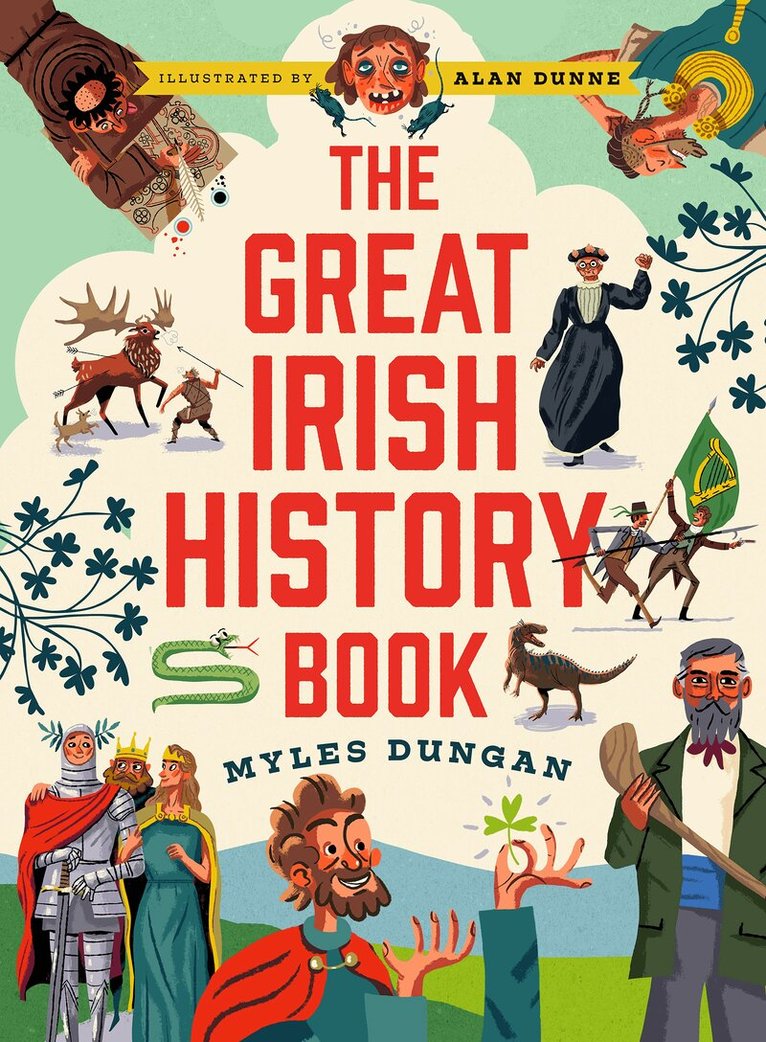
Join historian Myles Dungan as he takes you on an historical trip back in time to visit the Ancient Celts. Travel on a famine ship or join the 1916 rebels in the GPO. Discover leaders, thinkers and fighters and learn how our ancestors lived and worked. With clear text and bright illustrations, this book is for anyone who wants to understand more about Ireland, its history and its people.
220 kr
Tillfälligt slut
Meet the overlooked and unappreciated Irish that history forgot!
197 kr
Skickas inom 7-10 vardagar
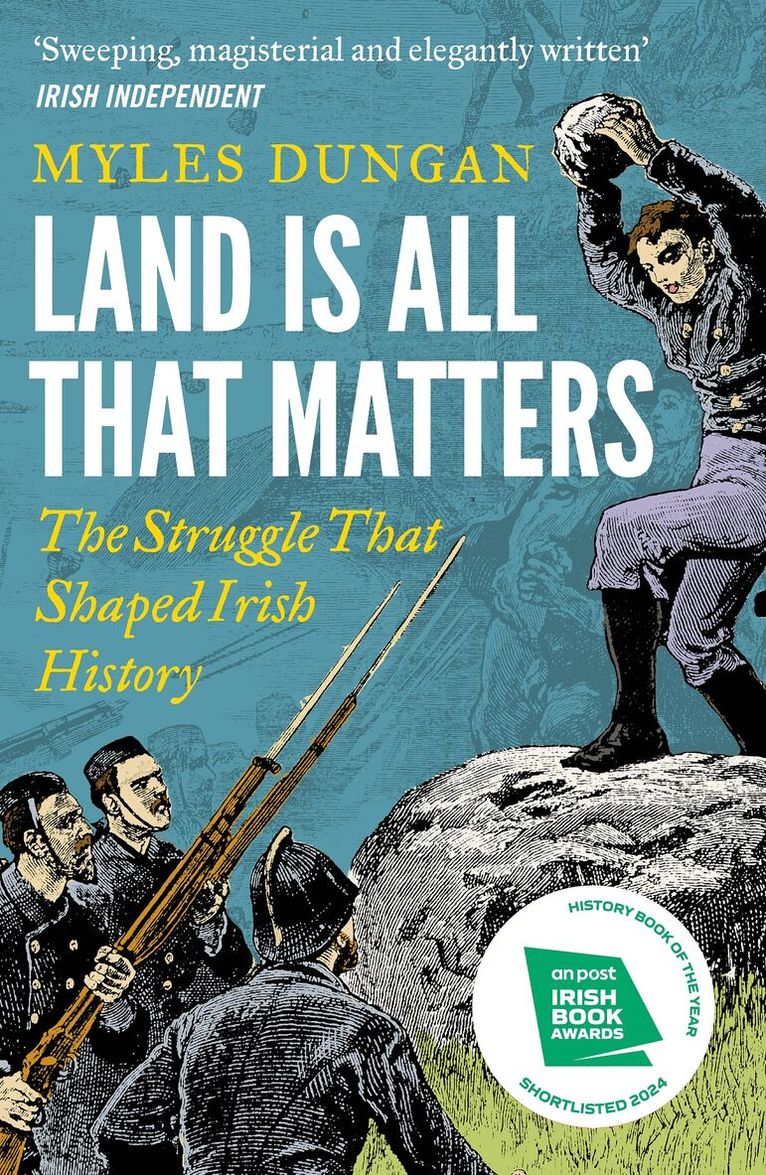
In eighteenth- and nineteenth-century Europe everyone lived ‘off the land’ in one way or another. In Ireland, however, almost everyone lived ‘on the land’ as well. Agriculture was the only economic resource for the vast majority of the population outside the north-east of the country. Land was vital. But most of it was owned by a class of Protestant, English and often aristocratic landlords. The dream of having more control over their farms, even of owning them, drove many of the most explosive conflicts in Irish history. Rebellions against British rule were rare, but savage outbreaks of murder related to resentments over land ownership, and draconian state repression, were a regular feature of Irish rural life. The struggle for the land was also crucial in driving support for Irish nationalist demands for Home Rule and independence.In this epic narrative, Myles Dungan examines two hundred years of agrarian conflict from the ruinous famine of 1741 to the eve of World War Two. It explores the pivotal moments that shaped Irish history: the rise of 'moonlighting', the infamous Whiteboys and Rightboys, the insurrection of Captain Rock, the Tithe War of 1831–36, the Great Famine of 1845 that devastated the country and drastically reduced the Irish population, and the Land War of 1878–1909, which ended by transferring almost all the landlords' holdings to their tenants. These events take place against the backdrop of prevailing British rule and stark class and wealth inequality.Land Is All that Matters tells the sweeping story of the agrarian revolution that fundamentally shaped modern Ireland.
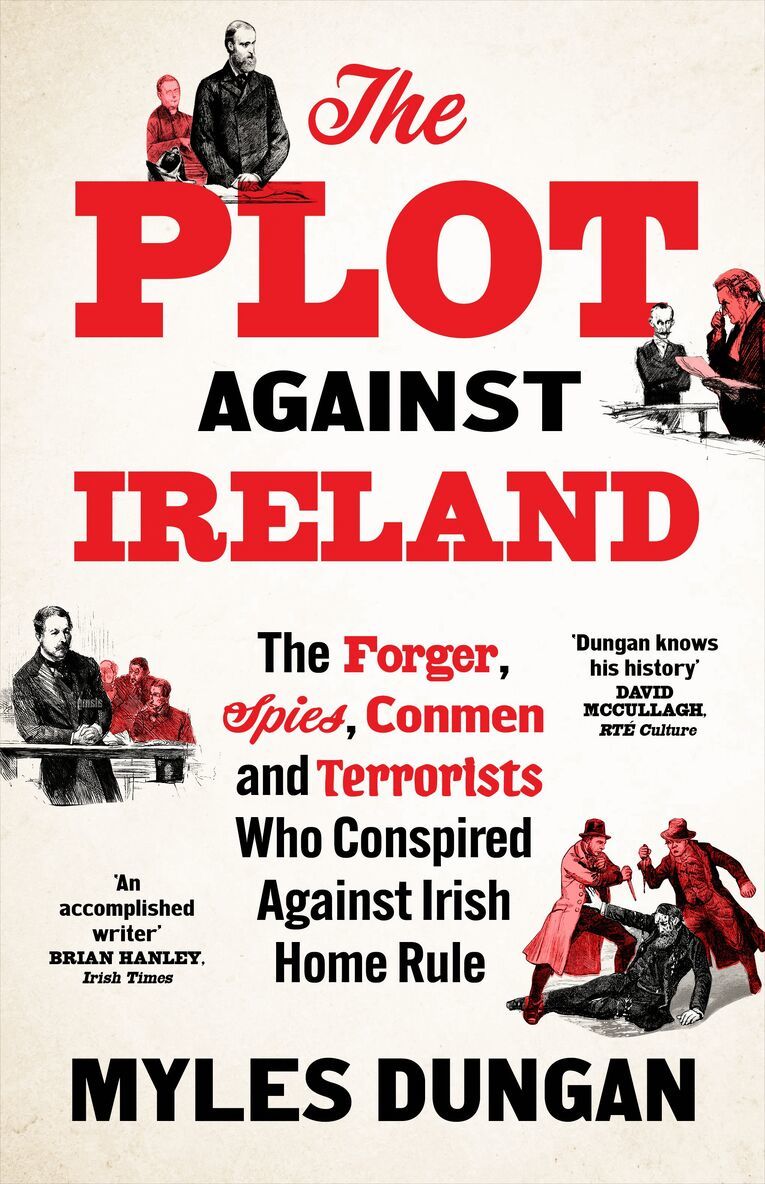
Plot Against Ireland
The Forger, Spies, Conmen and Terrorists Who Conspired Against Irish Home Rule
Inbunden, Engelska, 2026
287 kr
Kommande
In the late nineteenth century, the great Tory leader Lord Salisbury and his closest collaborators were haunted by the looming threat of Home Rule in Ireland. Salisbury, an anxious man obsessed by visions of social disintegration, was determined to undermine the legitimacy of what he saw as a revolutionary project, one that would damage the prestige and integrity of the British Empire, then at its zenith. He was willing to tarnish the reputation of the Irish leadership by any means necessary. Using blatant fabrication, espionage, and the help of The Times newspaper, the grandest members of the English political elite conspired to discredit the leader of the Irish Nationalist Party, Charles Parnell. By publishing forged letters, Parnell was accused of complicity in the horrific assassination of Lord Frederick Cavendish, Ireland's new Chief Secretary, and his colleague Thomas Burke, who were murdered as they walked unprotected in Dublin's Phoenix Park. Parnell was also linked to a plot to assassinate Queen Victoria. Culminating in a government commission and major libel trial, this dramatic episode in British and Irish political history exposes the lengths an Empire will go to survive, and also confronts the difficult question of Parnell’s relationship to violence and Irish nationalism. The Plot Against Ireland reconstructs these largely forgotten and almost incredible events in Myles Dungan’s mordantly witty narrative.
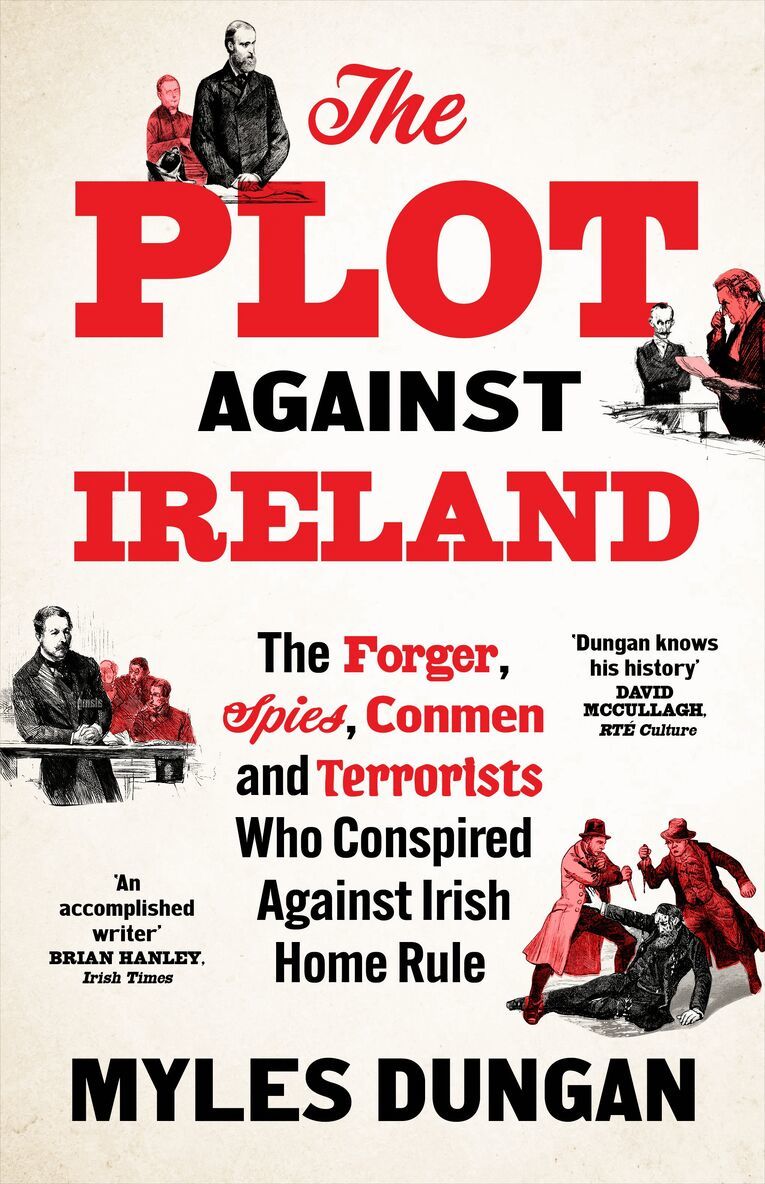
Plot Against Ireland
The Forger, Spies, Conmen and Terrorists Who Conspired Against Irish Home Rule
Häftad, Engelska, 2026
197 kr
Kommande
In the late nineteenth century, the great Tory leader Lord Salisbury and his closest collaborators were haunted by the looming threat of Home Rule in Ireland. Salisbury, an anxious man obsessed by visions of social disintegration, was determined to undermine the legitimacy of what he saw as a revolutionary project, one that would damage the prestige and integrity of the British Empire, then at its zenith. He was willing to tarnish the reputation of the Irish leadership by any means necessary. Using blatant fabrication, espionage, and the help of The Times newspaper, the grandest members of the English political elite conspired to discredit the leader of the Irish Nationalist Party, Charles Parnell. By publishing forged letters, Parnell was accused of complicity in the horrific assassination of Lord Frederick Cavendish, Ireland's new Chief Secretary, and his colleague Thomas Burke, who were murdered as they walked unprotected in Dublin's Phoenix Park. Parnell was also linked to a plot to assassinate Queen Victoria. Culminating in a government commission and major libel trial, this dramatic episode in British and Irish political history exposes the lengths an Empire will go to survive, and also confronts the difficult question of Parnell’s relationship to violence and Irish nationalism. The Plot Against Ireland reconstructs these largely forgotten and almost incredible events in Myles Dungan’s mordantly witty narrative.
123 kr
Skickas
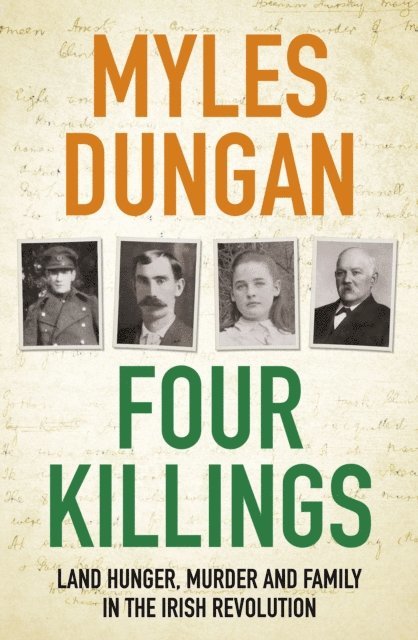
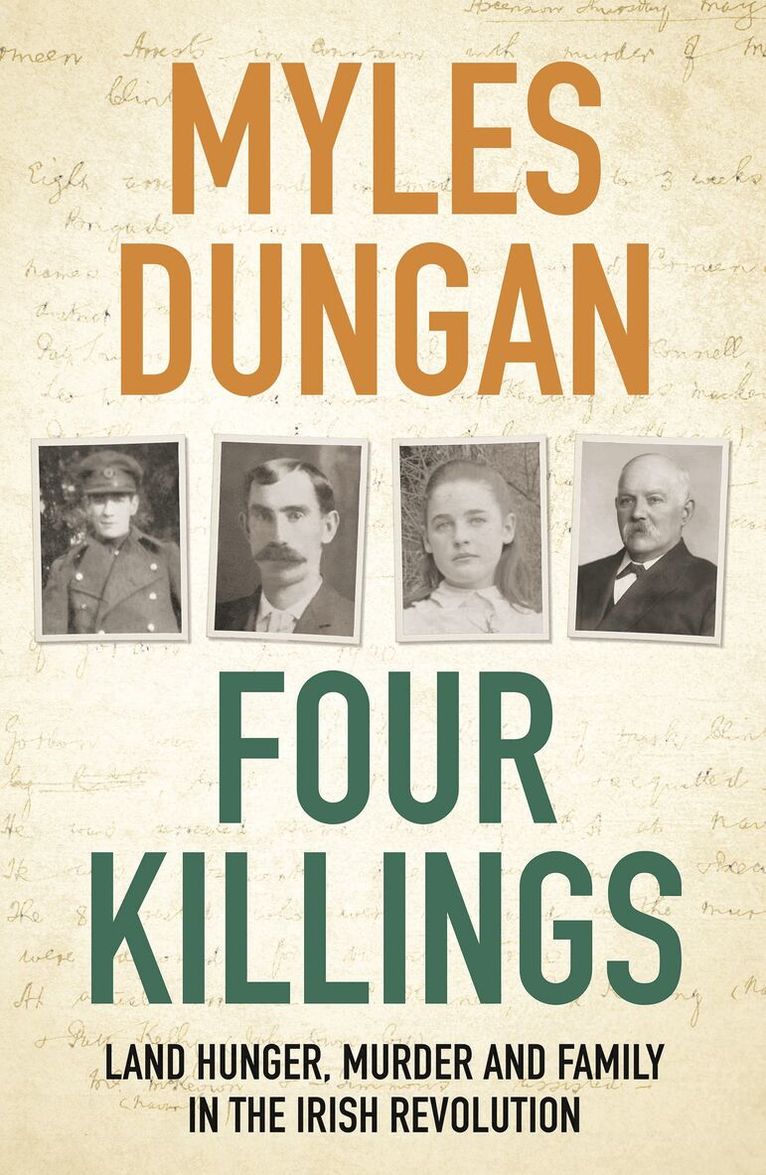
The story of a single family during the Irish Revolution, Four Killings is a book about political murder, and the powerful hunger for land and the savagery it can unleash. 'A vivid and chilling narrative... Confronts uncomfortable questions that still need answering' Roy Foster 'Marries acute storytelling skills with scholarship, fortified throughout by the author's wry sense of humour' Michael Heney 'Narrative history, told through a unique prism' Irish Sunday Independent 'Dungan knows his history; he also knows how to tell a story... A gem of a book' RTÉ Culture 'Sober and intelligent... Dungan does a fine job of showing that little people can make history too' Business PostMyles Dungan's family was involved in four violent deaths between 1915 and 1922. Jack Clinton, an immigrant small farmer from County Meath, was murdered in the remote and lawless Arizona territory by a powerful rancher's hired assassin; three more died in Ireland, and each death is compellingly reconstructed in this extraordinary book. What unites these deaths is the violence that engulfed Ireland during the war of independence, but also the passions unleashed by arguments over the ownership of the soil.In focusing on one family, Four Killings offers an original perspective on this still controversial period: a prism through which the moral and personal costs of violence, and the elemental conflict over land, come alive in surprising ways.
342 kr
Skickas
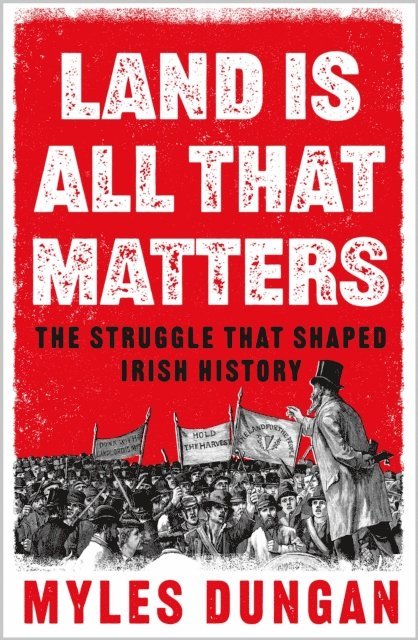
In eighteenth- and nineteenth-century Europe everyone lived ‘off the land’ in one way or another. In Ireland, however, almost everyone lived ‘on the land’ as well. Agriculture was the only economic resource for the vast majority of the population outside the north-east of the country. Land was vital. But most of it was owned by a class of Protestant, English and often aristocratic landlords. The dream of having more control over their farms, even of owning them, drove many of the most explosive conflicts in Irish history. Rebellions against British rule were rare, but savage outbreaks of murder related to resentments over land ownership, and draconian state repression, were a regular feature of Irish rural life. The struggle for the land was also crucial in driving support for Irish nationalist demands for Home Rule and independence.In this epic narrative, Myles Dungan examines two hundred years of agrarian conflict from the ruinous famine of 1741 to the eve of World War Two. It explores the pivotal moments that shaped Irish history: the rise of 'moonlighting', the infamous Whiteboys and Rightboys, the insurrection of Captain Rock, the Tithe War of 1831–36, the Great Famine of 1845 that devastated the country and drastically reduced the Irish population, and the Land War of 1878–1909, which ended by transferring almost all the landlords' holdings to their tenants. These events take place against the backdrop of prevailing British rule and stark class and wealth inequality.Land Is All that Matters tells the sweeping story of the agrarian revolution that fundamentally shaped modern Ireland.
152 kr
Skickas
In eighteenth- and nineteenth-century Europe everyone lived ‘off the land’ in one way or another. In Ireland, however, almost everyone lived ‘on the land’ as well. Agriculture was the only economic resource for the vast majority of the population outside the north-east of the country. Land was vital. But most of it was owned by a class of Protestant, English and often aristocratic landlords. The dream of having more control over their farms, even of owning them, drove many of the most explosive conflicts in Irish history. Rebellions against British rule were rare, but savage outbreaks of murder related to resentments over land ownership, and draconian state repression, were a regular feature of Irish rural life. The struggle for the land was also crucial in driving support for Irish nationalist demands for Home Rule and independence.In this epic narrative, Myles Dungan examines two hundred years of agrarian conflict from the ruinous famine of 1741 to the eve of World War Two. It explores the pivotal moments that shaped Irish history: the rise of 'moonlighting', the infamous Whiteboys and Rightboys, the insurrection of Captain Rock, the Tithe War of 1831–36, the Great Famine of 1845 that devastated the country and drastically reduced the Irish population, and the Land War of 1878–1909, which ended by transferring almost all the landlords' holdings to their tenants. These events take place against the backdrop of prevailing British rule and stark class and wealth inequality.Land Is All that Matters tells the sweeping story of the agrarian revolution that fundamentally shaped modern Ireland.
150 kr
Skickas
Your undercover operation is blown before you get to San Francisco. What next? If you’re Orpen, you join the cops. Sort of.It’s the Fall of 1883. Irish revolutionaries are changing the face of London with American dynamite, and not in a good way. Irish-born London Metropolitan Police Sergeant, Robert Emmet Orpen, is sent, badly disguised as a tourist, to San Francisco to prevent at least some of the explosives getting into the wrong hands.He realises that he may be out of his depth when his cover is blown before he even gets as far as the west coast. Now what does he do? First, he charms his way onto the San Francisco police force, where he is assigned to the coattails of a cynical, ‘larger than life’ Civil War veteran (from the losing side). Then he finds himself caught up in a murder involving one of the two violent Irish factions vying for supremacy in one of the most Irish of American cities. Orpen is going to wish he never heard of the murderous Knights of the Red Branch.