N. E. H. Hull - Böcker
Visar alla böcker från författaren N. E. H. Hull. Handla med fri frakt och snabb leverans.
7 produkter
7 produkter
783 kr
Skickas inom 5-8 vardagar
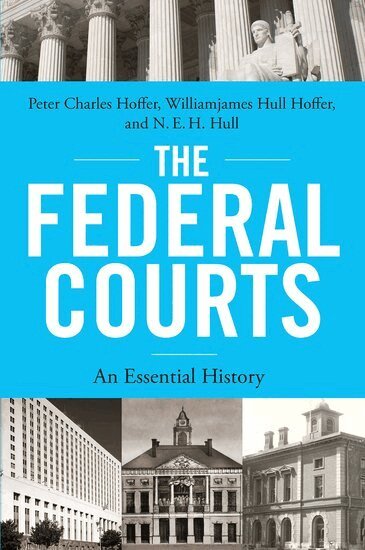
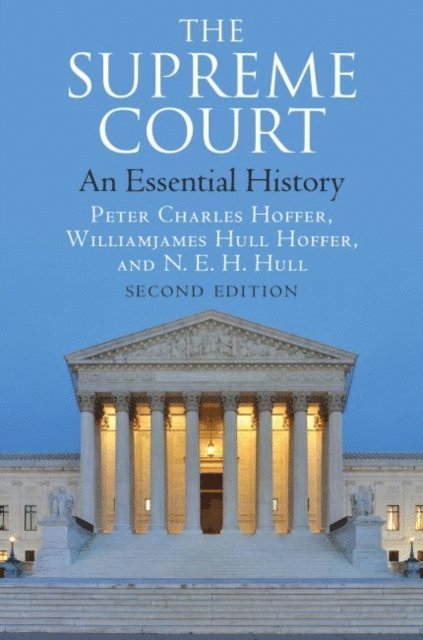
There are moments in American history when all eyes are focused on a federal court: when its bench speaks for millions of Americans, and when its decision changes the course of history. More often, the story of the federal judiciary is simply a tale of hard work: of finding order in the chaotic system of state and federal law, local custom, and contentious lawyering. The Federal Courts is a story of all of these courts and the judges and justices who served on them, of the case law they made, and of the acts of Congress and the administrative organs that shaped the courts. But, even more importantly, this is a story of the courts' development and their vital part in America's history.Peter Charles Hoffer, Williamjames Hull Hoffer, and N. E. H. Hull's retelling of that history is framed the three key features that shape the federal courts' narrative: the separation of powers; the federal system, in which both the national and state governments are sovereign; and the widest circle: the democratic-republican framework of American self-government. The federal judiciary is not elective and its principal judges serve during good behavior rather than at the pleasure of Congress, the President, or the electorate. But the independence that lifetime tenure theoretically confers did not and does not isolate the judiciary from political currents, partisan quarrels, and public opinion. Many vital political issues came to the federal courts, and the courts' decisions in turn shaped American politics. The federal courts, while the least democratic branch in theory, have proved in some ways and at various times to be the most democratic: open to ordinary people seeking redress, for example. Litigation in the federal courts reflects the changing aspirations and values of America's many peoples. The Federal Courts is an essential account of the branch that provides what Massachusetts Supreme Judicial Court Judge Oliver Wendell Homes Jr. called "a magic mirror, wherein we see reflected our own lives."
279 kr
Skickas inom 5-8 vardagar
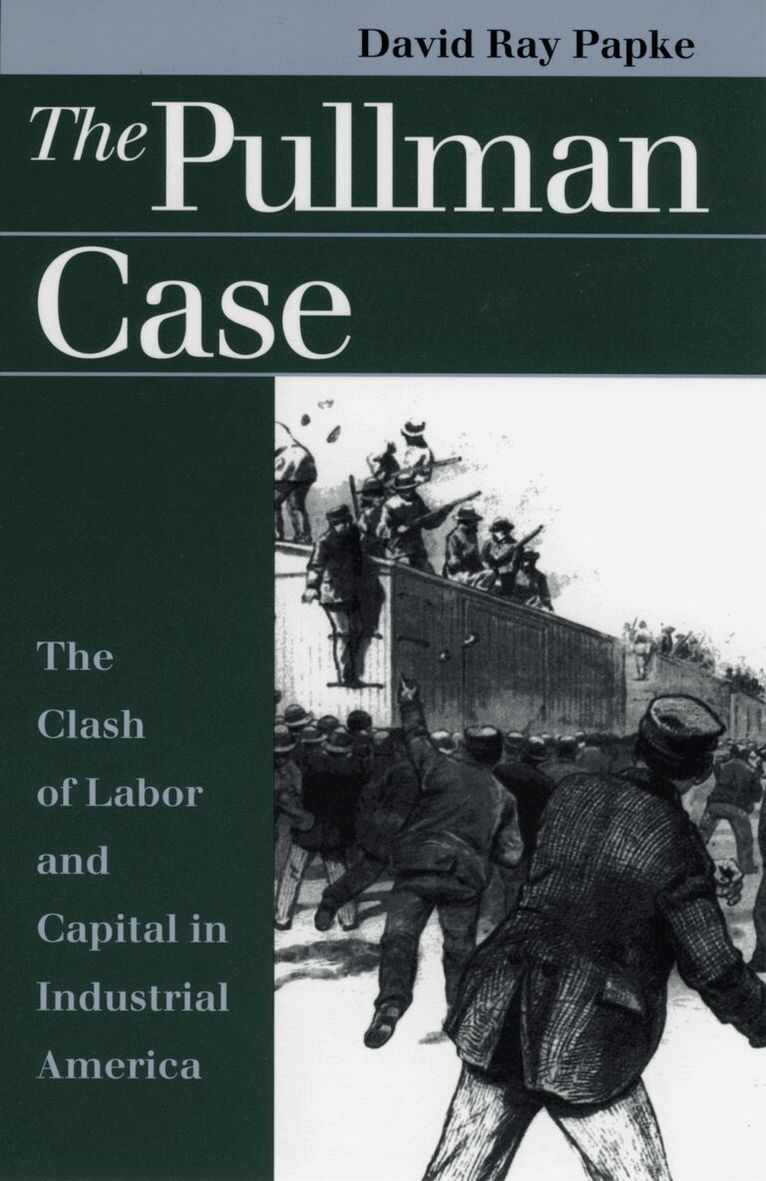
When the American Railway Union went on strike against the Pullman Palace Car Company in 1894, it set into motion a chain of events whose repercussions are still felt today. The strike pitted America's largest industrial union against twenty-four railroads, paralyzed rail traffic in half the country, and in the end was broken up by federal troops and suppressed by the courts, with union leader Eugene Debs incarcerated. But behind the Pullman case lay a conflict of ideologies at a watershed time in our nation's history.David Ray Papke reexamines the events and personalities surrounding the 1894 strike, related proceedings in the Chicago trial courts, and the 1895 Supreme Court decision, In re Debs, which set important standards for labor injunctions. He shows how the Court, by upholding Debs's contempt citation, dealt fatal blows to broad-based unionism in the nation's most important industry and to any hope for a more evenhanded form of judicial involvement in labor disputes-thus setting the stage for labor law in decades to come.The Pullman case was a defining moment in the often violent confrontation between capital and labor. It matched wealthy industrialist George Pullman against Debs and gave a stage to Debs's fledgling attorney Clarence Darrow. Throughout the trial, capital and labor tried to convince the public of the justice of their cause: Debs decrying the company's treatment of workers and Pullman raising fears of radical unionists. Papke provides an analytically concise and highly readable account of these proceedings, offering insight into the strengths and weaknesses of the law at the peak of industrial capitalism, showcasing Debs's passionate commitment to workers' rights, and providing a window on America during a period of rapid industrialization and social transformation.Papke shows that the law was far from neutral in defending corporate interests and suggests what the Pullman case, by raising questions about both the legitimacy of giant corporations and the revolutionary style of industrial unions, can teach us about law and legal institutions in our own time. His book captures the passions of industrial America and tells an important story at the intersection of legal and cultural history.
325 kr
Skickas inom 10-15 vardagar
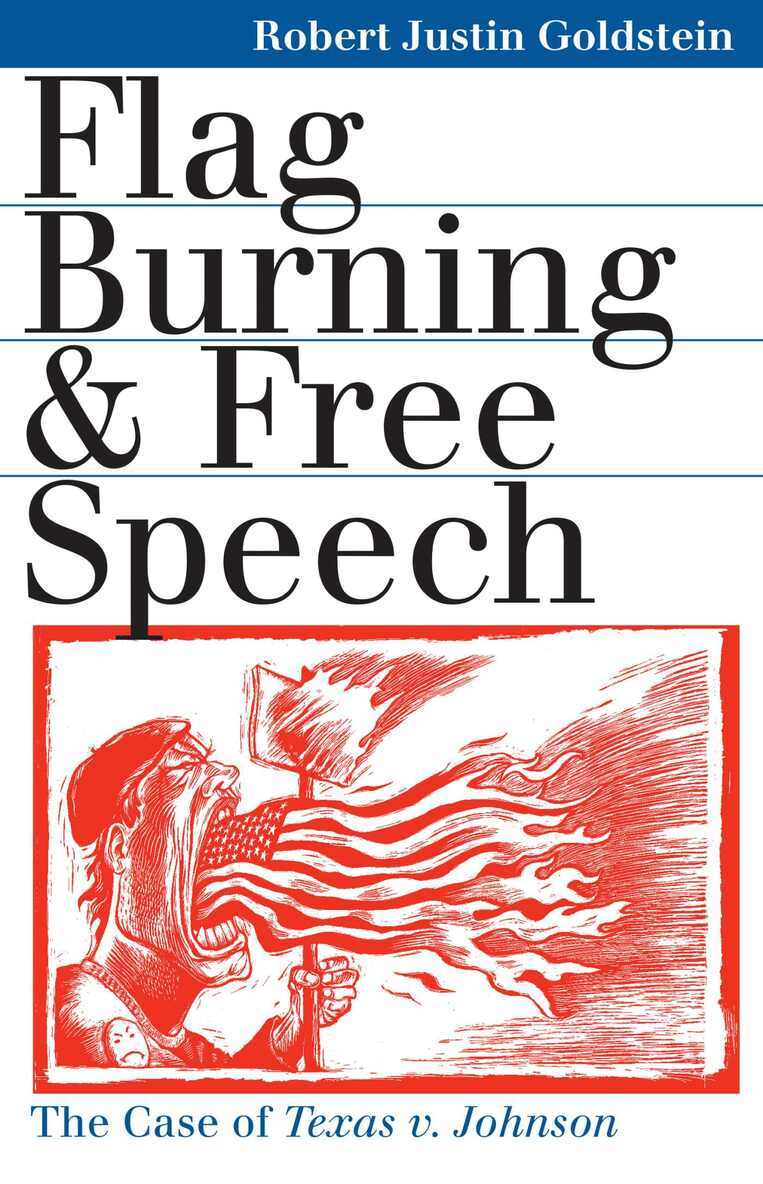
When Gregory Lee Johnson burned a flag, he was convicted for flag desecration under Texas law, but the Court of Appeals reversed the conviction. This work examines the case and the attendant controversy over whether protection of the flag conflicts with constitutional guarantees of free speech.
640 kr
Skickas inom 5-8 vardagar
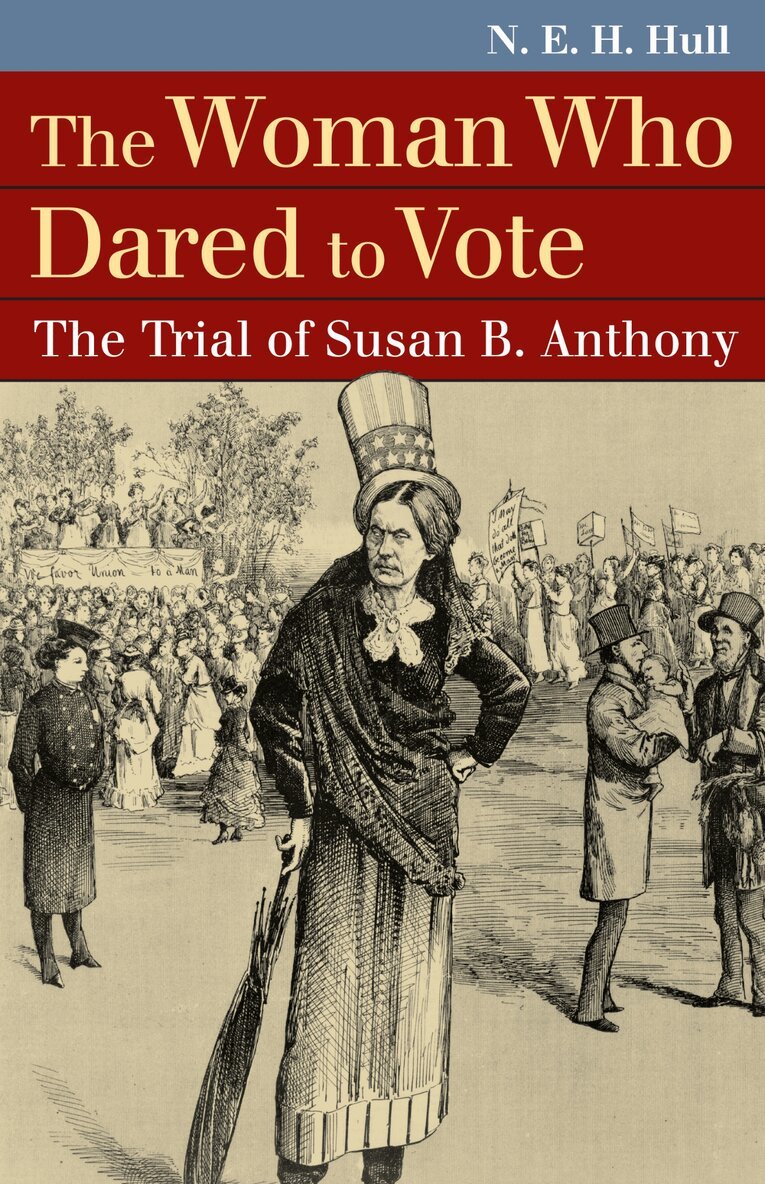
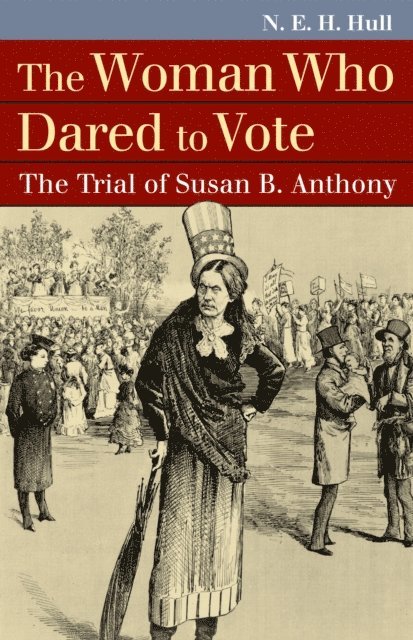
Just as the polls opened on November 5, 1872, Susan B. Anthony arrived and filled out her “ticket” for the various candidates. But before it could be placed in the ballot box, a poll watcher objected, claiming her action violated the laws of New York and the state constitution. Anthony vehemently protested that as a citizen of the United States and the state of New York she was entitled to vote under the Fourteenth Amendment. The poll watchers gave in and allowed Anthony to deposit her ballots. Anthony was arrested, charged with a federal crime, and tried in court. Primarily represented within document collections and broader accounts of the fight for woman suffrage, Anthony’s controversial trial—as a landmark narrative in the annals of American law—remains a relatively neglected subject. N. E. H. Hull provides the first book-length engagement with the legal dimensions of that narrative and in the process illuminates the laws, politics, and personalities at the heart of the trial and its outcome. Hull summarises the woman suffrage movement in the post-Civil War era, reveals its betrayal by former allies in the abolitionist movement, and describes its fall into disarray. She then chronicles Anthony’s vote, arrest, and preliminary hearings, as well as the legal and public relations manoeuvring in the run-up to the trial. She captures the drama created by Anthony, her attorneys, the politically ambitious prosecutor, and presiding judge—and Supreme Court justice—Ward Hunt, who argued emphatically against Anthony’s interpretation of the Reconstruction Amendments as the source of her voting rights. She then tracks further relevant developments in the trial’s aftermath—including Minor v. Happersett, another key case for the voting rights of women—and follows the major players through the eventual passage of the Nineteenth (or “Susan B. Anthony”) Amendment. Hull’s concise and readable guide reveals a story of courage and despair, of sisterhood and rivalry, of high purpose and low politics. It also underscores for all of us how Anthony’s act of civil disobedience remains essential to our understanding of both constitutional and women’s history—and why it all matters. This book is part of the Landmark Law Cases and American Society series.
273 kr
Skickas inom 11-20 vardagar
Just as the polls opened on November 5, 1872, Susan B. Anthony arrived and filled out her “ticket” for the various candidates. But before it could be placed in the ballot box, a poll watcher objected, claiming her action violated the laws of New York and the state constitution. Anthony vehemently protested that as a citizen of the United States and the state of New York she was entitled to vote under the Fourteenth Amendment. The poll watchers gave in and allowed Anthony to deposit her ballots. Anthony was arrested, charged with a federal crime, and tried in court. Primarily represented within document collections and broader accounts of the fight for woman suffrage, Anthony’s controversial trial—as a landmark narrative in the annals of American law—remains a relatively neglected subject. N. E. H. Hull provides the first book-length engagement with the legal dimensions of that narrative and in the process illuminates the laws, politics, and personalities at the heart of the trial and its outcome. Hull summarises the woman suffrage movement in the post-Civil War era, reveals its betrayal by former allies in the abolitionist movement, and describes its fall into disarray. She then chronicles Anthony’s vote, arrest, and preliminary hearings, as well as the legal and public relations manoeuvring in the run-up to the trial. She captures the drama created by Anthony, her attorneys, the politically ambitious prosecutor, and presiding judge—and Supreme Court justice—Ward Hunt, who argued emphatically against Anthony’s interpretation of the Reconstruction Amendments as the source of her voting rights. She then tracks further relevant developments in the trial’s aftermath—including Minor v. Happersett, another key case for the voting rights of women—and follows the major players through the eventual passage of the Nineteenth (or “Susan B. Anthony”) Amendment. Hull’s concise and readable guide reveals a story of courage and despair, of sisterhood and rivalry, of high purpose and low politics. It also underscores for all of us how Anthony’s act of civil disobedience remains essential to our understanding of both constitutional and women’s history—and why it all matters. This book is part of the Landmark Law Cases and American Society series.
290 kr
Skickas inom 10-15 vardagar
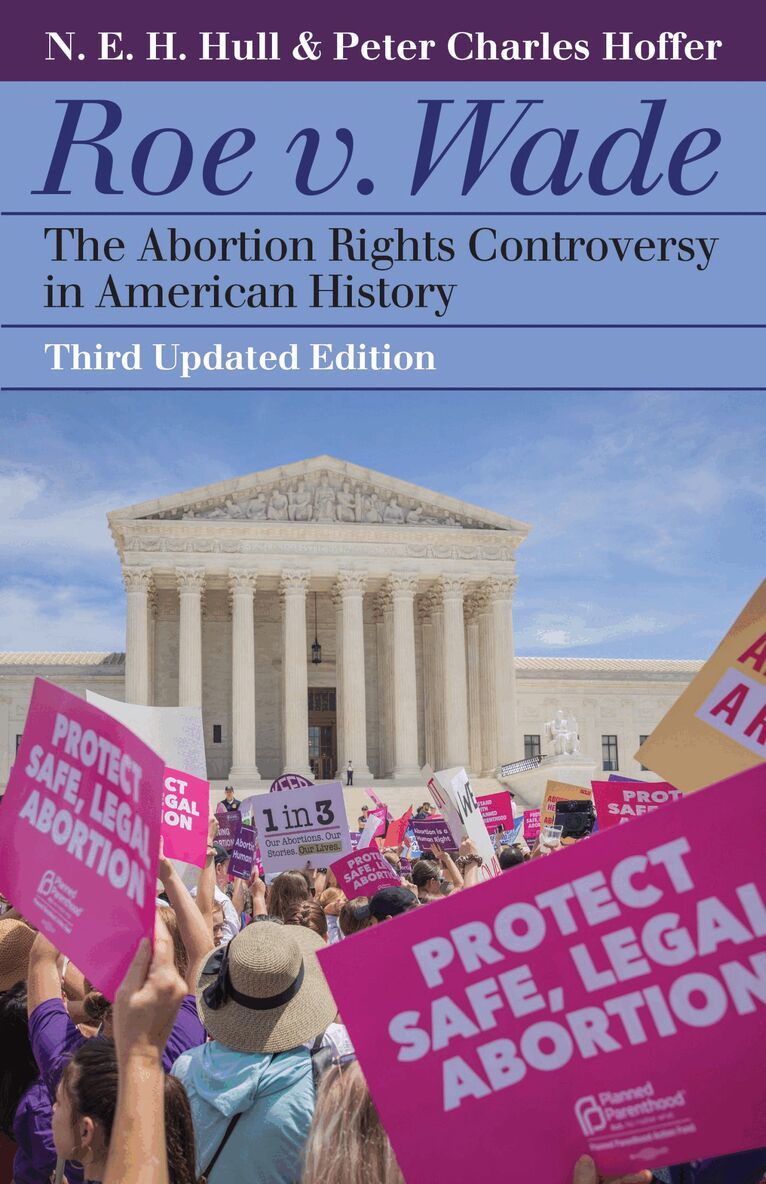
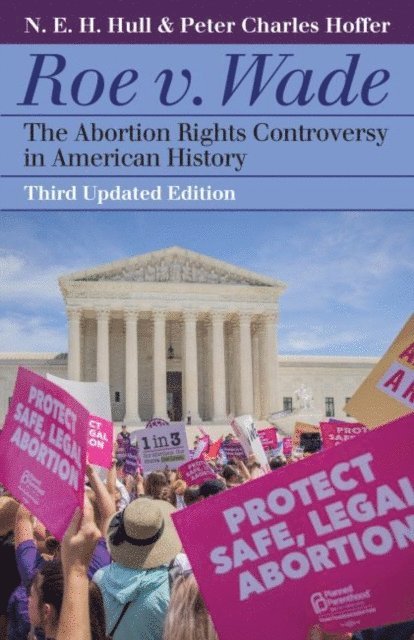
Few Supreme Court decisions have stirred up as much controversy, vitriolic debate, and even violence as Roe v. Wade in 1973. Four decades later, it remains a touchstone for the culture wars in the United States and a pivot upon which much of our politics turns. With that in mind, N. E. H. Hull and Peter Charles Hoffer have taken stock of the abortion debates, controversies, and cases that have emerged during the past decade in order to update their best-selling book on this landmark case.As with the first two editions, this book details the case's historical background; highlights Roe v. Wade's core issues, essential personalities, and key precedents; tracks the case's path through the courts; clarifies the jurisprudence behind the Court's ruling in Roe; assesses the impact of the presidential elections of George W. Bush and Barack Obama along with the confirmations of Chief Justice John Roberts, Justice Samuel Alito, Justice Sonia Sotomayor; and gauges the case's impact on American society and subsequent challenges to it in Webster v. Reproductive Health Services (1989), Planned Parenthood v. Casey (1992), and Gonzales v. Carhart (2007). This third updated edition also adds two completely new chapters covering abortion politics and legal battles in Obama's second term and Donald J. Trump's first term.The new material covers two important cases in detail: Whole Woman's Health v. Hellerstedt (2016) and June Medical Services, LLC v. Russo (2020). The cases dealt with state laws-Texas and Louisiana, respectively-designed to limit access to abortion by requiring doctors performing abortions to have admission privileges at a state-authorized hospital within thirty miles of the abortion clinic. In both cases the Court ruled the laws unconstitutional, thus handing abortion rights' activists key victories in the face of an increasingly conservative Court. The new chapters also cover the confirmations of Justices Elena Kagan, Neil Gorsuch, and Brett Kavanaugh as well as the heated political environment surrounding the Court in the age of Trump.
993 kr
Skickas inom 10-15 vardagar
Few Supreme Court decisions have stirred up as much controversy, vitriolic debate, and even violence as Roe v. Wade in 1973. Four decades later, it remains a touchstone for the culture wars in the United States and a pivot upon which much of our politics turns. With that in mind, N. E. H. Hull and Peter Charles Hoffer have taken stock of the abortion debates, controversies, and cases that have emerged during the past decade in order to update their best-selling book on this landmark case.As with the first two editions, this book details the case's historical background; highlights Roe v. Wade's core issues, essential personalities, and key precedents; tracks the case's path through the courts; clarifies the jurisprudence behind the Court's ruling in Roe; assesses the impact of the presidential elections of George W. Bush and Barack Obama along with the confirmations of Chief Justice John Roberts, Justice Samuel Alito, Justice Sonia Sotomayor; and gauges the case's impact on American society and subsequent challenges to it in Webster v. Reproductive Health Services (1989), Planned Parenthood v. Casey (1992), and Gonzales v. Carhart (2007). This third updated edition also adds two completely new chapters covering abortion politics and legal battles in Obama's second term and Donald J. Trump's first term.The new material covers two important cases in detail: Whole Woman's Health v. Hellerstedt (2016) and June Medical Services, LLC v. Russo (2020). The cases dealt with state laws-Texas and Louisiana, respectively-designed to limit access to abortion by requiring doctors performing abortions to have admission privileges at a state-authorized hospital within thirty miles of the abortion clinic. In both cases the Court ruled the laws unconstitutional, thus handing abortion rights' activists key victories in the face of an increasingly conservative Court. The new chapters also cover the confirmations of Justices Elena Kagan, Neil Gorsuch, and Brett Kavanaugh as well as the heated political environment surrounding the Court in the age of Trump.