Naoki Sakai – författare
Visar alla böcker från författaren Naoki Sakai. Handla med fri frakt och snabb leverans.
19 produkter
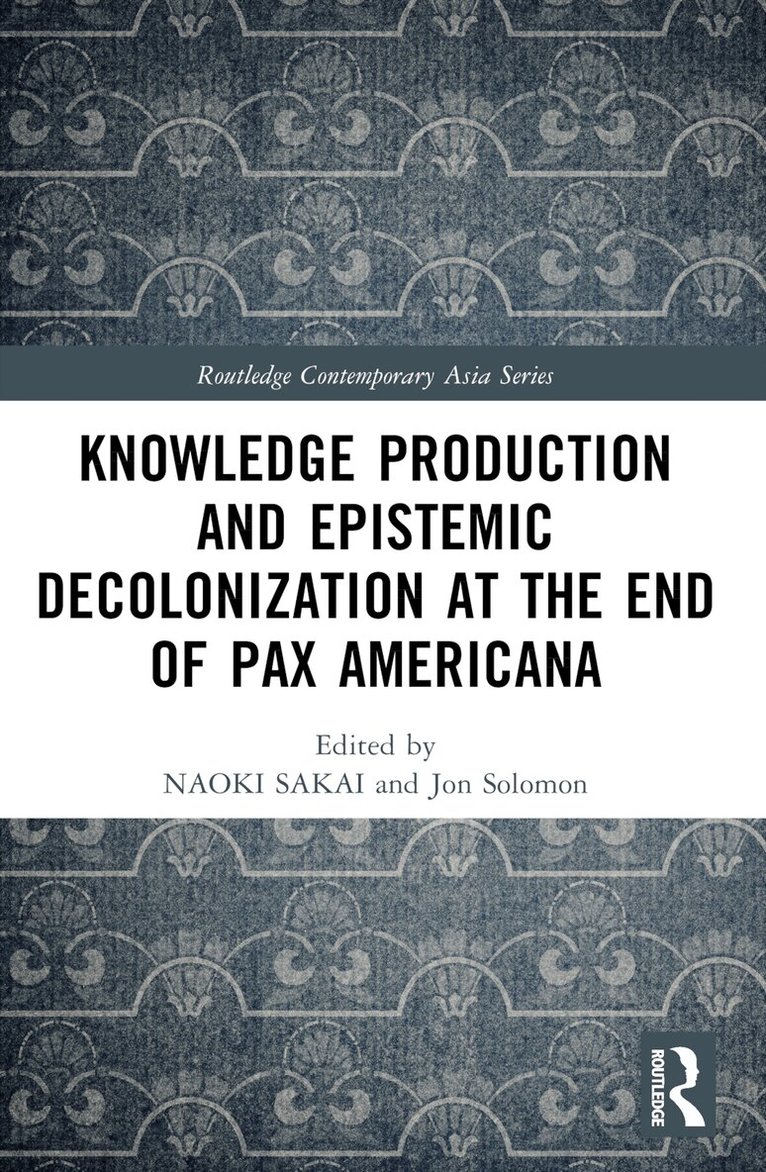
Knowledge Production and Epistemic Decolonization at the End of Pax Americana
Av Naoki Sakai, Jon Solomon m. fl.
Inbunden, 2023
2578 kr
Lägg i varukorg
This book critically analyzes the global hegemony of the United States – a hegemony whose innovative aspect consists in articulating postcoloniality to imperial control – in relation to knowledge and knowledge production.Through targeted case studies on the historical relationship between regional …
Translation and Subjectivity
On Japan and Cultural Nationalism
Av Naoki Sakai, Meaghan Morris
Häftad, 2008
314 kr
Lägg i varukorg
Knowledge Production and Epistemic Decolonization at the End of Pax Americana
Av Peter Button, Jon Solomon m. fl.
E-bok, 2023
746 kr
Lägg i varukorg
This book critically analyzes the global hegemony of the United States – a hegemony whose innovative aspect consists in articulating postcoloniality to imperial control – in relation to knowledge and knowledge production. Through targeted case studies on the historical relationship between regional …
Knowledge Production and Epistemic Decolonization at the End of Pax Americana
Av Peter Button, Jon Solomon m. fl.
E-bok, 2023
762 kr
Lägg i varukorg
This book critically analyzes the global hegemony of the United States – a hegemony whose innovative aspect consists in articulating postcoloniality to imperial control – in relation to knowledge and knowledge production. Through targeted case studies on the historical relationship between regional …
Knowledge Production and Epistemic Decolonization at the End of Pax Americana
Av Naoki Sakai, Jon Solomon m. fl.
Häftad, 2024
646 kr
Lägg i varukorg
This book critically analyzes the global hegemony of the United States – a hegemony whose innovative aspect consists in articulating postcoloniality to imperial control – in relation to knowledge and knowledge production.Through targeted case studies on the historical relationship between regional …
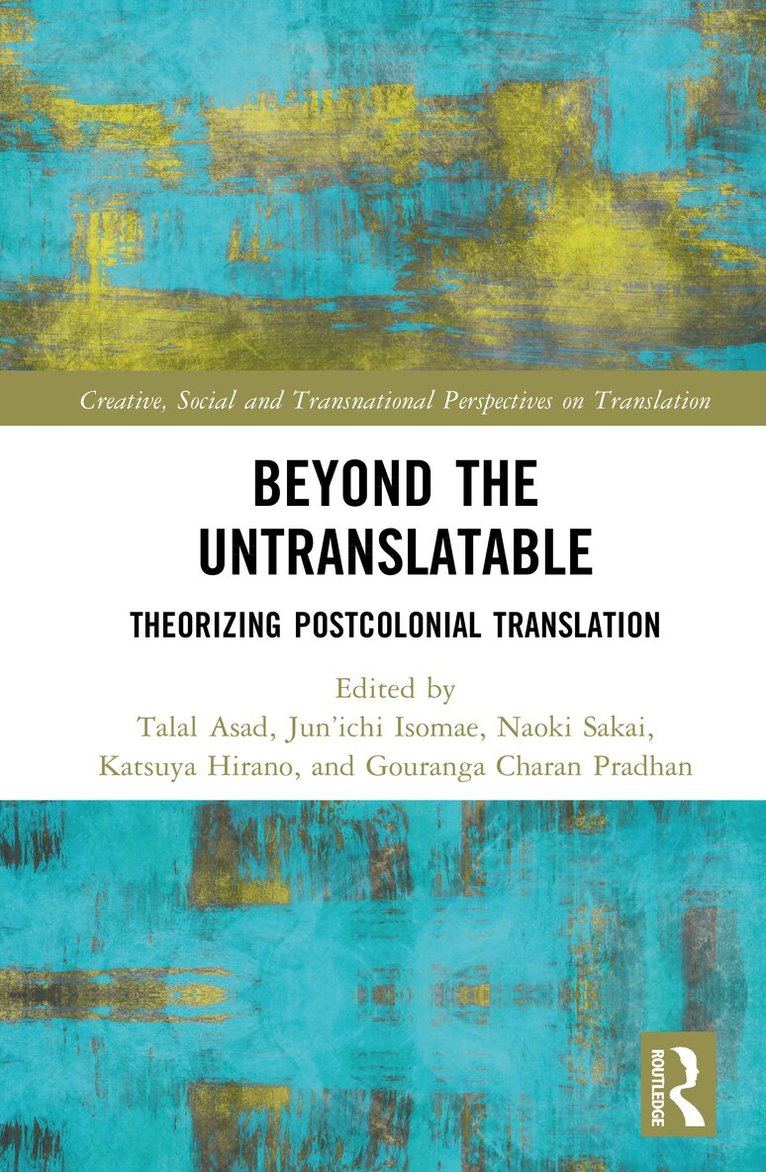
Beyond the Untranslatable
Theorizing Postcolonial Translation
Av Gouranga Charan Pradhan, Katsuya Hirano m. fl.
E-bok, 2026
956 kr
Lägg i varukorg
This collection examines postcolonial studies through the lens of translation studies, focusing on Asian and East Asian experiences. It redefines translation as a process of negotiating Otherness with language at its core.Following Talal Asad and Gayatri Chakravorty Spivak's critique, the book …
Beyond the Untranslatable
Theorizing Postcolonial Translation
Av Gouranga Charan Pradhan, Katsuya Hirano m. fl.
E-bok, 2026
956 kr
Lägg i varukorg
This collection examines postcolonial studies through the lens of translation studies, focusing on Asian and East Asian experiences. It redefines translation as a process of negotiating Otherness with language at its core.Following Talal Asad and Gayatri Chakravorty Spivak's critique, the book …
Beyond the Untranslatable
Theorizing Postcolonial Translation
Av Talal Asad, Jun’ichi Isomae m. fl.
Inbunden, 2026
2504 kr
Lägg i varukorg
This collection examines postcolonial studies through the lens of translation studies, focusing on Asian and East Asian experiences. It redefines translation as a process of negotiating Otherness with language at its core.Following Talal Asad and Gayatri Chakravorty Spivak’s critique, the book …
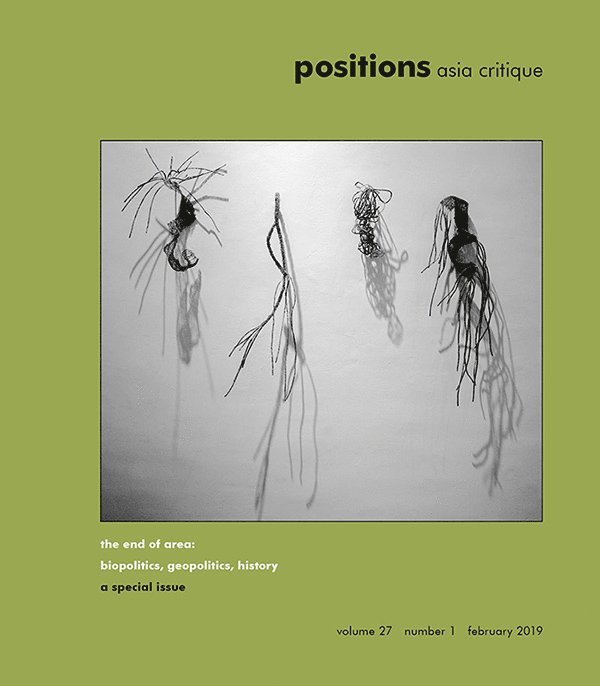
End of Area
Biopolitics, Geopolitics, History
Häftad, 2019
153 kr
Kommande
As technological innovation and cultural exchange challenge conventional borders, national identities, and notions of the nation-state, scholars have increasingly argued that the traditional concepts of “area” are ideological and political constructs tied to a schema of the world that no longer …
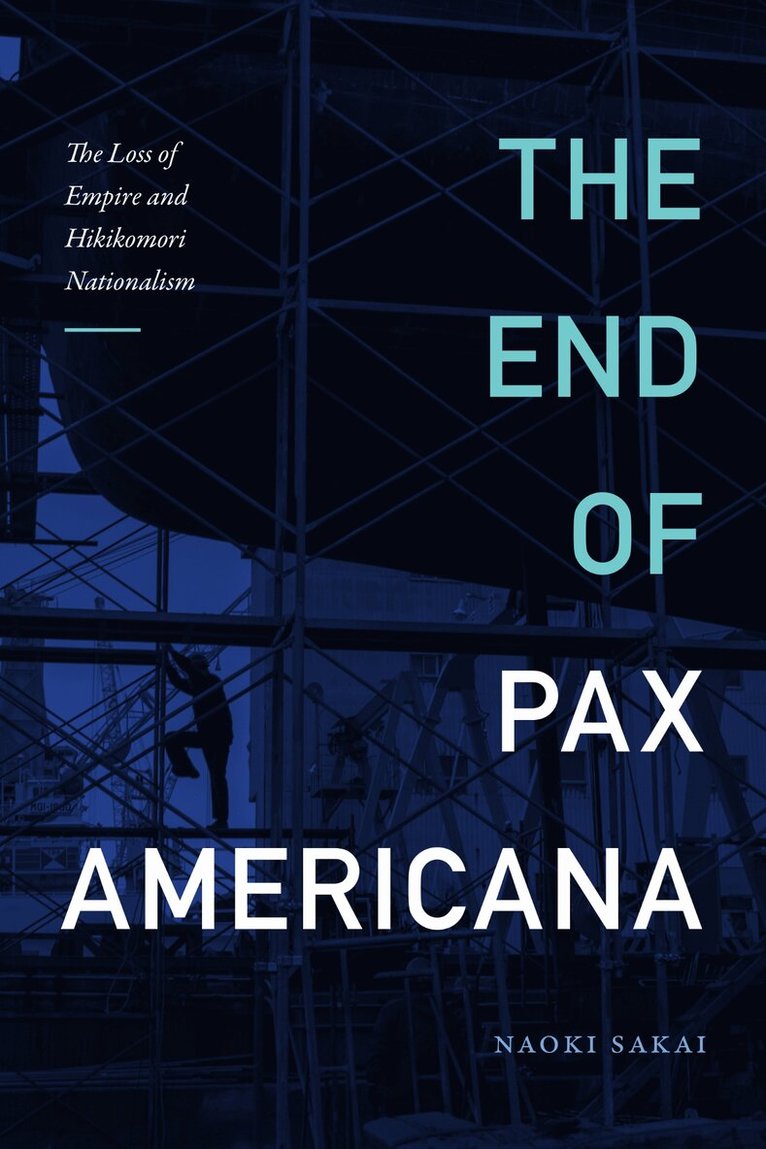
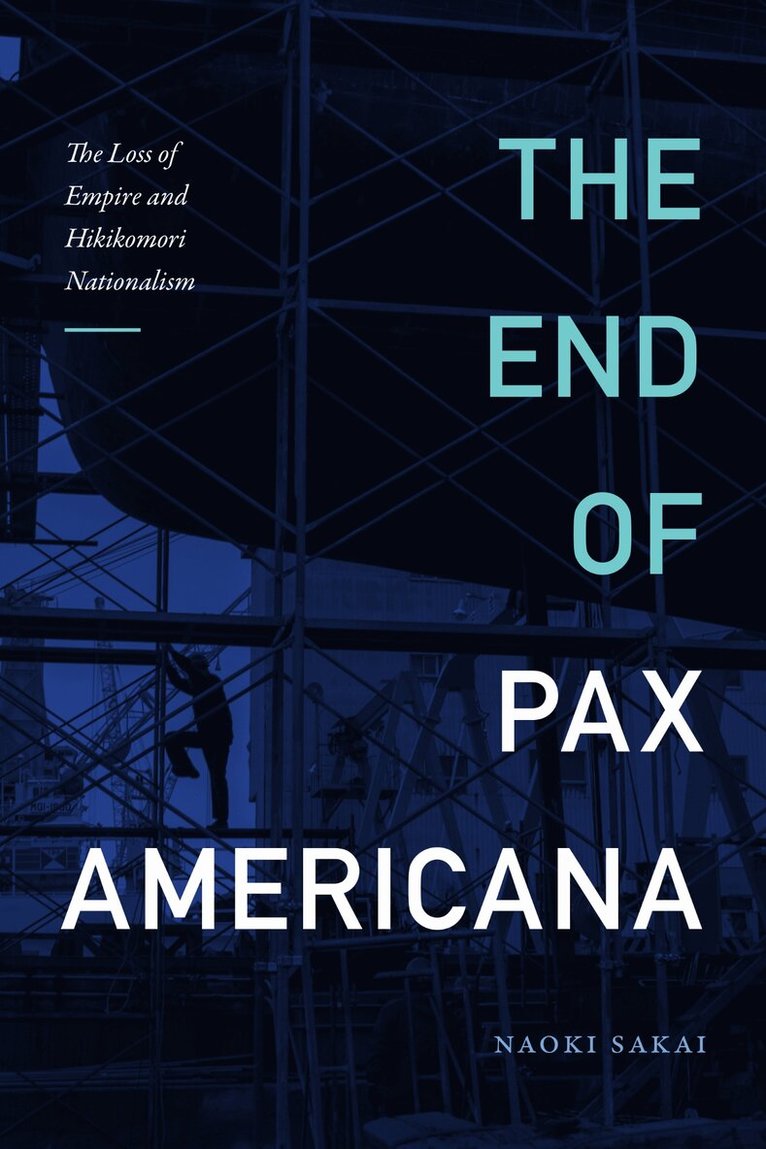
End of Pax Americana
The Loss of Empire and Hikikomori Nationalism
Av Naoki Sakai
Inbunden, 2022
1243 kr
Lägg i varukorg
In The End of Pax Americana, Naoki Sakai focuses on U.S. hegemony's long history in East Asia and the effects of its decline on contemporary conceptions of internationality. Engaging with themes of nationality in conjunction with internationality, the civilizational construction of differences …
End of Pax Americana
The Loss of Empire and Hikikomori Nationalism
Av Naoki Sakai
Häftad, 2022
338 kr
Lägg i varukorg
In The End of Pax Americana, Naoki Sakai focuses on U.S. hegemony's long history in East Asia and the effects of its decline on contemporary conceptions of internationality. Engaging with themes of nationality in conjunction with internationality, the civilizational construction of differences …
End of Pax Americana
The Loss of Empire and Hikikomori Nationalism
Av Naoki Sakai
E-bok, 2021
503 kr
Lägg i varukorg
In The End of Pax Americana , Naoki Sakai focuses on U.S. hegemony''s long history in East Asia and the effects of its decline on contemporary conceptions of internationality. Engaging with themes of nationality in conjunction with internationality, the civilizational construction of differences …
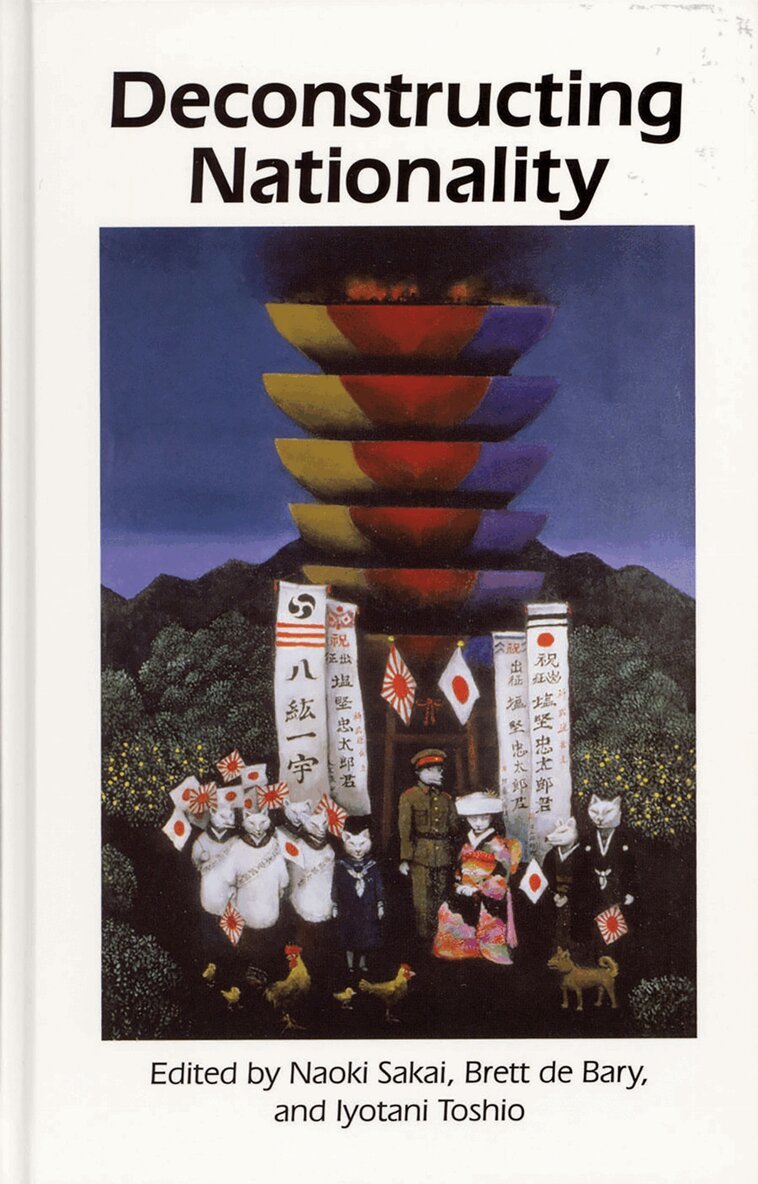
Deconstructing Nationality
Av Naoki Sakai, Brett de Bary m. fl.
Häftad, 2010
413 kr
Lägg i varukorg
How can a post-national Japanese Studies be defined? How might the postwar myth of a monoethnic Japan be historicized? Can new forms of nationalism be effectively criticized by evoking a spirit of nationalist democracy? This book contains a series of groundbreaking essays by major Japanese and …
Deconstructing Nationality
Av Naoki Sakai, Brett de Bary m. fl.
Inbunden, 2011
711 kr
Lägg i varukorg
How can a post-national Japanese Studies be defined? How might the postwar myth of a monoethnic Japan be historicized? Can new forms of nationalism be effectively criticized by evoking a spirit of nationalist democracy? This book contains a series of groundbreaking essays by major Japanese and …
Japan's Past and Present
Av Kosaku Yoshino, John Lie m. fl.
E-bok
119 kr
Lägg i varukorg
In Japan, the study of nihonjinron became popular after the Second World War in an attempt to explain the uniqueness of the country s culture and character. Some of the essays in this volume deal with these issues and explore aspects of the Japanese quest for a national identity. Today Japan is one …
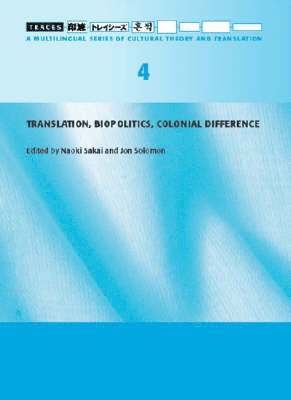
Traces 4 – Translation, Biopolitics, Colonial Difference
Av Naoki Sakai, Naoki Sakai m. fl.
Inbunden, 2006
959 kr
Lägg i varukorg
Translation, Biopolitics, Colonial Difference, the fourth book in the Traces series, focuses on the problems of translation and the political dynamics surrounding multiplicity - linguistic, regional, transnational, and civilizational - today. The international group of authors deal, both …
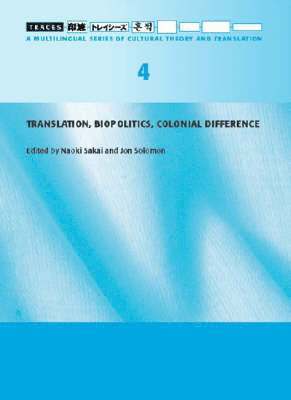
Translation, Biopolitics, Colonial Difference
Av Naoki Sakai, Naoki Sakai m. fl.
Häftad, 2006
435 kr
Lägg i varukorg
Translation, Biopolitics, Colonial Difference, the fourth book in the Traces series, focuses on the problems of translation and the political dynamics surrounding multiplicity - linguistic, regional, transnational, and civilizational - today. The international group of authors deal, both …
OVERCOMING MODERNITY: EAST ASIAN COMMUNITY AND THE KYOTO SCHOOL
Av Naoki Sakai, Jun'ichi Isomae
Inbunden, 2029
2093 kr
Kommande
This book aims to present the historical and political significance of literary and philosophical debates conducted in East Asia during the war years of the 1930s and 1940s. The volume includes seven essays, an introduction and a translation of the manifesto “Principles of Thought for a New Japan …
TRANS-PACIFIC IMAGINATION, THE: RETHINKING BOUNDARY, CULTURE AND SOCIETY
Av Sakai Naoki, Naoki Sakai m. fl.
Inbunden, 2012
1763 kr
Lägg i varukorg
This anthology critically re-examines and re-articulates the discursive boundary that binds the region called East Asia in order to produce Trans-Pacific Studies. Recognizing that the creation of regional boundaries depends on a new configuration of both inter- and intra-national power relations …