Natalia Ermasova - Böcker
Visar alla böcker från författaren Natalia Ermasova. Handla med fri frakt och snabb leverans.
4 produkter
4 produkter
1 909 kr
Skickas inom 10-15 vardagar
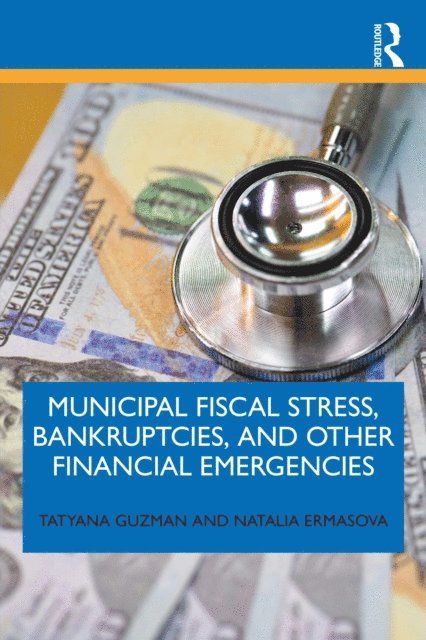
It is di□fficult to find someone who has not heard about the Puerto Rico, Detroit, Michigan, or Orange County, California, bankruptcies. While guides for responsibly managing government finances exist, problems often originate not because of poor financial reporting or financial deficiencies but because issues external to financial wellbeing arise, such as economic, demographic, political, legal, or even environmental factors. Exacerbating the problem, there is not much advice in the existing literature on how to act when municipalities face financial struggles. Filling this important gap, this book explores fiscal health and fiscal hardships, municipal defaults and bankruptcies, and many other aspects to help guide local governments during fiscal distress.Fiscal hardships negatively affect the quality and availability of public goods and services and, consequently, the wellbeing of residents and businesses living and working in distressed municipalities. Turned off streetlights, unmaintained public parks, potholes, inconsistent garbage pickup, longer response time from emergency services, and multiple other issues that residents of the struggling municipalities deal with, lead to higher crime rates, lower quality of K-12 education, dangerous road conditions, lower housing values, outmigration of wealthier population, and numerous other problems. The COVID-19 pandemic put additional unprecedented pressure on municipal finances nationwide. In this book authors Tatyana Guzman and Natalia Ermasova evaluate distressed cities and municipalities and provide practical recommendations on improving their financial conditions. What are conditions and signs to look for to not to find yourself in similar situations? What can be done if your municipality is already experiencing fiscal hardships? What are the consequences of fiscal misfortunes? How does one exit a fiscal emergency? This book answers these and other questions and serves as a guide to fiscal health and prosperity for U.S. municipal governments, students and researchers in public finance, and general public management fields.
632 kr
Skickas inom 10-15 vardagar
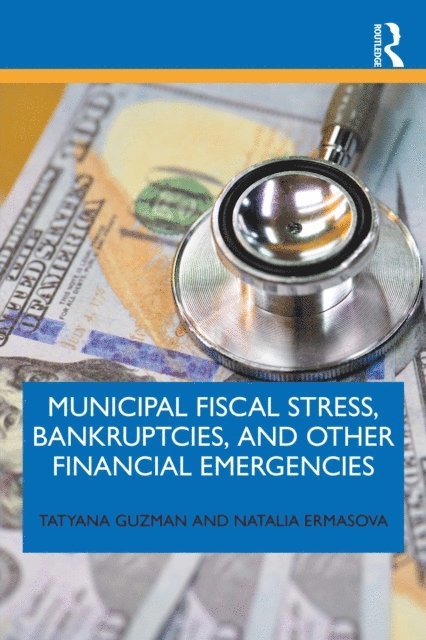
It is di□fficult to find someone who has not heard about the Puerto Rico, Detroit, Michigan, or Orange County, California, bankruptcies. While guides for responsibly managing government finances exist, problems often originate not because of poor financial reporting or financial deficiencies but because issues external to financial wellbeing arise, such as economic, demographic, political, legal, or even environmental factors. Exacerbating the problem, there is not much advice in the existing literature on how to act when municipalities face financial struggles. Filling this important gap, this book explores fiscal health and fiscal hardships, municipal defaults and bankruptcies, and many other aspects to help guide local governments during fiscal distress.Fiscal hardships negatively affect the quality and availability of public goods and services and, consequently, the wellbeing of residents and businesses living and working in distressed municipalities. Turned off streetlights, unmaintained public parks, potholes, inconsistent garbage pickup, longer response time from emergency services, and multiple other issues that residents of the struggling municipalities deal with, lead to higher crime rates, lower quality of K-12 education, dangerous road conditions, lower housing values, outmigration of wealthier population, and numerous other problems. The COVID-19 pandemic put additional unprecedented pressure on municipal finances nationwide. In this book authors Tatyana Guzman and Natalia Ermasova evaluate distressed cities and municipalities and provide practical recommendations on improving their financial conditions. What are conditions and signs to look for to not to find yourself in similar situations? What can be done if your municipality is already experiencing fiscal hardships? What are the consequences of fiscal misfortunes? How does one exit a fiscal emergency? This book answers these and other questions and serves as a guide to fiscal health and prosperity for U.S. municipal governments, students and researchers in public finance, and general public management fields.
617 kr
Kommande
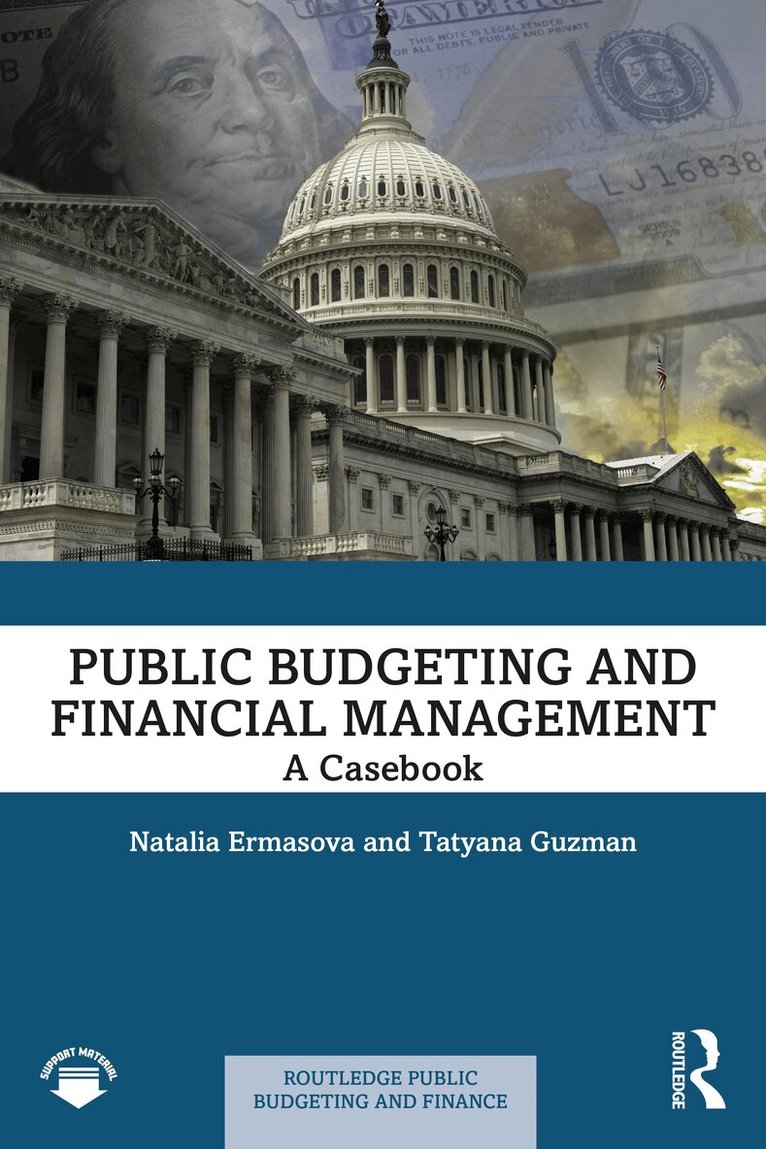
It is no secret that public budgeting courses can feel dry, technical, and overwhelming for students. Exploring real financial and budgeting situations in the public sector to engage students more actively in their learning, Public Budgeting and Financial Management: A Casebook applies budgeting and public finance course concepts in context to help students transform abstract concepts into practical applications. Each chapter of the book begins with a brief introduction to a foundational budgeting concept, including definitions, basic steps, and optional further reading, to provide an overview of and context for each concept. The case studies that then follow are organized by topic, designed to help students reflect, make connections, and analyze budgeting situations within and across settings. The cases demonstrate strategies in system implementation, policy formulation, and financial management for different levels of government, with international, federal, state, county, and local cases included. Each case study concludes with questions for discussion, and teaching notes are woven thoughtfully throughout the book, offering instructors guidance on how the case studies can be implemented effectively in a classroom setting.Public Budgeting and Financial Management: A Casebook is a detailed, indispensable guide for all public budgeting students, as well as early career faculty as they prepare to teach the course for what may be the first time, as well as for more senior faculty looking to improve the learning experience of students in the classroom.
2 258 kr
Kommande
It is no secret that public budgeting courses can feel dry, technical, and overwhelming for students. Exploring real financial and budgeting situations in the public sector to engage students more actively in their learning, Public Budgeting and Financial Management: A Casebook applies budgeting and public finance course concepts in context to help students transform abstract concepts into practical applications. Each chapter of the book begins with a brief introduction to a foundational budgeting concept, including definitions, basic steps, and optional further reading, to provide an overview of and context for each concept. The case studies that then follow are organized by topic, designed to help students reflect, make connections, and analyze budgeting situations within and across settings. The cases demonstrate strategies in system implementation, policy formulation, and financial management for different levels of government, with international, federal, state, county, and local cases included. Each case study concludes with questions for discussion, and teaching notes are woven thoughtfully throughout the book, offering instructors guidance on how the case studies can be implemented effectively in a classroom setting.Public Budgeting and Financial Management: A Casebook is a detailed, indispensable guide for all public budgeting students, as well as early career faculty as they prepare to teach the course for what may be the first time, as well as for more senior faculty looking to improve the learning experience of students in the classroom.