Natasha A. Frost - Böcker
Visar alla böcker från författaren Natasha A. Frost. Handla med fri frakt och snabb leverans.
4 produkter
4 produkter
615 kr
Skickas inom 10-15 vardagar
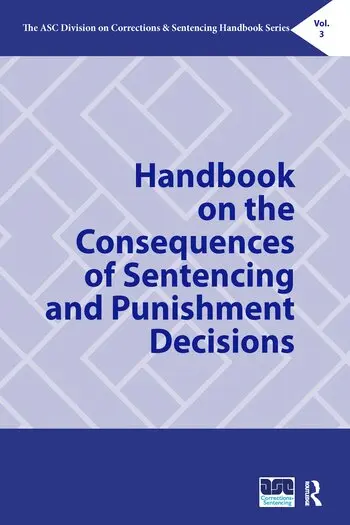
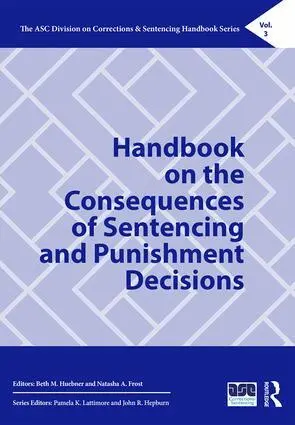
Handbook on the Consequences of Sentencing and Punishment Decisions, the third volume in the Routledge ASC Division on Corrections & Sentencing Series, includes contemporary essays on the consequences of punishment during an era of mass incarceration. The Handbook Series offers state-of-the-art volumes on seminal and topical issues that span the fields of sentencing and corrections. In that spirit, the editors gathered contributions that summarize what is known in each topical area and also identify emerging theoretical, empirical, and policy work. The book is grounded in the current knowledge about the specific topics, but also includes new, synthesizing material that reflects the knowledge of the leading minds in the field.Following an editors’ introduction, the volume is divided into four sections. First, two contributions situate and contextualize the volume by providing insight into the growth of mass punishment over the past three decades and an overview of the broad consequences of punishment decisions. The overviews are then followed by a section exploring the broader societal impacts of punishment on housing, employment, family relationships, and health and well-being. The third section centers on special populations and examines the unique effects of punishment for juveniles, immigrants, and individuals convicted of sexual or drug-related offenses. The fourth section focuses on institutional implications with contributions on jails, community corrections, and institutional corrections.
691 kr
Skickas inom 10-15 vardagar
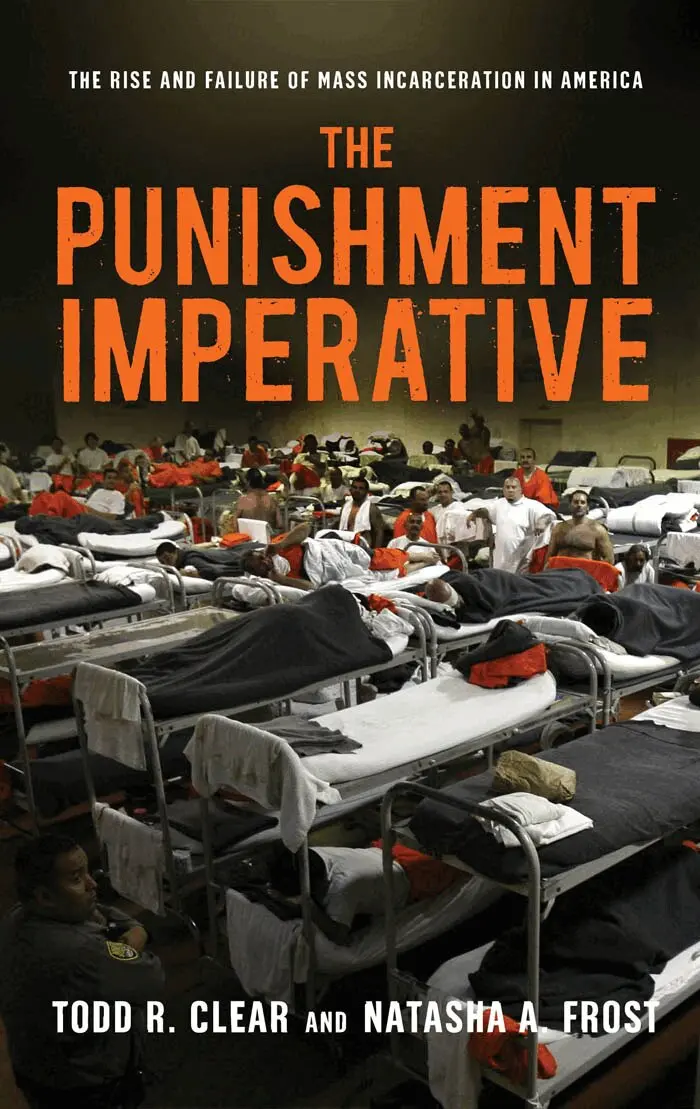
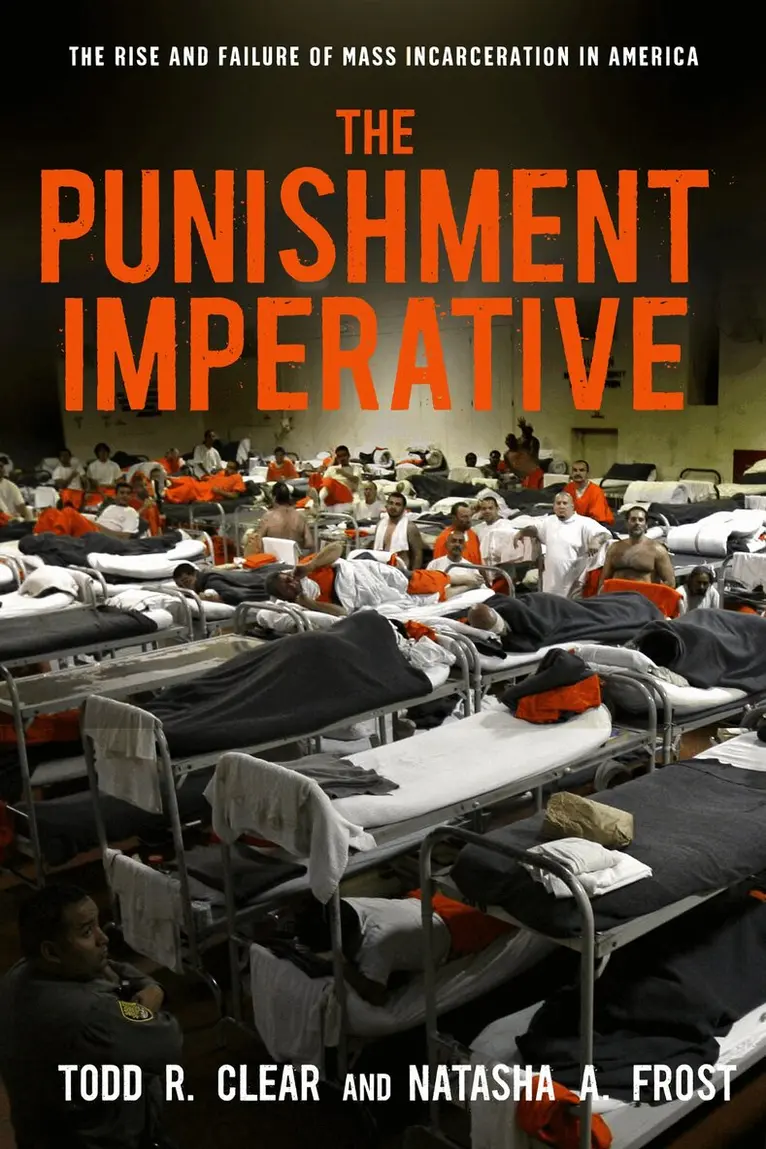
Clear and Frost chart the rise of penal severity in the U.S. and the forces necessary to end itOver the last 40 years, the US penal system has grown at an unprecedented rate—five times larger than in the past and grossly out of scale with the rest of the world. In The Punishment Imperative, eminent criminologists Todd R. Clear and Natasha A. Frost argue that America's move to mass incarceration from the 1960s to the early 2000s was more than just a response to crime or a collection of policies adopted in isolation; it was a grand social experiment. Tracing a wide array of trends related to the criminal justice system, this book charts the rise of penal severity in America and speculates that a variety of forces—fiscal, political, and evidentiary—have finally come together to bring this great social experiment to an end. The authors stress that while the doubling of the crime rate in the late 1960s represented one of the most pressing social problems at the time, it was instead the way crime posed a political problem—and thereby offered a political opportunity—that became the basis for the great rise in punishment. Clear and Frost contend that the public's growing realization that the severe policies themselves, not growing crime rates, were the main cause of increased incarceration eventually led to a surge of interest in taking a more rehabilitative, pragmatic, and cooperative approach to dealing with criminal offenders that still continues to this day. Part historical study, part forward-looking policy analysis, The Punishment Imperative is a compelling study of a generation of crime and punishment in America.
2 925 kr
Skickas inom 10-15 vardagar
Handbook on the Consequences of Sentencing and Punishment Decisions, the third volume in the Routledge ASC Division on Corrections & Sentencing Series, includes contemporary essays on the consequences of punishment during an era of mass incarceration. The Handbook Series offers state-of-the-art volumes on seminal and topical issues that span the fields of sentencing and corrections. In that spirit, the editors gathered contributions that summarize what is known in each topical area and also identify emerging theoretical, empirical, and policy work. The book is grounded in the current knowledge about the specific topics, but also includes new, synthesizing material that reflects the knowledge of the leading minds in the field.Following an editors’ introduction, the volume is divided into four sections. First, two contributions situate and contextualize the volume by providing insight into the growth of mass punishment over the past three decades and an overview of the broad consequences of punishment decisions. The overviews are then followed by a section exploring the broader societal impacts of punishment on housing, employment, family relationships, and health and well-being. The third section centers on special populations and examines the unique effects of punishment for juveniles, immigrants, and individuals convicted of sexual or drug-related offenses. The fourth section focuses on institutional implications with contributions on jails, community corrections, and institutional corrections.
332 kr
Skickas inom 7-10 vardagar
Clear and Frost chart the rise of penal severity in the U.S. and the forces necessary to end itOver the last 40 years, the US penal system has grown at an unprecedented rate—five times larger than in the past and grossly out of scale with the rest of the world. In The Punishment Imperative, eminent criminologists Todd R. Clear and Natasha A. Frost argue that America's move to mass incarceration from the 1960s to the early 2000s was more than just a response to crime or a collection of policies adopted in isolation; it was a grand social experiment. Tracing a wide array of trends related to the criminal justice system, this book charts the rise of penal severity in America and speculates that a variety of forces—fiscal, political, and evidentiary—have finally come together to bring this great social experiment to an end. The authors stress that while the doubling of the crime rate in the late 1960s represented one of the most pressing social problems at the time, it was instead the way crime posed a political problem—and thereby offered a political opportunity—that became the basis for the great rise in punishment. Clear and Frost contend that the public's growing realization that the severe policies themselves, not growing crime rates, were the main cause of increased incarceration eventually led to a surge of interest in taking a more rehabilitative, pragmatic, and cooperative approach to dealing with criminal offenders that still continues to this day. Part historical study, part forward-looking policy analysis, The Punishment Imperative is a compelling study of a generation of crime and punishment in America.