Beth M. Huebner – författare
Visar alla böcker från författaren Beth M. Huebner. Handla med fri frakt och snabb leverans.
12 produkter
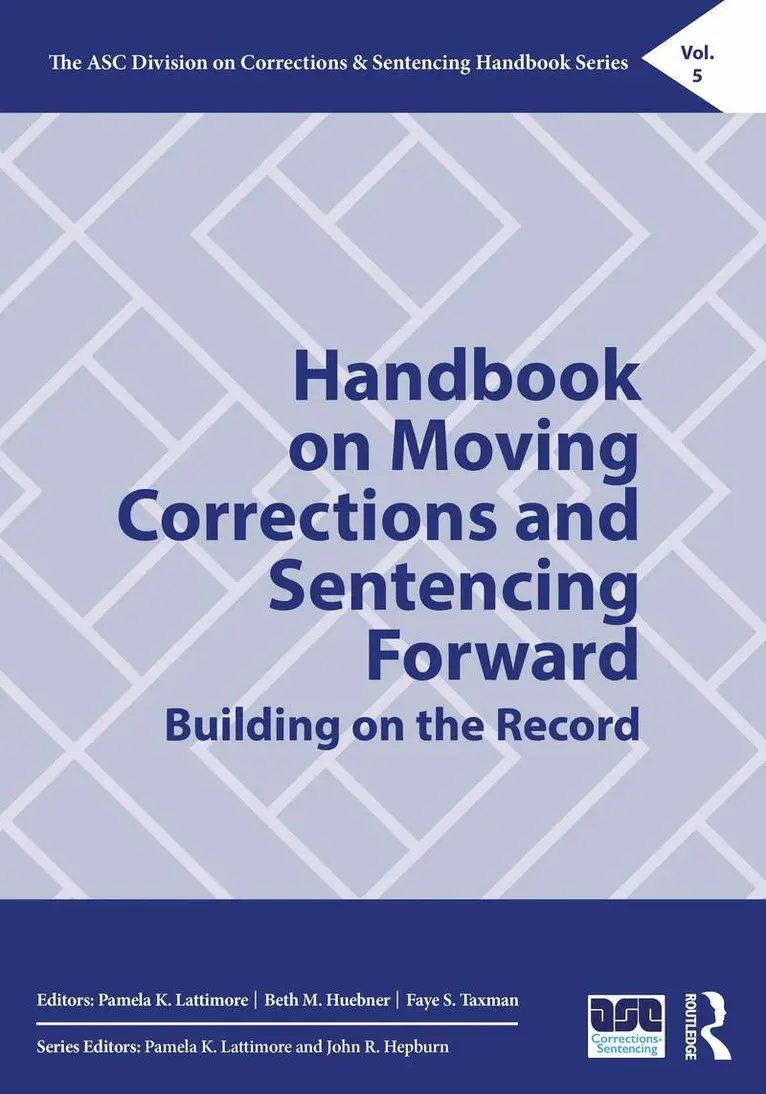
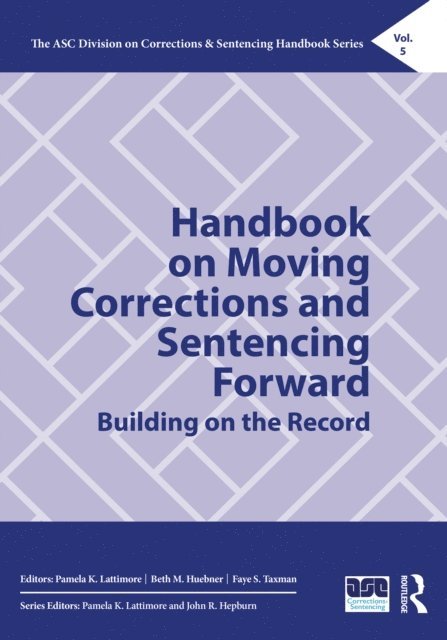
Handbook on Moving Corrections and Sentencing Forward
Building on the Record
Av Pamela K. Lattimore, Beth M. Huebner m. fl.
Inbunden, 2020
3145 kr
Lägg i varukorg
This volume addresses major issues and research in corrections and sentencing with the goal of using previous research and findings as a platform for recommendations about future research, evaluation, and policy.The last several decades witnessed major policy changes in sentencing and corrections …
Handbook on Moving Corrections and Sentencing Forward
Building on the Record
Av Pamela K. Lattimore, Beth M. Huebner m. fl.
Häftad, 2022
661 kr
Lägg i varukorg
This volume addresses major issues and research in corrections and sentencing with the goal of using previous research and findings as a platform for recommendations about future research, evaluation, and policy.The last several decades witnessed major policy changes in sentencing and corrections …
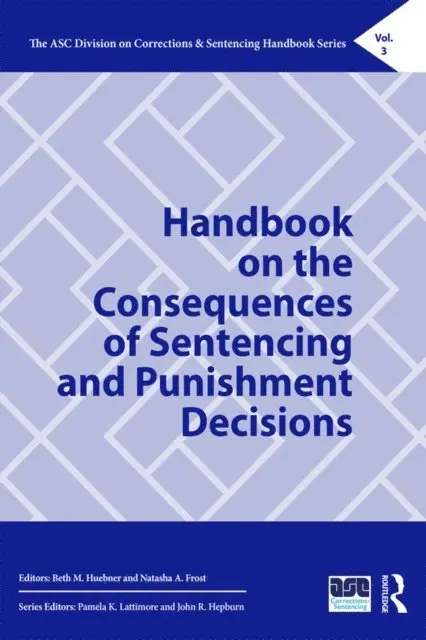
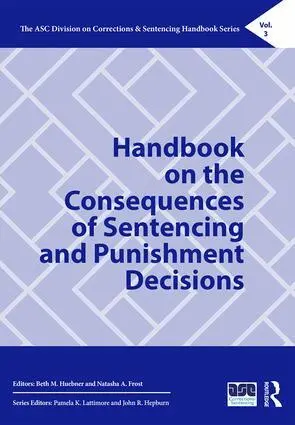
Handbook on the Consequences of Sentencing and Punishment Decisions
Av Beth M. Huebner, Natasha A. Frost
Häftad, 2020
688 kr
Lägg i varukorg
Handbook on the Consequences of Sentencing and Punishment Decisions, the third volume in the Routledge ASC Division on Corrections & Sentencing Series, includes contemporary essays on the consequences of punishment during an era of mass incarceration. The Handbook Series offers state-of-the-art …
Handbook on the Consequences of Sentencing and Punishment Decisions
Av Natasha A. Frost, Beth M. Huebner
E-bok, 2018
795 kr
Lägg i varukorg
Handbook on the Consequences of Sentencing and Punishment Decisions , the third volume in the Routledge ASC Division on Corrections & Sentencing Series, includes contemporary essays on the consequences of punishment during an era of mass incarceration. The Handbook Series offers state-of-the-art …
Handbook on the Consequences of Sentencing and Punishment Decisions
Av Natasha A. Frost, Beth M. Huebner
E-bok, 2018
813 kr
Lägg i varukorg
Handbook on the Consequences of Sentencing and Punishment Decisions , the third volume in the Routledge ASC Division on Corrections & Sentencing Series, includes contemporary essays on the consequences of punishment during an era of mass incarceration. The Handbook Series offers state-of-the-art …
Handbook on Moving Corrections and Sentencing Forward
Building on the Record
Av Faye S. Taxman, Beth M. Huebner m. fl.
E-bok, 2020
849 kr
Lägg i varukorg
This volume addresses major issues and research in corrections and sentencing with the goal of using previous research and findings as a platform for recommendations about future research, evaluation, and policy. The last several decades witnessed major policy changes in sentencing and corrections …
Handbook on Moving Corrections and Sentencing Forward
Building on the Record
Av Faye S. Taxman, Beth M. Huebner m. fl.
E-bok, 2020
849 kr
Lägg i varukorg
This volume addresses major issues and research in corrections and sentencing with the goal of using previous research and findings as a platform for recommendations about future research, evaluation, and policy. The last several decades witnessed major policy changes in sentencing and corrections …
Community-Engaged Research with Marginalized Populations
Av Kelli E Canada, Ashley Givens m. fl.
Häftad, 2026
1238 kr
Lägg i varukorg
This text is a concise, accessible, and applied how-to guide. The authors define specific community-engaged research approaches, and then present a variety of strategies, resources, and tips throughout the book in the context of social justice and ethics. Written by authors who teach research …
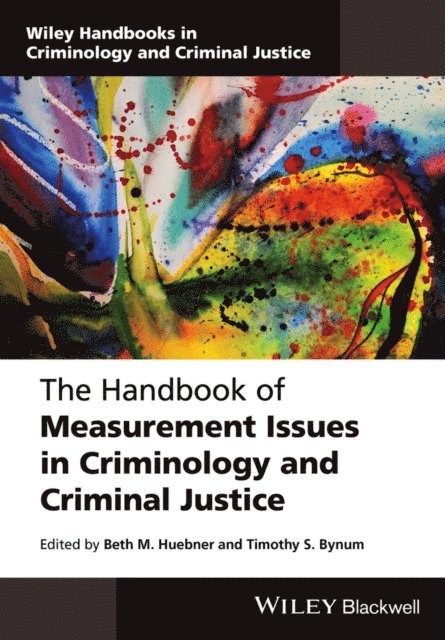
Handbook of Measurement Issues in Criminology and Criminal Justice
Av Timothy S. Bynum, Beth M. Huebner
E-bok, 2016
733 kr
Lägg i varukorg
This volume of the series was designed to provide a comprehensive primer on the existing best practices and emerging developments in the study and design research on crime and criminology. The work as a whole includes chapters on the measurement of criminal typologies, the offenders, offending and …
Handbook of Measurement Issues in Criminology and Criminal Justice
Av Timothy S. Bynum, Beth M. Huebner
E-bok, 2016
2518 kr
Lägg i varukorg
This volume of the series was designed to provide a comprehensive primer on the existing best practices and emerging developments in the study and design research on crime and criminology. The work as a whole includes chapters on the measurement of criminal typologies, the offenders, offending and …
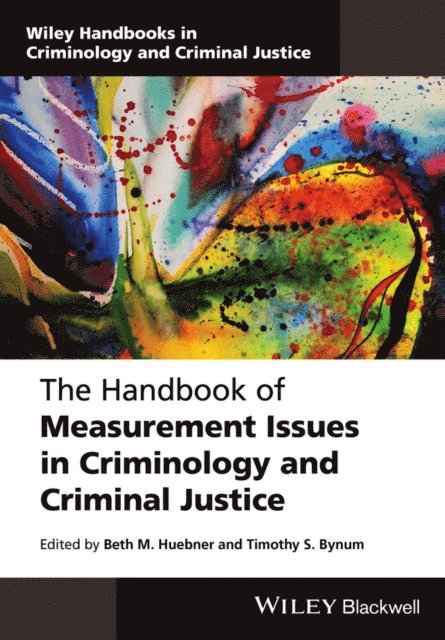
Handbook of Measurement Issues in Criminology and Criminal Justice
Av Beth M. Huebner, Timothy S. Bynum
Inbunden, 2016
2162 kr
Lägg i varukorg
This volume of the series was designed to provide a comprehensive primer on the existing best practices and emerging developments in the study and design research on crime and criminology. The work as a whole includes chapters on the measurement of criminal typologies, the offenders, offending and …
Handbook on the Consequences of Sentencing and Punishment Decisions
Av Beth M. Huebner, Natasha A. Frost
Inbunden, 2018
3479 kr
Lägg i varukorg
Handbook on the Consequences of Sentencing and Punishment Decisions, the third volume in the Routledge ASC Division on Corrections & Sentencing Series, includes contemporary essays on the consequences of punishment during an era of mass incarceration. The Handbook Series offers state-of-the-art …