Nathan Rosenstein - Böcker
Visar alla böcker från författaren Nathan Rosenstein. Handla med fri frakt och snabb leverans.
5 produkter
5 produkter
Del 3 - Center for Hellenic Studies Colloquia
War and Society in the Ancient and Medieval Worlds
Asia, the Mediterranean, Europe, and Mesoamerica
Häftad, Engelska, 2001
195 kr
Skickas inom 10-15 vardagar
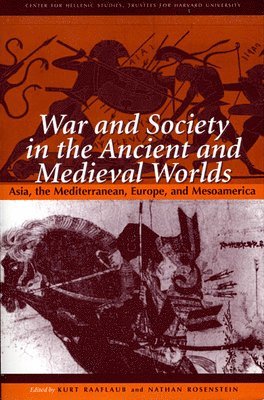
This volume is a unique, multi-authored social history of war from the third millennium B.C.E. to the tenth century C.E. in the Mediterranean, the Near East, and Europe (Egypt, Achaemenid Persia, Greece, the Hellenistic World, the Roman Republic and Empire, the Byzantine Empire, the early Islamic World, and early Medieval Europe), with parallel studies of Mesoamerica (the Maya and Aztecs) and East Asia (ancient China, medieval Japan). The product of a colloquium at Harvard’s Center for Hellenic Studies, this volume offers a broadly based, comparative examination of war and military organization in their complex interactions with social, economic, and political structures as well as cultural practices.
426 kr
Skickas
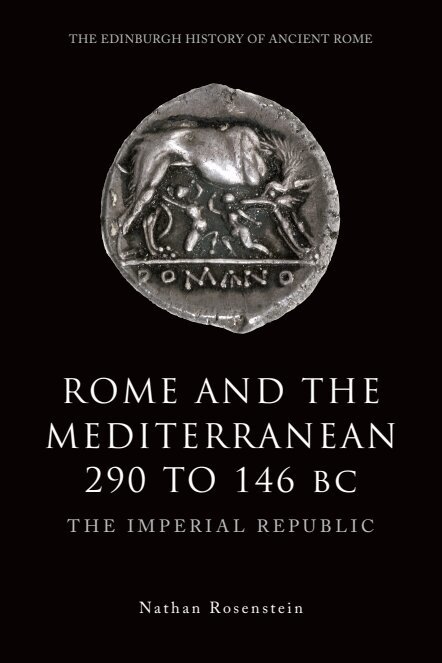
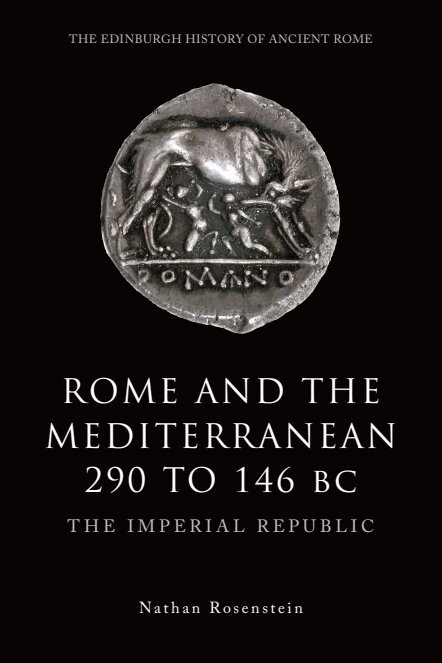
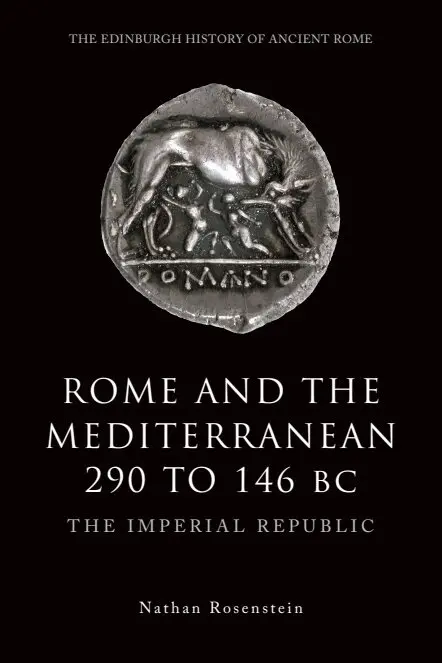
Rome's stunning rise to mastery of the ancient MediterraneanNathan Rosenstein charts Rome's incredible journey and command of the Mediterranean over the course of the third and second centuries BC. He describes the Republic's great wars - against Pyrrhus, Carthage and Hannibal, and the kings of Macedon and Syria - as well as its subjugation of Gallic northern Italy and Spain.This book reveals why and shows how Rome engaged in war so frequently; it highlights the secret of Rome's extraordinary military success and the significant impact on both Italy and Rome.Key features:" Explains the political dynamics of the Republican aristocracy and the economic and demographic foundations of Roman power" Demonstrates how it integrated many thousands of citizens across the whole of central Italy into a single body politic" Analyses the operation of the Roman army on campaign and in combatKeywords:Rome, Pyrrhus, Middle Republic, Heraclea, Asculum, Beneventum, Maleventum, First Punic War, Second Punic War, Hannibalic War, Trasimene
Del 19 - Blackwell Companions to the Ancient World
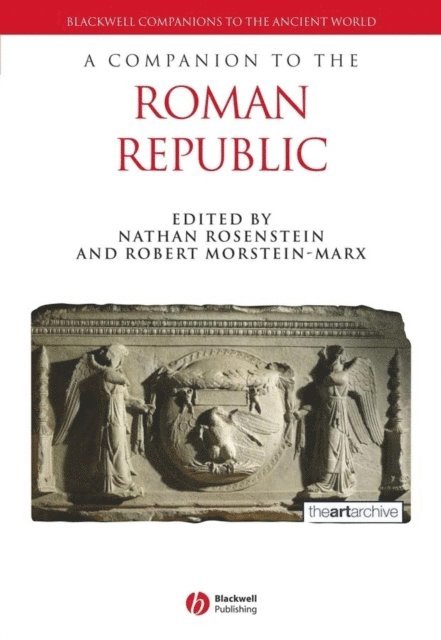
Companion to the Roman Republic
Inbunden, Engelska, 2006
2 133 kr
Skickas inom 7-10 vardagar
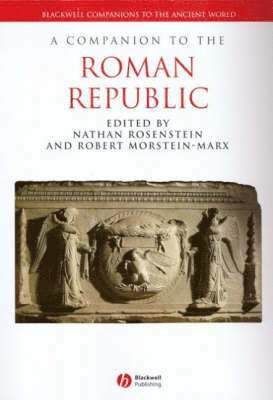
This Companion provides an authoritative and up-to-date overview of Roman Republican history as it is currently practiced. Highlights recent developments, including archaeological discoveries, fresh approaches to textual sources, and the opening up of new areas of historical studyRetains the drama of the Republic’s rise and fallEmphasizes not just the evidence of texts and physical remains, but also the models and assumptions that scholars bring to these artefactsLooks at the role played by the physical geography and environment of ItalyOffers a compact but detailed narrative of military and political developments from the birth of the Roman Republic through to the death of Julius CaesarDiscusses current controversies in the field
Del 57 - Blackwell Companions to the Ancient World
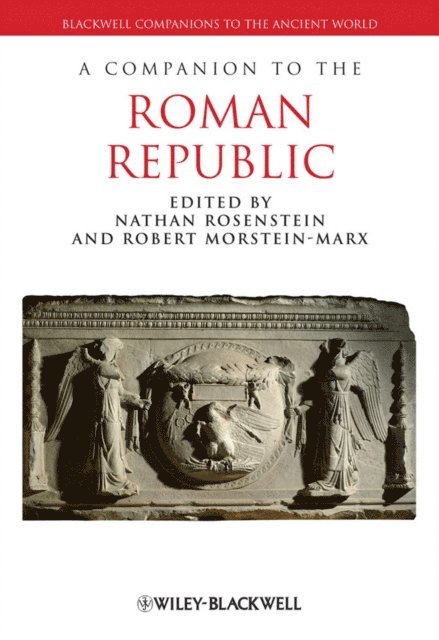
Companion to the Roman Republic
Häftad, Engelska, 2010
579 kr
Skickas inom 7-10 vardagar
This Companion provides an authoritative and up-to-date overview of Roman Republican history as it is currently practiced. Highlights recent developments, including archaeological discoveries, fresh approaches to textual sources, and the opening up of new areas of historical studyRetains the drama of the Republic’s rise and fallEmphasizes not just the evidence of texts and physical remains, but also the models and assumptions that scholars bring to these artefactsLooks at the role played by the physical geography and environment of ItalyOffers a compact but detailed narrative of military and political developments from the birth of the Roman Republic through to the death of Julius CaesarDiscusses current controversies in the field
529 kr
Skickas inom 10-15 vardagar
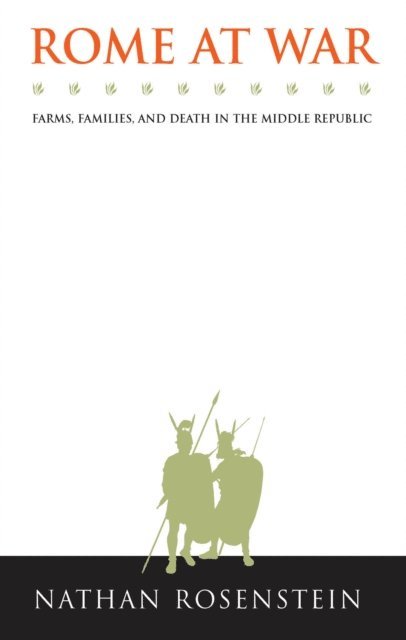
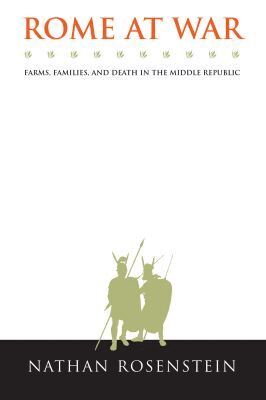
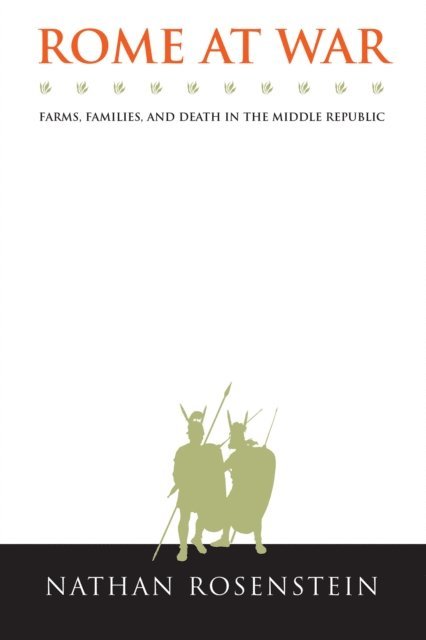
Historians have long asserted that during and after the Hannibalic War, the Roman Republic's need to conscript men for long-term military service helped bring about the demise of Italy's small farms and that the misery of impoverished citizens then became fuel for the social and political conflagrations of the late republic. Nathan Rosenstein challenges this claim, showing how Rome reconciled the needs of war and agriculture throughout the middle republic.The key, Rosenstein argues, lies in recognizing the critical role of family formation. By analyzing models of families' needs for agricultural labor over their life cycles, he shows that families often had a surplus of manpower to meet the demands of military conscription. Did, then, Roman imperialism play any role in the social crisis of the later second century B.C.? Rosenstein argues that Roman warfare had critical demographic consequences that have gone unrecognized by previous historians: heavy military mortality paradoxically helped sustain a dramatic increase in the birthrate, ultimately leading to overpopulation and landlessness.