Ndongo Samba Sylla – författare
259 kr
Skickas inom 5-8 vardagar
251 kr
Skickas inom 5-8 vardagar
410 kr
Skickas inom 5-8 vardagar
943 kr
Skickas inom 5-8 vardagar
290 kr
1 116 kr
306 kr
Läs direkt efter köp
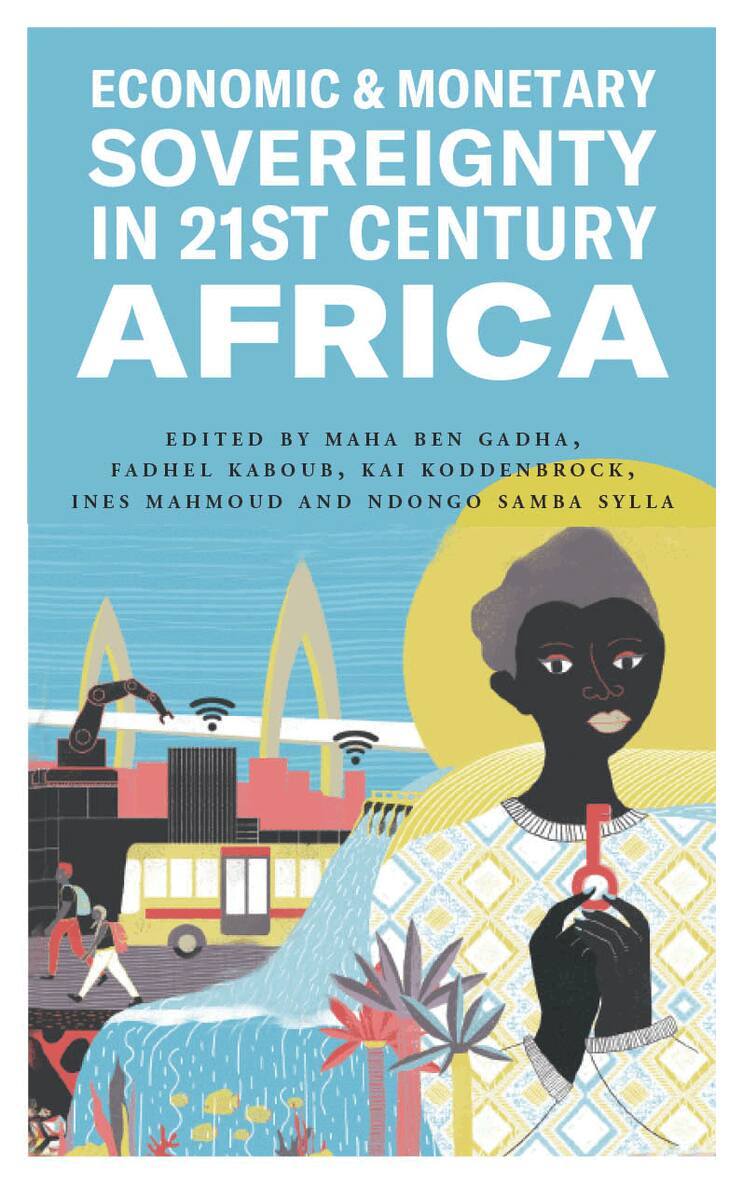
Over forty years after the formal end of colonialism, suffocating ties to Western financial systems continue to prevent African countries from achieving any meaningful monetary sovereignty.
Economic and Monetary Sovereignty in 21st Century Africa traces the recent history of African monetary and financial dependencies, looking at the ways African nations are resisting colonial legacies. Using a comparative, multi-disciplinary approach, this book uncovers what went wrong after the Pan-African approaches that defined the early stages of independence, and how most African economies fell into the firm grip of the IMF, World Bank, and the EU’s strict neoliberal policies.
This collection is the first to offer a wide-ranging, comparative and historical look at how African societies have attempted to increase their policy influence and move beyond neoliberal orthodoxy and US-dollar dependency. Economic and Monetary Sovereignty in 21st Century Africa is essential reading for anyone interested in the African quest for self-determination in a turbulent world of recurring economic and financial crisis.
297 kr
Läs direkt efter köp
‘A remarkable volume on the vicissitudes of the revolutionary left in post-independence Africa’ Issa Shivji, Professor Emeritus at the University of Dar es Salaam
‘Twenty-first-century radicals should find new inspiration for action in this untold history’ Jean Copans, anthropologist and sociologist
‘From the Tubu nomads of northern Chad to peasants, workers and students throughout the African continent, we see how these movements used old and new ideas to mobilize emancipatory struggles for change’ Georges Nzongola-Ntalaja, Professor of African and Global Studies, University of North Carolina at Chapel Hill
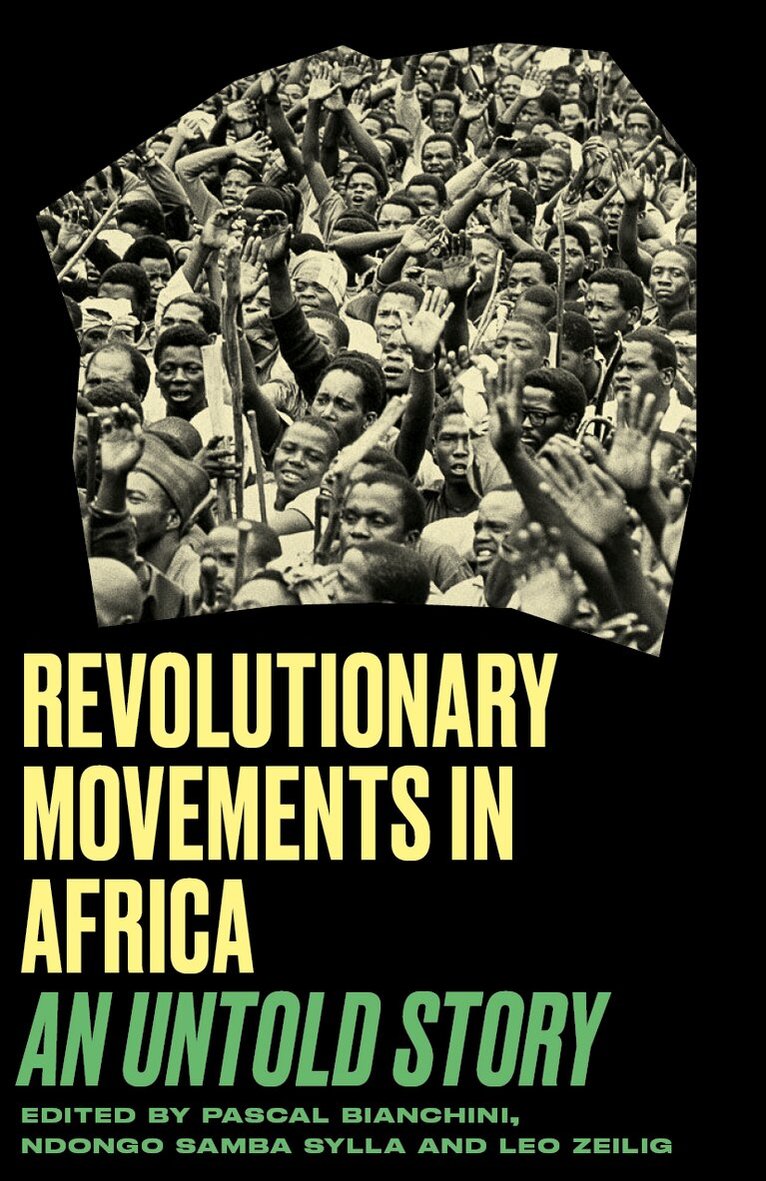
While the revolutionary left of the 1960s and 1970s in Europe, the United States and Latin America have been the subject of abundant discussion, similar movements that emerged in Africa have received comparatively little attention.
Yet Africa’s radical left was extremely active in these years. With pro-Soviet movements, Maoism, Trotskyism, Guevarism, Pan-Africanism and the Black Panthers, the rumble of revolution was felt across the continent. From feminist student rebels in Nigeria to pro-democracy movements in Liberia, the exciting and complex interplay between these many actors changed Africa forever. Can we see echoes of these movements in African politics today? What can we learn from the people who lived through these decades? How can revolutionary struggles on the continent today learn from this rich history? This unique collection will shed new light on Africa’s radical decades for those who are seeking new and important insights into global revolutionary history.
Pascal Bianchini is a sociologist and independent researcher based in Senegal. Ndongo Samba Sylla is a Senegalese development economist and the co-author of Africa’s Last Colonial Currency. Leo Zeilig is an editor of the Review of African Political Economy and is the author of several books including A Revolutionary for Our Time: The Walter Rodney Story.
378 kr
Kommande
4 249 kr
Kommande
193 kr
Skickas inom 3-6 vardagar
269 kr
Skickas inom 5-8 vardagar
149 kr
Läs direkt efter köp
149 kr
Läs direkt efter köp
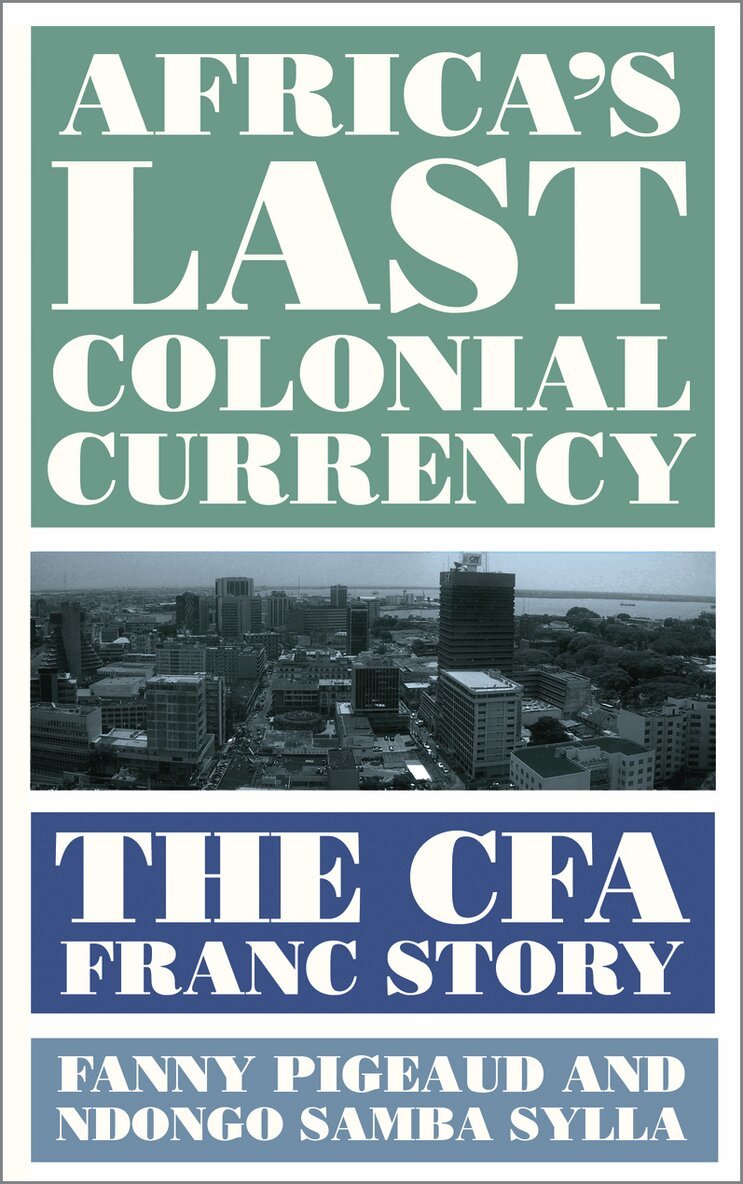
Colonialism persists in many African countries due to the continuation of imperial monetary policy. This is the little-known account of the CFA Franc and economic imperialism.
The CFA Franc was created in 1945, binding fourteen African states and split into two monetary zones. Why did French colonial authorities create it and how does it work? Why was independence not extended to monetary sovereignty for former French colonies? Through an exploration of the genesis of the currency and an examination of how the economic system works, the authors seek to answer these questions and more.
As protests against the colonial currency grow, the need for myth-busting on the CFA Franc is vital and this exposé of colonial infrastructure proves that decolonisation is unfinished business.
1 299 kr
Läs direkt efter köp
The Covid-19 pandemic has brought the nagging issue of the Global South''s debt back into the spotlight. With declining export earnings and tax revenues, many countries in Africa, Latin America and Asia have found themselves objectively unable to service their foreign currency debt. This situation, reminiscent of the international debt crisis of the 1980s and 1990s, is the backdrop of the 38th volume of the Research in Political Economy series edited by Ndongo Samba Sylla.
In Imperialism and the Political Economy of Global South’s Debt, expert contributions connect the history of this issue with a range of factors including class dynamics, the changing landscape of sovereign debt markets, the global liquidity cycle, the enduring constraints of commodity dependence, ecological sustainability and the limitations of the current ad hoc sovereign debt restructuring procedures. In contrast to orthodox accounts that view debt crises in the Global South as a cyclical problem or as consequences of ''mismanagement'' or ''fiscal irresponsibility''. Imperialism and the Political Economy of Global South’s Debt recognises the systemic nature of the Global South’s external debt, revealed only further by the economic uncertainty of the Covid-19 pandemic, as well as the need to analyse it in relation to existing imperialist structures.
Imperialism and the Political Economy of Global South’s Debt
873 kr
Skickas
1 299 kr
Läs direkt efter köp
The Covid-19 pandemic has brought the nagging issue of the Global South''s debt back into the spotlight. With declining export earnings and tax revenues, many countries in Africa, Latin America and Asia have found themselves objectively unable to service their foreign currency debt. This situation, reminiscent of the international debt crisis of the 1980s and 1990s, is the backdrop of the 38th volume of the Research in Political Economy series edited by Ndongo Samba Sylla.
In Imperialism and the Political Economy of Global South’s Debt, expert contributions connect the history of this issue with a range of factors including class dynamics, the changing landscape of sovereign debt markets, the global liquidity cycle, the enduring constraints of commodity dependence, ecological sustainability and the limitations of the current ad hoc sovereign debt restructuring procedures. In contrast to orthodox accounts that view debt crises in the Global South as a cyclical problem or as consequences of ''mismanagement'' or ''fiscal irresponsibility''. Imperialism and the Political Economy of Global South’s Debt recognises the systemic nature of the Global South’s external debt, revealed only further by the economic uncertainty of the Covid-19 pandemic, as well as the need to analyse it in relation to existing imperialist structures.
930 kr
Skickas inom 3-6 vardagar