• Fri frakt över 249 kr
  • •
  • Snabba leveranser
  • •
  • Billiga böcker
Kundservice

Du är på sajten för privatpersoner.

Företag, bibliotek eller offentlig verksamhet?

Du handlar på classic.bokus.com, där alla dina funktioner finns intakta.
Till classic.bokus.com
Bokus logotyp. Gå till startsidan.
  • Erbjudanden
  • Nyheter
  • Student
  • Topplistor
  • Barn & ungdom
  • Bokus Play
  • E-böcker
  • Pocketböcker
  • Spel & pussel

10% rabatt på allt med kod: NYSTART10 →

Sidfot

Mina sidor

    Hjälp

    • Kundservice
    • Vanliga frågor och svar
    • Frakt och leverans
    • Retur vid ångerrätt
    • Reklamera vara
    • Betalning
    • Köpvillkor
    • Allmänna villkor
    • Information om webbplatsens tillgänglighet

    Om Bokus

    • Om oss
    • Pressrum
    • För studenter
    • För företag
    • För bibliotek och offentlig verksamhet
    • För leverantörer
    • Hållbarhet

    Populärt

    • Aktuella erbjudanden
    • Presentkort
    • Studentlitteratur
    • Nya böcker
    • Topplistor
    • Signerade böcker
    • Engelska böcker

    Inspiration

    • Boktips
    • BookTok
    • Populära bokserier
    • Barnbokskaraktärer
    • Populära författare
    Logotyp för Bokus
    Följ oss på Facebook (extern länk)Följ oss på Instagram (extern länk)Följ oss på YouTube (extern länk)Följ oss på TikTok (extern länk)
    bokus @ CookiesAnpassa cookiesIntegritetspolicyKöpvillkor
    Till Citymail hemsida (extern länk)Till Budbee hemsida (extern länk)Till Postnord hemsida (extern länk)Till Schenker hemsida (extern länk)Till Early Bird hemsida (extern länk)Till Walleys hemsida (extern länk)
    1. Historia och arkeologi
    2. Historia
    3. Historia: särskilda händelser och ämnen
    4. Kolonialism och imperialism

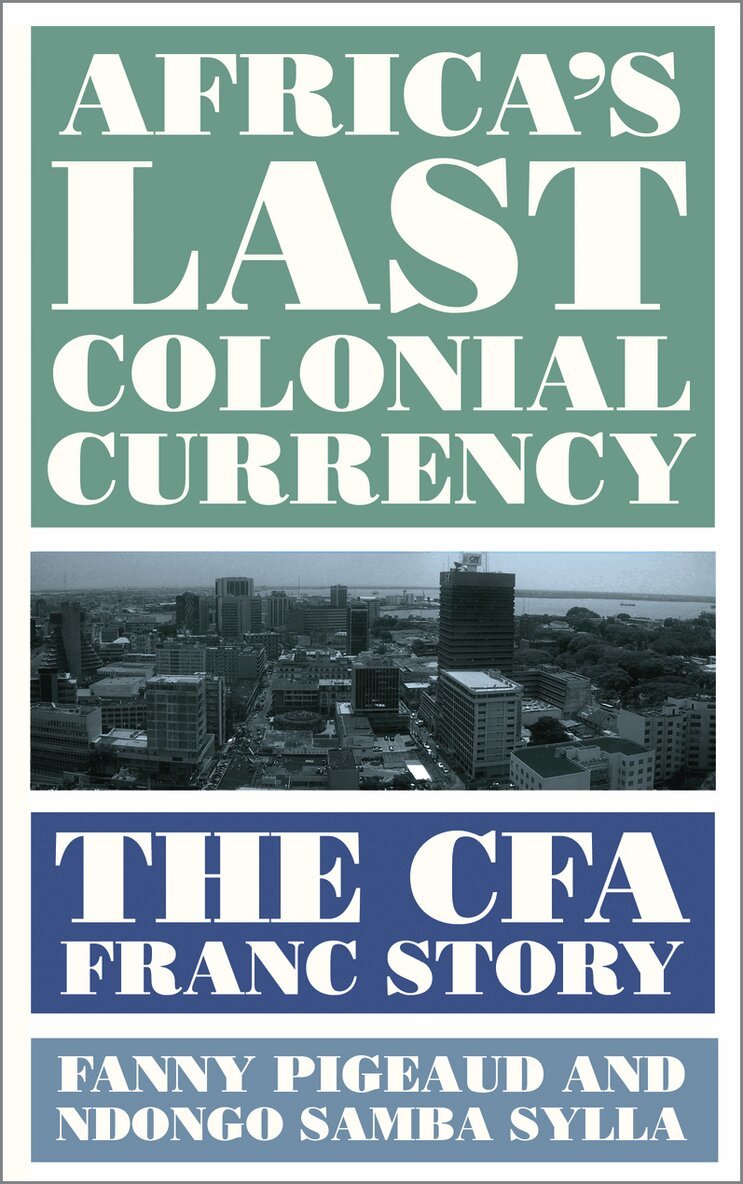
    Africa's Last Colonial Currency

    The CFA Franc Story

    AvFanny Pigeaud,Ndongo Samba Sylla

    Häftad, Engelska, 2021

    246 kr

    Beställningsvara. Skickas inom 5-8 vardagar. Fri frakt över 249 kr.

    Fler format och utgåvor

    Inbunden

    926 kr

    Beskrivning

    Colonialism persists in many African countries due to the continuation of imperial monetary policy. This is the little-known account of the CFA Franc and economic imperialism.The CFA Franc was created in 1945, binding fourteen African states and split into two monetary zones. Why did French colonial authorities create it and how does it work? Why was independence not extended to monetary sovereignty for former French colonies? Through an exploration of the genesis of the currency and an examination of how the economic system works, the authors seek to answer these questions and more.As protests against the colonial currency grow, the need for myth-busting on the CFA Franc is vital and this exposé of colonial infrastructure proves that decolonisation is unfinished business.

    Produktinformation

    • Utgivningsdatum:2021-02-20
    • Mått:137 x 213 x 13 mm
    • Vikt:272 g
    • Format:Häftad
    • Språk:Engelska
    • Antal sidor:192
    • Förlag:Pluto Press
    • Medarbetare:William Mitchell
    • ISBN:9780745341798
    • Översättare:Thomas Fazi

    Utforska kategorier

    • Kolonialism och imperialism inom Historia och arkeologi
    • Ekonomisk historia inom Ekonomi och Ledarskap
    • Afrikas historia inom Historia och arkeologi

    Mer om författaren

    Fanny Pigeaud is a journalist and the author of a number of books, including A Decade of Cameroon (Brill, 2019).Ndongo Samba Sylla is a Research and Programme Manager for the Rosa Luxemburg Foundation. He is the author of The Fair Trade Scandal (Pluto, 2014).

    Recensioner i media

    'For decades, the CFA Franc question has been, for the elite of Francophone Africa, more than a mere taboo subject, a sort of shameful wound. Tongues are starting to loosen, and this book comes at a perfect time'

    Innehållsförteckning

    • Foreword by William F. Mitchell Map Introduction1. A Currency at the Service of the ‘Colonial Pact’ 2. The CFA System3. Resistance and Reprisal4. France in Command5. At the Service of the Françafrique 6. An Obstacle to Development 7. An Unsustainable Status Quo Epilogue Postface Notes Index