Ned Williams – författare
Visar alla böcker från författaren Ned Williams. Handla med fri frakt och snabb leverans.
8 produkter
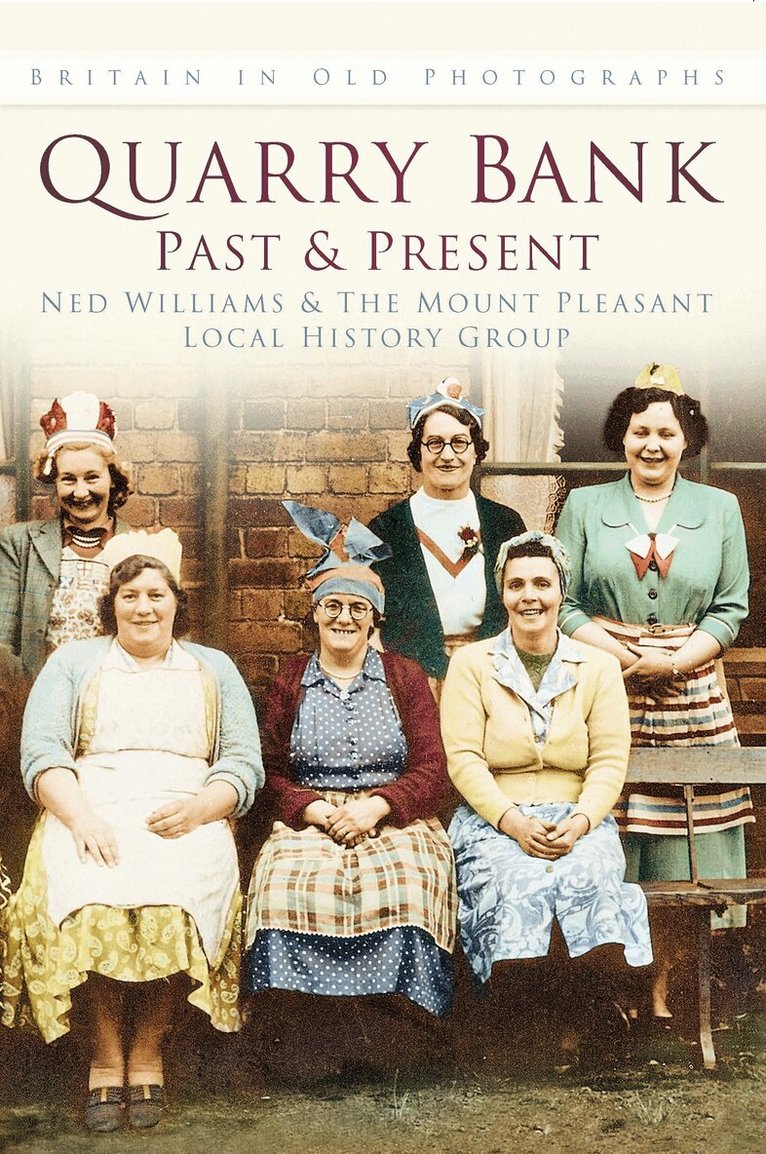
Quarry Bank Past and Present
Britain In Old Photographs
Av Ned Williams, The Mount Pleasant Local History Group
Häftad, 2003
189 kr
Lägg i varukorg
Quarry Bank Past & Present is the second book produced by The History Press devoted to the recent history of this Black Country township. Two hundred and fifty pictures bring you a glimpse of the many diverse facets of life in Quarry Bank. It may be a small place, but everything within its …
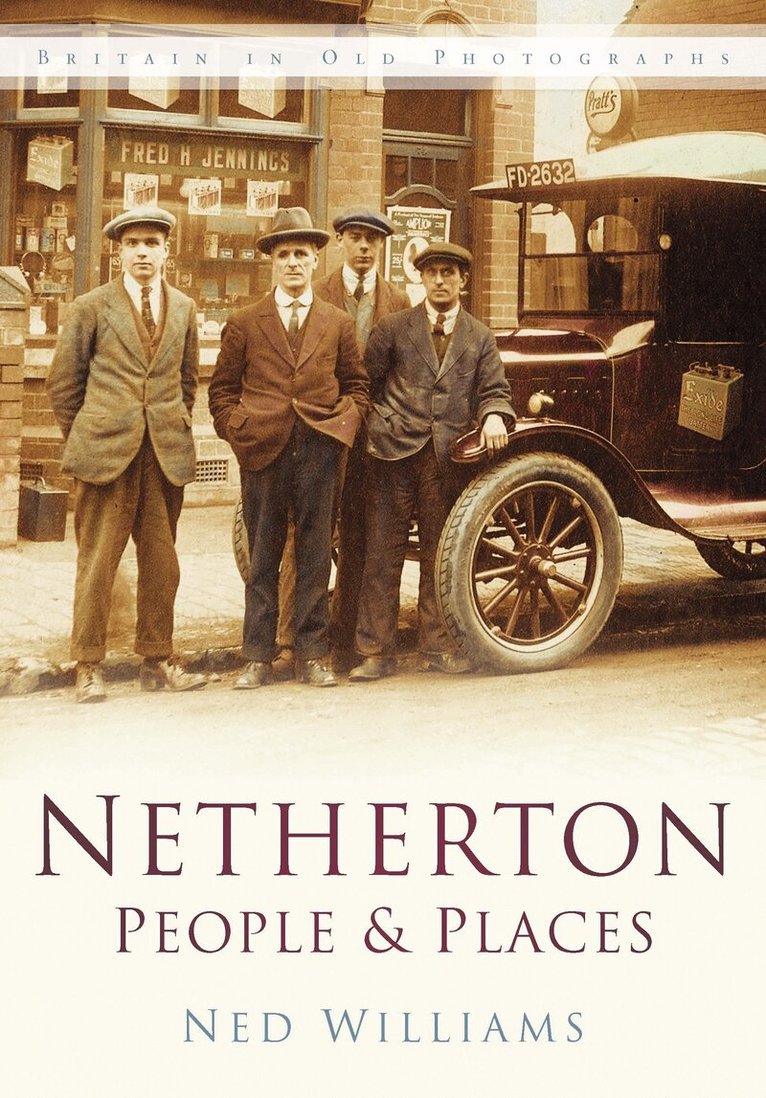
Netherton: People and Places
Britain in Old Photographs
Av Ned Williams
Häftad, 2008
185 kr
Lägg i varukorg
For years Netherton has lived in the shadow of Dudley, of which it is a part. However, this book shows that Netherton was a remarkably complete community in its own right – even though this was never recognised by the organisation of local government. Every ingredient of Black Country history was …
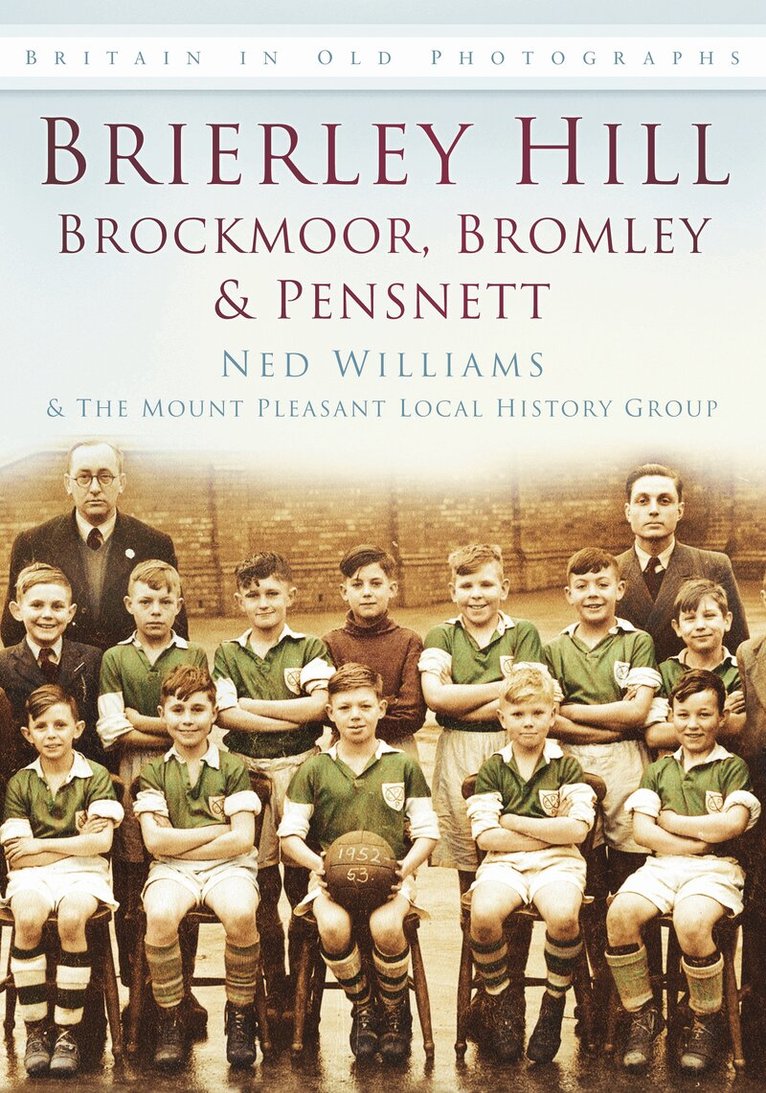
Brierley Hill, Brockmoor, Bromley and Pensnett
Britain in Old Photographs
Av Ned Williams, The Mount Pleasant Local History Group
Häftad, 2010
189 kr
Lägg i varukorg
Brierley Hill is one of the heavily industrialised towns that make up the region known as the Black Country. Like many such towns it can easily be divided into many smaller communities that, while being part of Brierley Hill, have quite an independent existence and identity of their own.This book …
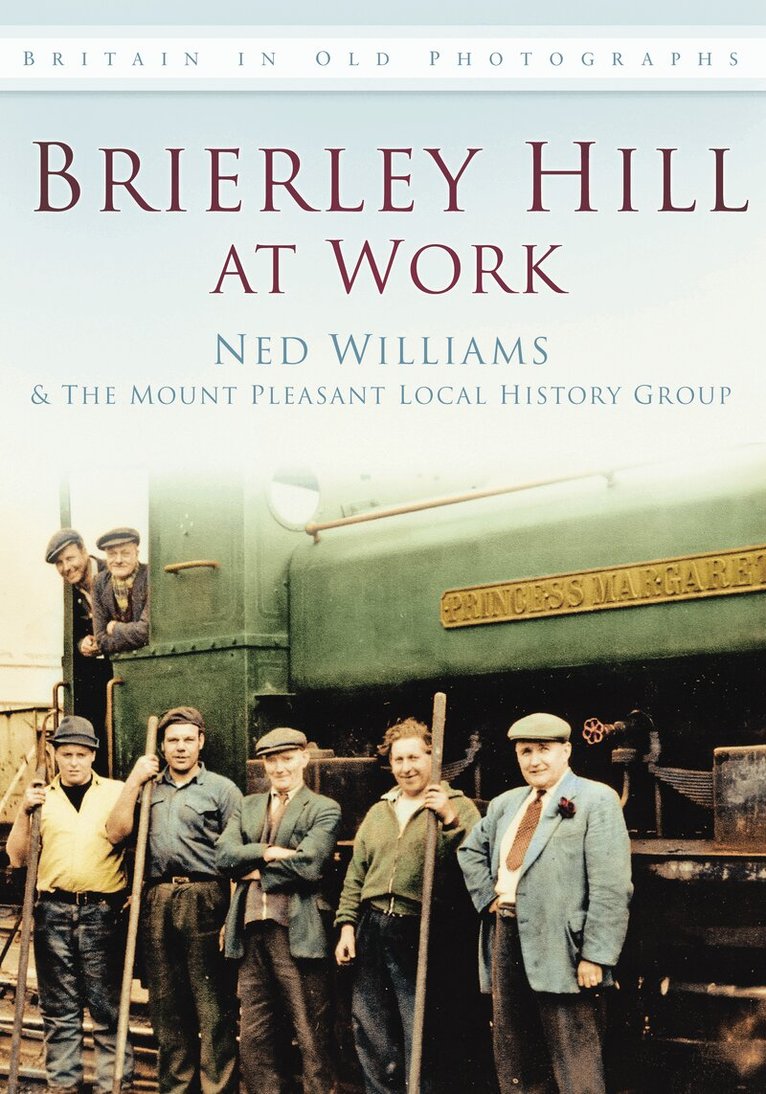
Brierley Hill at Work
Britain in Old Photographs
Av Ned Williams, The Mount Pleasant Local History Group
Häftad, 2012
189 kr
Lägg i varukorg
Brierley Hill was one of those Black Country towns which was identified by the work that went on within its boundaries. Everyone knows that Brierley Hill made steel and sausages and fine pieces of glassware. These activities are now in the past but the memory of such work lingers on while the town …
Quarry Bank in Old Photographs
Av Ned Williams
Häftad, 2001
121 kr
Tillfälligt slut
A selection of photographs drawn from family albums, local collections and professional photographers, spanning from the late nineteenth and early twentieth centuries. Each one is captioned, named and dated where possible giving an insight into the way things were, to how they have changed.
Black Country Railways
Av Ned Williams
Häftad, 2009
157 kr
Tillfälligt slut
Black Country Society member and local transport enthusiast Ned Williams has assembled over 200 photographs, which bring to life the railways of the Black Country and the landscape that they traversed. Here are the express trains on the ex-LMS and GWR mainlines of the region, the local passenger …