The Mount Pleasant Local History Group – författare
Visar alla böcker från författaren The Mount Pleasant Local History Group. Handla med fri frakt och snabb leverans.
2 produkter
2 produkter
Häftad, Engelska, 2010
178 kr
Skickas
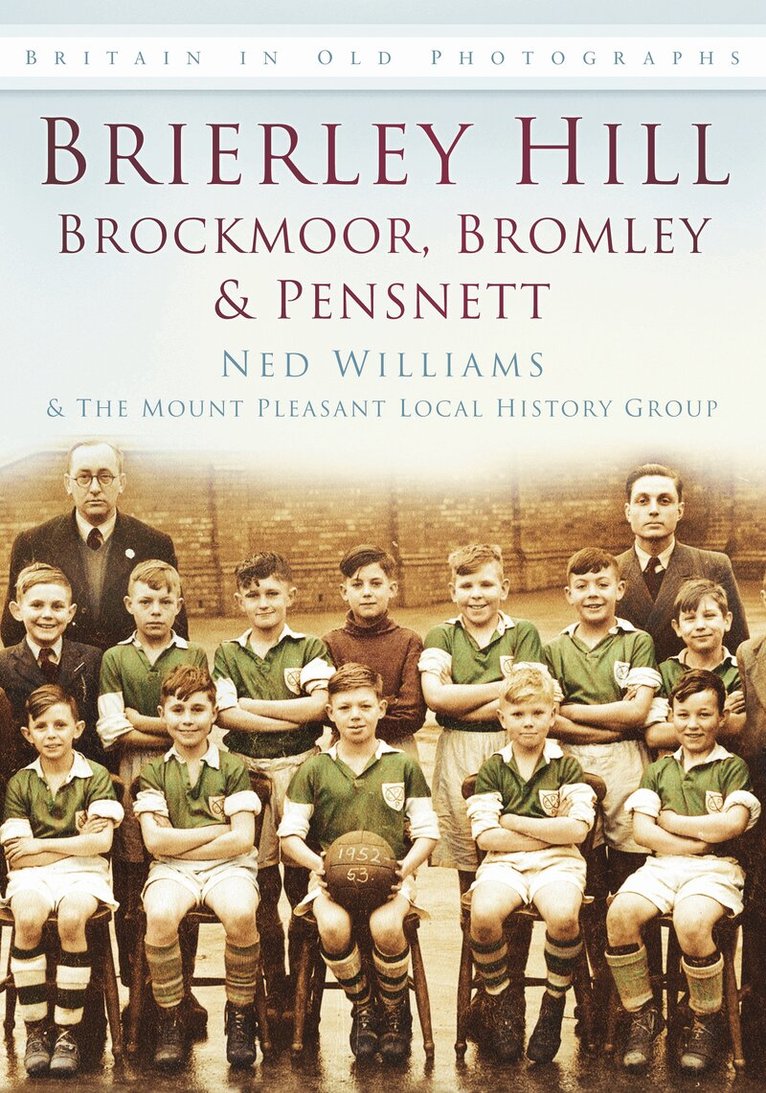
Brierley Hill is one of the heavily industrialised towns that make up the region known as the Black Country. Like many such towns it can easily be divided into many smaller communities that, while being part of Brierley Hill, have quite an independent existence and identity of their own.This book sets out on a journey across Brierley Hill that begins at the parish church and ends at one of the principal crossroads in the town centre, and then we make our way around the satellite communities of Brockmoor, Bromley and Pensnett. We find ourselves in a world that was dominated by many local pits where coal and fireclay were extracted, much of this coal being used in the manufacture of iron. When steel came along, Brierley Hill became the home to a large and important steelworks at Round Oak. Other companies came into the area to manufacture products using steel and some became very large local employers and integral parts of the community. Large scale industry and mining may have gone but the communities they spawned survive and this books provides a glimpse of the shops, pubs, schools, chapels and churches and other facilities that once made each ‘village’ so self-sufficient, intertwined with their railways and canals of industry.With over 200 historic and fascinating photographs, this book is a must-have for locals and visitors alike, capturing Brierley Hill as it used to be and how it has been shaped into the place that it is today.
Häftad, Engelska, 2012
178 kr
Skickas
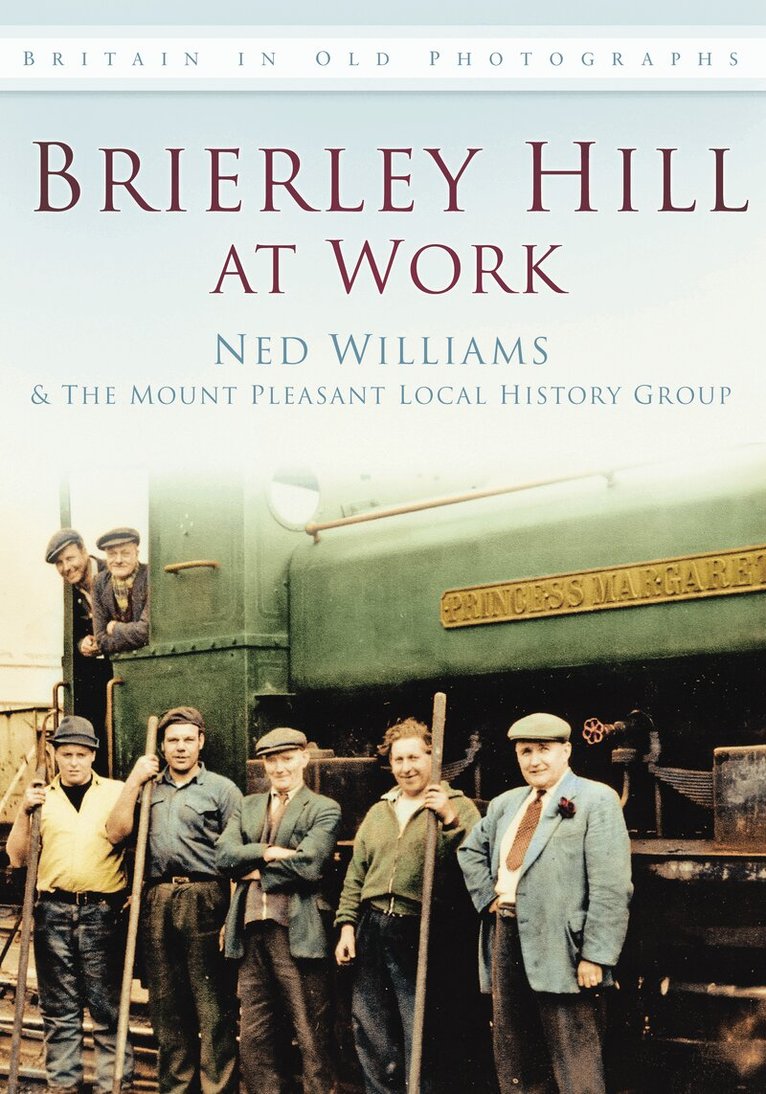
Brierley Hill was one of those Black Country towns which was identified by the work that went on within its boundaries. Everyone knows that Brierley Hill made steel and sausages and fine pieces of glassware. These activities are now in the past but the memory of such work lingers on while the town wrestles with the problems of regeneration. This book pays plenty of attention to steel, pork products and glass, but also provides a glimpse of the many other aspects of work that have made Brierley Hill such a busy place. People worked in local government and in public sector work which maintained the life of the town, while others worked in retailing and in the provision of transport. While looking at the world of work in Brierley Hill we have taken account of the many types of employment that were to be found in its satellites: the hollow-ware industry of Quarry Bank, the brick-making that went on in The Delph, Silver End and Pensnett, the iron trades in Brockmoor and Harts Hill, and the work on the infrastructure that served all these places. The arrival of the Merry Hill Shopping Centre on Brierley Hill’s doorstep has given retailing a new dominance in terms of providing local employment, but the picture of work in the twenty-first century is still emerging. Who knows what will bring Brierley Hill fame and fortune in the future?