Nessa Leibhammer – författare
Visar alla böcker från författaren Nessa Leibhammer. Handla med fri frakt och snabb leverans.
4 produkter
4 produkter
487 kr
Skickas inom 11-20 vardagar
The pernicious combination of tribe and tradition continues to tether modern South Africans to ideas about the region’s remote past as primitive, timeless and unchanging. Any hunger for knowledge or understanding of the past before European colonialism thus remains to a significant degree unsated, even denied, in the face of a narrowly prescribed archive and repugnant, but insidiously resilient stereotypes.These volumes track how the domain of the tribal and traditional was marked out and came to be sharply distinguished from modernity, how it was denied a changing history and an archive and was endowed instead with a timeless culture. These volumes also offer strategies for engaging with the materials differently – from the interventions effected in contemporary artworks to the inserting of nameless, timeless objects of material culture into histories of individualised and politicised experience.The central proposition of these volumes is to make the marooned archive of material culture more visible and more available for consideration as an archival resource than it is currently. They also seek to spring the identity trap, releasing the material from pre-assigned identity positions as tribal into settings that enable them to be used as resources for thinking critically about identity in the long past and in the present.
474 kr
Tillfälligt slut
The pernicious combination of tribe and tradition continues to tether modern South Africans to ideas about the region’s remote past as primitive, timeless and unchanging. Any hunger for knowledge or understanding of the past before European colonialism thus remains to a significant degree unsated, even denied, in the face of a narrowly prescribed archive and repugnant, but insidiously resilient stereotypes.These volumes track how the domain of the tribal and traditional was marked out and came to be sharply distinguished from modernity, how it was denied a changing history and an archive and was endowed instead with a timeless culture. These volumes also offer strategies for engaging with the materials differently – from the interventions effected in contemporary artworks to the inserting of nameless, timeless objects of material culture into histories of individualised and politicised experience.The central proposition of these volumes is to make the marooned archive of material culture more visible and more available for consideration as an archival resource than it is currently. They also seek to spring the identity trap, releasing the material from pre-assigned identity positions as tribal into settings that enable them to be used as resources for thinking critically about identity in the long past and in the present.
876 kr
Skickas inom 11-20 vardagar
The pernicious combination of tribe and tradition continues to tether modern South Africans to ideas about the region’s remote past as primitive, timeless and unchanging. Any hunger for knowledge or understanding of the past before European colonialism thus remains to a significant degree unsated, even denied, in the face of a narrowly prescribed archive and repugnant, but insidiously resilient stereotypes.These volumes track how the domain of the tribal and traditional was marked out and came to be sharply distinguished from modernity, how it was denied a changing history and an archive and was endowed instead with a timeless culture. These volumes also offer strategies for engaging with the materials differently – from the interventions effected in contemporary artworks to the inserting of nameless, timeless objects of material culture into histories of individualised and politicised experience.The central proposition of these volumes is to make the marooned archive of material culture more visible and more available for consideration as an archival resource than it is currently. They also seek to spring the identity trap, releasing the material from pre-assigned identity positions as tribal into settings that enable them to be used as resources for thinking critically about identity in the long past and in the present.
1 501 kr
Kommande
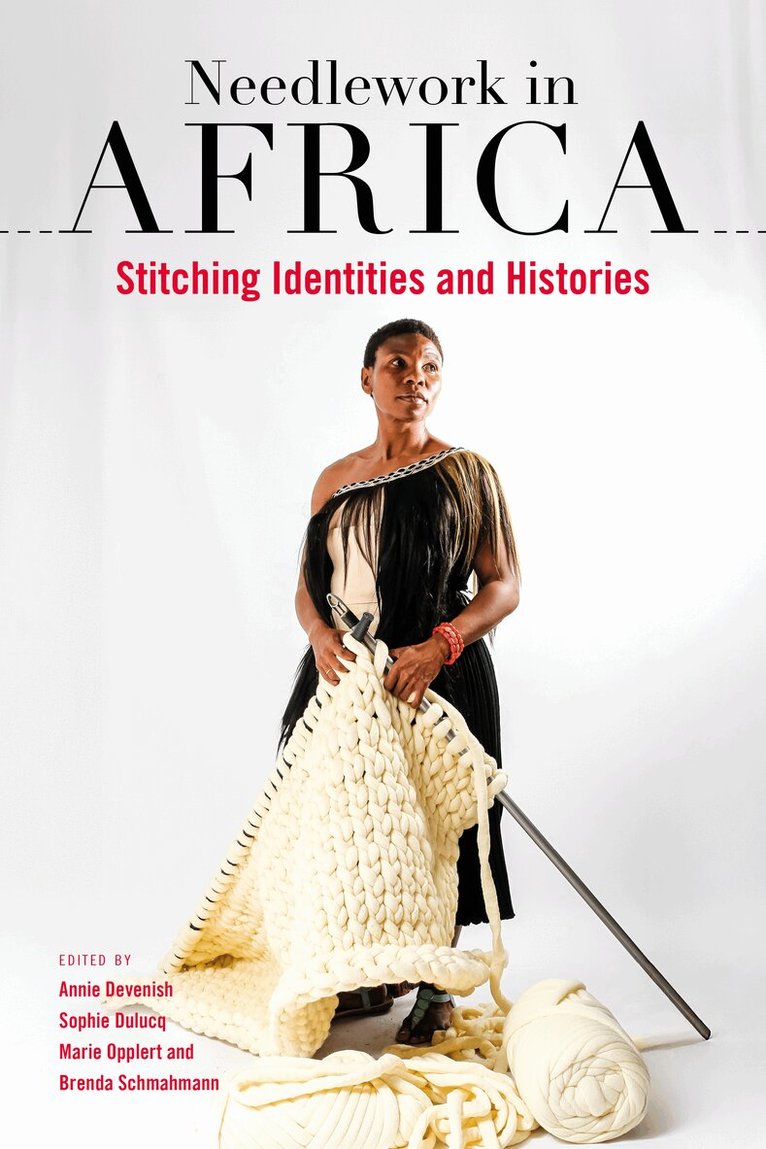
This beautifully crafted book explores needlework; encompassing sewing, embroidery, weaving, quilting, tattooing and more; as a lens for understanding gendered and marginalised histories and identities. Through case studies from across Africa, it highlights the work of fashion designers, weavers, seamstresses, LGBTQI activists, and artists. Their work reveals how needlework shapes and challenges identities, gender roles, and social structures, offering a platform for self-expression and historical storytelling. This collection also shows how embroidery, specifically, has enabled economic agency.Far from trivial, needlework serves as an alternative archive, uncovering voices often sidelined. The book examines how practices like beadwork, tapestry, and crochet reflect complex ideas of gender, identity, and belonging in African contexts. Each chapter illustrates how these crafts empower makers to tell their stories, blending artistry with cultural and historical significance.With striking visuals, this volume invites readers to see needlework anew; not as mere craft, but as a vital tool for documenting and reimagining history. It challenges assumptions about its importance, showing how these everyday acts of creation amplify marginalized perspectives. Needlework in Africa is an engaging read for those interested in how textiles and craftsmanship weave powerful narratives of identity and resilience.