Ngambouk Vitalis Pemunta - Böcker
Visar alla böcker från författaren Ngambouk Vitalis Pemunta. Handla med fri frakt och snabb leverans.
3 produkter
3 produkter
Del 6 - Beyond the Social Sciences
Concurrences in Postcolonial Research
Perspectives, Methodologies, and Engagements
Häftad, Engelska, 2018
907 kr
Skickas inom 5-8 vardagar
Del 51 - International Comparative Social Studies
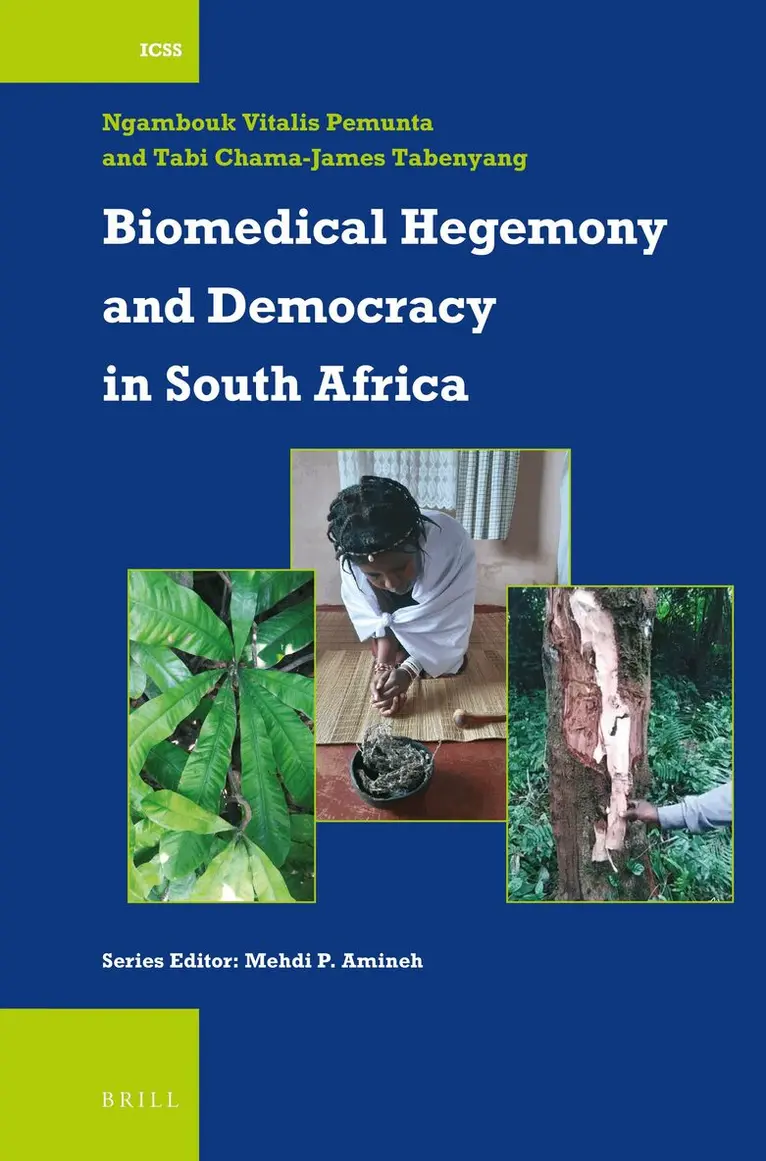
Biomedical Hegemony and Democracy in South Africa
Inbunden, Engelska, 2020
2 389 kr
Skickas inom 5-8 vardagar
In Biomedical Hegemony and Democracy in South Africa Ngambouk Vitalis Pemunta and Tabi Chama-James Tabenyang unpack the contentious South African government’s post-apartheid policy framework of the ‘‘return to tradition policy’’. The conjuncture between deep sociopolitical crises, witchcraft, the ravaging HIV/AIDS pandemic and the government’s initial reluctance to adopt antiretroviral therapy turned away desperate HIV/AIDS patients to traditional healers.Drawing on historical sources, policy documents and ethnographic interviews, Pemunta and Tabenyang convincingly demonstrate that despite biomedical hegemony, patients and members of their therapy-seeking group often shuttle between modern and traditional medicine, thereby making both systems of healthcare complementary rather than alternatives. They draw the attention of policy-makers to the need to be aware of ‘‘subaltern health narratives’’ in designing health policy.
Del 51 - International Comparative Social Studies
Biomedical Hegemony and Democracy in South Africa
Häftad, Engelska, 2023
1 074 kr
Skickas inom 5-8 vardagar
In Biomedical Hegemony and Democracy in South Africa Ngambouk Vitalis Pemunta and Tabi Chama-James Tabenyang unpack the contentious South African government’s post-apartheid policy framework of the ‘‘return to tradition policy’’. The conjuncture between deep sociopolitical crises, witchcraft, the ravaging HIV/AIDS pandemic and the government’s initial reluctance to adopt antiretroviral therapy turned away desperate HIV/AIDS patients to traditional healers.Drawing on historical sources, policy documents and ethnographic interviews, Pemunta and Tabenyang convincingly demonstrate that despite biomedical hegemony, patients and members of their therapy-seeking group often shuttle between modern and traditional medicine, thereby making both systems of healthcare complementary rather than alternatives. They draw the attention of policy-makers to the need to be aware of ‘‘subaltern health narratives’’ in designing health policy.