Nick Corble – Författare
Visar alla böcker från författaren Nick Corble. Handla med fri frakt och snabb leverans.
5 produkter
5 produkter
189 kr
Skickas
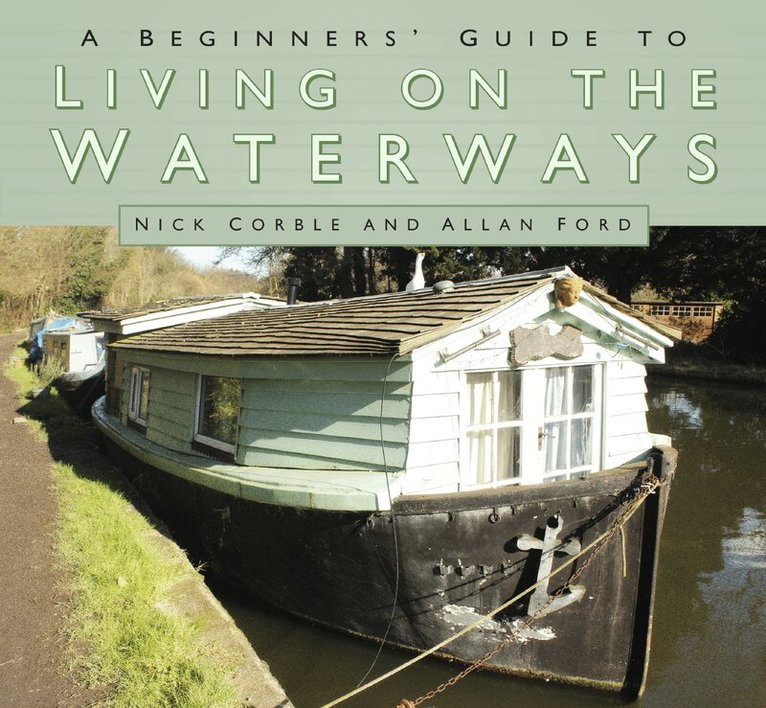
An estimated 15,000 people live on board boats in the UK and at any one time thousands more are interested in doing so. The aim of this beautifully illustrated guide is to help people live the dream and not the nightmare, providing a useful step by step introduction to the basics of making a life afloat. Fully updated this new edition of A Beginners' Guide to Living on the Waterways covers different types of liveaboard craft suitable for canals, rivers and estuaries, and the good and bad points of the different options. It goes on to discuss practicalities such as moorings, engines (including basic maintenance and fault finding), heating and cooking, sanitation, furnishing a boat, survival tips and finances. This is a must-have guide for all those considering the alternative way of living that a boat offers, as well as those who are already there!
154 kr
Tillfälligt slut
The Kennet and Avon comprises three waterways, the Kennet Navigation from Newbury to Reading, the Avon Navigation from Bristol to Bath, and man-made middle section linking Bath with Newbury. This guide concentrates on the route from Reading to Bath, taking in Newbury, Hungerford, and Devizes and villages, such as Kintbury and Wootton Rivers.
117 kr
Tillfälligt slut
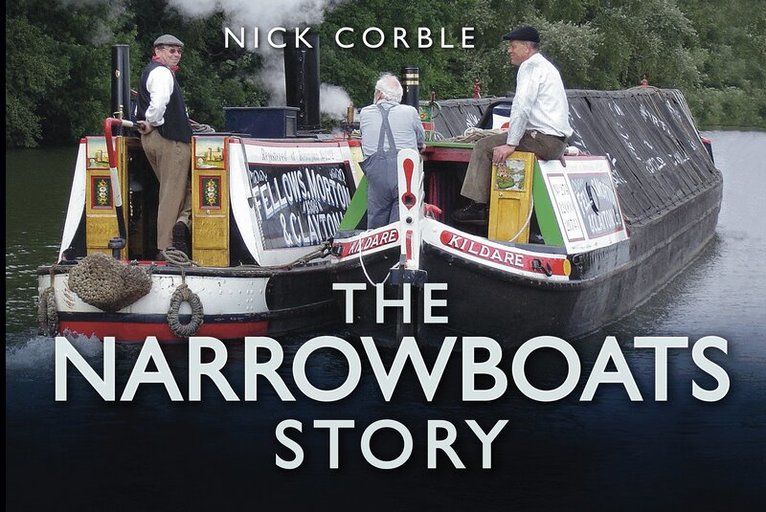
Bright and colourful, slow and easy, narrowboats are seen today as the epitome of a peaceful life and a wonderful way to get away from the stresses of modern living. Although true, this is a far cry from their origins as the workhorses of the early days of industrial revolution, without which Britain may never have developed as far and fast as it did. Packed with colourful illustrations and little known snippets of information, this entertaining and informative guide retraces the story of how narrowboats have evolved, how their very existence was once challenged and how they have risen phoenix-like into the holiday craft of today. Nick Corble is a renowned canal expert and has written a number of books on the waterways for The History Press, including James Brindley: The First Canal Builder and Living Aboard, the definitive guide for anyone contemplating making a life afloat.
221 kr
Tillfälligt slut
The Indian Scout motorcycle is the favoured mount for Wall of Death riders all over the world. Drawing upon modern and archive material, Wall of Death owner and rider Allan Ford and author Nick Corble explore the reasons behind this relationship and bring the story of the Wall up to date, including behind the scene details of the latest Wall of Death speed record achieved by Guy Martin. It’s a story that spans more than a century, starting with experiments with motorised bicycles in the 1890s, passing through two world wars and ending by looking to a future where Indians continue to be restored and ridden on the Wall.As this book makes clear, the relationship between Indians and the Wall of Death is one that will never be broken. As Sammy Pierce, at one time the world’s largest Indian motorcycle dealer once put it:You can’t wear out an Indian Scout,Or its brother the Indian Chief.They’re built like rocks to stand hard knocks,It’s the Harleys that cause the grief.
173 kr
Skickas inom 11-20 vardagar
Travelling fairs hold a special place in English history and traditions. Once or twice a year local towns and villages are overwhelmed with a cacophony of sounds, sights and smells, bringing magic and excitement into peoples’ lives before, all too quickly, moving on. The transient nature of travelling fairs is part of their magic, and an integral part of that magic is the transport that carries the people and the rides. More than just vehicles however, fairground transport is often an integral part of the show, acting as homes for the showmen, a way of generating power and even converting into parts of the rides themselves. In short, they are part of the way of life.This book looks at the history of the travelling fair through its transport, beginning with how it has evolved from what a performer could carry on their back and simple horse-drawn caravans, through to steam-powered traction engines and war surplus petrol and electric vehicles, finally bringing the story up to date with today’s mega lorries and cranes.