Nigel Simmonds - Böcker
Visar alla böcker från författaren Nigel Simmonds. Handla med fri frakt och snabb leverans.
4 produkter
4 produkter
439 kr
Skickas
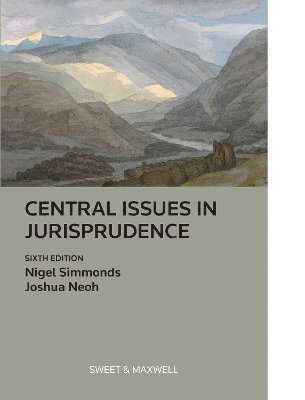
Central Issues in Jurisprudence is a clear introduction to the major theories and arguments which currently dominate discussion in jurisprudence. The work enables students to read the original writers with a real understanding of how the theories relate to each other, and how these theories cluster around certain fundamental issues. Combining lucid exposition with commentary, the author provides a penetrating analysis of each theory examined, and a deep understanding of the problems addressed.
764 kr
Skickas inom 5-8 vardagar
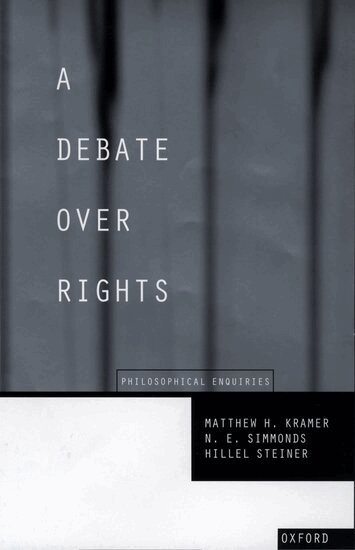
The authors of this volume engage in essay form in a lively debate over the fundamental characteristics of legal and moral rights. Each author considers whether rights essentially protect individuals' interests or whether they instead essentially enable individuals to make choices. The book addresses many questions including: What are the necessary and sufficient conditions for the existence of a right? What is the connection between the existence and the enforcement of a right (i.e., between rights and remedies)? Does the identification of rights inevitably involve value judgements? To what extent can rights be in conflict? The answers to these and related questions can illuminatingly clarify, though not finally resolve, some of the present-day controversies over abortion, euthanasia, and animal rights. Anyone interested in the basic nature of rights and other entitlements will profit from reading this book.
1 147 kr
Skickas inom 5-8 vardagar
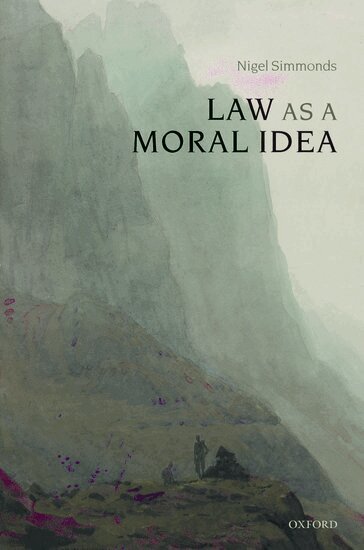
This book argues that the institutions of law, and the structures of legal thought, are to be understood by reference to a moral ideal. The idea of law is an ideal of freedom, or independence from the power of others. The moral value and justificatory force of law are not contingent upon circumstance, but intrinsic to its character as law. Doctrinal legal arguments are shaped by rival conceptions of the conditions for realisation of the idea of law.In making these claims, the author rejects the viewpoint of much contemporary legal theory, and seeks to move jurisprudence closer to an older tradition of philosophical reflection upon law, exemplified by Hobbes and Kant. Modern analytical jurisprudence has tended to view these older philosophies as confused precisely in so far as they equate an understanding of law's nature with a revelation of its moral basis. According to most contemporary legal theorists, the understanding and analysis of existing institutions is quite distinct from any enterprise of moral reflection. But the relationship between ideals and practices is much more intimate than this approach would suggest. Some institutions can be properly understood only when they are viewed as imperfect attempts to realise moral or political ideals; and some ideals can be conceived only by reference to their expression in institutions.
555 kr
Skickas inom 5-8 vardagar
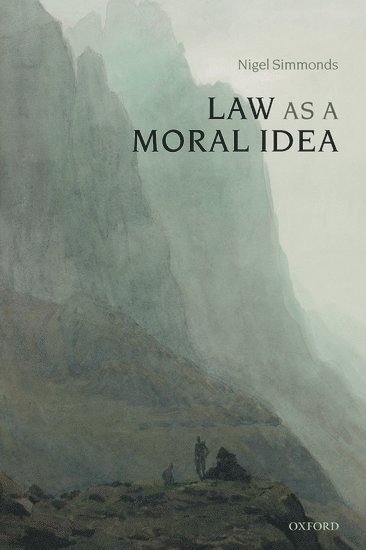
This book argues that the institutions of law, and the structures of legal thought, are to be understood by reference to a moral ideal. The idea of law is an ideal of freedom, or independence from the power of others. The moral value and justificatory force of law are not contingent upon circumstance, but intrinsic to its character as law. Doctrinal legal arguments are shaped by rival conceptions of the conditions for realisation of the idea of law. In making these claims, the author rejects the viewpoint of much contemporary legal theory, and seeks to move jurisprudence closer to an older tradition of philosophical reflection upon law, exemplified by Hobbes and Kant. Modern analytical jurisprudence has tended to view these older philosophies as confused precisely in so far as they equate an understanding of law's nature with a revelation of its moral basis. According to most contemporary legal theorists, the understanding and analysis of existing institutions is quite distinct from any enterprise of moral reflection. But the relationship between ideals and practices is much more intimate than this approach would suggest. Some institutions can be properly understood only when they are viewed as imperfect attempts to realise moral or political ideals; and some ideals can be conceived only by reference to their expression in institutions.