Nikole Hannah-Jones – författare
Visar alla böcker från författaren Nikole Hannah-Jones. Handla med fri frakt och snabb leverans.
15 produkter
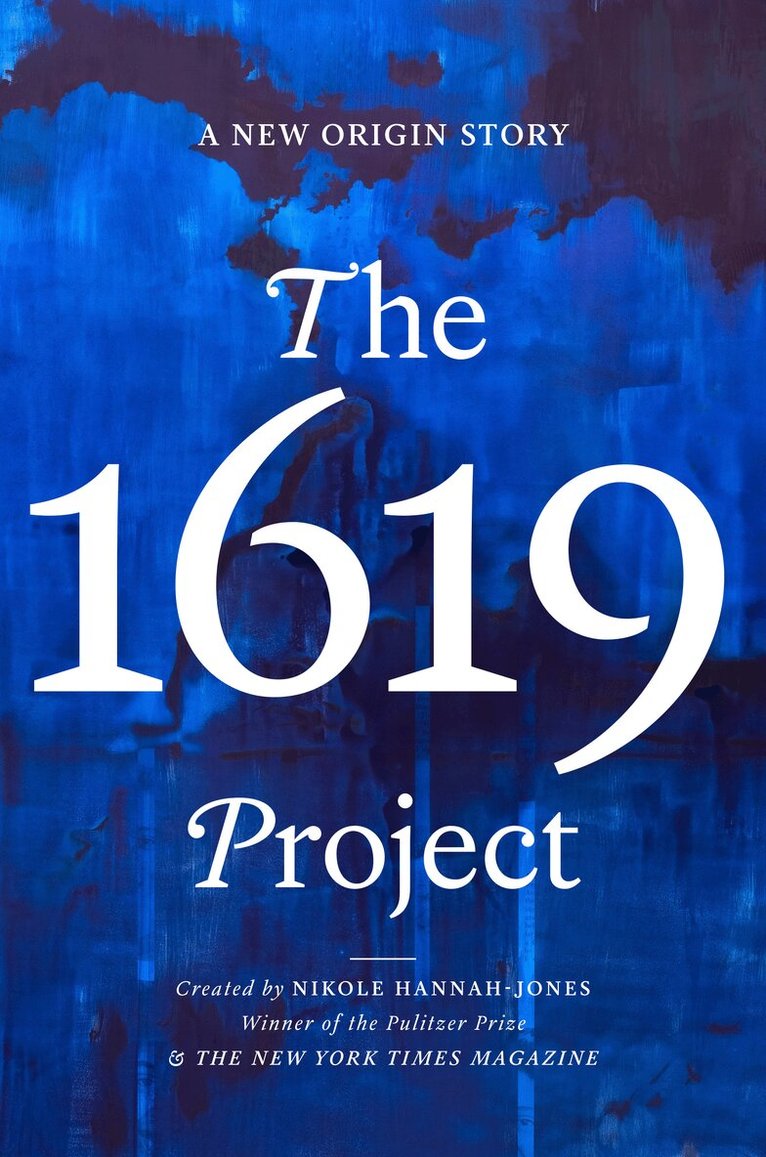
The 1619 Project
A New Origin Story
Av Nikole Hannah-Jones, Caitlin Roper
Häftad, 2024
149 kr
Tillfälligt slut
#1 NEW YORK TIMES BESTSELLER • NAACP IMAGE AWARD WINNER • A dramatic expansion of a groundbreaking work of journalism, The 1619 Project: A New Origin Story offers a profoundly revealing vision of the American past and present. “[A] groundbreaking compendium . . . bracing and urgent . . . This …
1619 Project
A New Origin Story
Av Nikole Hannah-Jones, New York Times Magazine m. fl.
Inbunden, 2021
385 kr
Lägg i varukorg
#1 NEW YORK TIMES BESTSELLER • NAACP IMAGE AWARD WINNER • A dramatic expansion of a groundbreaking work of journalism, The 1619 Project: A New Origin Story offers a profoundly revealing vision of the American past and present. “[A] groundbreaking compendium . . . bracing and urgent . . . This …
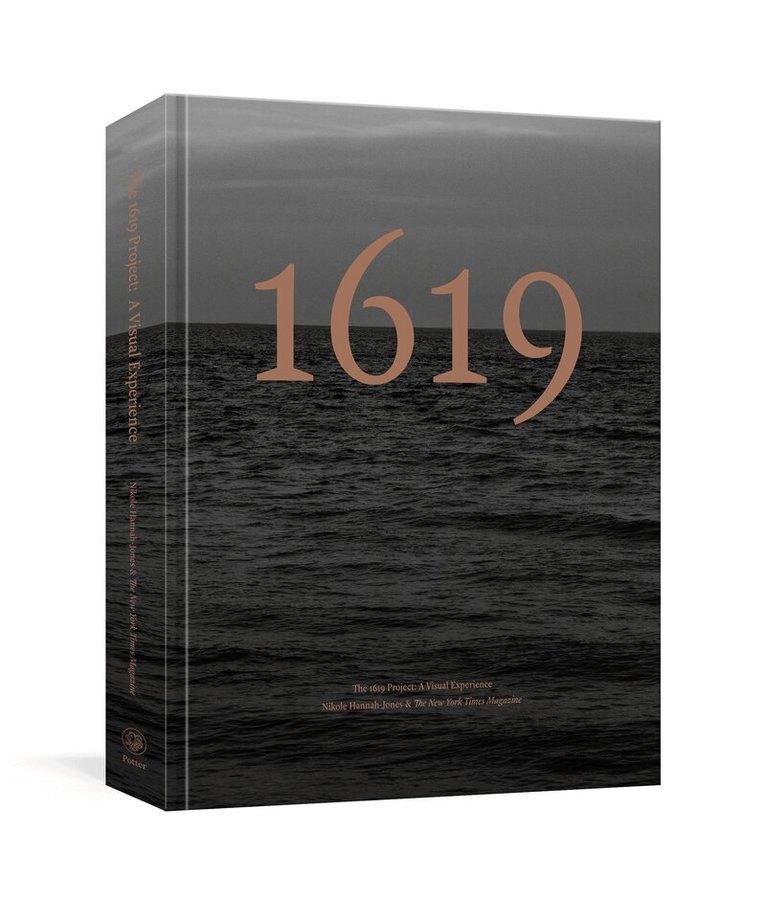
1619 Project: A Visual Experience
Av Nikole Hannah-Jones, New York Times Magazine
Inbunden, 2024
606 kr
Lägg i varukorg
An illustrated edition of The 1619 Project , with newly commissioned artwork and archival images, The New York Times Magazine ’s award-winning reframing of the American founding and its contemporary echoes, placing slavery and resistance at the center of the American story. Here, in these pages, …
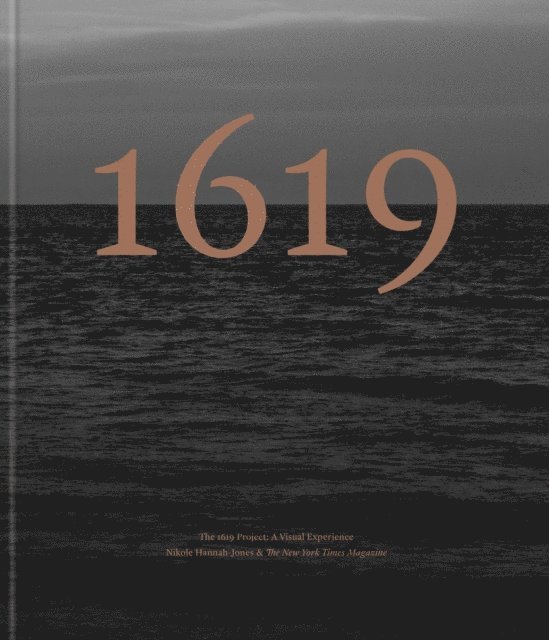
1619 Project: A Visual Experience
Av The New York Times Magazine, Nikole Hannah-Jones
E-bok, 2024
294 kr
Lägg i varukorg
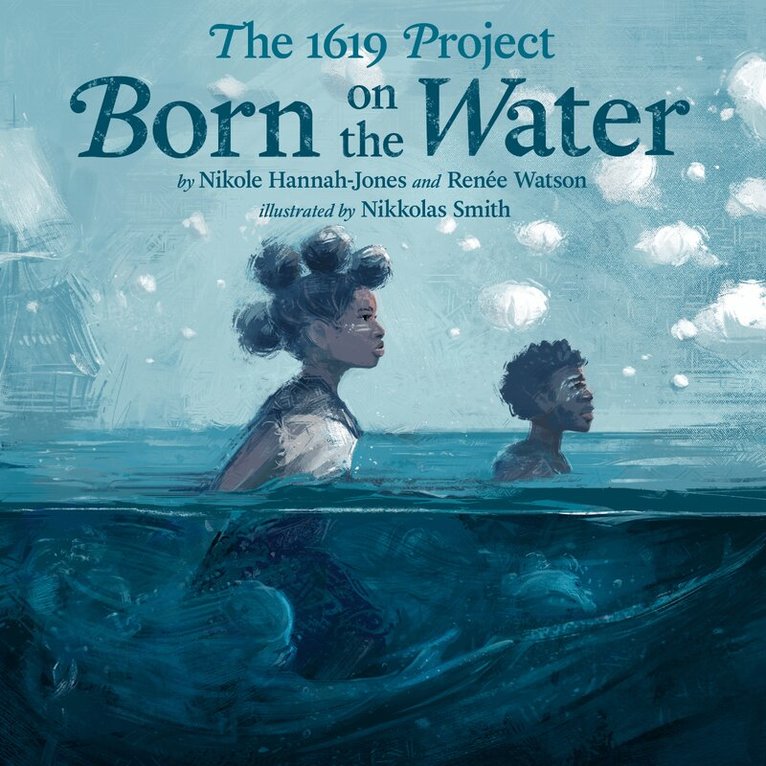
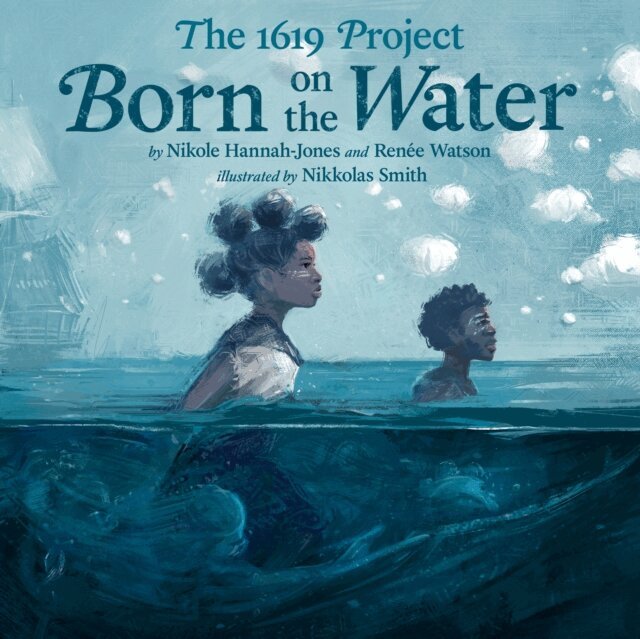
1619 Project: Born on the Water
Av Nikole Hannah-Jones, Renée Watson
Inbunden, 2021
277 kr
Lägg i varukorg
The 1619 Project’s lyrical picture book in verse chronicles the consequences of slavery and the history of Black resistance in the United States, thoughtfully rendered by Pulitzer Prize-winning journalist Nikole Hannah-Jones and Newbery honor-winning author Renée Watson. A young student receives a …
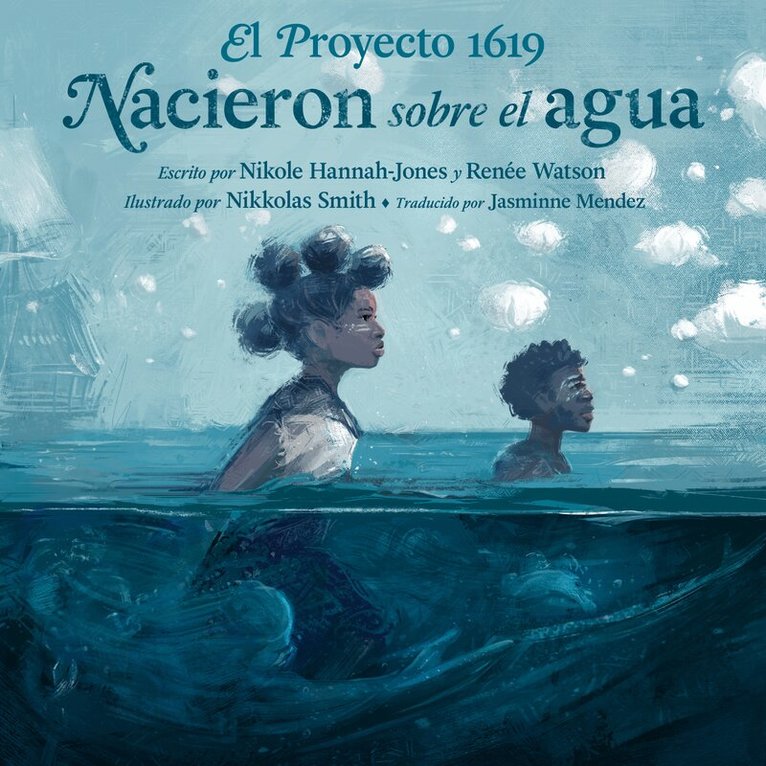
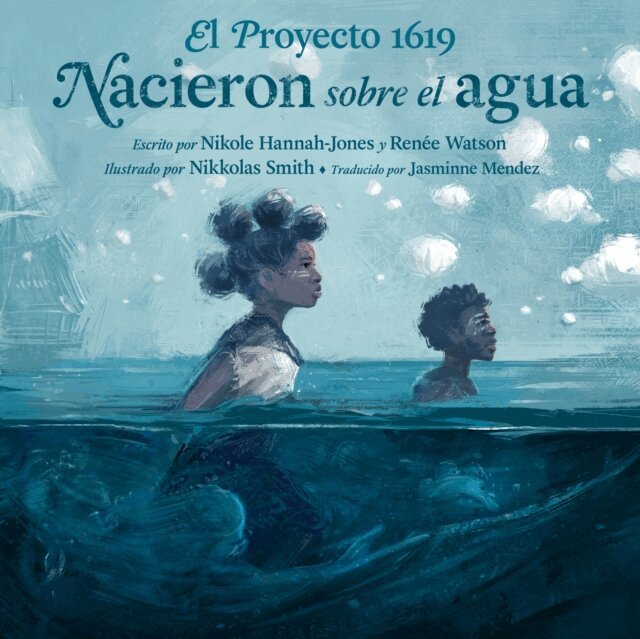
El Proyecto 1619: Nacieron sobre el agua
Av Nikole Hannah-Jones, Renée Watson
Inbunden, 2023
253 kr
Lägg i varukorg
El Proyecto 1619: Nacieron sobre el agua
Av Ren e Watson, Nikole Hannah-Jones
E-bok, 2023
176 kr
Lägg i varukorg
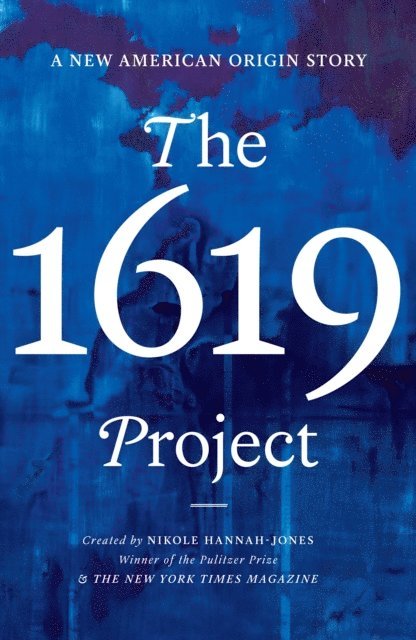
1619 Project
A New American Origin Story
Av Nikole Hannah-Jones, The New York Times Magazine m. fl.
Häftad, 2024
192 kr
Lägg i varukorg
#1 NEW YORK TIMES BESTSELLER A dramatic expansion of a groundbreaking work of journalism, The 1619 Project: A New American Origin Story offers a profoundly revealing vision of the American past and present.ONE OF THE BEST BOOKS OF THE YEAR: The Washington Post, NPR, Esquire, Marie Claire, Electric …
1619 Project
A New American Origin Story
Av Nikole Hannah-Jones, The New York Times Magazine m. fl.
E-bok, 2021
147 kr
Lägg i varukorg
#1 NEW YORK TIMES BESTSELLER A dramatic expansion of a groundbreaking work of journalism, The 1619 Project: A New American Origin Story offers a profoundly revealing vision of the American past and present.ONE OF THE BEST BOOKS OF THE YEAR: The Washington Post, NPR, Esquire, Marie Claire, Electric …
1619 Project
A New American Origin Story
Av Nikole Hannah-Jones, Full Cast m. fl.
Ljudbok, 2021
210 kr
Lägg i varukorg
Brought to you by Penguin. A dramatic expansion of a groundbreaking work of journalism, The 1619 Project: A New American Origin Story offers a profoundly revealing vision of the American past and present. In late August 1619, a ship arrived in the British colony of Virginia bearing a cargo of …
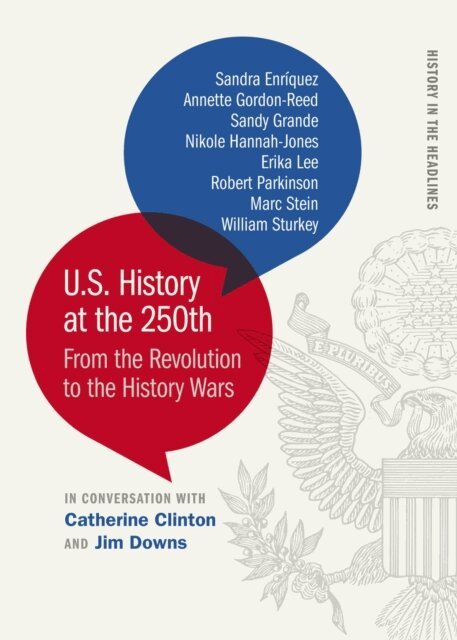
U.S. History at the 250th
From the Revolution to the History Wars
Av Sandra Enríquez, Annette Gordon-Reed m. fl.
Inbunden, 2026
1733 kr
Lägg i varukorg
The year 2026 marks the 250th anniversary of the Declaration of Independence. But does the nation begin in 1776, or do we trace its origins to some point earlier—for example, the arrival of the first enslaved people in 1619 or the initial settlement of Indigenous people? What’s at stake with …
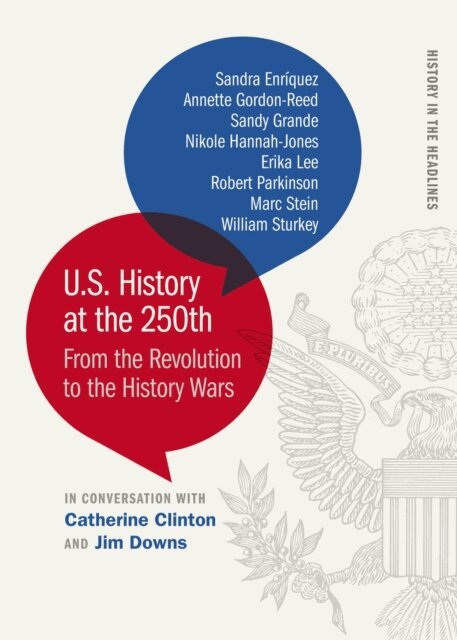
U.S. History at the 250th
From the Revolution to the History Wars
Av Sandra Enríquez, Annette Gordon-Reed m. fl.
Häftad, 2026
311 kr
Lägg i varukorg
The year 2026 marks the 250th anniversary of the Declaration of Independence. But does the nation begin in 1776, or do we trace its origins to some point earlier—for example, the arrival of the first enslaved people in 1619 or the initial settlement of Indigenous people? What’s at stake with …
U.S. History at the 250th
From the Revolution to the History Wars
Av William Sturkey, Marc Stein m. fl.
E-bok, 2026
393 kr
Lägg i varukorg
The year 2026 marks the 250th anniversary of the Declaration of Independence. But does the nation begin in 1776, or do we trace its origins to some point earlier-for example, the arrival of the first enslaved people in 1619 or the initial settlement of Indigenous people? What's at stake with …
U.S. History at the 250th
From the Revolution to the History Wars
Av William Sturkey, Marc Stein m. fl.
E-bok, 2026
393 kr
Lägg i varukorg
The year 2026 marks the 250th anniversary of the Declaration of Independence. But does the nation begin in 1776, or do we trace its origins to some point earlier-for example, the arrival of the first enslaved people in 1619 or the initial settlement of Indigenous people? What's at stake with …