Nina Hall - Böcker
Visar alla böcker från författaren Nina Hall. Handla med fri frakt och snabb leverans.
7 produkter
7 produkter
1 396 kr
Skickas inom 5-8 vardagar
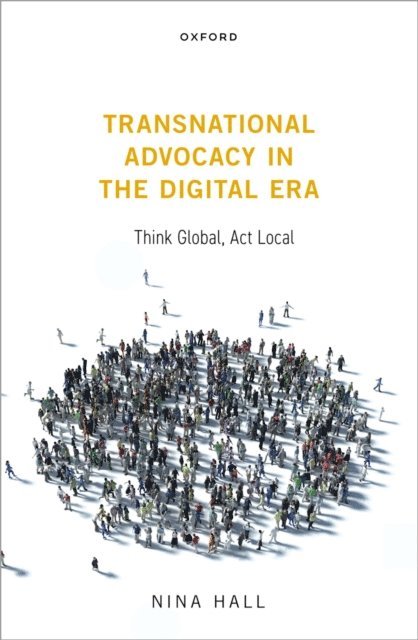
Transnational Advocacy in the Digital Era explores the role of digital advocacy organizations, a major new addition to the international arena. Organizations such as MoveOn, GetUp, and Campact derive power and influence from their ability to rapidly mobilize members on-line and off-line and are shaping public opinion on many issues including climate change, trade, and refugees. Research in international relations (IR) has highlighted the influence of non-governmental organizations, which wield power through their expertise and long-term, moral commitment to an issue. However, no IR scholars have explored the spread and power of digital advocacy organizations. Nina Hall provides a detailed investigation of how these organizations have harnessed digitally networked power and can quickly respond to the most salient issues of the day, and mobilize large memberships, to put pressure on politicians. She finds that these organizations operate in a globalized world but tackle transnational problems by focusing on national targets. This new generation of activists have formed a strong transnational network, but still see the state as the locus of power.
366 kr
Skickas inom 5-8 vardagar
Winner, International Communication Book Award, International Studies AssociationShortlisted, 2023 Susan Strange Best Book PrizeHonorable Mention, 2023 Information Technology and Politics Best Book AwardTransnational Advocacy in the Digital Era explores the role of digital advocacy organizations, a major new addition to the international arena. These organizations derive power and influence from their ability to rapidly mobilize members on-line and off-line, and are shaping public opinion on many issues including climate change, trade, and refugees. Research in international relations (IR) has highlighted the influence of non-governmental organizations, which wield power through their expertise and long-term, moral commitment to an issue. However, no IR scholars have explored the spread and power of digital advocacy organizations. Nina Hall provides a detailed investigation of how these organizations have harnessed digitally networked power and established new advocacy strategies. They can quickly respond to the most salient issues of the day, and mobilize large memberships, to put pressure on politicians. She finds that these organizations operate in a globalized world but tackle transnational problems by focusing on national targets. This new generation of activists have formed a strong transnational network, but still see the state as the locus of power.
158 kr
Tillfälligt slut
In this collection of front-line reports, edited for the general reader, internationally recognized experts trace the roots of chaos in modern science and mathematics.
753 kr
Skickas inom 7-10 vardagar
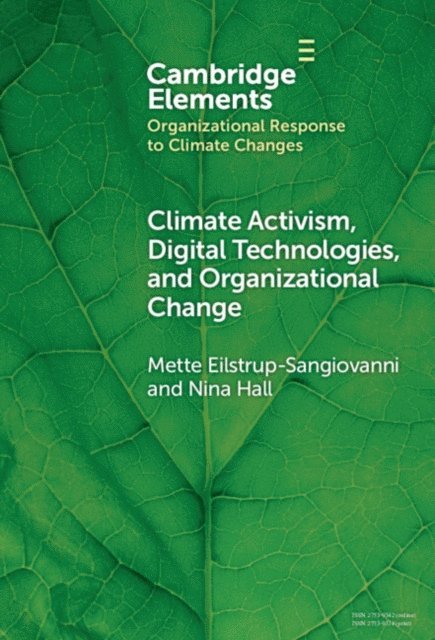
Non-governmental and civil society organizations have long been recognized as crucial players in climate politics. Today, thanks to the internet, social media, satellite, and more, climate activists are pioneering new organizational forms and strategies. Organizations like Fridays for Future, 350.org, and GetUp! have used social media and other digital platforms to mobilize millions of people. Many NGOs use digital tools to collect and analyze 'big data' on environmental factors, and to investigate and prosecute environmental crimes. Although the rise of digitally based advocacy organizations is well documented, we know less about how digital technologies are used in different aspects of climate activism, and with what effects. On this basis, we ask: how do NGOs use digital technology to campaign for climate action? What are the benefits and downsides of using technology to push for political change? To what extent does technology influence the goals activists strive for and their strategies.
234 kr
Non-governmental and civil society organizations have long been recognized as crucial players in climate politics. Today, thanks to the internet, social media, satellite, and more, climate activists are pioneering new organizational forms and strategies. Organizations like Fridays for Future, 350.org, and GetUp! have used social media and other digital platforms to mobilize millions of people. Many NGOs use digital tools to collect and analyze 'big data' on environmental factors, and to investigate and prosecute environmental crimes. Although the rise of digitally based advocacy organizations is well documented, we know less about how digital technologies are used in different aspects of climate activism, and with what effects. On this basis, we ask: how do NGOs use digital technology to campaign for climate action? What are the benefits and downsides of using technology to push for political change? To what extent does technology influence the goals activists strive for and their strategies.
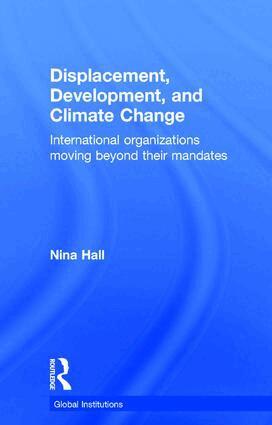
Displacement, Development, and Climate Change
International organizations moving beyond their mandates
Inbunden, Engelska, 2016
2 103 kr
Skickas inom 10-15 vardagar
This book focuses on one critical challenge: climate change. Climate change is predicted to lead to an increased intensity and frequency of natural disasters. An increase in extreme weather events, global temperatures and higher sea levels may lead to displacement and migration, and will affect many dimensions of the economy and society. Although scholars are examining the complexity and fragmentation of the climate change regime, they have not examined how our existing international development, migration and humanitarian organizations are dealing with climate change. Focusing on three institutions: the United Nations High Commissioner for Refugees, the International Organization for Migration and the United Nations Development Programme, the book asks: how have these inter-governmental organizations responded to climate change? And are they moving beyond their original mandates, given none were established with a mandate for climate change? It traces their responses to climate change in their rhetoric, policy, structure, operations and overall mandate change. Hall argues that international bureaucrats can play an important role in mandate expansion, often deciding whether and how to expand into a new issue-area and then lobbying states to endorse this expansion. They make changes in rhetoric, policy, structure and operations on the ground, and therefore forge, frame and internalize new issue-linkages. This book helps us to understand how institutions established in the 20th century are adapting to a 21st century world. It will be of great interest to scholars and students of International Relations, Development Studies, Environmental Politics, International Organizations and Global Governance, as well as international officials.
Displacement, Development, and Climate Change
International organizations moving beyond their mandates
Häftad, Engelska, 2016
575 kr
Skickas inom 10-15 vardagar
This book focuses on one critical challenge: climate change. Climate change is predicted to lead to an increased intensity and frequency of natural disasters. An increase in extreme weather events, global temperatures and higher sea levels may lead to displacement and migration, and will affect many dimensions of the economy and society. Although scholars are examining the complexity and fragmentation of the climate change regime, they have not examined how our existing international development, migration and humanitarian organizations are dealing with climate change. Focusing on three institutions: the United Nations High Commissioner for Refugees, the International Organization for Migration and the United Nations Development Programme, the book asks: how have these inter-governmental organizations responded to climate change? And are they moving beyond their original mandates, given none were established with a mandate for climate change? It traces their responses to climate change in their rhetoric, policy, structure, operations and overall mandate change. Hall argues that international bureaucrats can play an important role in mandate expansion, often deciding whether and how to expand into a new issue-area and then lobbying states to endorse this expansion. They make changes in rhetoric, policy, structure and operations on the ground, and therefore forge, frame and internalize new issue-linkages. This book helps us to understand how institutions established in the 20th century are adapting to a 21st century world. It will be of great interest to scholars and students of International Relations, Development Studies, Environmental Politics, International Organizations and Global Governance, as well as international officials.