Noa Steimatsky - Böcker
Visar alla böcker från författaren Noa Steimatsky. Handla med fri frakt och snabb leverans.
3 produkter
3 produkter
2 189 kr
Skickas inom 5-8 vardagar
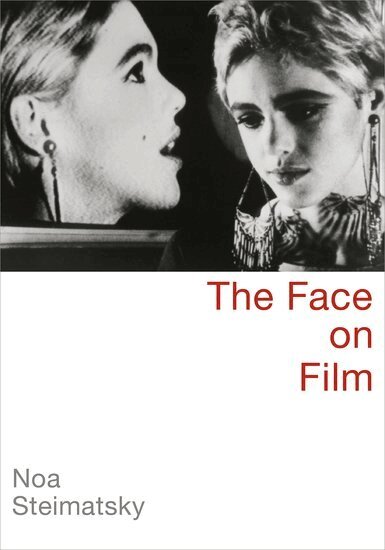
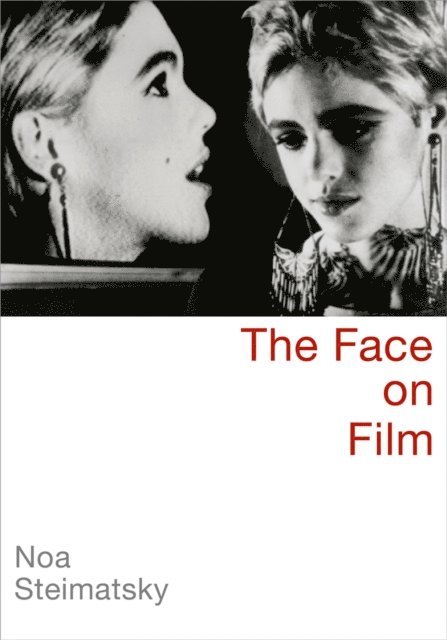
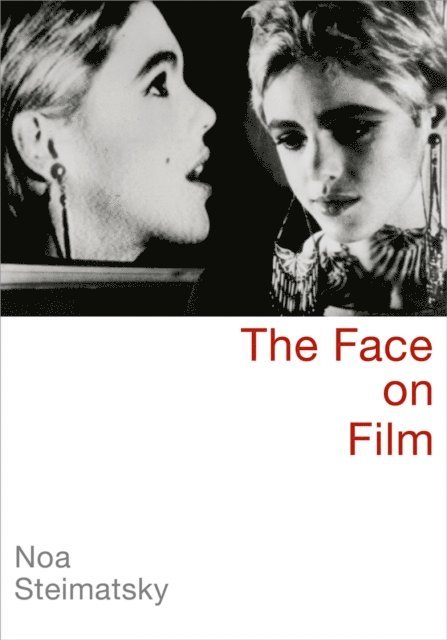
The human face was said to have been rediscovered with the advent of motion pictures, in which it was often viewed as expressive locus, as figure, and even as essence of the cinema. But how has this modern, technological, mass-circulating medium revealed the face in ways that are also distinct from any other? How has it altered our perception of this quintessential incarnation of the person? The archaic powers of masks and icons, the fashioning of the individual in the humanist portrait, the modernist anxieties of fragmentation and de-figuration--these are among the cultural precedents informing our experience in the movie theatre. Yet the moving, time-based image also offers radical new confrontations with the face: Dreyer's Passion of Joan of Arc, Donen's Funny Face, Hitchcock's The Wrong Man, Bresson's Au hazard, Balthazar, Antonioni's Screen Test, Warhol's filmic portraits of celebrity and anonymity. Such intense encounters, examined in this book, manifest a desire for transparency and plenitude, but--especially in post-classical cinema--also betray a profound ambiguity that haunts the human countenance, confronting interiority as opacity, treading the gap between image and language. The spectacular impact of the cinematic face is uncannily intertwined with a reticence, an ineffability; but is it not for this very reason that--like faces in the world--it still enthralls us?
802 kr
Skickas inom 5-8 vardagar
The human face was said to have been rediscovered with the advent of motion pictures, in which it was often viewed as expressive locus, as figure, and even as essence of the cinema. But how has this modern, technological, mass-circulating medium revealed the face in ways that are also distinct from any other? How has it altered our perception of this quintessential incarnation of the person? The archaic powers of masks and icons, the fashioning of the individual in the humanist portrait, the modernist anxieties of fragmentation and de-figuration--these are among the cultural precedents informing our experience in the movie theatre. Yet the moving, time-based image also offers radical new confrontations with the face: Dreyer's Passion of Joan of Arc, Donen's Funny Face, Hitchcock's The Wrong Man, Bresson's Au hazard, Balthazar, Antonioni's Screen Test, Warhol's filmic portraits of celebrity and anonymity. Such intense encounters, examined in this book, manifest a desire for transparency and plenitude, but--especially in post-classical cinema--also betray a profound ambiguity that haunts the human countenance, confronting interiority as opacity, treading the gap between image and language. The spectacular impact of the cinematic face is uncannily intertwined with a reticence, an ineffability; but is it not for this very reason that--like faces in the world--it still enthralls us?
277 kr
Skickas inom 10-15 vardagar
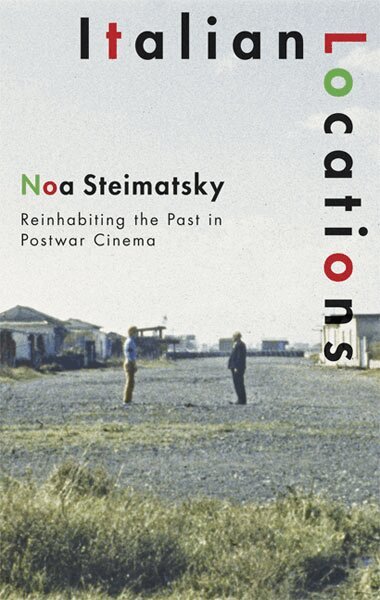
Fascism and the Second World War left Italy indelibly changed, and cinema was arguably the art that most rigorously confronted the devastated nation. In this examination of four Italian filmmakers, Noa Steimatsky brilliantly maps their forceful negotiation of Italy’s identity and posits that the cinematic forms they employ constitute an imaginary reinhabiting of Italy-one that is inextricably linked with the political, physical, and symbolic predicament of reconstruction. A dynamic intersection of pictorial and photographic, architectural and literary discourses inform Steimatsky’s revisionist interrogation of exemplary works from the 1940s to the mid–1960s. From the earliest documentary work of Michelangelo Antonioni on the River Po to Pier Paolo Pasolini’s re-siting of the Gospel in the arid, peripheral landscape of the Italian south, and from Roberto Rossellini’s tracing of a neorealist project in ruinous Berlin to Luchino Visconti’s wrought grandeur visited upon a humble Sicilian fishing village, Italian Locations probes the historical experience of displacement, anachronism, and a thoroughly contemporary anxiety in the cinematic arena. For Steimatsky, Antonioni’s modernist achievement, informed by his native landscape, Rossellini’s neorealist image of Italy as a nation of ruins, Visconti’s reaching back to the nineteenth century and even more archaic pasts, and Pasolini’s ambivalence about modernity-all partake in a search for a politically and culturally redeemed Italy. Noa Steimatsky is associate professor of the history of art and film studies at Yale University.