Noor Nieftagodien - Böcker
Visar alla böcker från författaren Noor Nieftagodien. Handla med fri frakt och snabb leverans.
5 produkter
5 produkter
163 kr
Skickas inom 5-8 vardagar
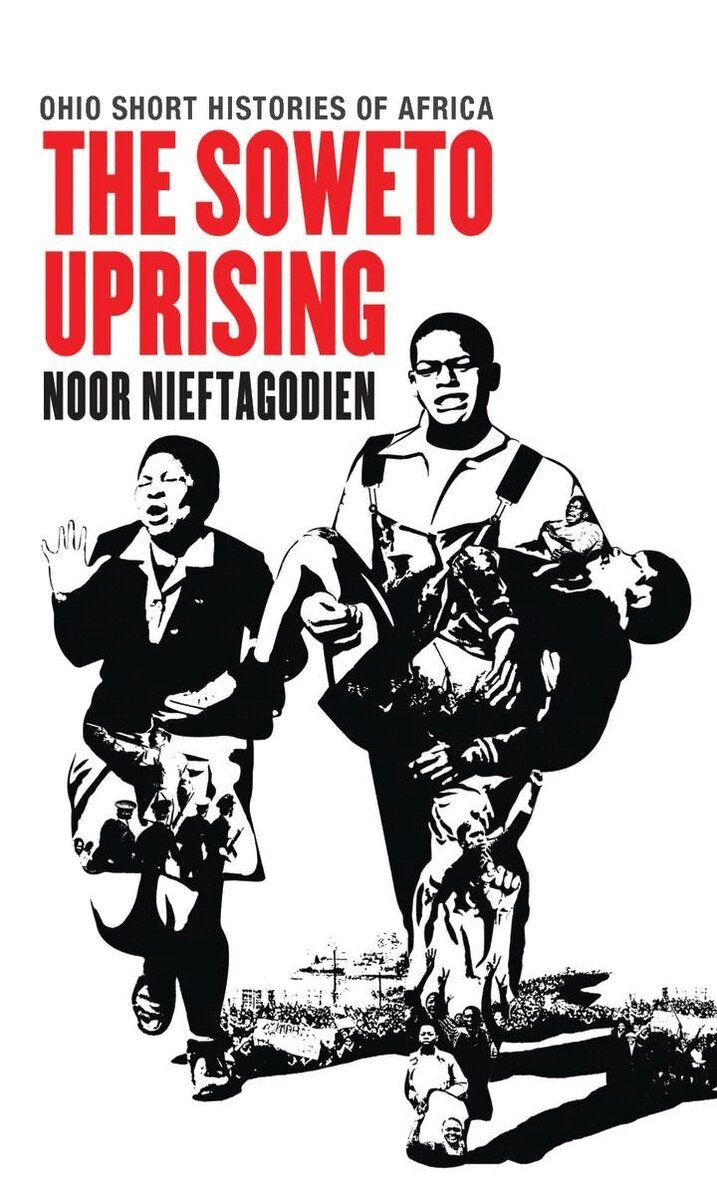
The Soweto uprising was a true turning point in South Africa's history. Even to contemporaries, it seemed to mark the beginning of the end of apartheid. This compelling book examines both the underlying causes and the immediate factors that led to this watershed event. It looks at the crucial roles of Black Consciousness ideology and nascent school-based organizations in shaping the character and form of the revolt. What began as a peaceful and coordinated demonstration rapidly turned into a violent protest when police opened fire on students. This short history explains the uprising and its aftermath from the perspective of its main participants, the youth, by drawing on a rich body of oral histories.
522 kr
Skickas inom 7-10 vardagar
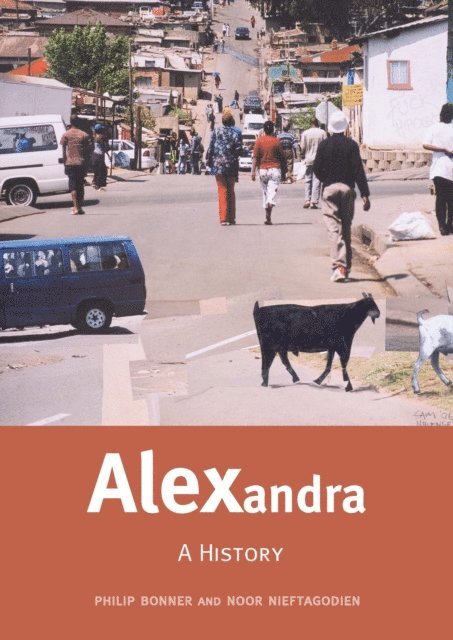
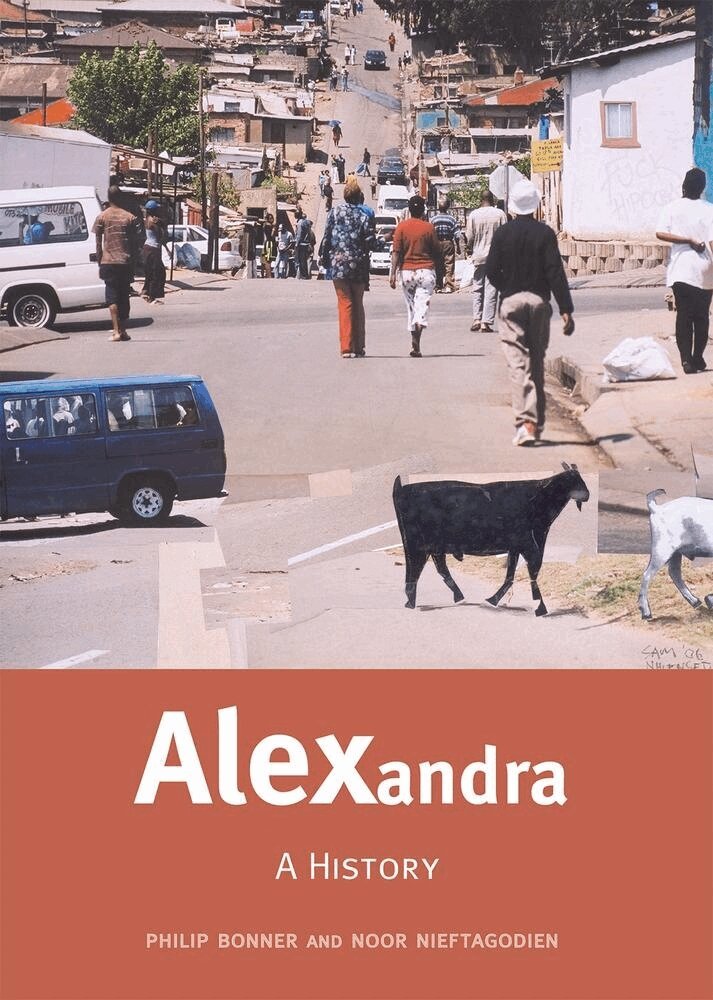
Alexandra: A History is a social and political history of one of South Africa's oldest townships. It begins with the founding of Alexandra as a freehold township in 1912 and traces its growth as a centre of black working-class life through the early years before the Nationalist government, through the struggles of the apartheid era and into the present day. Declared as a location for 'natives and coloureds', Alexandra became home to a diverse population where stand owners, tenants, squatters, hostel-dwellers, workers and migrants from every corner of the country converged to make a new life for themselves near the economic hub of Johannesburg. The stories of ordinary people are at the core of the township's history. Based on numerous life-history interviews with residents and previously unexamined archive sources, the book portrays in vivid detail the daily struggles and tribulations of the people of Alexandra. A significant focus is the rich history of political resistance, in which political organisations and civic movements organised bus boycotts, anti-removal and anti-pass campaigns, and mobilised for housing and a better life for the township's residents. But the book also tells the stories of daily life, of the making of urban cultures and of the infamous Spoilers and Msomi gangs. Over weekends Alexandra came alive as soccer matches, church services and shebeens vie for the attention of residents. Alexandra: A History highlights the social complexities of the township, which at times caused tension between different segments of the population. Above all else, despite a long history of hardship and adversity, the community spirit of the people of Alexandra, expressed in a fiercely loyal love of their township home, has repeatedly triumphed and endured.
373 kr
Skickas inom 7-10 vardagar
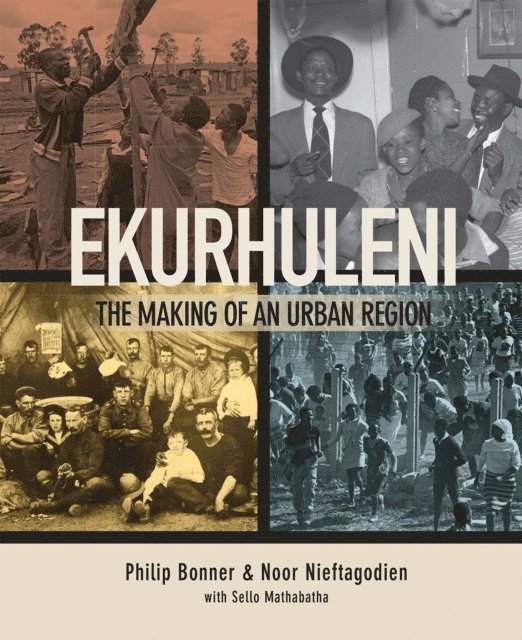
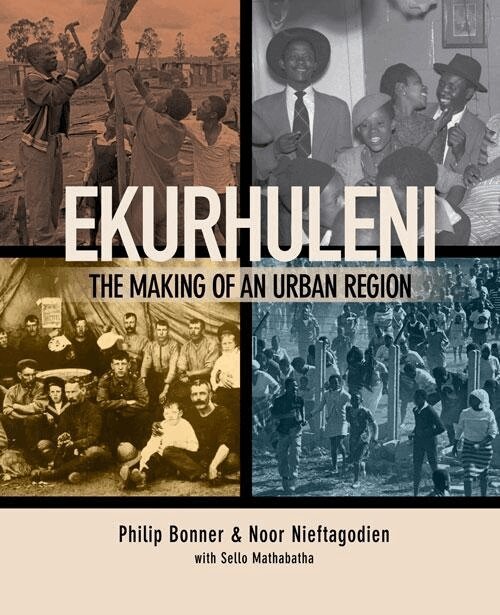
The first academic work to provide an historical account and explanation of the development of this extended region to the east of Johannesburg since its origins at the end of the nineteenth century. From the time of the discovery of gold and coal until the turn of the twenty-first century, the region comprised a number of distinctive towns, all with their own histories. In 2000, these towns were amalgamated into a single metropolitan area, but, unlike its counterparts across the country, it does not cohere around a single identity. Drawing on a significant body of academic work as well as original research by the authors, the book traces and examines some of the salient historical strands that constituted what was formerly known as the East Rand and suggests that, notwithstanding important differences between towns and the racial fragmentation generated by apartheid, the region's history contains significant common features. Arguably, its centrality as a major mining area and then as the country's engineering heartland gave Ekurhuleni an overarching distinctive economic character.
373 kr
Skickas inom 7-10 vardagar
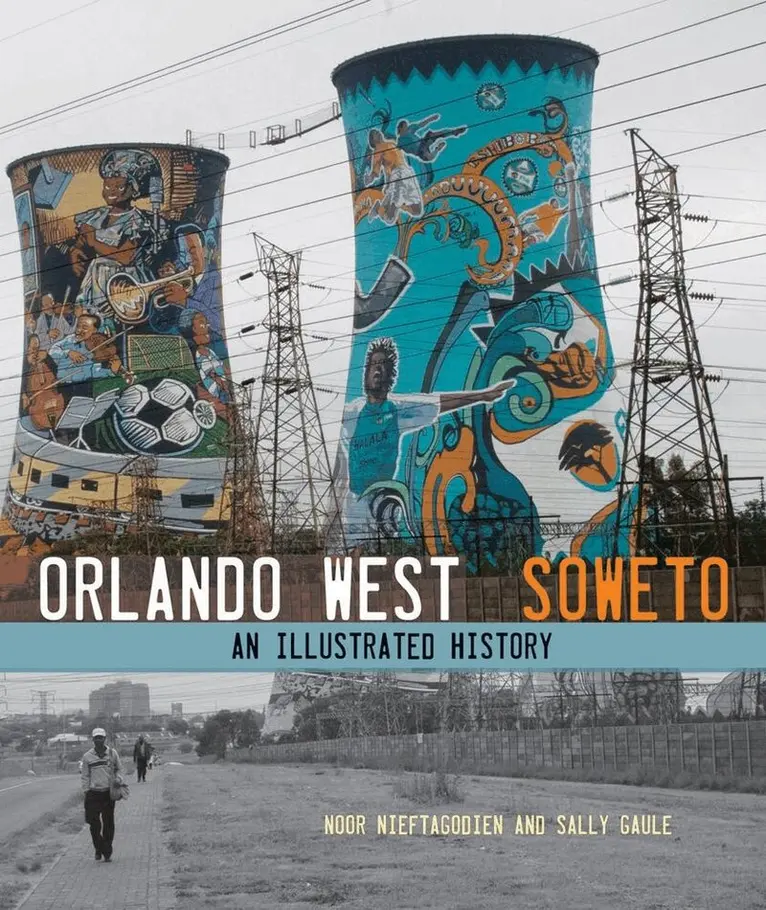
A history of the famous Orlando townshipUntil the end of the First World War, urban growth in Johannesburg proceeded unevenly and haphazardly, but under the impact of a wave of militant struggles by black workers and in the context of the devastating impact of the 1918 influenza epidemic, the state became determined to better manage the movement of Africans into the urban areas and to place them in properly controlled locations. The promulgation of the Native (Urban) Areas Act of 1923 was intended to meet these objectives. The Act was a hybrid piece of legislation. On the one hand, it espoused the principles enunciated by the Stallard Commission of 1922, which had infamously declared that an African 'should only be allowed into the urban areas, which are essentially the white man's creation, when he is willing to enter and minister to the needs of the white man, and should depart therefrom when he ceases so to minister'. On the other hand, when it empowered local authorities to set aside land for black residential purposes, it recognised the need to create conditions for the settlement of an urban African population in order to provide a reliable supply of labour to secondary industry. The growing demand for housing led the government to establish Orlando (named after the chairman of the Native Affairs Committee, Edwin Orlando Leake) in 1931, when thousands of African families were evicted from urban slums in and around the city centre and moved there. The authorities described this as a 'model native township' that was supposedly planned along the lines of a garden city. The new location, it promised, would be characterised by tree-lined streets, business opportunities and recreation facilities. Reflecting the views of a somewhat conservative section of the African urban elite, the popular African newspaper Bantu World predicted on 14 May 1932 that the new township 'will undoubtedly be somewhat of a paradise [that] will enhance the status of the Bantu within the ambit of progress and civilisation'. Orlando West, Soweto illuminates the genesis of Orlando township and its well-known subsequent history, which is inextricably linked with the lives of prominent South Africans such as Nelson Mandela and Desmond Tutu, amongst many others. A beautiful photographic essay complements the testimony from residents, who describe the way things were, and the way they are now, in the heart of Soweto, South Africa's most iconic African township.
373 kr
Skickas inom 7-10 vardagar
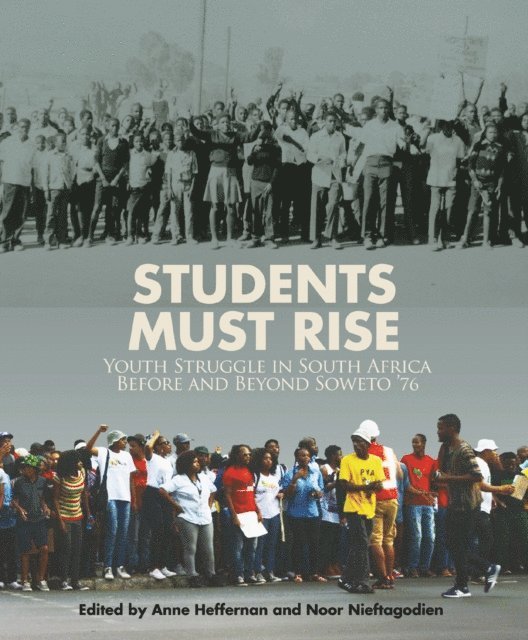
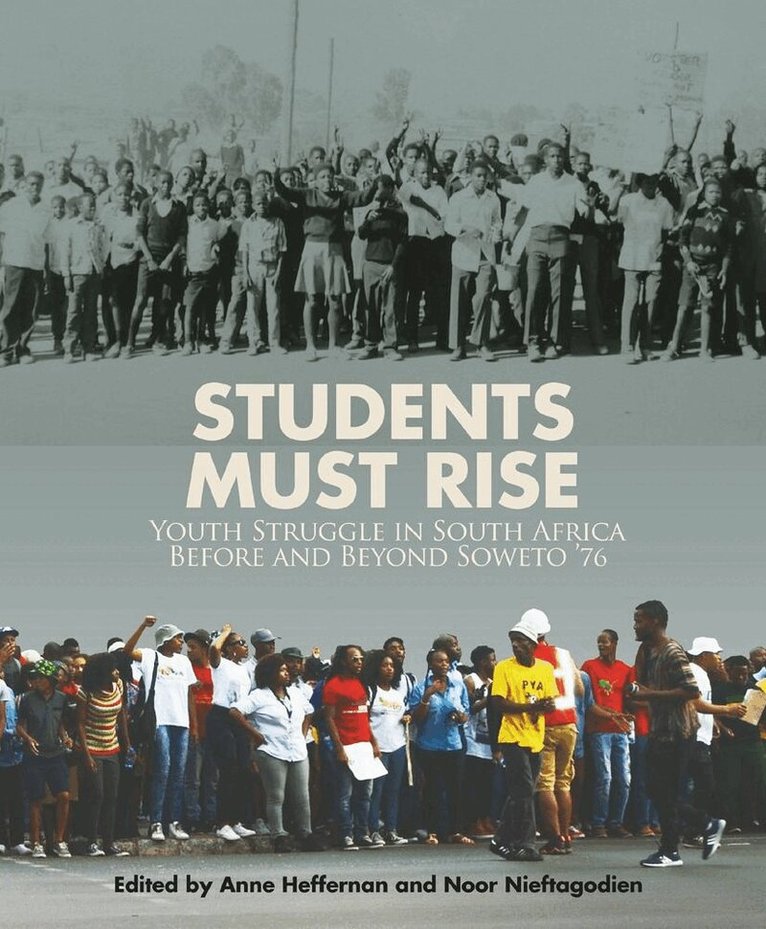
A detailed account of the incredibly influential Soweto Student Uprising of 1976The Soweto Student Uprising of 1976 was a decisive moment in the struggle against apartheid. It marked the expansion of political activism to a new generation of young activists, but beyond that it inscribed the role that young people of subsequent generations could play in their country's future. Since that momentous time students have held a special place in the collective imaginary of South African history. Drawing on research and writing by leading scholars and prominent activists, Students Must Rise takes Soweto '76 as its pivot point, but looks at student and youth activism in South Africa more broadly by considering what happened before and beyond the Soweto moment. Early chapters assess the impact of the anti-pass campaigns of the 1950s, of political ideologies like black consciousness as well as of religion and culture in fostering political consciousness and organisation among youth and students in townships and rural areas. Later chapters explore the wide-reaching impact of June 16th itself for student organisation over the next two decades across the country. Two final chapters consider contemporary student-based political movements, including #RhodesMustFall and #FeesMustFall, and historically root these in the long and rich tradition of student activism in South Africa. 2016 marks the 40th anniversary of the 1976 June 16th uprisings. This book rethinks the conventional narrative of youth and student activism in South Africa by placing that most famous of moments - the 1976 students' uprising in Soweto - in a deeper historical and geographic context.