Oksana Sarkisova - Böcker
Visar alla böcker från författaren Oksana Sarkisova. Handla med fri frakt och snabb leverans.
5 produkter
5 produkter
528 kr
Skickas
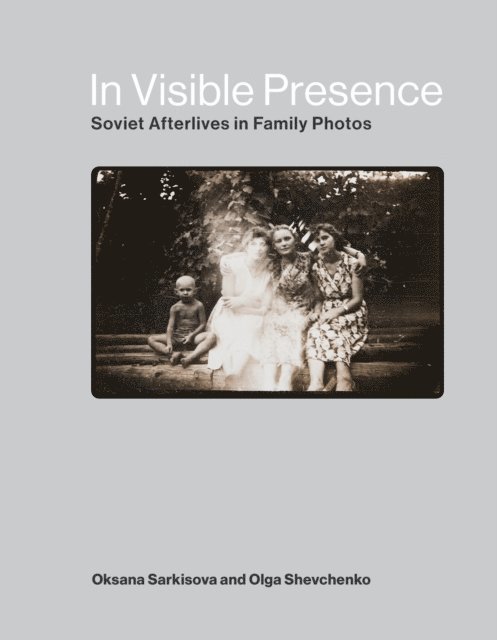
An absorbing exploration of Soviet-era family photographs that demonstrates the singular power of the photographic image to command attention, resist closure, and complicate the meaning of the past.A faded image of a family gathered at a festively served dinner table, raising their glasses in unison. A group of small children, sitting in orderly rows, with stuffed toys at their feet and a portrait of Lenin looming over their heads. A pensive older woman against a snowy landscape, her gaze directed lovingly at a tombstone. These are a few of the evocative images in In Visible Presence by Oksana Sarkisova and Olga Shevchenko, an exquisitely researched book that brings together photographs from Soviet-era family photo archives and investigates their afterlives in Russia.In Visible Presence explores the photographic images’ singular power to capture a fleeting moment by approaching them as points of contestation and possibility. Drawing on over a decade of fieldwork and interviews, as well as internet ethnography, media analysis, and case studies, In Visible Presence offers a rich account of the role of family photography in creating communities of affect, enabling nostalgic longings, and processing memories of suffering, violence, and hardship. Together these photos evoke youthful aspirations, dashed hopes, and moral compromises, as well as the long legacy of silence that was passed down from grandparents to parents to children.With more than 250 black and white photos, In Visible Presence is an astonishing journey into domestic photography, family memory, and the ongoing debate over the meaning of the Soviet past that is as timely and powerful today as it has ever been.
461 kr
Skickas inom 10-15 vardagar
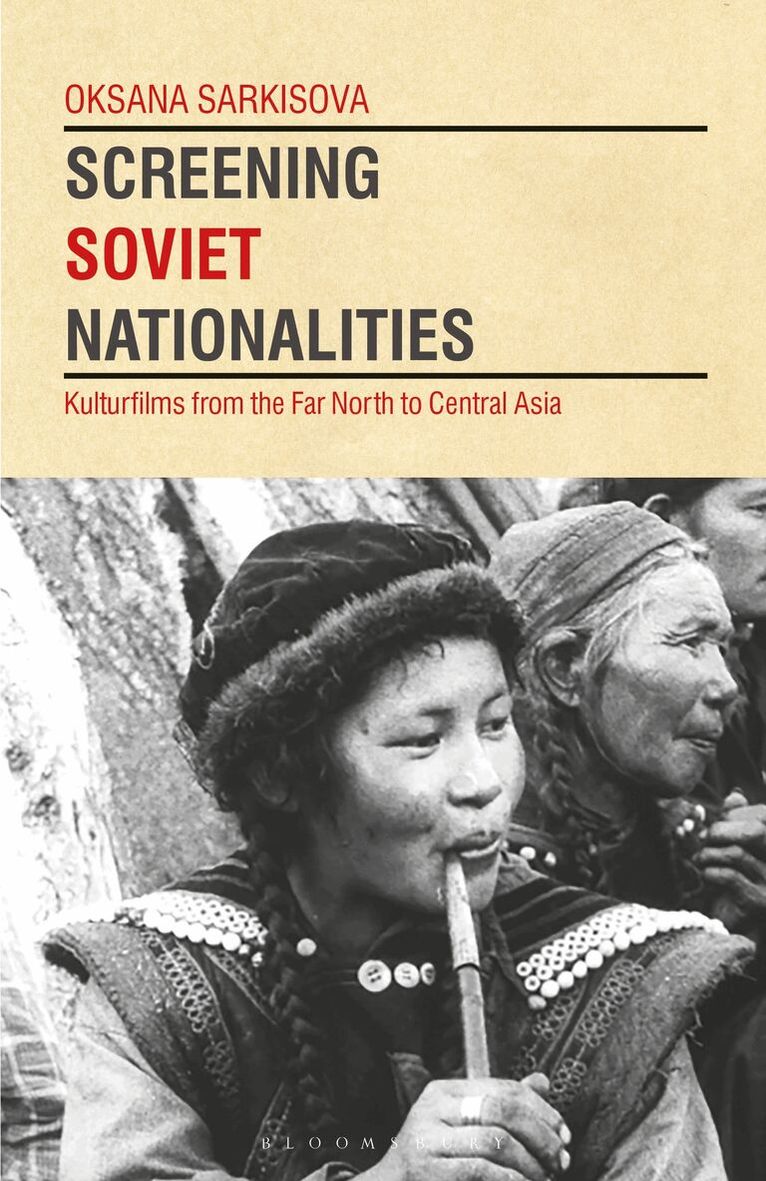
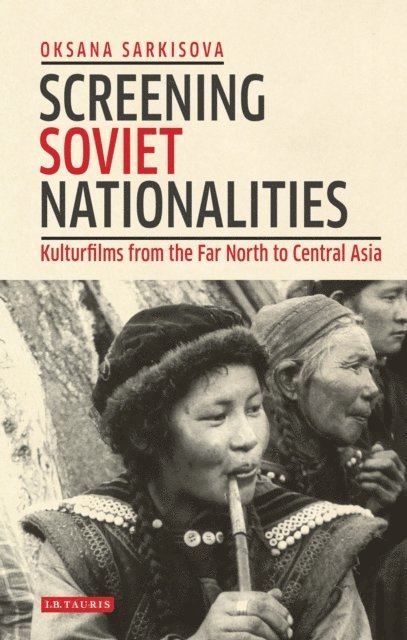
Filmmakers in the early decades of the Soviet Union sought to create a cinematic map of the new state by portraying its land and peoples on screen. Such films created blueprints of the Soviet domain's scenic, cultural and ethnographic perimeters and brought together - in many ways disparate - nations under one umbrella. Categorised as kulturfilms, they served as experimental grounds for developing the cinematic formulae of a multiethnic, multinational Soviet identity. Screening Soviet Nationalities examines the non-fictional representations of Soviet borderlands from the Far North to the Northern Caucasus and Central Asia between 1925-1940. Beginning with Dziga Vertov and his vision of the Soviet space as a unified, multinational mosaic, Oksana Sarkisova rediscovers films by Vladimir Erofeev, Vladimir Shneiderov, Alexander Litvinov, Mikhail Slutskii, Amo Bek-Nazarov, Mikhail Kalatozov, Roman Karmen and other filmmakers who helped construct an image of Soviet ethnic diversity and left behind a lasting visual legacy.The book contributes to our understanding of changing ethnographic conventions of representation, looks at studies of diversity despite the homogenising ambitions of the Soviet project, and reexamines methods of blending reality and fiction as part of both ideological and educational agendas.Using a wealth of unexplored archival evidence from the Russian State Documentary Film and Photo Archive (RGAKFD) as well as the Gosfilmofond state film archive, Sarkisova examines constructions of exoticism, backwardness and Soviet-driven modernity through these remarkable and underexplored historical travelogues.
Screening Soviet Nationalities
Kulturfilms from the Far North to Central Asia
Inbunden, Engelska, 2016
1 703 kr
Skickas inom 10-15 vardagar
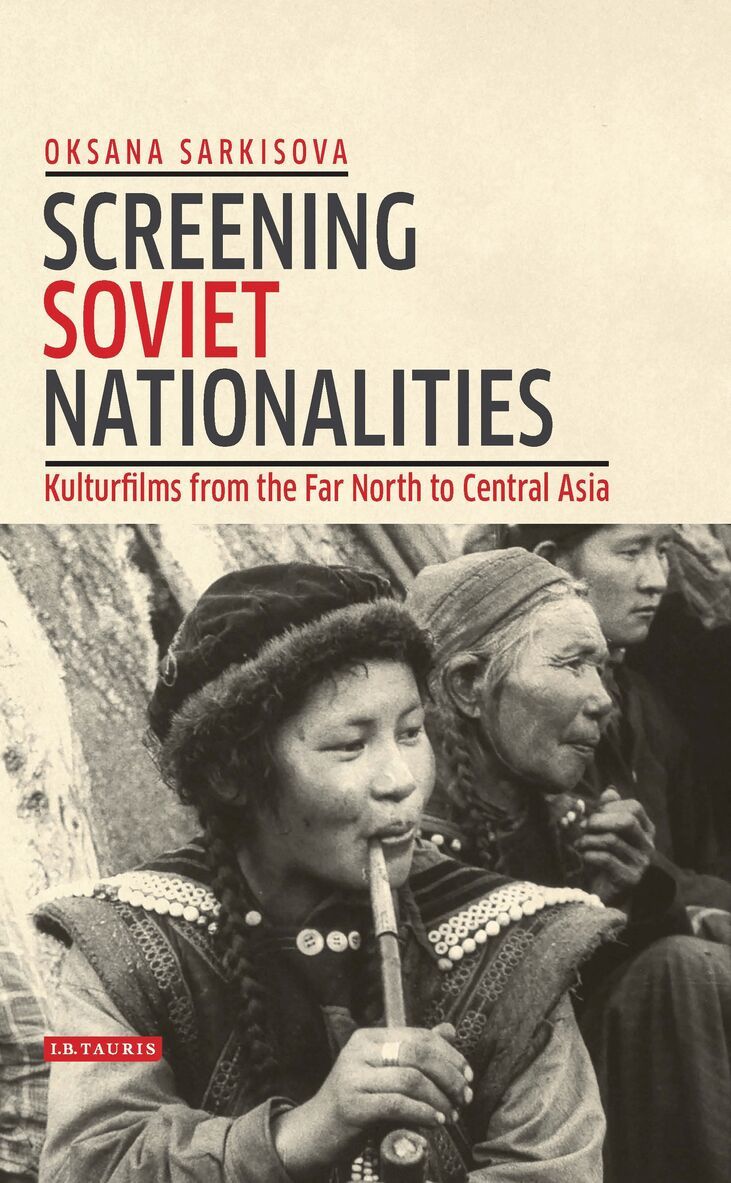
Filmmakers in the early decades of the Soviet Union sought to create a cinematic map of the new state by portraying its land and peoples on screen. Such films created blueprints of the Soviet domain's scenic, cultural and ethnographic perimeters and brought together - in many ways disparate - nations under one umbrella. Categorised as kulturfilms, they served as experimental grounds for developing the cinematic formulae of a multiethnic, multinational Soviet identity. Screening Soviet Nationalities examines the non-fictional representations of Soviet borderlands from the Far North to the Northern Caucasus and Central Asia between 1925-1940. Beginning with Dziga Vertov and his vision of the Soviet space as a unified, multinational mosaic, Oksana Sarkisova rediscovers films by Vladimir Erofeev, Vladimir Shneiderov, Alexander Litvinov, Mikhail Slutskii, Amo Bek-Nazarov, Mikhail Kalatozov, Roman Karmen and other filmmakers who helped construct an image of Soviet ethnic diversity and left behind a lasting visual legacy.The book contributes to our understanding of changing ethnographic conventions of representation, looks at studies of diversity despite the homogenising ambitions of the Soviet project, and reexamines methods of blending reality and fiction as part of both ideological and educational agendas.Using a wealth of unexplored archival evidence from the Russian State Documentary Film and Photo Archive (RGAKFD) as well as the Gosfilmofond state film archive, Sarkisova examines constructions of exoticism, backwardness and Soviet-driven modernity through these remarkable and underexplored historical travelogues.
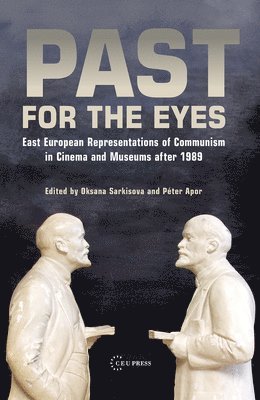
Past for the Eyes
East European Representations of Communism in Cinema and Museums After 1989
Inbunden, Engelska, 2008
1 985 kr
Skickas inom 10-15 vardagar
How do museums and cinema shape the image of the Communist past in today’s Central and Eastern Europe? This volume is the first systematic analysis of how visual techniques are used to understand and put into context the former regimes. After history “ended” in the Eastern Bloc in 1989, museums and other memorials mushroomed all over the region. These efforts tried both to explain the meaning of this lost history, as well as to shape public opinion on their society’s shared post-war heritage. Museums and films made political use of recollections of the recent past, and employed selected museum, memorial, and media tools and tactics to make its political intent historically credible. Thirteen essays from scholars around the region take a fresh look at the subject as they address the strategies of fashioning popular perceptions of the recent past.
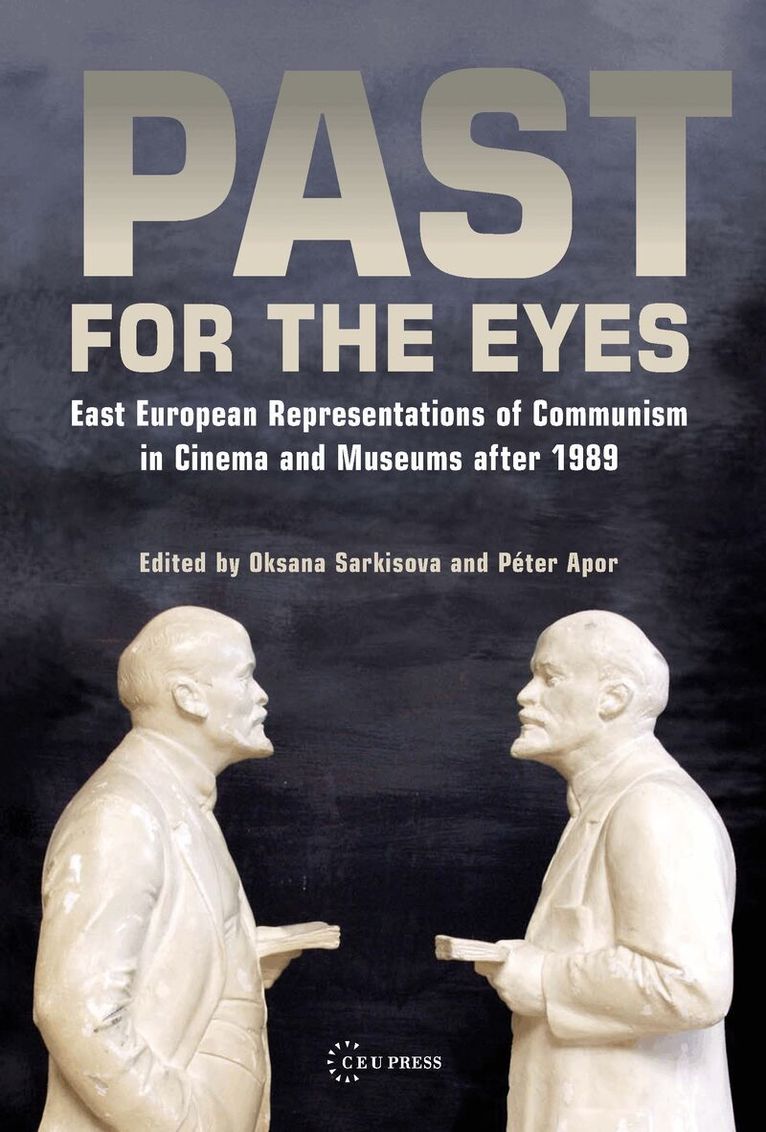
Past for the Eyes
East European Representations of Communism in Cinema and Museums After 1989
Häftad, Engelska, 2008
1 009 kr
Skickas inom 10-15 vardagar
How do museums and cinema shape the image of the Communist past in today’s Central and Eastern Europe? This volume is the first systematic analysis of how visual techniques are used to understand and put into context the former regimes. After history “ended” in the Eastern Bloc in 1989, museums and other memorials mushroomed all over the region. These efforts tried both to explain the meaning of this lost history, as well as to shape public opinion on their society’s shared post-war heritage. Museums and films made political use of recollections of the recent past, and employed selected museum, memorial, and media tools and tactics to make its political intent historically credible. Thirteen essays from scholars around the region take a fresh look at the subject as they address the strategies of fashioning popular perceptions of the recent past.