Péter Apor – författare
Visar alla böcker från författaren Péter Apor. Handla med fri frakt och snabb leverans.
13 produkter
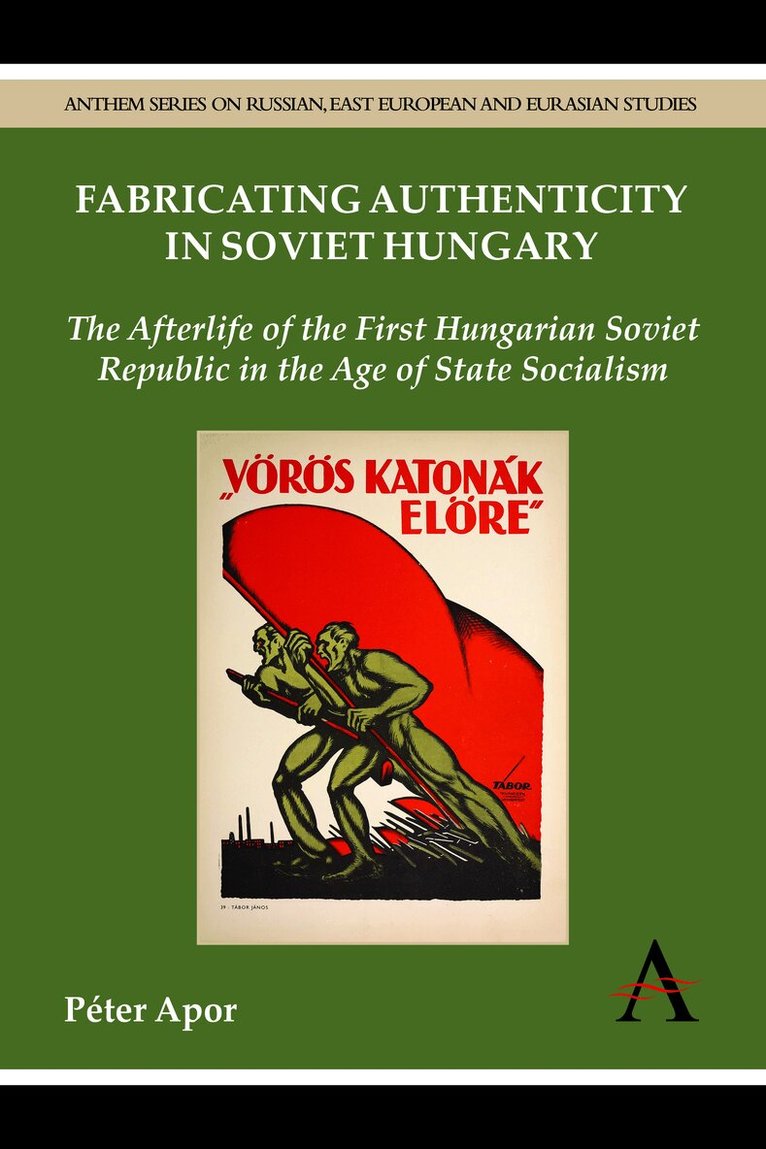
Fabricating Authenticity in Soviet Hungary
The Afterlife of the First Hungarian Soviet Republic in the Age of State Socialism
Av Péter Apor
Inbunden, 2014
1190 kr
Lägg i varukorg
This book explores the memory of the First Hungarian Soviet Republic of 1919, which proved crucial for communist Hungarian political culture in the twentieth century. Apor approaches the topic in an innovative way, focusing on the understudied aspects of European memory cultures. Offering great …
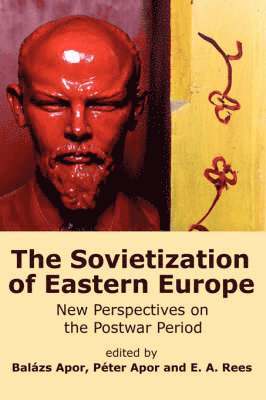
Sovietization of Eastern Europe
New Perspectives on the Postwar Period
Av Balazs Apor, Peter Apor m. fl.
Häftad, 2008
368 kr
Lägg i varukorg
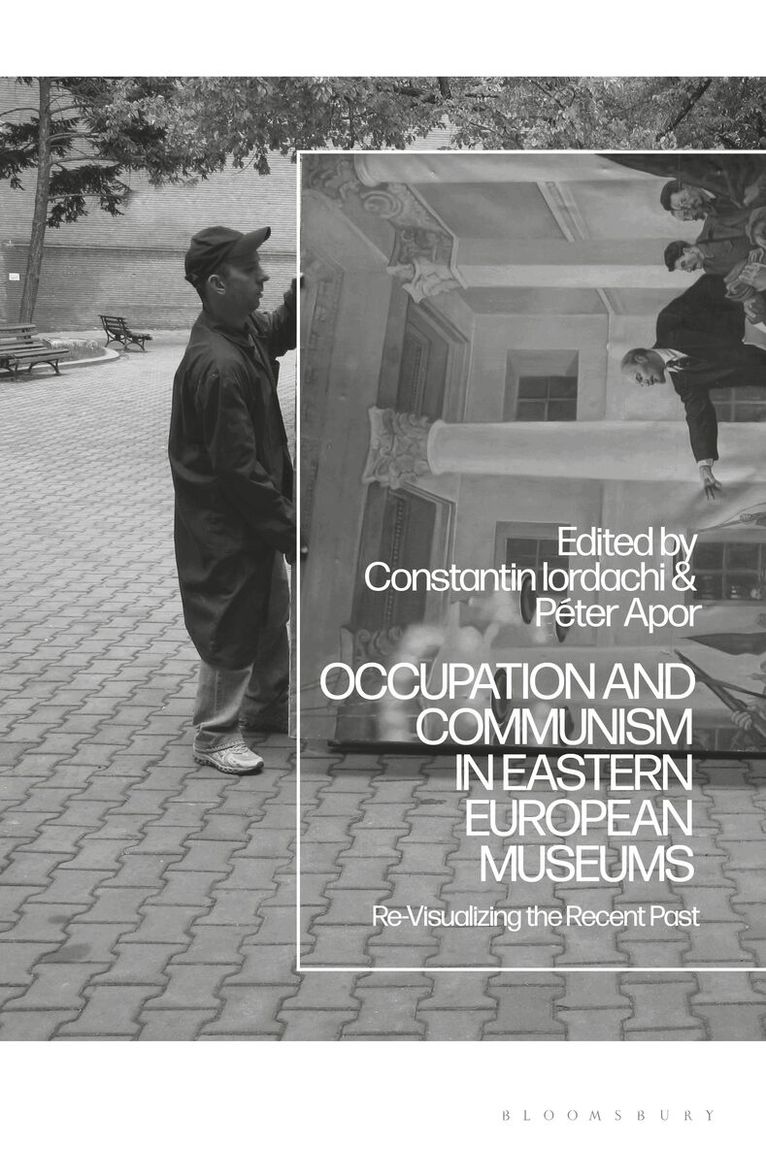
Occupation and Communism in Eastern European Museums
Re-Visualizing the Recent Past
Av Constantin Iordachi, Péter Apor
Inbunden, 2021
1461 kr
Lägg i varukorg
This volume offers fresh perspectives on the representation of the recent past in museums of the Second World War and of communism in post-communist Eastern Europe. It does so against the background of recent European-wide debates on history, memory and politics. The contributors from across Europe …
Occupation and Communism in Eastern European Museums
Re-Visualizing the Recent Past
Av Constantin Iordachi, Péter Apor
E-bok, 2021
471 kr
Lägg i varukorg
This volume offers fresh perspectives on the representation of the recent past in museums of the Second World War and of communism in post-communist Eastern Europe. It does so against the background of recent European-wide debates on history, memory and politics. The contributors from across Europe …
Occupation and Communism in Eastern European Museums
Re-Visualizing the Recent Past
Av Constantin Iordachi, Péter Apor
E-bok, 2021
471 kr
Lägg i varukorg
This volume offers fresh perspectives on the representation of the recent past in museums of the Second World War and of communism in post-communist Eastern Europe. It does so against the background of recent European-wide debates on history, memory and politics. The contributors from across Europe …
Occupation and Communism in Eastern European Museums
Re-Visualizing the Recent Past
Av Constantin Iordachi, Péter Apor
Häftad, 2023
443 kr
Lägg i varukorg
This volume offers fresh perspectives on the representation of the recent past in museums of the Second World War and of communism in post-communist Eastern Europe. It does so against the background of recent European-wide debates on history, memory and politics. The contributors from across Europe …
Backyard Revolution
Mass Violence, Antisemitism, and the Populist State in Post–World War II Hungary
Av Péter Apor
Inbunden, 2025
691 kr
Lägg i varukorg
Backyard Revolution contributes in-depth sociocultural histories of the popular antisemitic pogroms that shook Hungary in the spring and summer of 1946. Expanding the scope of investigation of serial mass violence toward Jewish communities beyond the cases in Poland suggests that antisemitic …
Fabricating Authenticity in Soviet Hungary
The Afterlife of the First Hungarian Soviet Republic in the Age of State Socialism
Av Péter Apor
Häftad, 2015
435 kr
Lägg i varukorg
This book explores the memory of the First Hungarian Soviet Republic of 1919, which proved crucial for communist Hungarian political culture in the twentieth century. Apor approaches the topic in an innovative way, focusing on the understudied aspects of European memory cultures. Offering great …
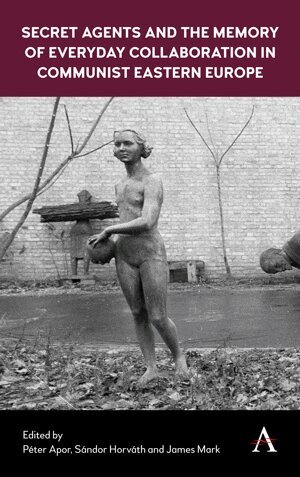
Secret Agents and the Memory of Everyday Collaboration in Communist Eastern Europe
Av Péter Apor, Sándor Horváth m. fl.
Inbunden, 2017
1190 kr
Lägg i varukorg
The collection of essays in Secret Agents and the Memory of Everyday Collaboration in Communist Eastern Europe addresses institutions that develop the concept of collaboration, and examines the function, social representation and history of secret police archives and institutes of national memory …
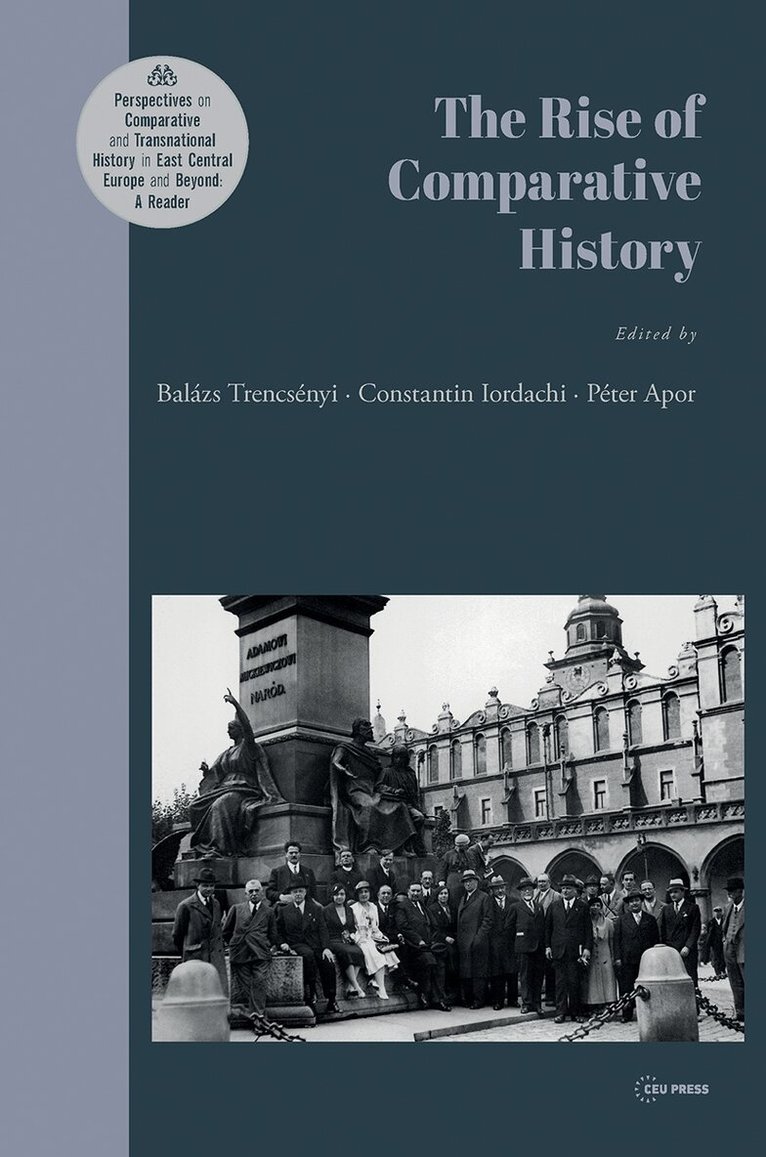
Rise of Comparative History
Av Balázs Trencsényi, Constantin Iordachi m. fl.
Inbunden, 2021
2136 kr
Lägg i varukorg
This book - the first of a three-volume overview of comparative and transnational historiography in Europe - focuses on the complex engagement of various comparative methodological approaches with different transnational and supranational frameworks. It considers scales from universal history to …
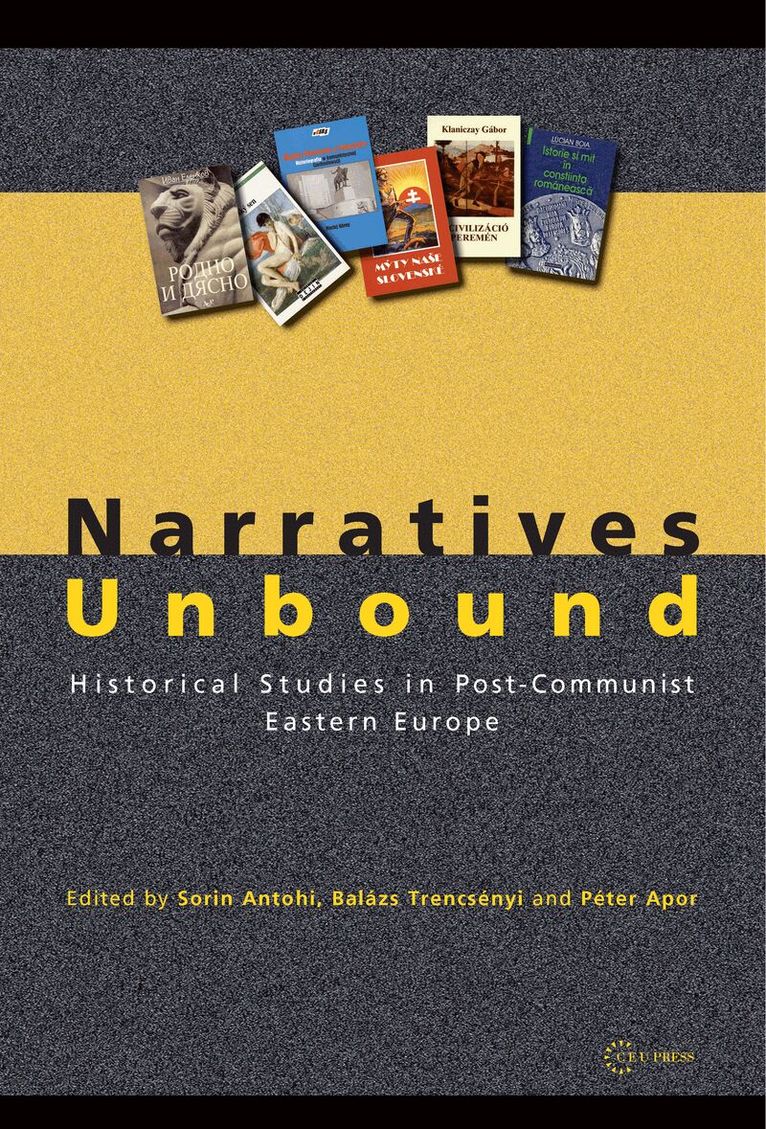
Narratives Unbound
Historical studies in post-communist Eastern Europe
Av Péter Apor, Sorin Antohi m. fl.
Inbunden, 2007
2345 kr
Lägg i varukorg
The first work that covers the post-Communist development of historical studies in six Eastern European countries: Bulgaria, Czech Republic, Hungary, Poland, Romania, and Slovakia. A uniquely critical and qualitative analysis from a comparative and critical perspective, written by scholars from the …
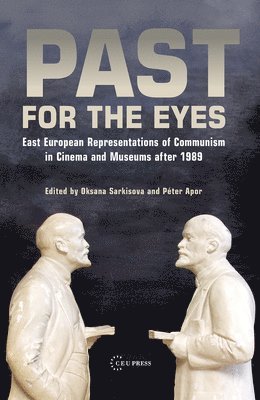
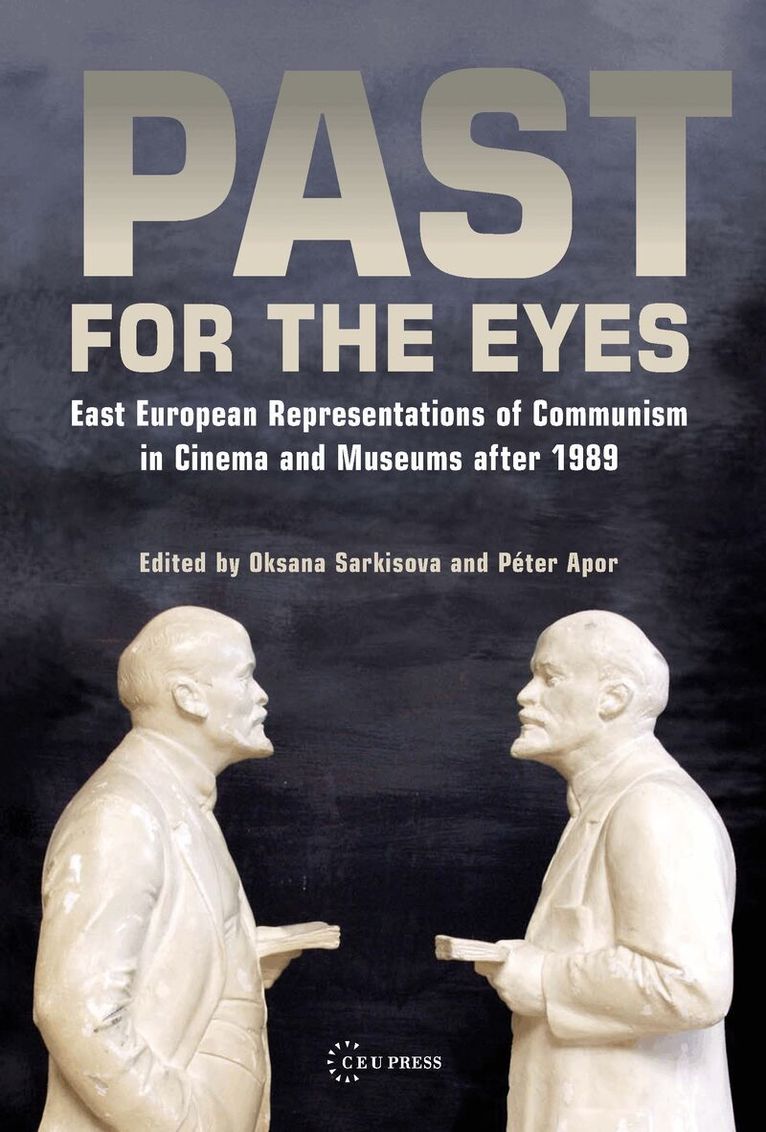
Past for the Eyes
East European Representations of Communism in Cinema and Museums After 1989
Av Oksana Sarkisova, Péter Apor
Inbunden, 2008
2136 kr
Lägg i varukorg
How do museums and cinema shape the image of the Communist past in today’s Central and Eastern Europe? This volume is the first systematic analysis of how visual techniques are used to understand and put into context the former regimes. After history “ended” in the Eastern Bloc in 1989, museums and …
Past for the Eyes
East European Representations of Communism in Cinema and Museums After 1989
Av Oksana Sarkisova, Péter Apor
Häftad, 2008
1086 kr
Lägg i varukorg
How do museums and cinema shape the image of the Communist past in today’s Central and Eastern Europe? This volume is the first systematic analysis of how visual techniques are used to understand and put into context the former regimes. After history “ended” in the Eastern Bloc in 1989, museums and …