Oliver Bange – författare
Visar alla böcker från författaren Oliver Bange. Handla med fri frakt och snabb leverans.
6 produkter
Helsinki 1975 and the Transformation of Europe
Av Gottfried Niedhart, Oliver Bange
E-bok, 2008
335 kr
Lägg i varukorg
It was in Europe that the Cold War reached a decisive turning point in the 1960s, leading to the era of détente. The Conference on Security and Cooperation in Europe (CSCE), with its Final Act in Helsinki in August 1975, led to a rapprochement between East and West in the fields of security, …
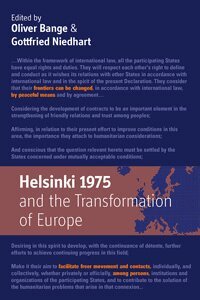
Helsinki 1975 and the Transformation of Europe
Av Oliver Bange, Gottfried Niedhart
Inbunden, 2008
1979 kr
Lägg i varukorg
It was in Europe that the Cold War reached a decisive turning point in the 1960s, leading to the era of détente. The Conference on Security and Cooperation in Europe (CSCE), with its Final Act in Helsinki in August 1975, led to a rapprochement between East and West in the fields of security, …
Wege Zur Wiedervereinigung
Die Beiden Deutschen Staaten in Ihren Bündnissen 1970 Bis 1990
Inbunden, 2013
602 kr
Lägg i varukorg
Die letzten zwanzig Jahre des Kalten Krieges brachten trotz aller Konflikte eine neue, auf antagonistische Kooperation und Transformation ausgelegte Dynamik in die Ost-West- Beziehungen. Vor dem Hintergrund der aktuellen transatlantischen Debatte über die langfristigen Ursachen von 1989 spüren …
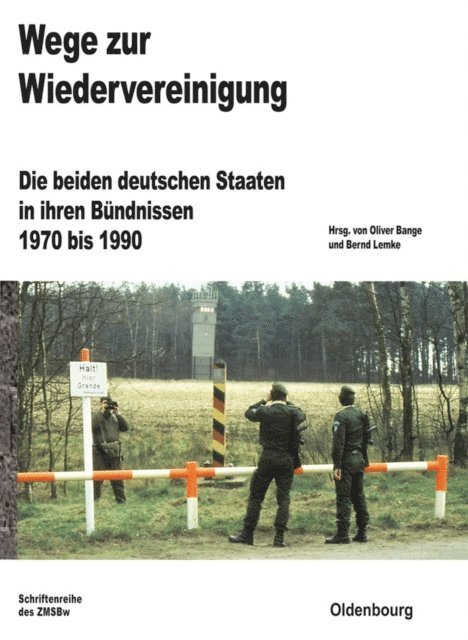
Wege zur Wiedervereinigung
Die beiden deutschen Staaten in ihren Bündnissen 1970 bis 1990
E-bok, 2013
669 kr
Lägg i varukorg
Die letzten zwanzig Jahre des Kalten Krieges brachten trotz aller Konflikte eine neue, auf antagonistische Kooperation und Transformation ausgelegte Dynamik in die Ost-West- Beziehungen. Vor dem Hintergrund der aktuellen transatlantischen Debatte über die langfristigen Ursachen von 1989 spüren …
Zwischen Bündnistreue und staatlichen Eigeninteressen
Av Oliver Bange
Häftad, 2019
212 kr
Lägg i varukorg
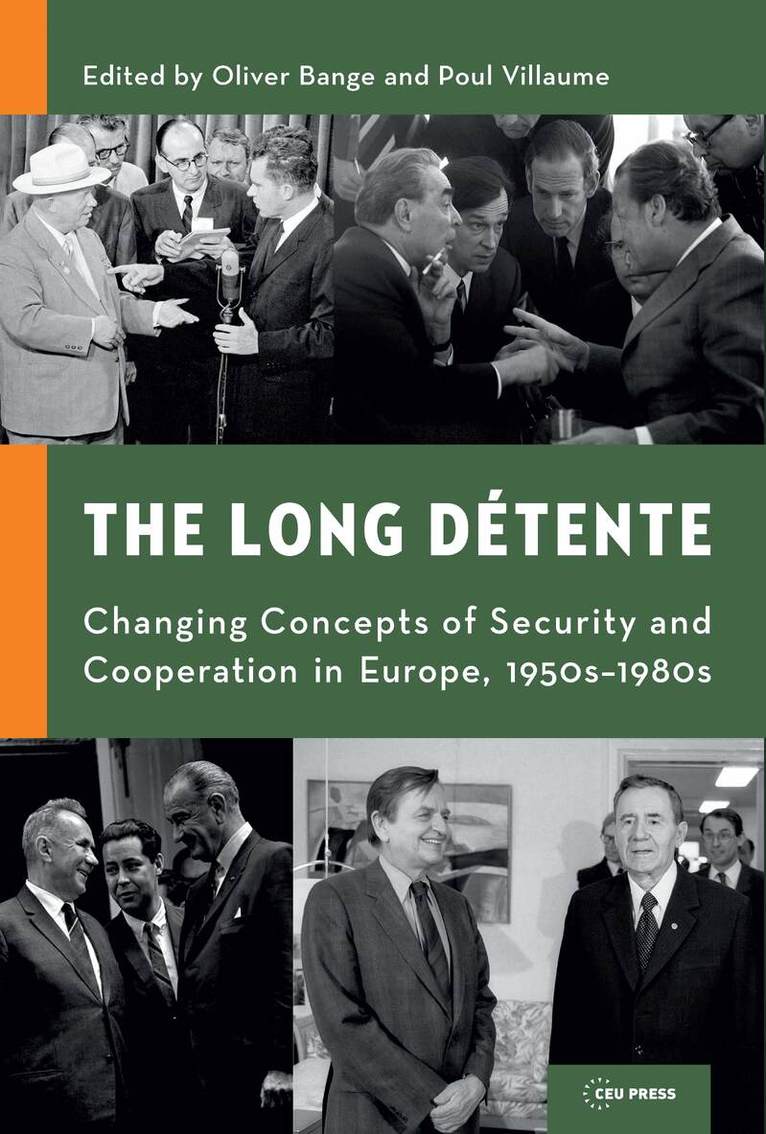
Long Détente
Changing Concepts of Security and Cooperation in Europe, 1950s–1980s
Av Poul Villaume, Oliver Bange
Inbunden, 2017
1938 kr
Lägg i varukorg
This book presents pieces of evidence, which – taken together – lead to an argument that goes against the grain of the established Cold War narrative. The argument is that a “long détente” existed between East and West from the 1950s to the 1980s, that it existed and lasted for good (economic, …