Oliver Botar - Böcker
Visar alla böcker från författaren Oliver Botar. Handla med fri frakt och snabb leverans.
2 produkter
2 produkter
343 kr
Skickas inom 7-10 vardagar
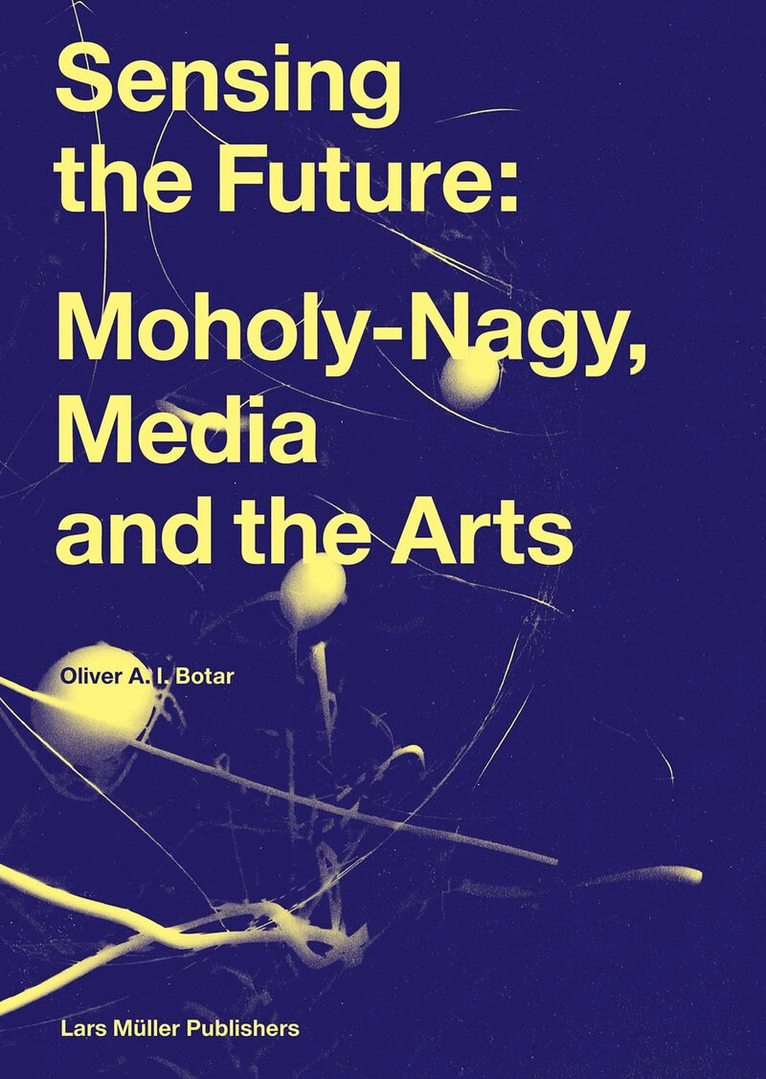
Life in the digital economy of information and images enriches us but often induces a sense of being overwhelmed. Sensing the Future: Moholy-Nagy, Media and the Arts considers the impact of technology by exploring ways it was addressed in the practice of the Hungarian poly-math artist László Moholy-Nagy (1895–1946), a prominent professor at the Bauhaus and a key figure in the history of Modernism. Moholy-Nagy felt that people needed guidance to cope with the onslaught of sensory input in an increasingly technologized, mediatized, hyper-stimulating environment. His ideas informed media theorists such as Walter Benjamin, John Cage, Sigfried Giedion and Marshall McLuhan, who anticipated digital culture as it emerged. Should we then regard Moholy-Nagy asa pioneer of the digital? His aesthetic engagement with the technology/body problematic broached the notions of immersion, interactivity and bodily participation, innately offering a critique of today’s disembodiment.Was he then both a pioneer and a proto-critic of the digital? This book is intended to introduce this seminal figure of post-medial practices to younger generations and, by including responses to his work by contemporary artists, to reflect on the ways in which his work is relevant to artistic practice now.Having been highly praised by experts, this classic receives a second and slightly revised edition.
Del 42 - Avant-Garde Critical Studies
Cannibalizing the Canon
Dada Techniques in East-Central Europe
Inbunden, Engelska, 2024
2 376 kr
Skickas inom 5-8 vardagar
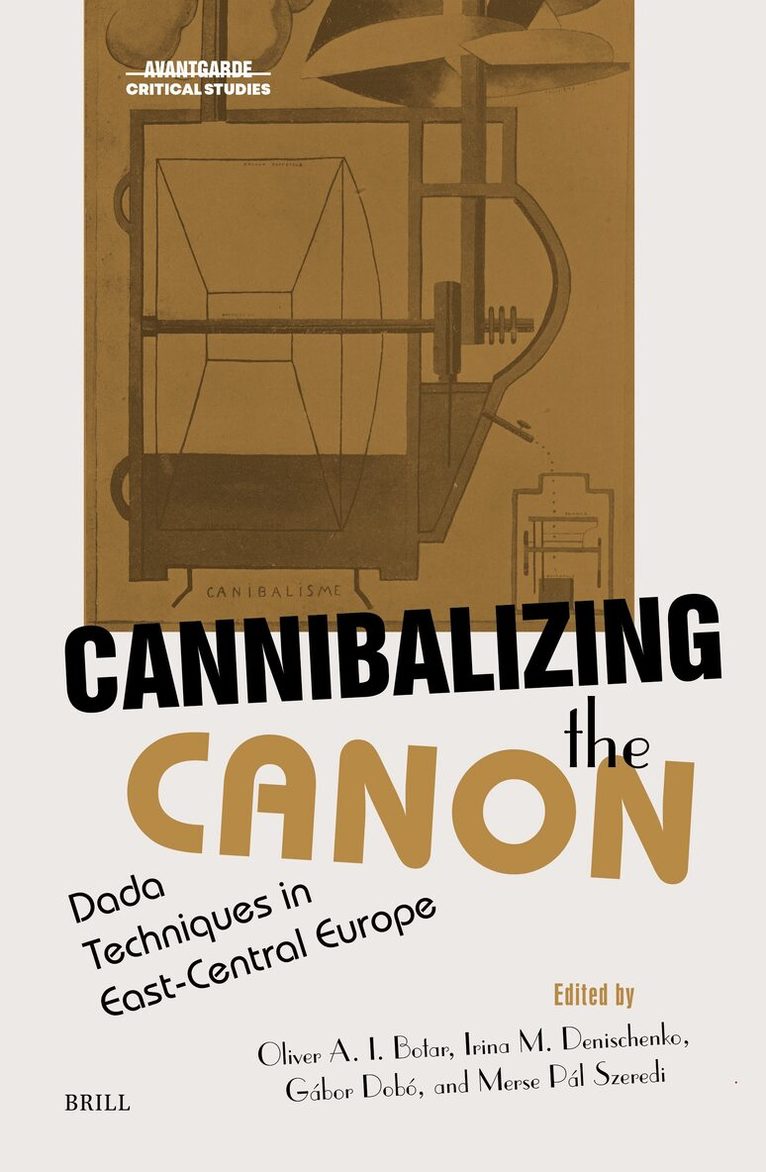
This rich, in-depth exploration of Dada’s roots in East-Central Europe is a vital addition to existing research on Dada and the avant-garde. Through deeply researched case studies and employing novel theoretical approaches, the volume rewrites the history of Dada as a story of cultural and political hybridity, border-crossings, transitions, and transgressions, across political, class and gender lines. Dismantling prevailing notions of Dada as a “Western” movement, the contributors to this volume present East-Central Europe as the locus of Dada activity and techniques. The articles explore how artists from the region pre-figured Dada as well as actively “cannibalized”, that is, reabsorbed and further hybridized, a range of avant-garde techniques, thus challenging “Western” cultural hegemony.