Oliver H. Creighton - Böcker
Visar alla böcker från författaren Oliver H. Creighton. Handla med fri frakt och snabb leverans.
5 produkter
5 produkter
379 kr
Skickas inom 10-15 vardagar
Medieval castles were, alongside the great cathedrals, the most recognisable buildings of the medieval world. Closely associated with concepts of justice, lordship and authority as well as military might, castles came to encapsulate the period's very essence. Looking at above and below-ground evidence and examining a wide variety of sites - from towering donjons to earth and timber castles - in different parts of western Europe, this book explores the relationship between early castle building and the emergence of a new aristocracy and investigates the impact of authority on the organisation of the landscape.A particular focus is on the social context of early private fortifications: Europe’s earliest castles came to embody a new and radically different form of power – an aristocratic authority that was highly personal in nature, glaringly visible in its presence, and enforceable through violence, both threatened and real. The volume reassesses traditional models of castle origins; examines aspects of elite lifestyle in and around these structures, including pastimes and diet; considers medieval visual experiences of sites and their settings; and explores some future directions for research.
1 897 kr
Skickas inom 7-10 vardagar
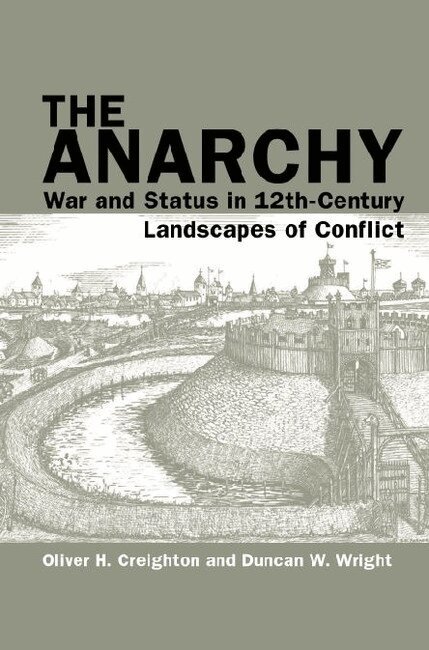
The turbulent reign of Stephen, King of England (1135–54), has been styled since the late 19th century as 'the Anarchy’, although the extent of political breakdown during the period has since been vigorously debated. Rebellion and bitter civil war characterised Stephen’s protracted struggle with rival claimant Empress Matilda and her Angevin supporters over ‘nineteen long winters’ when, according to the Anglo-Saxon Chronicle, ‘Christ and his Saints slept’. Drawing on new research and fieldwork, this innovative volume offers the first ever overview and synthesis of the archaeological and material record for this controversial period. It presents and interrogates many different types of evidence at a variety of scales, ranging from nationwide mapping of historical events through to conflict landscapes of battlefields and sieges. The volume considers archaeological sites such as castles and other fortifications, churches, monasteries, bishops’ palaces and urban and rural settlements, alongside material culture including coins, pottery, seals and arms and armour. This approach not only augments but also challenges historical narratives, questioning the ‘real’ impact of Stephen’s troubled reign on society, settlement, church and the landscape, and opens up new perspectives on the conduct of Anglo-Norman warfare
Castles, Siegeworks and Settlements
Surveying the Archaeology of the Twelfth Century
Häftad, Engelska, 2016
680 kr
Skickas
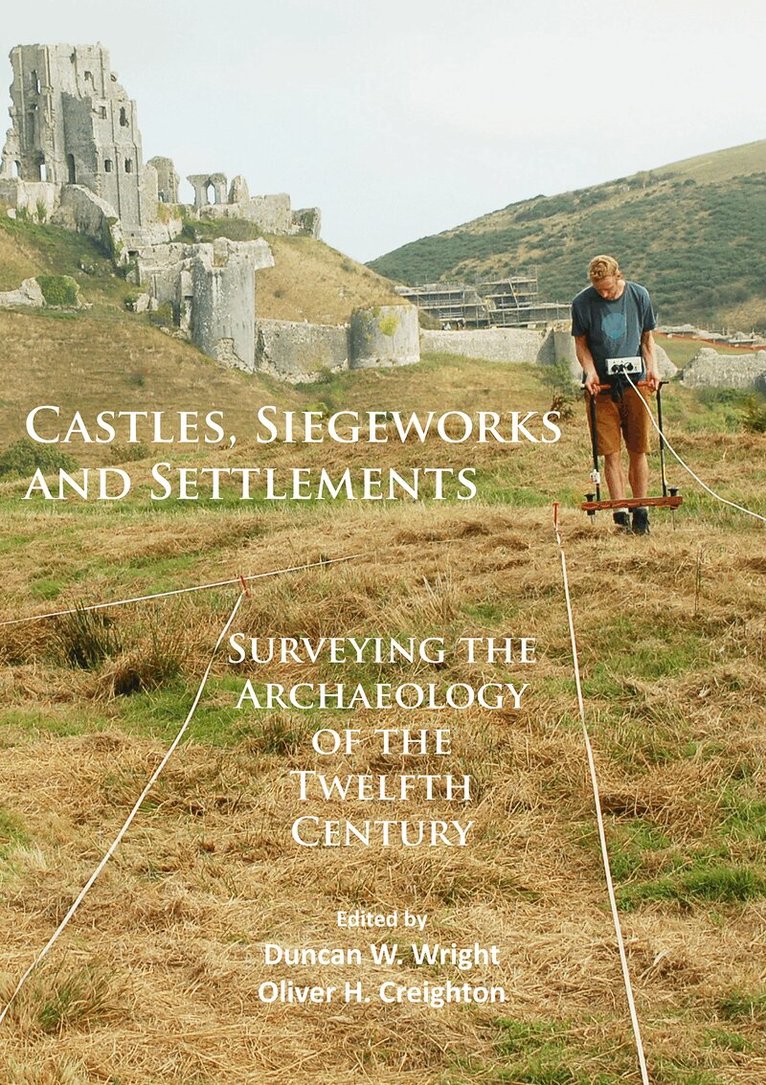
This volume comprises thirteen reports detailing fieldwork undertaken by a research project which sought to assess the archaeological evidence of the period of conflict that took place in mid-twelfth-century England popularly known as ‘the Anarchy’. The reign of King Stephen (ad 1135– 54) was characterised by a protracted struggle for power between forces loyal to the crown and those who supported the Angevin claim of his cousin and rival, the Empress Matilda. Alongside a succession of bitter rebellions the war also saw large-scale Scottish invasions into, and occupation of, large parts of northern England as well as border warfare on the marches between England and Wales and a struggle for control of Normandy. While the period is infamous for the proliferation of conflict, castle-building and siege warfare, and for a breakdown of royal government, its characterisation as ‘the Anarchy’ is now challenged by historians, however. As previous understanding of this tumultuous period had rested almost entirely upon interpretation of written sources, Anarchy? War and Status in Twelfth-Century Landscapes of Conflict was a programme of research which systematically studied the archaeology of mid-twelfth century England for the first time. A major component of the project was the targeted archaeological investigation of selected case study locations across England. Geophysical and topographic surveys were supplemented with archival, documentary and cartographic analyses in order to reveal the character and chronological development of a sample of potential Anarchy-period sites and landscapes. The current volume represents the product of these endeavours, presenting self-contained reports of the sites where these investigations took place, arranged alphabetically.
481 kr
Skickas inom 7-10 vardagar
The turbulent reign of Stephen, King of England (1135–54), has been styled since the late 19th century as 'the Anarchy’, although the extent of political breakdown during the period has since been vigorously debated. Rebellion and bitter civil war characterised Stephen’s protracted struggle with rival claimant Empress Matilda and her Angevin supporters over ‘nineteen long winters’ when, according to the Anglo-Saxon Chronicle, ‘Christ and his Saints slept’. Drawing on new research and fieldwork, this innovative volume offers the first ever overview and synthesis of the archaeological and material record for this controversial period. It presents and interrogates many different types of evidence at a variety of scales, ranging from nationwide mapping of historical events through to conflict landscapes of battlefields and sieges. The volume considers archaeological sites such as castles and other fortifications, churches, monasteries, bishops’ palaces and urban and rural settlements, alongside material culture including coins, pottery, seals and arms and armour. This approach not only augments but also challenges historical narratives, questioning the ‘real’ impact of Stephen’s troubled reign on society, settlement, church and the landscape, and opens up new perspectives on the conduct of Anglo-Norman warfare
Medieval Warhorse
Equestrian Landscapes, Material Culture and Zooarchaeology in Britain, AD 800–1550
Inbunden, Engelska, 2025
736 kr
Skickas inom 7-10 vardagar
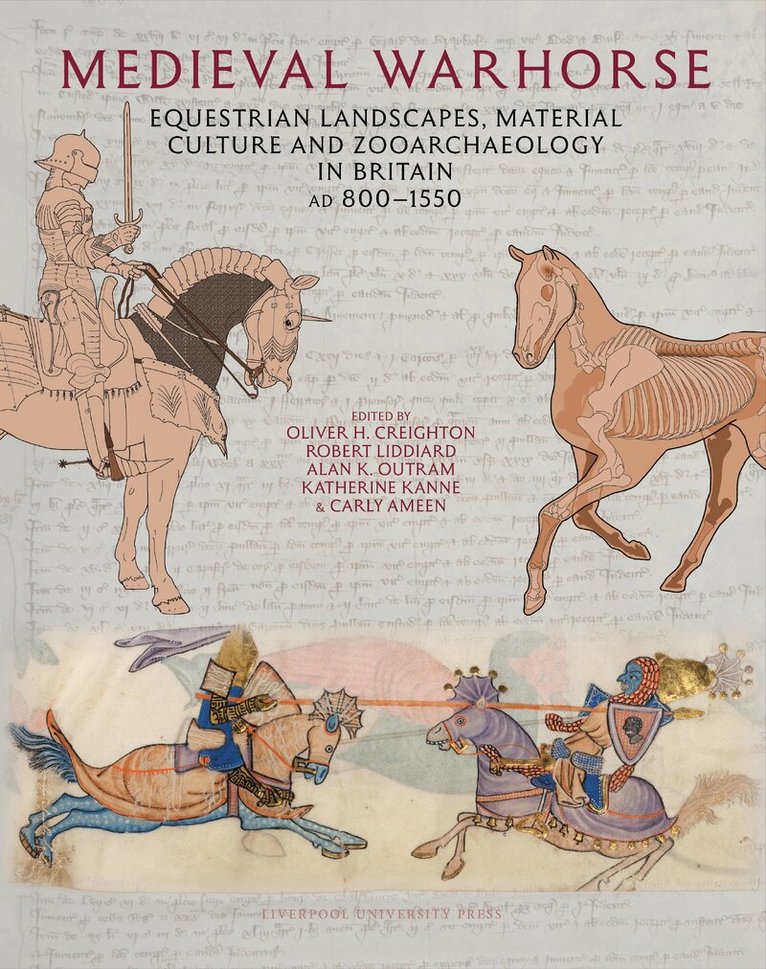
Nominated for Current Archaeology Book of the Year 2026The image of the armoured knight mounted on his charging warhorse is one of the most evocative of the Middle Ages. As distinctive symbols of social status, horses were central to the medieval aristocratic image and closely bound up with concepts of knighthood and chivalry, while as weapons of war bred for size, strength and stamina, they changed the face of battle.Drawing upon new interdisciplinary research, this volume presents a fresh perspective on warhorses, and medieval horses generally, in Britain, understood within its wider European context. It adopts an integrated approach that covers the full array of evidence for medieval horses, from their physical remains (bones, teeth and DNA), equipment and armour, through to visual sources such as sculpture and wall paintings, and documentary and landscape evidence for the environments in which they were bred and trained. Analyses of these sources of information are first presented individually, and then integrated and cross-compared with the historical record to present a new chronology of horse stature, conformation and appearance and to generate new understandings of the changing place of the horse in the medieval world.