Olufemi Vaughan - Böcker
Visar alla böcker från författaren Olufemi Vaughan. Handla med fri frakt och snabb leverans.
7 produkter
7 produkter
893 kr
Skickas inom 10-15 vardagar
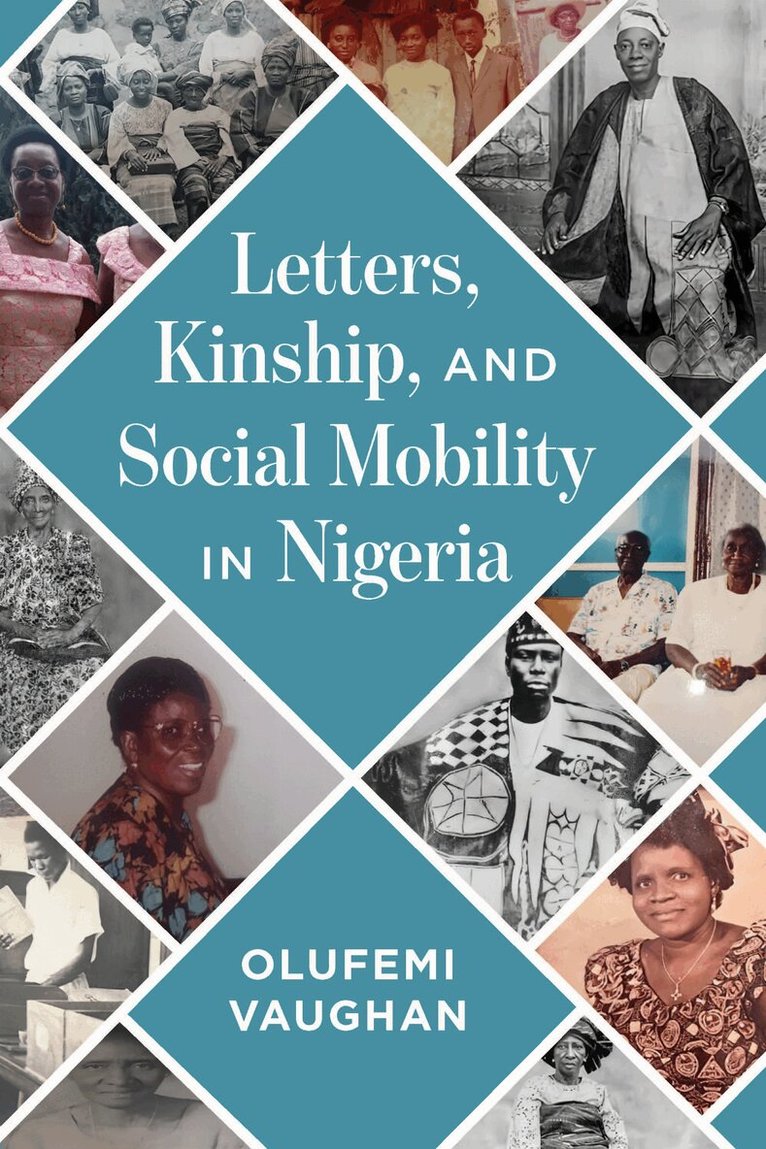
In 2003, Olufemi Vaughan received from his ninety-five-year-old father, Abiodun, a trove of more than three thousand letters written by four generations of his family in Ibadan, Nigeria, between 1926 and 1994. The people who wrote these letters had emerged from the religious, social, and educational institutions established by the Church Missionary Society, the preeminent Anglican mission in the Atlantic Nigerian region following the imposition of British colonial rule. Abiodun, recruited to be a civil servant in the colonial Department of Agriculture, became a leader of a prominent family in Ibadan, the dominant Yoruba city in southern Nigeria. Reading deeply in these letters, Vaughan realized he had a unique set of sources to illuminate everyday life in modern Nigeria.Letter writing was a dominant form of communication for Western-educated elites in colonial Africa, especially in Nigeria. Exposure to the modern world and a growing sense of nationalism were among the factors that led people to begin exchanging letters, particularly in their interactions with British colonial authorities. Through careful textual analysis and broad contextualization, Vaughan reconstructs dominant storylines, including themes such as kinship, social mobility, Western education, modernity, and elite consolidation in colonial and post-colonial Nigeria. Vaughan brings his prodigious skills as an interdisciplinary scholar to bear on this wealth of information, bringing to life a portrait, at once intimate and expansive, of a community during a transformative period in African history.
325 kr
Skickas inom 10-15 vardagar
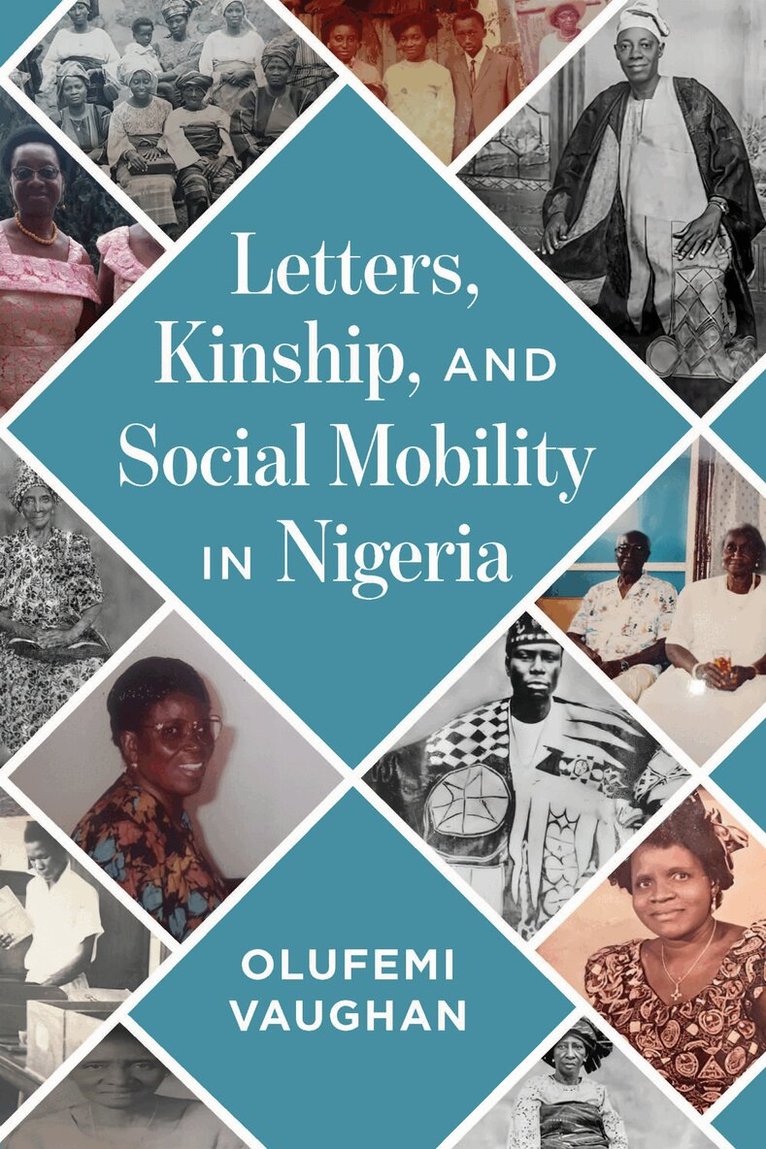
In 2003, Olufemi Vaughan received from his ninety-five-year-old father, Abiodun, a trove of more than three thousand letters written by four generations of his family in Ibadan, Nigeria, between 1926 and 1994. The people who wrote these letters had emerged from the religious, social, and educational institutions established by the Church Missionary Society, the preeminent Anglican mission in the Atlantic Nigerian region following the imposition of British colonial rule. Abiodun, recruited to be a civil servant in the colonial Department of Agriculture, became a leader of a prominent family in Ibadan, the dominant YorÙbÁ city in southern Nigeria. Reading deeply in these letters, Vaughan realized he had a unique set of sources to illuminate everyday life.Letter writing was a dominant form of communication for Western-educated elites in colonial Africa, especially in Nigeria. Exposure to the modern world and a growing sense of nationalism were among the factors that led people to begin exchanging letters, particularly in their interactions with British colonial authorities. Vaughan reconstructs dominant storylines, including themes such as kinship, social mobility, Western education, modernity, and elite consolidation in colonial and postcolonial Nigeria. He brings to life a portrait, at once intimate and expansive, of a community during a transformative period in African history.
1 638 kr
Skickas inom 10-15 vardagar
This book takes as its theme the ways in which governments legitimate their rule, both to themselves and to their subjects. Its introduction explores legitimacy and pre-colonial states, but the three sections of the book deal with colonial legitimacy, the question of legitimation in the transition from colonialism to majority rule, and the contemporary debate about accountability.
1 476 kr
Skickas inom 7-10 vardagar
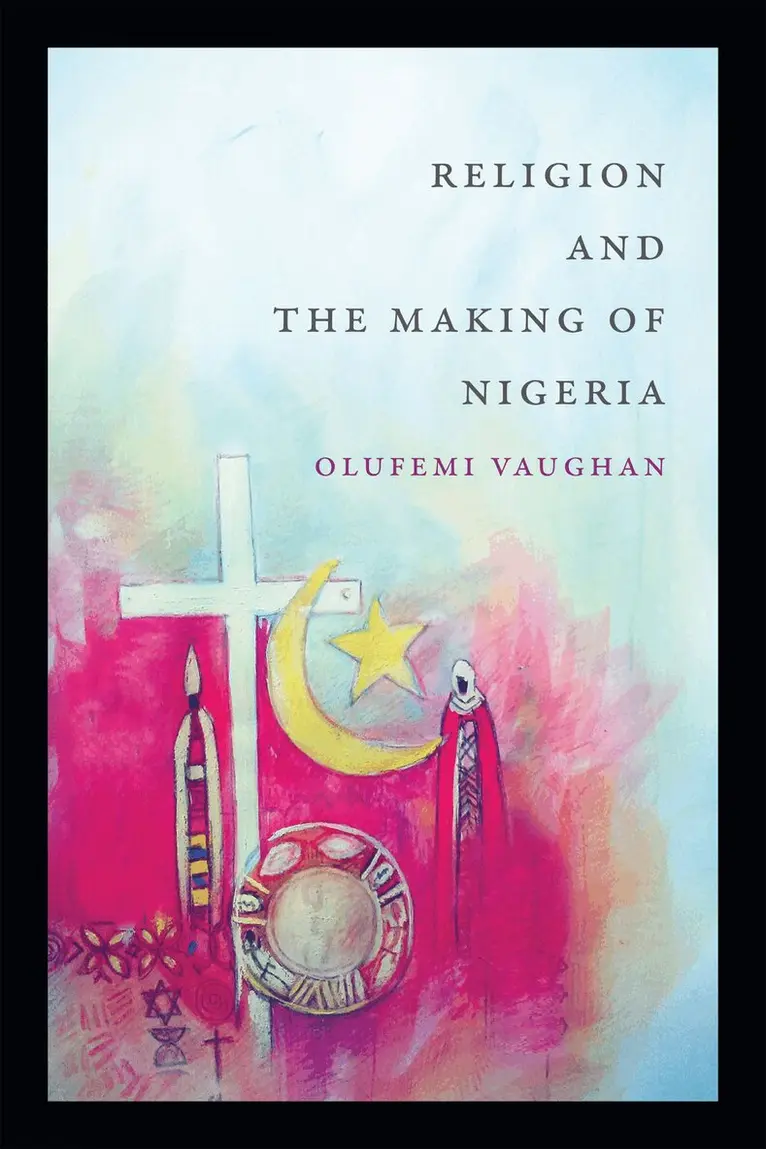
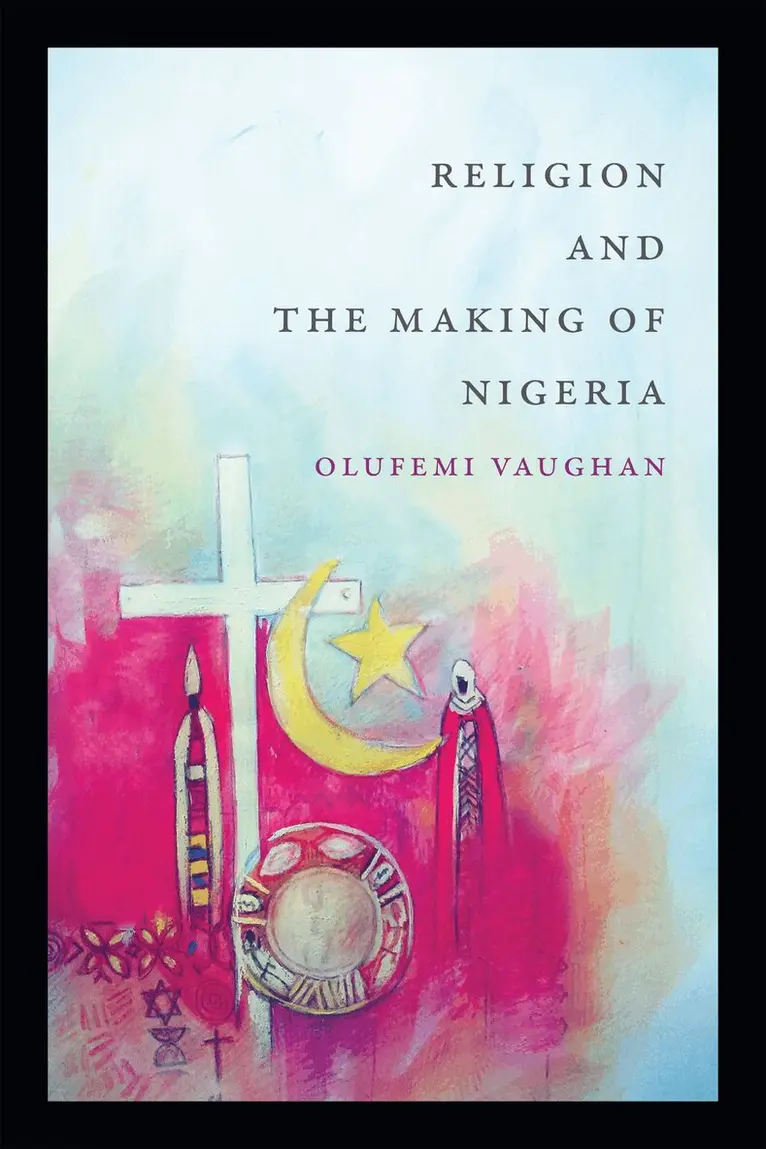
In Religion and the Making of Nigeria, Olufemi Vaughan examines how Christian, Muslim, and indigenous religious structures have provided the essential social and ideological frameworks for the construction of contemporary Nigeria. Using a wealth of archival sources and extensive Africanist scholarship, Vaughan traces Nigeria’s social, religious, and political history from the early nineteenth century to the present. During the nineteenth century, the historic Sokoto Jihad in today’s northern Nigeria and the Christian missionary movement in what is now southwestern Nigeria provided the frameworks for ethno-religious divisions in colonial society. Following Nigeria’s independence from Britain in 1960, Christian-Muslim tensions became manifest in regional and religious conflicts over the expansion of sharia, in fierce competition among political elites for state power, and in the rise of Boko Haram. These tensions are not simply conflicts over religious beliefs, ethnicity, and regionalism; they represent structural imbalances founded on the religious divisions forged under colonial rule.
365 kr
Skickas inom 7-10 vardagar
In Religion and the Making of Nigeria, Olufemi Vaughan examines how Christian, Muslim, and indigenous religious structures have provided the essential social and ideological frameworks for the construction of contemporary Nigeria. Using a wealth of archival sources and extensive Africanist scholarship, Vaughan traces Nigeria’s social, religious, and political history from the early nineteenth century to the present. During the nineteenth century, the historic Sokoto Jihad in today’s northern Nigeria and the Christian missionary movement in what is now southwestern Nigeria provided the frameworks for ethno-religious divisions in colonial society. Following Nigeria’s independence from Britain in 1960, Christian-Muslim tensions became manifest in regional and religious conflicts over the expansion of sharia, in fierce competition among political elites for state power, and in the rise of Boko Haram. These tensions are not simply conflicts over religious beliefs, ethnicity, and regionalism; they represent structural imbalances founded on the religious divisions forged under colonial rule.
Mannish Water
Cultural Essays by Black Scholarly Men in 21st-Century America - Reflections on their Lives and their World
Häftad, Engelska, 2024
362 kr
Skickas inom 7-10 vardagar
Del 7 - Rochester Studies in African History and the Diaspora
Nigerian Chiefs
Traditional Power in Modern Politics, 1890s-1990s
Häftad, Engelska, 2006
342 kr
Skickas inom 10-15 vardagar
An analysis of how traditional power structures in Nigeria have survived the forces of colonialism and the modernization processes of postcolonial regimes.This book analyzes how indigenous political power structures in Nigeria survived both the constricting forces of colonialism and the modernization programs of postcolonial regimes. With twenty detailed case studies on colonial andpostcolonial Nigerian history, the complex interactions between chieftaincy structures and the rapidly shifting sociopolitical and economic conditions of the twentieth century become evident. Drawing on the interactions between the state and chieftaincy, this study goes beyond earlier Africanist scholarship that attributes the resilience of these indigenous structures to their enduring normative and utilitarian qualities. Linked to externally-derived forces, and legitimated by neotraditional themes, chieftaincy structures were distorted by the indirect rule system, transformed by competing communal claims, and legitimated a dominant ethno-regional power configuration.Olufemi Vaughan is Professor in the Department of Africana Studies and the Department of History, State University of New York at Stony Brook.Winner of the 2001 Cecil B. Currey Book-length Award from the Association ofThird World Studies.