Omar Valerio-Jimenez - Böcker
Visar alla böcker från författaren Omar Valerio-Jimenez. Handla med fri frakt och snabb leverans.
5 produkter
5 produkter
1 365 kr
Skickas inom 7-10 vardagar
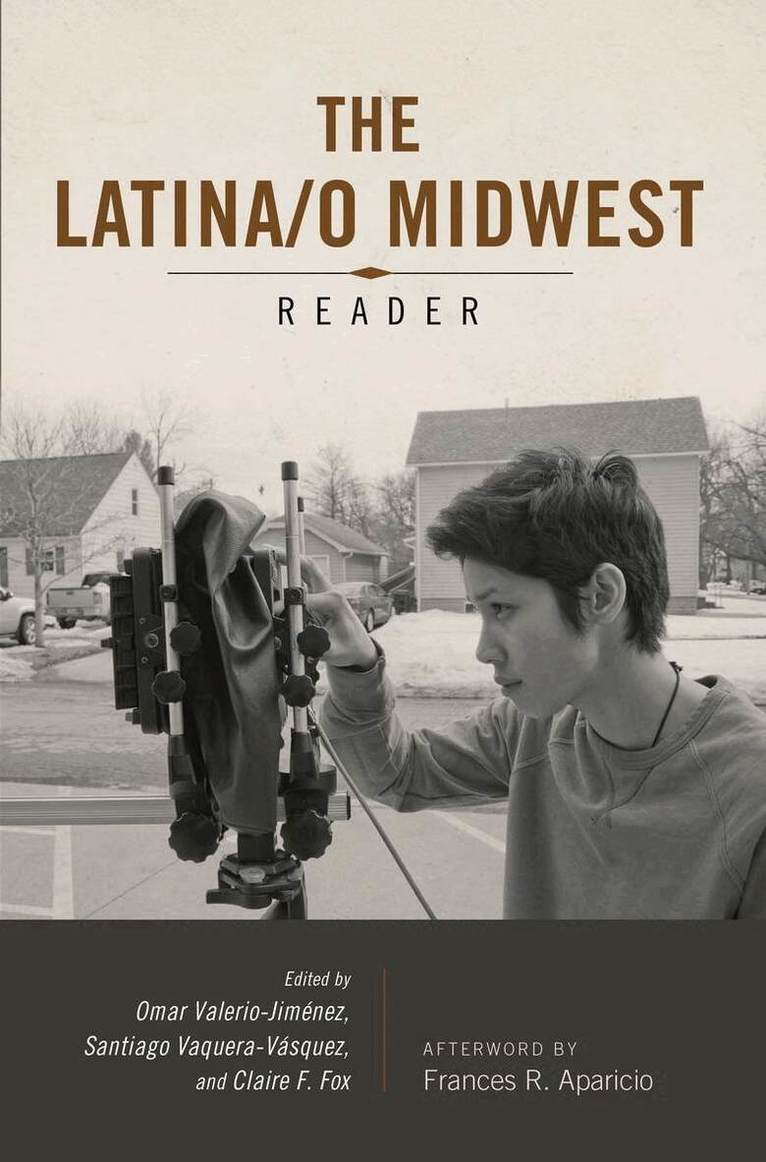
From 2000 to 2010, the Latino population increased by more than 73 percent across eight midwestern states. These interdisciplinary essays explore issues of history, education, literature, art, and politics defining today's Latina/o Midwest. Some contributors delve into the Latina/o revitalization of rural areas, where communities have launched bold experiments in dual-language immersion education while seeing integrated neighborhoods, churches, and sports teams become the norm. Others reveal metro areas as laboratories for emerging Latino subjectivities, places where for some, the term Latina/o itself corresponds to a new type of lived identity as different Latina/o groups interact in shared neighborhoods, schools, and workplaces. Eye-opening and provocative, The Latina/o Midwest Reader rewrites the conventional wisdom on today's Latina/o community and how it faces challenges—and thrives—in the heartland. Contributors: Aidé Acosta, Frances R. Aparicio, Jay Arduser, Jane Blocker, Carolyn Colvin, María Eugenia Cotera, Theresa Delgadillo, Lilia Fernández, Claire F. Fox, Felipe Hinojosa, Michael D. Innis-Jiménez, José E. Limón, Marta María Maldonado, Louis G. Mendoza, Amelia María de la Luz Montes, Kim Potowski, Ramón H. Rivera-Servera, Rebecca M. Schreiber, Omar Valerio-Jiménez, Santiago Vaquera-Vásquez, Darrel Wanzer-Serrano, Janet Weaver, and Elizabeth Willmore
292 kr
Skickas inom 7-10 vardagar
From 2000 to 2010, the Latino population increased by more than 73 percent across eight midwestern states. These interdisciplinary essays explore issues of history, education, literature, art, and politics defining today's Latina/o Midwest. Some contributors delve into the Latina/o revitalization of rural areas, where communities have launched bold experiments in dual-language immersion education while seeing integrated neighborhoods, churches, and sports teams become the norm. Others reveal metro areas as laboratories for emerging Latino subjectivities, places where for some, the term Latina/o itself corresponds to a new type of lived identity as different Latina/o groups interact in shared neighborhoods, schools, and workplaces. Eye-opening and provocative, The Latina/o Midwest Reader rewrites the conventional wisdom on today's Latina/o community and how it faces challenges—and thrives—in the heartland. Contributors: Aidé Acosta, Frances R. Aparicio, Jay Arduser, Jane Blocker, Carolyn Colvin, María Eugenia Cotera, Theresa Delgadillo, Lilia Fernández, Claire F. Fox, Felipe Hinojosa, Michael D. Innis-Jiménez, José E. Limón, Marta María Maldonado, Louis G. Mendoza, Amelia María de la Luz Montes, Kim Potowski, Ramón H. Rivera-Servera, Rebecca M. Schreiber, Omar Valerio-Jiménez, Santiago Vaquera-Vásquez, Darrel Wanzer-Serrano, Janet Weaver, and Elizabeth Willmore
412 kr
Kommande
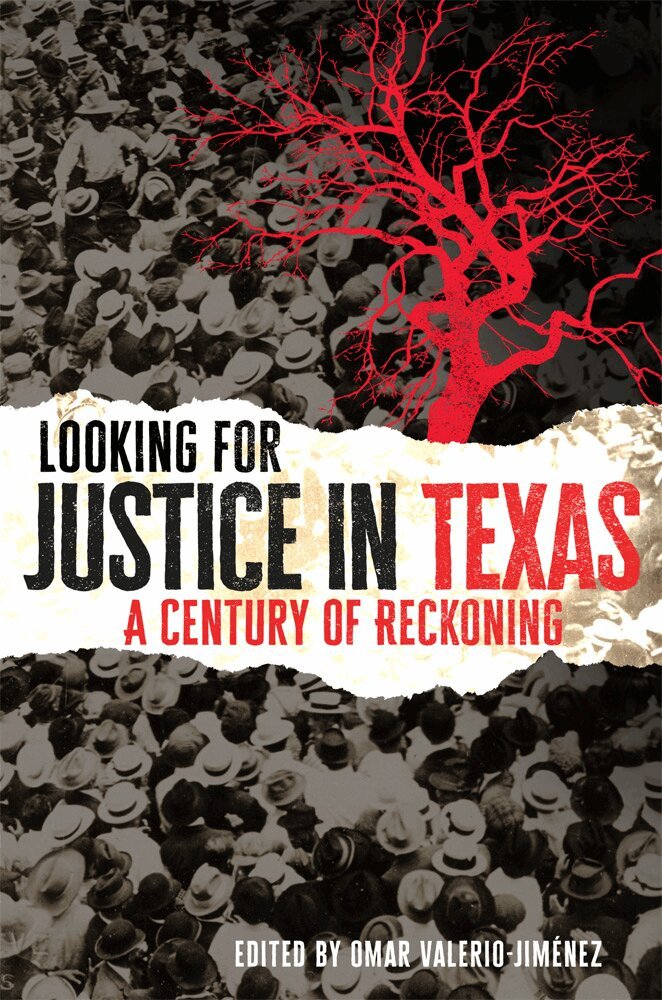
Communities of color have long been subject to extreme policing and surveillance in Texas. Despite such formidable challenges, these communities have launched multiple movements to ensure public safety and equal treatment before the law. Looking for Justice in Texas provides historical context for these contemporary problems by examining potent examples of over-policing and multiple acts of resistance that took place in the Lone Star State during the twentieth century.The contributors to this edited volume, both established and emerging scholars, employ original research to demonstrate that the over-policing of African Americans, Mexican Americans, and immigrants has an extensive history in Texas. Looking for Justice delves into a range of pertinent topics, including how the circuits of power link borderlands policing to law enforcement in other states, white club women's support for the installation of a Confederate memorial and the removal of a middle-class African-American community, the influence of the Ku Klux Klan in the establishment of local police departments, the courts' role in racial and gender-based discrimination against African Americans in East Texas the racialization of citizenship as a result of moral policing, the mobilization of Chicanos in response to anti-Mexican violence, and connections between the racialization of US citizenship and the policing of African immigrants.While much progress has been made in the struggle for justice, significant challenges remain among the state's communities of color. As volume editor Omar Valerio-Jiménez emphasizes in his thought-provoking conclusion, Texas's history of policing and struggles for racial justice are particularly relevant and important to understand in the present day if more progress is to be achieved.
1 095 kr
Skickas inom 10-15 vardagar
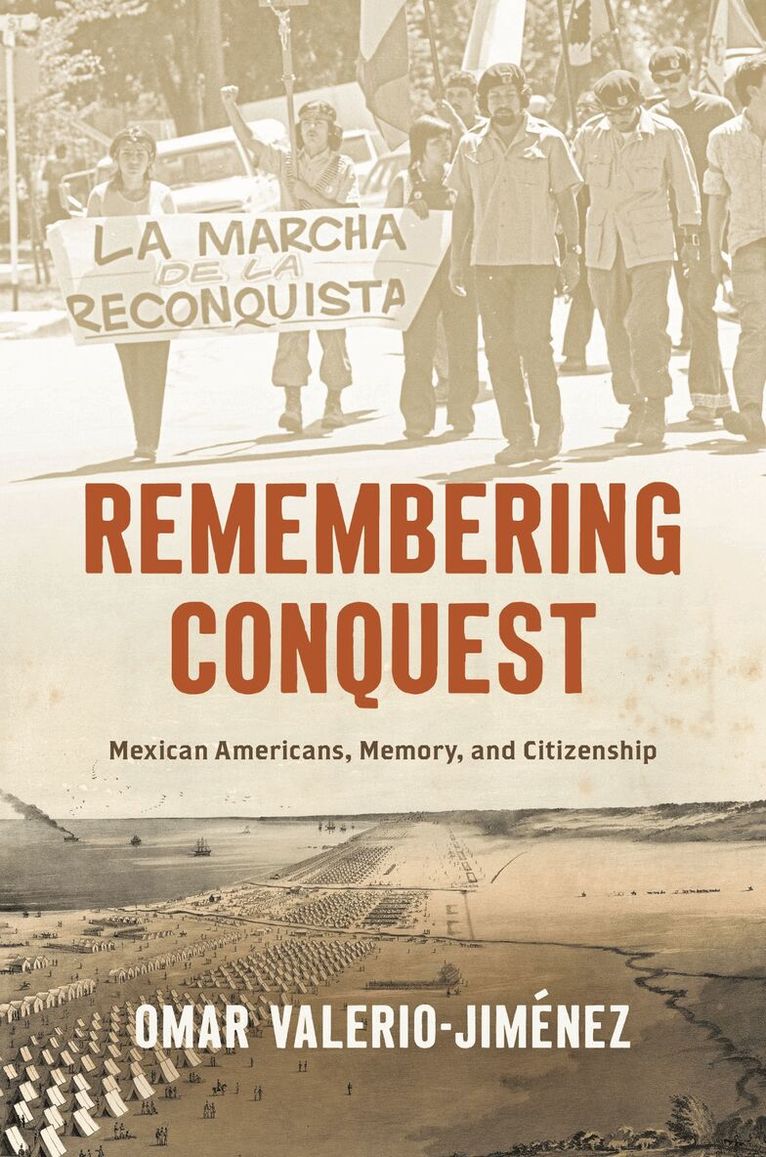
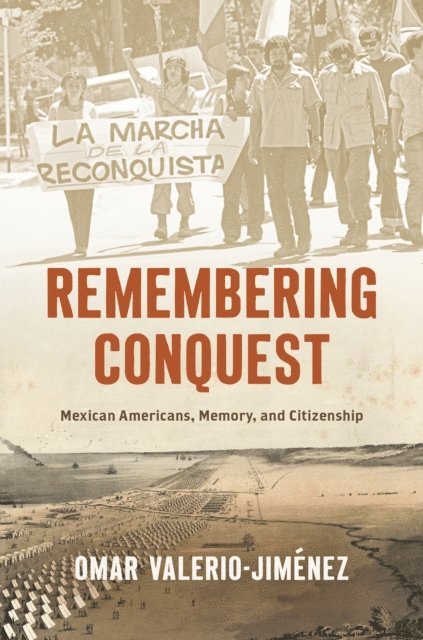
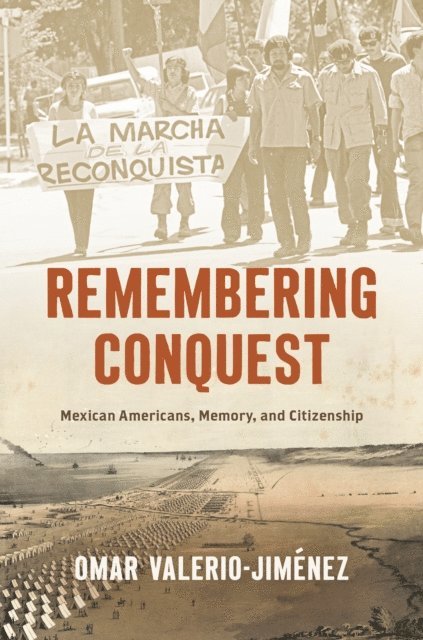
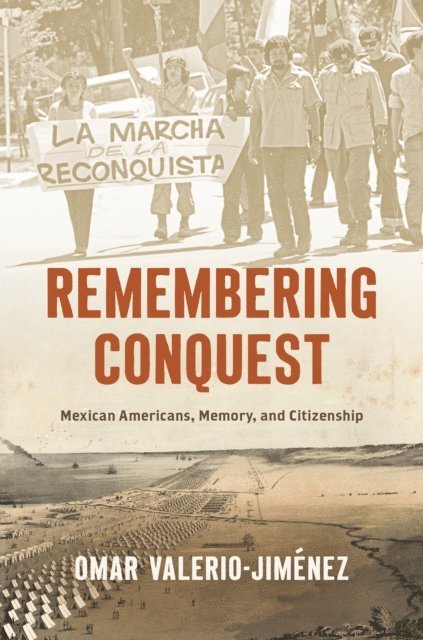
This book analyzes the ways collective memories of the US-Mexico War have shaped Mexican Americans' civil rights struggles over several generations. As the first Latinx people incorporated into the nation, Mexican Americans were offered US citizenship by the Treaty of Guadalupe Hidalgo, which ended the war. Because the 1790 Naturalization Act declared whites solely eligible for citizenship, the treaty pronounced Mexican Americans to be legally white. While their incorporation as citizens appeared as progress towards racial justice and the electorate's diversification, their second-class citizenship demonstrated a retrenchment in racial progress. Over several generations, civil rights activists summoned conquest memories to link Mexican Americans' poverty, electoral disenfranchisement, low educational attainment, and health disparities to structural and institutional inequalities resulting from racial retrenchments. Activists also recalled the treaty's citizenship guarantees to push for property rights, protection from vigilante attacks, and educational reform. Omar Valerio-Jimenez addresses the politics of memory by exploring how succeeding generations reinforced or modified earlier memories of conquest according to their contemporary social and political contexts. The book also examines collective memories in the US and Mexico to illustrate transnational influences on Mexican Americans and to demonstrate how community and national memories can be used strategically to advance political agendas.
305 kr
Skickas
This book analyzes the ways collective memories of the US-Mexico War have shaped Mexican Americans' civil rights struggles over several generations. As the first Latinx people incorporated into the nation, Mexican Americans were offered US citizenship by the Treaty of Guadalupe Hidalgo, which ended the war. Because the 1790 Naturalization Act declared whites solely eligible for citizenship, the treaty pronounced Mexican Americans to be legally white. While their incorporation as citizens appeared as progress towards racial justice and the electorate's diversification, their second-class citizenship demonstrated a retrenchment in racial progress. Over several generations, civil rights activists summoned conquest memories to link Mexican Americans' poverty, electoral disenfranchisement, low educational attainment, and health disparities to structural and institutional inequalities resulting from racial retrenchments. Activists also recalled the treaty's citizenship guarantees to push for property rights, protection from vigilante attacks, and educational reform. Omar Valerio-Jimenez addresses the politics of memory by exploring how succeeding generations reinforced or modified earlier memories of conquest according to their contemporary social and political contexts. The book also examines collective memories in the US and Mexico to illustrate transnational influences on Mexican Americans and to demonstrate how community and national memories can be used strategically to advance political agendas.