Ozan Ozavci - Böcker
Visar alla böcker från författaren Ozan Ozavci. Handla med fri frakt och snabb leverans.
8 produkter
8 produkter
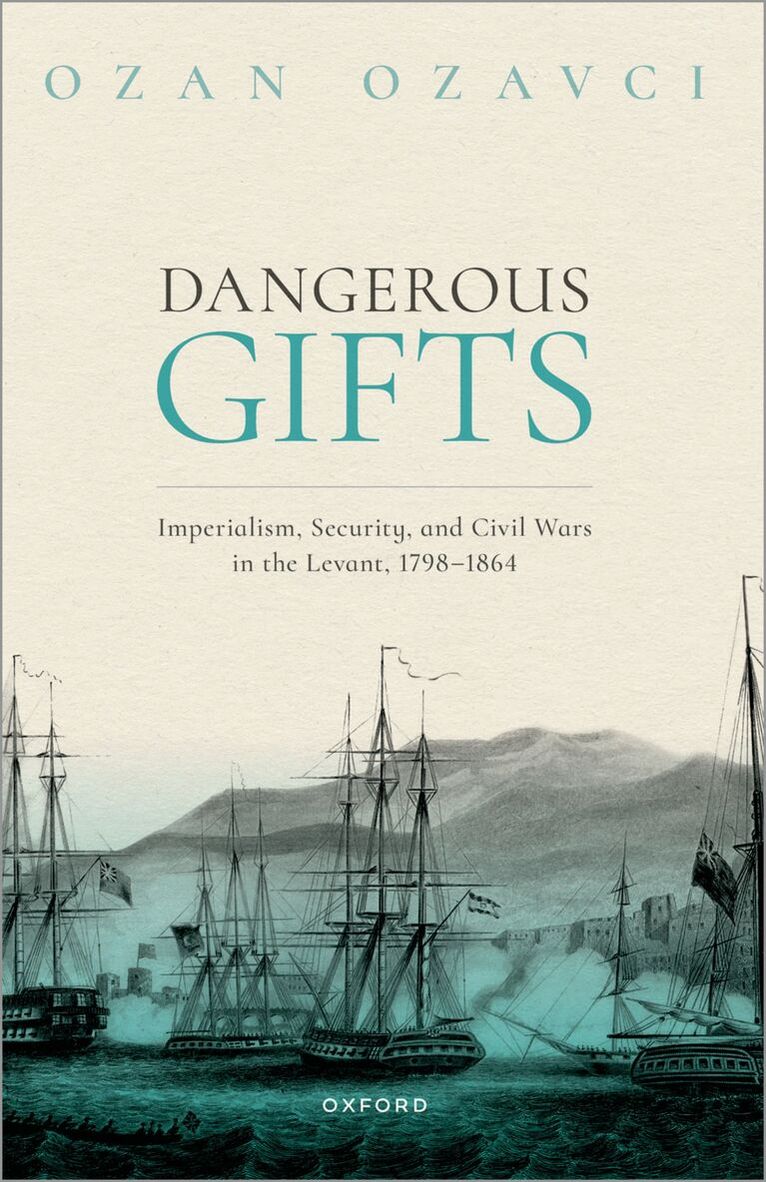
Dangerous Gifts
Imperialism, Security, and Civil Wars in the Levant, 1798-1864
Inbunden, Engelska, 2021
1 717 kr
Skickas inom 5-8 vardagar
From Napoleon Bonaparte's invasion of Egypt in 1798 to the foreign interventions in the ongoing civil wars in Syria, Yemen, and Libya today, global empires or the so-called Great Powers have long assumed the responsibility to bring security in the Middle East. The past two centuries have witnessed their numerous military occupations to 'liberate', 'secure' and 'educate' local populations. They staged first 'humanitarian' interventions in history and established hitherto unseen international and local security institutions. Consulting fresh primary sources collected from some thirty archives in the Middle East, Russia, the United States, and Western Europe, Dangerous Gifts revisits the late eighteenth and nineteenth century origins of these imperial security practices. It explicates how it all began. Why did Great Power interventions in the Ottoman Levant tend to result in further turmoil and civil wars? Why has the region been embroiled in a paradox-an ever-increasing demand despite the increasing supply of security-ever since? It embeds this highly pertinent genealogical history into an innovative and captivating narrative around the Eastern Question, emancipating the latter from the monopoly of Great Power politics, and foregrounding the experience of the Levantine actors. It explores the gradual yet still forceful opening up of the latter's economies to global free trade, the asymmetrical implementation of international law in their perspective, and the secondary importance attached to their threat perceptions in a world where political and economic decisions were ultimately made through the filter of global imperial interests.
447 kr
Skickas inom 5-8 vardagar
From Napoleon Bonaparte's invasion of Egypt in 1798 to the foreign interventions in the ongoing civil wars in Syria, Yemen, and Libya today, global empires or the so-called Great Powers have long assumed responsibility to bring security in the Middle East. The past two centuries have witnessed their numerous military occupations to 'liberate', 'secure', and 'educate' local populations. They staged the first 'humanitarian' interventions in history and established hitherto unseen international and local security institutions. Consulting fresh primary sources collected from some thirty archives in the Middle East, Russia, the United States, and Western Europe, Dangerous Gifts revisits the late eighteenth- and nineteenth-century origins of these imperial security practices. It questions how it all began. Why did Great Power interventions in the Ottoman Levant tend to result in further turmoil and civil wars? Why has the region been embroiled in a paradox—an ever-increasing demand for security despite its increasing supply—ever since? It embeds this highly pertinent genealogical history into an innovative and captivating narrative around the Eastern Question, freeing the latter f rom the monopoly of Great Power politics, and also foregrounding the experience of Levantine actors. It explores the gradual yet still forceful opening up of the latter's economies to global free trade, the asymmetrical implementation of international law from their perspective, and the secondary importance attached to their threat perceptions in a world where political and economic decisions were ultimately made through the filter of global imperial interests.
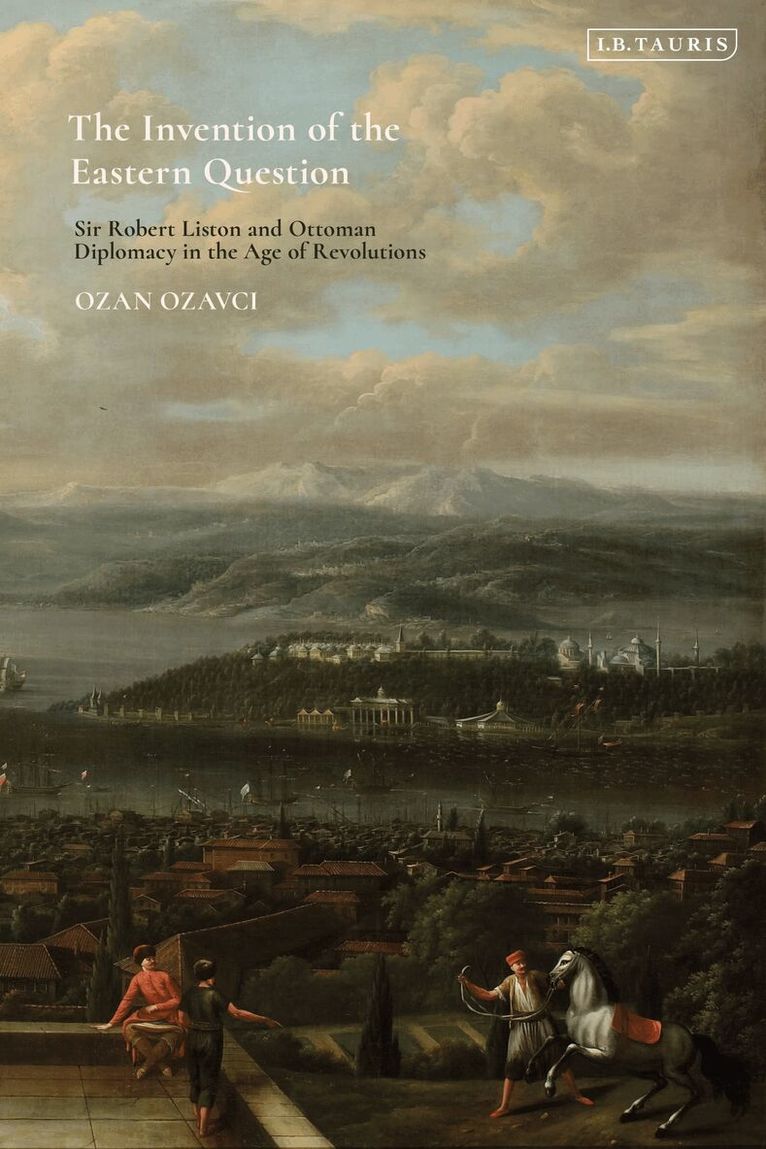
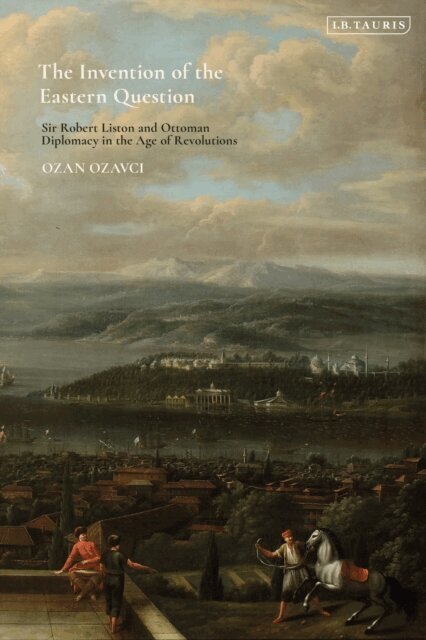
Invention of the Eastern Question
Sir Robert Liston and Ottoman Diplomacy in the Age of Revolutions
Inbunden, Engelska, 2025
1 177 kr
Skickas inom 10-15 vardagar
The Invention of the Eastern Question recounts the gripping and dramatic history of how the Russian Empire’s invasion of Ottoman Crimea reshaped global politics at the dawn of the nineteenth century. Through the lives of Scottish diplomat Sir Robert Liston and his wife Henrietta (née Marchand) Liston, the book follows the emergence of the Eastern Question— the most dangerous, enduring and complex international relations issue of the century that would claim millions of lives until the 1920s. Drawing on the Listons’ official and private letters, personal diaries and a trove of Austrian, British, Dutch, French, Ottoman, and Russian archives, Ozan Ozavci reveals the importance of the art of negotiation in the age of revolutions, showing how the choices of a few people shaped empires, stirred tensions, and left a legacy that would haunt global imperial relations long after the Listons left the world stage.Providing a new analysis of Euro-Ottoman relations at a crucial historical juncture, the book will be of great interest to scholars of history and International Relations.
The Invention of the Eastern Question: Sir Robert Liston and Ottoman Diplomacy in the Age of Revolutions
Häftad, Engelska, 2027
654 kr
Kommande
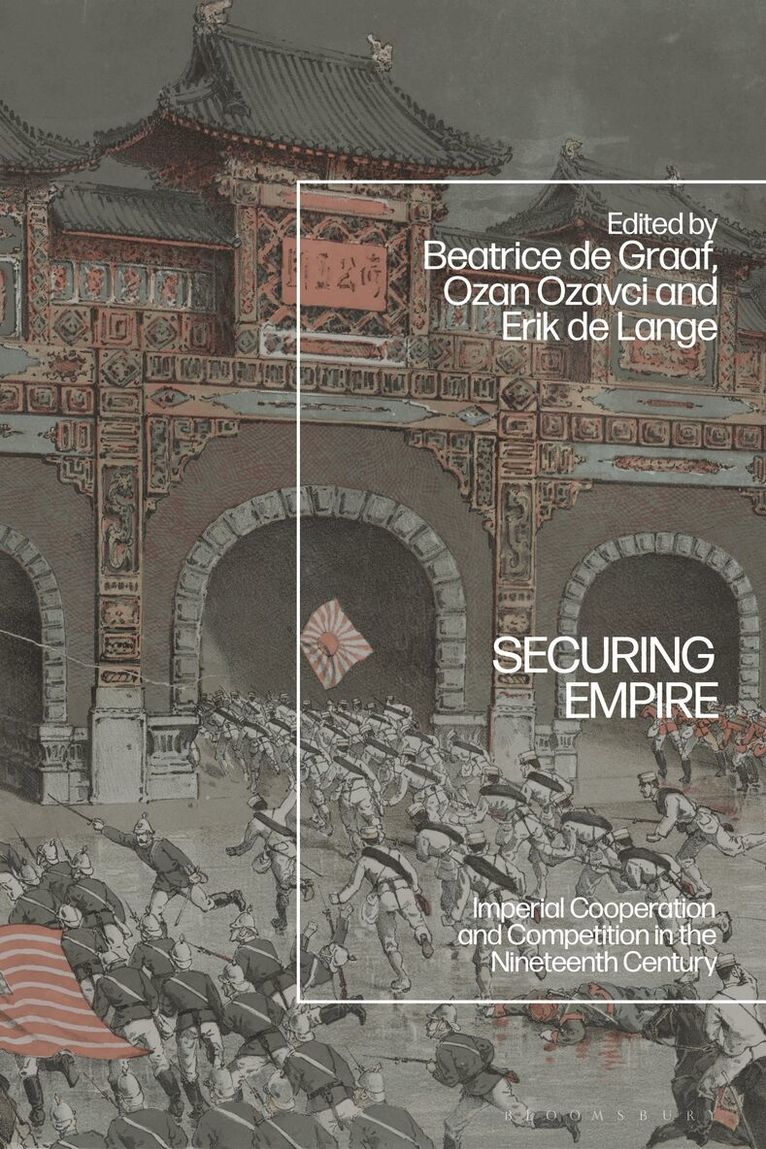
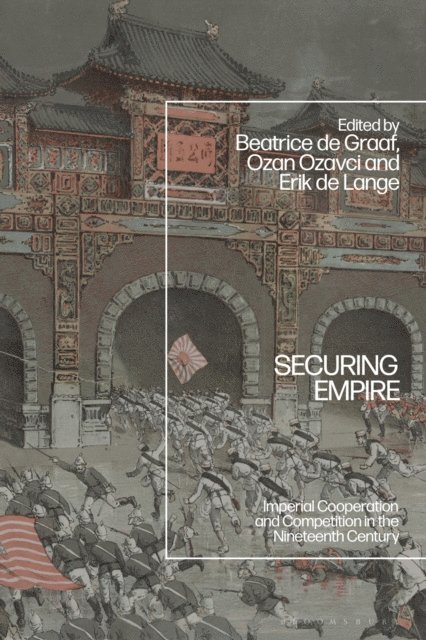
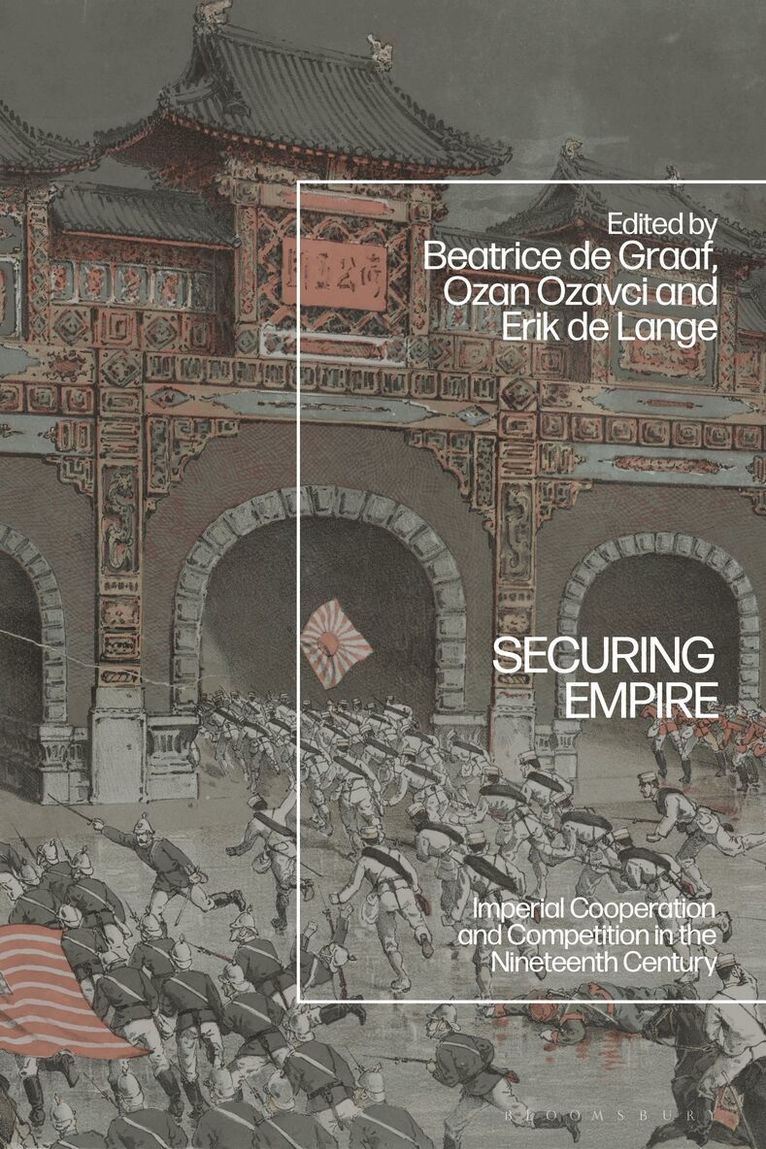
Securing Empire
Imperial Cooperation and Competition in the Nineteenth Century
Inbunden, Engelska, 2024
1 177 kr
Skickas inom 10-15 vardagar
This volume explores how the quest for security reshaped the world over the course of the 19th century, altering the structures, hierarchies and dynamics of international relations during a pivotal moment in world history.Taking a unique approach to imperial and international history, the essays in this volume show how security propelled imperial expansion, supported institutions of cooperation, maintained networks of imperial actors and shaped experiences of imperial rule. Contending that security should be studied as a force in its own right, one that drove processes of colonization, civilization and commerce, Securing Empire shows how cooperation between and across empires hinged on shared notions of threats and common ways of countering them.In showing that security did not solely inform, support and complicate unilateral imperial endeavours, but also brought different imperial entities together and forged global modes of government, this book shows how integral security was to the ‘global transformation’ of the 19th century and the new world order that emerged.
499 kr
Kommande
This volume explores how the quest for security reshaped the world over the course of the 19th century, altering the structures, hierarchies and dynamics of international relations during a pivotal moment in world history.Taking a unique approach to imperial and international history, the essays in this volume show how security propelled imperial expansion, supported institutions of cooperation, maintained networks of imperial actors and shaped experiences of imperial rule. Contending that security should be studied as a force in its own right, one that drove processes of colonization, civilization and commerce, Securing Empire shows how cooperation between and across empires hinged on shared notions of threats and common ways of countering them.In showing that security did not solely inform, support and complicate unilateral imperial endeavours, but also brought different imperial entities together and forged global modes of government, this book shows how integral security was to the ‘global transformation’ of the 19th century and the new world order that emerged.
They All Made Peace - What's Peace?
The 1923 Treaty of Lausanne and the New Imperial Order
Inbunden, Engelska, 2023
824 kr
Tillfälligt slut
The 1923 Treaty of Lausanne may have been the last of the post-World War One peace settlements, but it was very different from Versailles. Like its German and Austro-Hungarian allies, the defeated Ottoman Empire had initially been presented with a dictated peace in 1920. In just two years, however, the Kemalist insurgency turned defeat into victory, enabling Turkey to claim its place as the first sovereign state in the Middle East. Meanwhile those communities who had lived side-by-side with Turks inside the Ottoman Empire struggled to assert their own sovereignty, jostled between the Soviet Union and the resurgence of empire in the guise of League of Nations mandates. For 1.5m Ottoman Greeks and Balkan Muslims, ‘making peace’ involved forcedpopulation exchanges, a peace-making tool now understood as ethnic cleansing. Chapters consider competing visions for a postOttoman world, situate the population exchanges relative to other peace-making efforts, and discuss economic factors behind the reallocation of Ottoman debt as well as refugee flows and oil politics. Further chapters consider Arab, Armenian, American and Iranian perspectives, as well as the long shadow cast by Lausanne over contemporary politics, both inside Turkey and out.
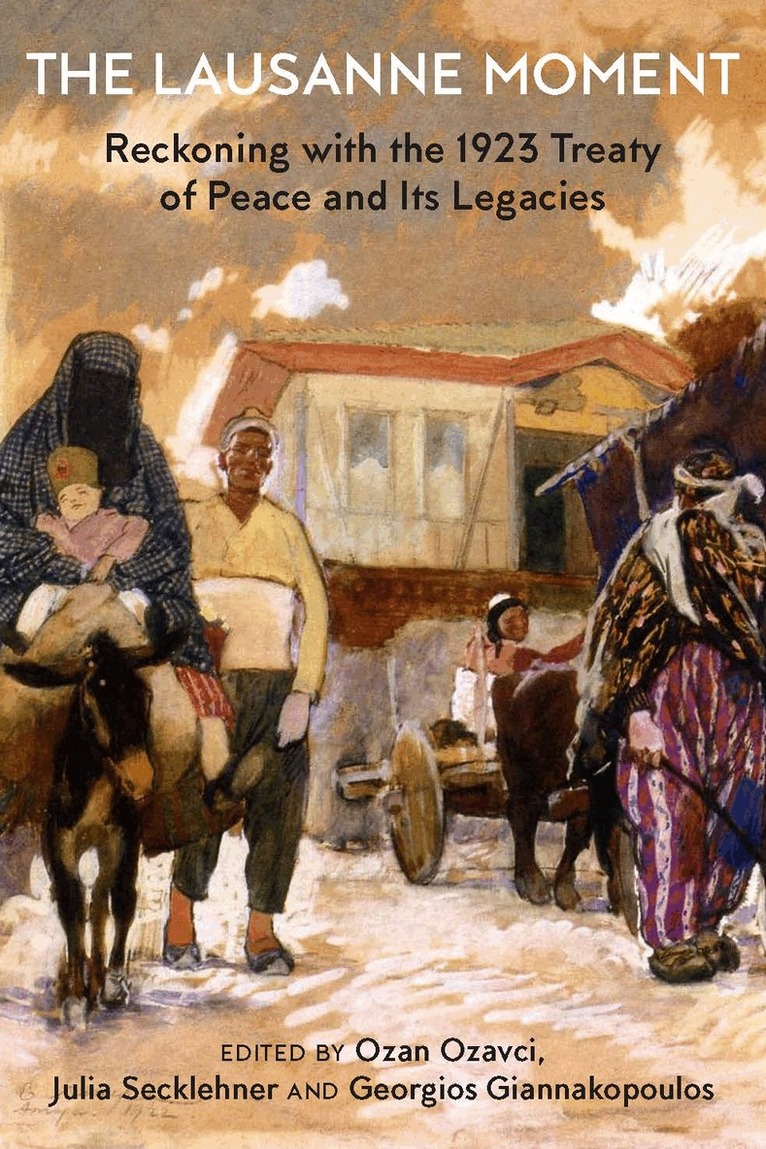
826 kr
Kommande
The Treaty of Lausanne (1923) remains one of the few interwar peace settlements that has endured into the twenty-first century. Yet, the memory of Lausanne has proved deeply contested. Celebrated by some as a triumph of state sovereignty and peace-making, it has also come to symbolise forced displacement, the erasure of minority rights, and the codification of population transfers as instruments of international order. Reckoning with Loss addresses the shifting interpretations of the treaty across national contexts, tracing how its provisions have been legally, socially, and politically reimagined—whether in debates over the application of Sharia in Greece’s Western Thrace, or diplomatic flare-ups over its possible revision.One hundred years after the signing of the Treaty of Lausanne, Reckoning with Loss revisits what is often termed the “Lausanne moment”—a diplomatic, legal, economic and financial juncture that helped reshape the world and defined new norms of sovereignty, displacement, and identity. Building on a growing body of interdisciplinary scholarship and serving as a sequel to They All Made Peace – What is Peace? (Gingko, 2023), the edited volume foregrounds the lived realities and long-term legacies of the treaty, critically re-examining the political, cultural, and social consequences of its provisions and aftershocks.Rather than focusing solely on high diplomacy or legal text, Reckoning with Loss brings into view the human dimension of the Lausanne moment. Through case studies ranging from the refugee experience in Nikaia and Asia Minor orphans in Greece, to the enduring memory of loss in Pontic singing, the symbolic ethnicity of Cretan descendants and the Kurdish experience in Turkey, the book documents the deeply personal and community-level consequences of forced migration and political rupture. These experiences are not confined to the immediate postwar period; they linger across time, informing the present-day politics of memory, migration, and identity.The volume also interrogates the geopolitics of Lausanne through new thematic lenses. Essays explore how the treaty facilitated the continuation of imperial practices under new nationalist forms, shaped debates over public debt and cultural heritage, and affected actors and regions often overlooked in Lausanne historiography—such as Albania, Cyprus, and the Kurdish nationalist movements. Lausanne’s cultural afterlives, from its role in shaping archaeology, music, and education policy, to the short-lived invention and later erasure of “Lausanne Day” from Turkey’s official commemorative calendar are also covered in the book.Reckoning with Loss situates the 1923 treaty within broader histories of state-led population engineering, colonial eugenic practices, and the moral politics of international humanitarianism. The “peace” of Lausanne, the volume suggests, was neither absolute nor apolitical—it was crafted, contested, and constantly renegotiated. The book’s contributors collectively ask not only what peace meant in 1923, but also what it means today for those still living with its consequences.Through its interdisciplinary and transregional approach, Reckoning with Loss breaks new ground in Lausanne studies. It brings together historians, anthropologists, archaeologists, political scientists, and cultural theorists, and introduces voices and perspectives—Kurdish, Cypriot, Pontic, Albanian, and Cretan—that have been marginal to mainstream narratives. By weaving together policy analysis, oral history, cultural production, and historical research, the volume offers an expansive and textured account of one of the twentieth century’s most consequential, yet paradoxical, peace settlements.