Pål Kolstø - Böcker
Visar alla böcker från författaren Pål Kolstø. Handla med fri frakt och snabb leverans.
15 produkter
15 produkter
616 kr
Skickas inom 10-15 vardagar
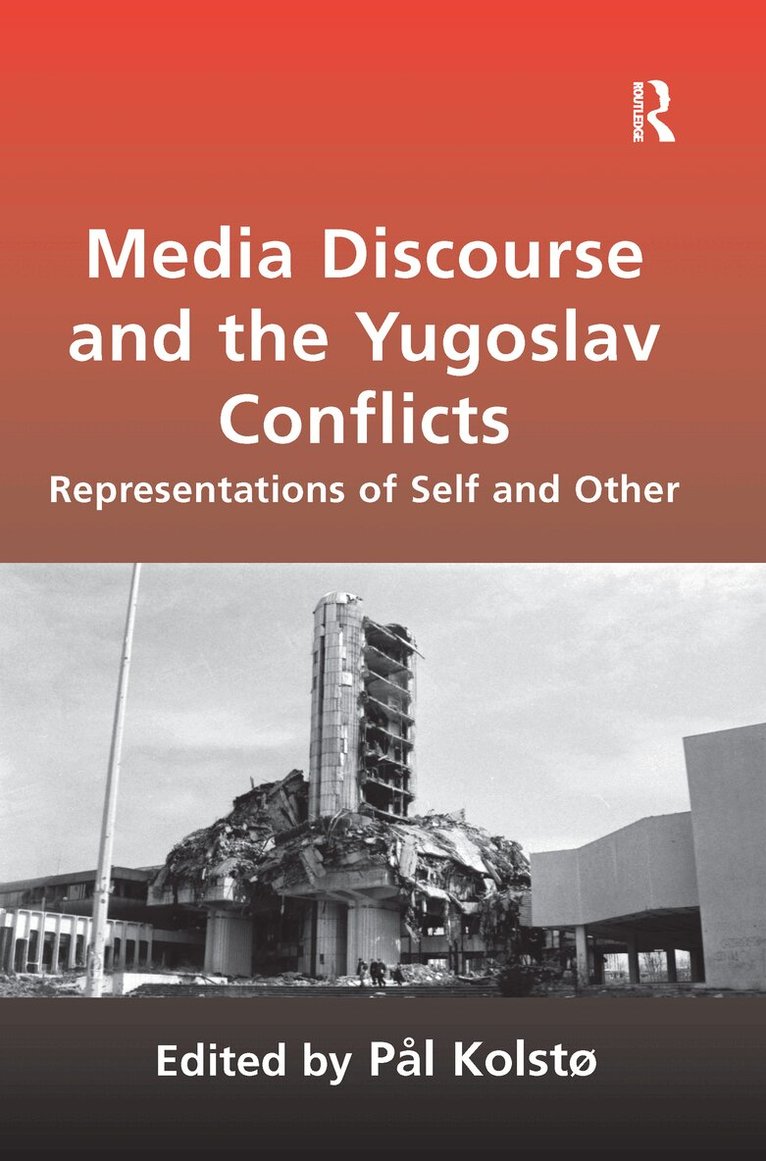
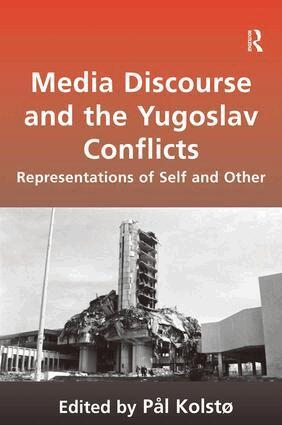
In spite of the growing literature on discourse analysis, the relationship of discourse to violent/non-violent outcomes of conflict is an under-researched area. This book combines theories on ethnic conflict, identity construction and discourse analysis with a comprehensive and inclusive survey of the countries of the former Yugoslavia. It presents an understanding of the interrelationship between 'words' and 'deeds' grounded through an extensively close analysis of film, television and newspapers samples taken from the period. This combination of ground-breaking applications of theory with detailed empirical case studies will make Media Discourse and the Yugoslav Conflicts of key interest to scholars across a range of social sciences including sociology, discourse analysis, media, conflict and peace studies as well as those concerned with ethnopolitical conflict.
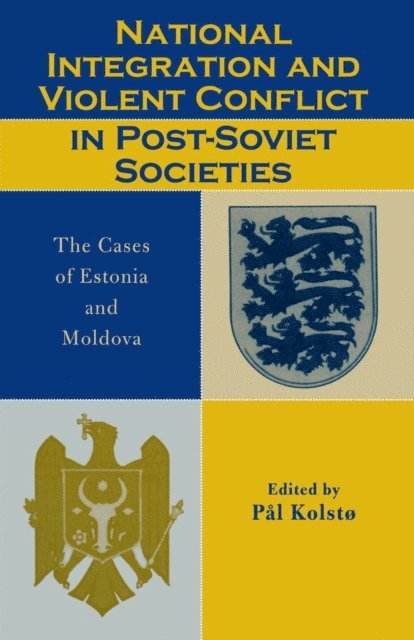
National Integration and Violent Conflict in Post-Soviet Societies
The Cases of Estonia and Moldova
Häftad, Engelska, 2002
742 kr
Skickas inom 10-15 vardagar
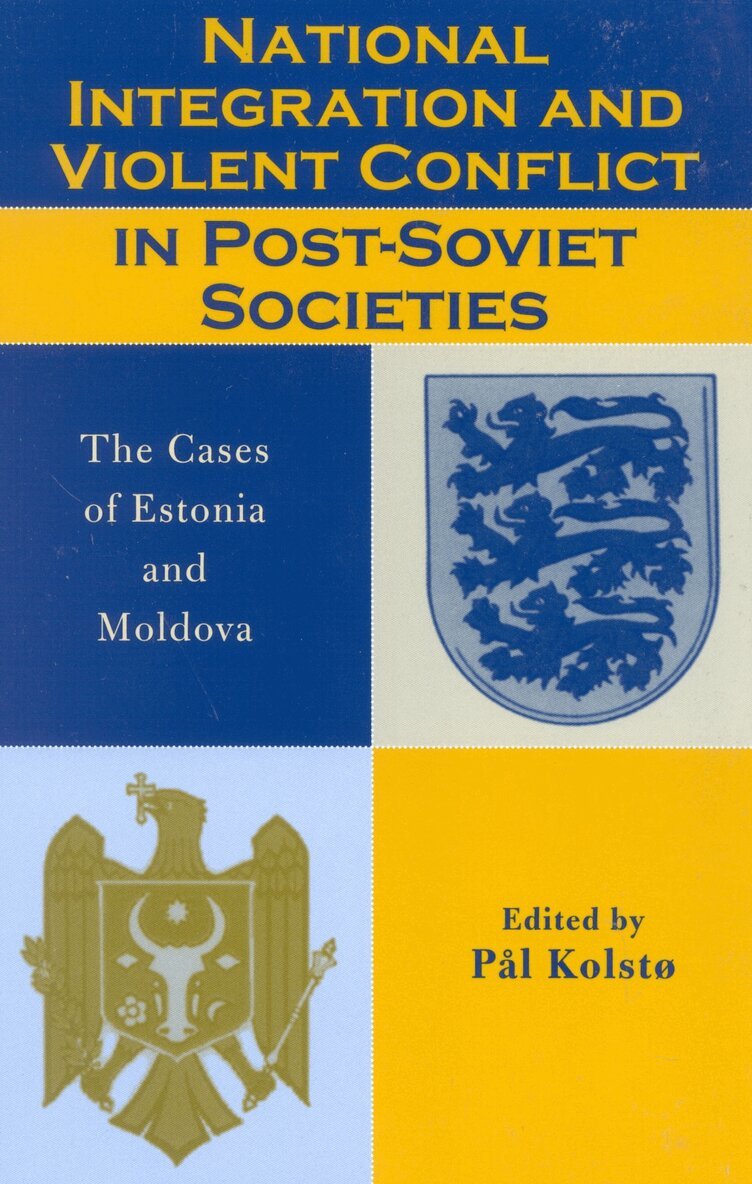
Why has social peace been preserved in some new, nationalizing countries in Eastern Europe and broken down in others? While civil peace has reigned in Estonia, Moldova experienced a bloody civil war in 1992, claiming more than a thousand casualties. These two states in question share a number of common characteristics, but there is one important difference. National Integration and Violent Conflict in Post-Soviet Societies analyzes processes of nation-building and ethnic integration in Estonia and Moldova in order to increase our general understanding of how social peace remains strong in one place and disintegrates in another. Chapters employ both "on the ground" empirical studies and a strong theoretical framework to discuss theories on ethnic violence in the modern world and their possible relevance for these two cases. Additionally, the results of two large-scale surveys and four country chapters written by scholars living and working in Moldova and Estonia round out the book's exploration of each country's similarities and differences. The resulting volume contributes to a better understanding of national integration process in Estonia and Moldova and of national integration and communal violence in general.
1 770 kr
Skickas inom 5-8 vardagar
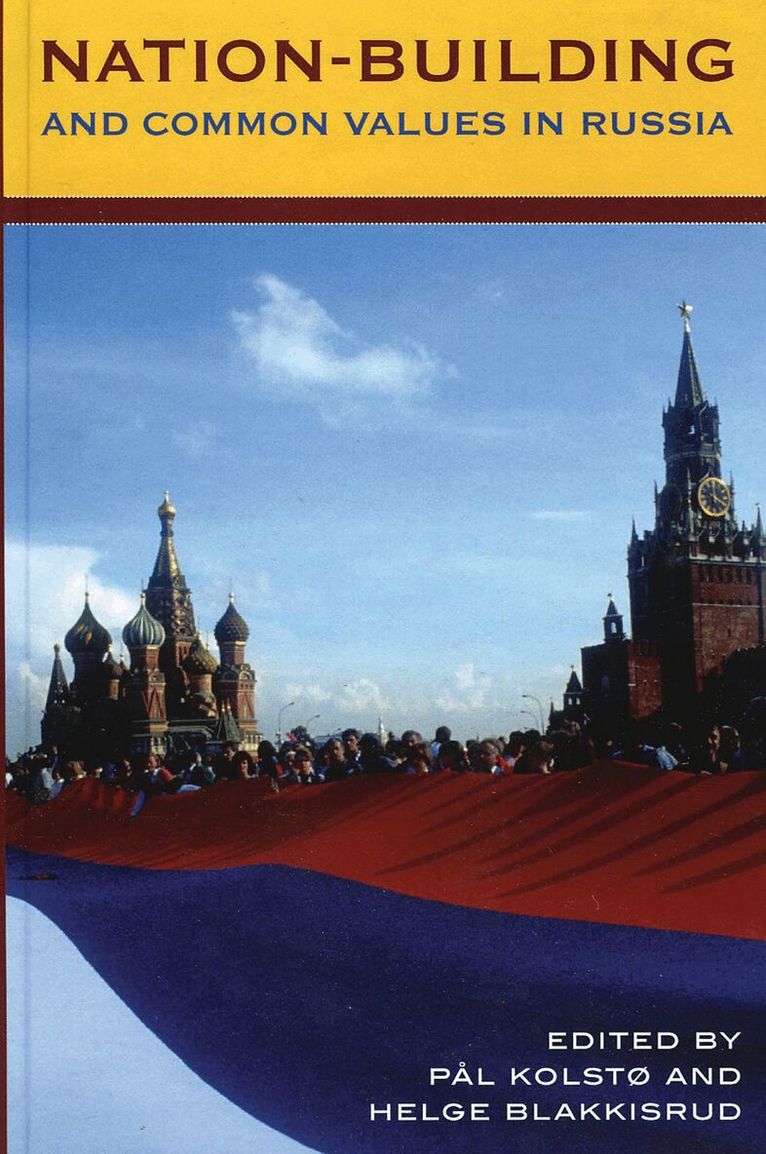
Vladimir Putin has explicitly based his nation-building initiatives on the assumption that there exists a vast pool of common values in Russia that cut across ethnic and regional divides. Nation-Building and Common Values in Russia explores whether Putin is correct in his assumption, and to what degree a 'commonality of values' among the citizens of a country is a crucial element in the establishment of a common identity among them. The study raises two basic questions: Which values are actually common among various groups in Russia's population? And which nation-building strategies are the Russian authorities actually pursuing, centrally and locally? Sociological and political approaches to the study of nation-building and national cohesion in Russia are employed to answer these questions, and the findings contribute to a better understanding of nation-building processes in post-Communist Russia in general and of Putin's strategies in particular.
813 kr
Skickas inom 5-8 vardagar
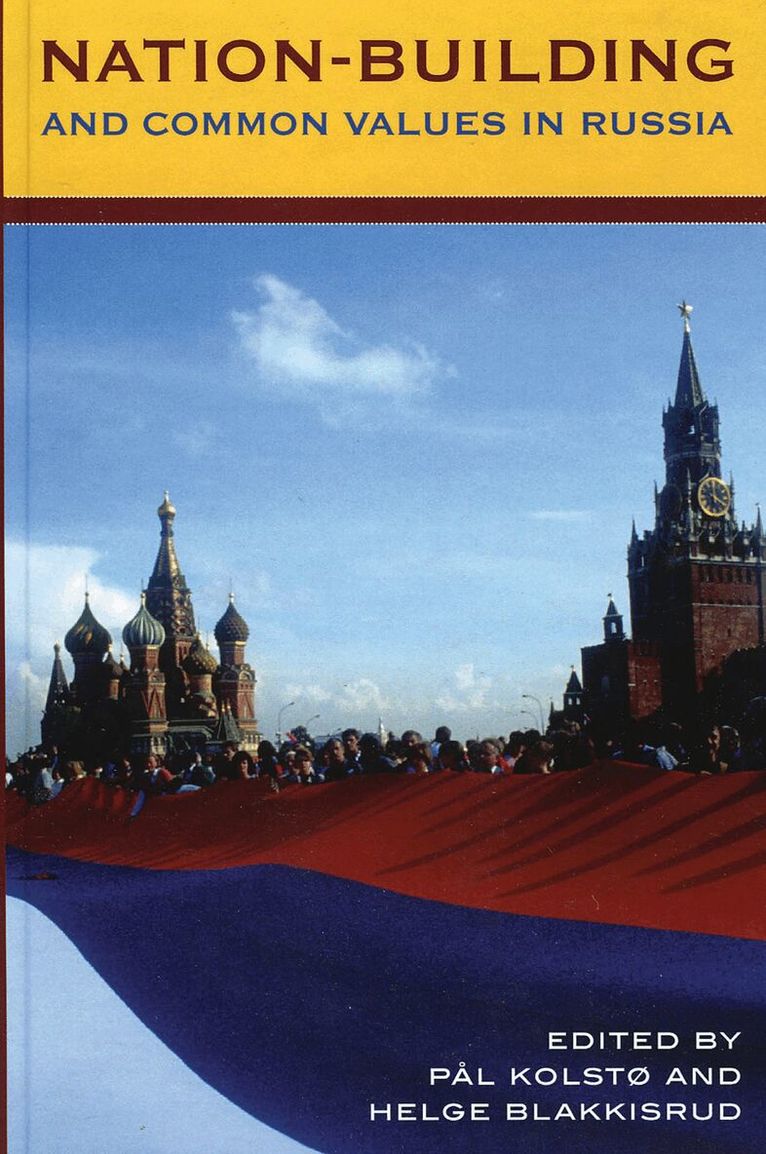
Vladimir Putin has explicitly based his nation-building initiatives on the assumption that there exists a vast pool of common values in Russia that cut across ethnic and regional divides. Nation-Building and Common Values in Russia explores whether Putin is correct in his assumption, and to what degree a 'commonality of values' among the citizens of a country is a crucial element in the establishment of a common identity among them. The study raises two basic questions: Which values are actually common among various groups in Russia's population? And which nation-building strategies are the Russian authorities actually pursuing, centrally and locally? Sociological and political approaches to the study of nation-building and national cohesion in Russia are employed to answer these questions, and the findings contribute to a better understanding of nation-building processes in post-Communist Russia in general and of Putin's strategies in particular.
2 166 kr
Skickas inom 10-15 vardagar
In spite of the growing literature on discourse analysis, the relationship of discourse to violent/non-violent outcomes of conflict is an under-researched area. This book combines theories on ethnic conflict, identity construction and discourse analysis with a comprehensive and inclusive survey of the countries of the former Yugoslavia. It presents an understanding of the interrelationship between 'words' and 'deeds' grounded through an extensively close analysis of film, television and newspapers samples taken from the period. This combination of ground-breaking applications of theory with detailed empirical case studies will make Media Discourse and the Yugoslav Conflicts of key interest to scholars across a range of social sciences including sociology, discourse analysis, media, conflict and peace studies as well as those concerned with ethnopolitical conflict.
791 kr
Skickas inom 10-15 vardagar
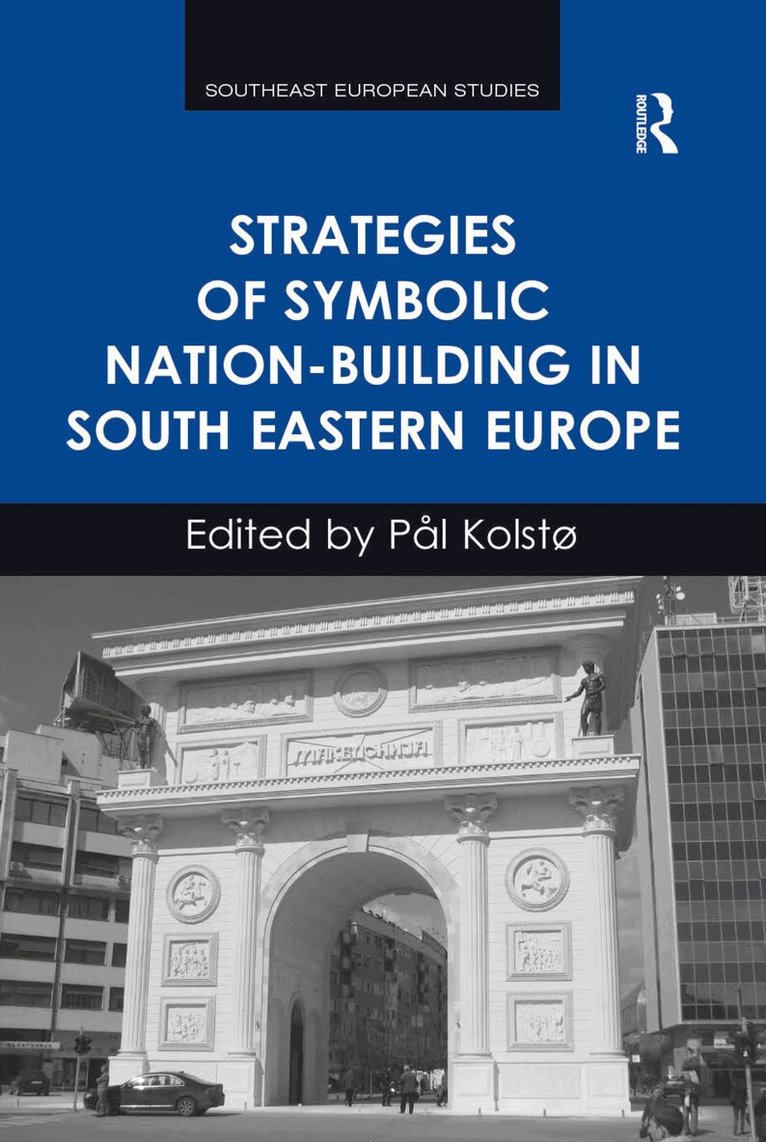
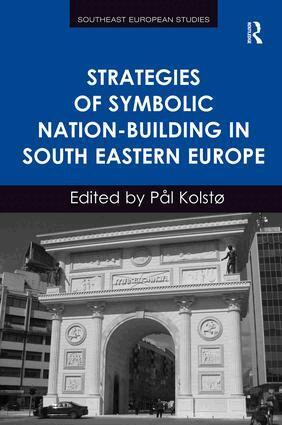
After the conflagration of Tito’s Yugoslavia a medley of new and not-so-new states rose from the ashes. Some of the Yugoslav successor states have joined, or are about to enter, the European Union, while others are still struggling to define their national borders, symbols, and relationships with neighbouring states. Strategies of Symbolic Nation-building in South Eastern Europe expands upon the existing body of nationalism studies and explores how successful these nation-building strategies have been in the last two decades. Relying on new quantitative research results, the contributors offer interdisciplinary analyses of symbolic nation-building in Albania, Bosnia-Herzegovina, Croatia, Kosovo, Macedonia, Montenegro, and Serbia to show that whereas the citizens of some states have reached a consensus about the nation-building project other states remain fragmented and uncertain of when the process will end. A must-read not only for scholars of the region but policy makers and others interested in understanding the complex interplay of history, symbolic politics, and post-conflict transition.
1 678 kr
Skickas inom 3-6 vardagar
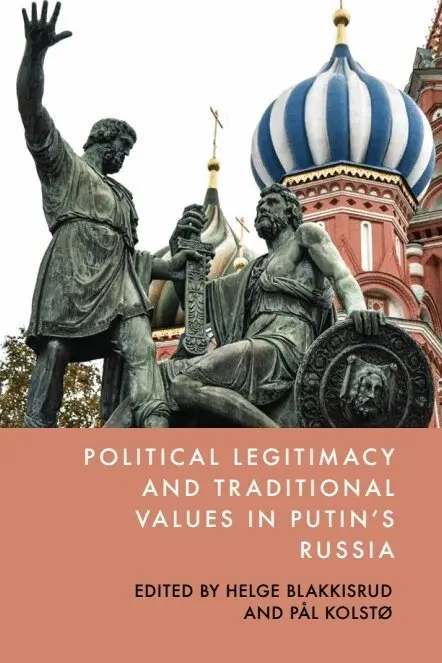
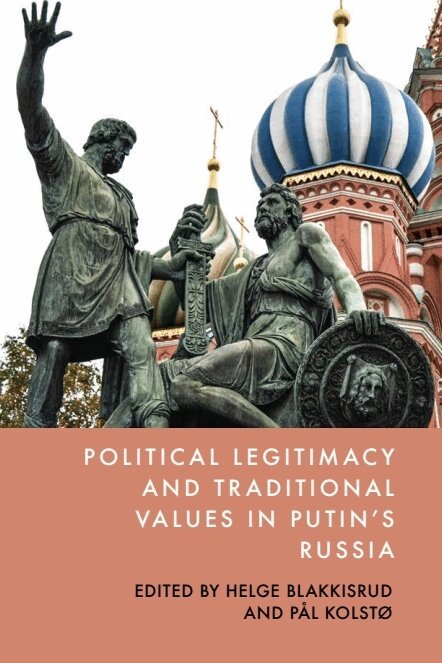
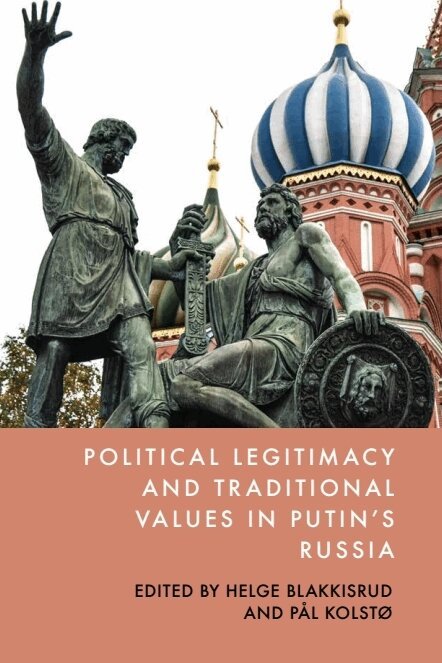
Since Vladimir Putin's return to the Russian presidency in 2012, protection and promotion of so-called 'traditional values' has played a prominent role in the Kremlin's propaganda campaigns. From the large-scale demonstrations in 2011 2012 to the full-scale invasion of Ukraine in 2022, conservative social values have been mobilised to justify the Kremlin's policy choices. In the case of the invasion, for example, Putin argued that the allegedly 'decadent' western world was using Ukraine as a springboard to export its 'pseudo-values' into Russia. Drawing on a series of case studies spanning elite-level political rhetoric, the work of various ideological 'values entrepreneurs' such as the Russian Orthodox Church, and, not least, of grassroots sentiments, Political Legitimacy and Traditional Values in Putin's Russia explores authoritarian regime legitimation in today's Russia.
297 kr
Kommande
Since Vladimir Putin’s return to the Russian presidency in 2012, protection and promotion of so-called ‘traditional values’ has played a prominent role in the Kremlin’s propaganda campaigns. From the large-scale demonstrations in 2011–2012 to the full-scale invasion of Ukraine in 2022, conservative social values have been mobilised to justify the Kremlin’s policy choices. In the case of the invasion, for example, Putin argued that the allegedly ‘decadent’ western world was using Ukraine as a springboard to export its ‘pseudo-values’ into Russia. Drawing on a series of case studies spanning elite-level political rhetoric, the work of various ideological ‘values entrepreneurs’ such as the Russian Orthodox Church, and, not least, of grassroots sentiments, Political Legitimacy and Traditional Values in Putin's Russia explores authoritarian regime legitimation in today’s Russia.
2 171 kr
Skickas inom 10-15 vardagar
After the conflagration of Tito’s Yugoslavia a medley of new and not-so-new states rose from the ashes. Some of the Yugoslav successor states have joined, or are about to enter, the European Union, while others are still struggling to define their national borders, symbols, and relationships with neighbouring states. Strategies of Symbolic Nation-building in South Eastern Europe expands upon the existing body of nationalism studies and explores how successful these nation-building strategies have been in the last two decades. Relying on new quantitative research results, the contributors offer interdisciplinary analyses of symbolic nation-building in Albania, Bosnia-Herzegovina, Croatia, Kosovo, Macedonia, Montenegro, and Serbia to show that whereas the citizens of some states have reached a consensus about the nation-building project other states remain fragmented and uncertain of when the process will end. A must-read not only for scholars of the region but policy makers and others interested in understanding the complex interplay of history, symbolic politics, and post-conflict transition.
726 kr
Skickas inom 3-6 vardagar
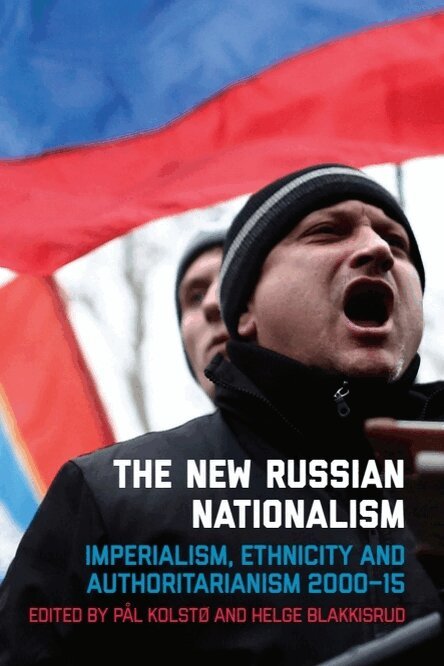
This book surveys Russian nationalism as a political, social and intellectual phenomenon by leading Western and Russian experts. Includes case studies on the relationship between nationalism and migrantophobia; religion; the media; national identity in economic policy; the strategy of the Putin regime and public opinion.
2 025 kr
Skickas inom 3-6 vardagar
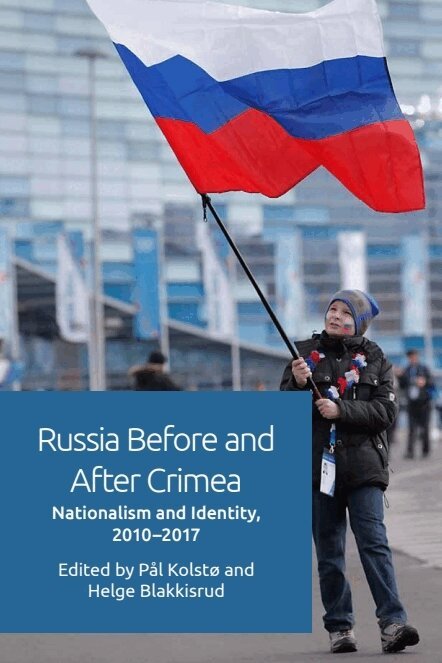
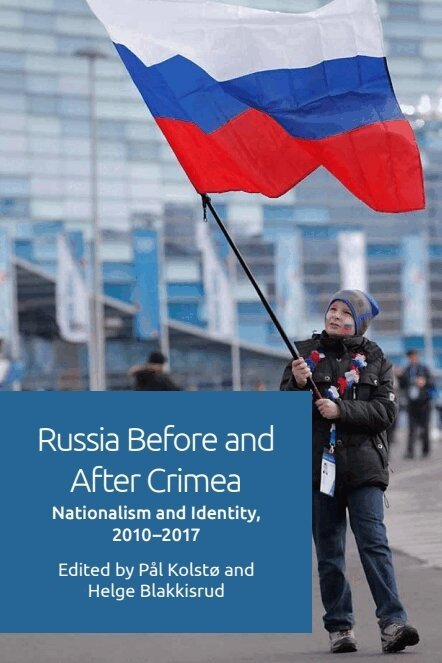
Explores the momentous changes that have taken place in the Russian nationalism since Putin's return to the presidencyRussia's annexation of Crimea in 2014 marked a watershed in post-Cold War European history and brought East West relations to a low. At the same time, by selling this fateful action in starkly nationalist language, the Putin regime achieved record-high popularity. This book shows how, after the large-scale 2011 13 anti-Putin demonstrations in major Russian cities and the parallel rise in xenophobia related to the Kremlin's perceived inability to deal with the influx of Central Asian labour migrants, the annexation of Crimea generated strong 'rallying around the nation' and 'rallying around the leader' effects. The contributors to this collection go beyond the news headlines to focus on overlooked aspects of Russian society such as intellectual racism and growing xenophobia. These developments are contextualised with an overview of Russian nationalism: state-led, grassroots and the tensions between the two.ContributorsHelge Blakkisrud, Senior Researcher and Head of the Research Group on Russia, Eurasia and the Arctic, at the Norwegian Institute of International Affairs (NUPI), Oslo, Norway. J. Paul Goode, Senior Lecturer (Associate Professor) of Russian Politics at the University of Bath, UK. Robert Horvath, Senior Lecturer in the Department of Politics and Philosophy at La Trobe University in Melbourne, Australia. Eleanor Knott, Fellow in Qualitative Methodology, and from September 2017 an Assistant Professor in the Department of Methodology at the London School of Economics, UK. Pal Kolsto, Professor of Russian Studies at the University of Oslo. Michael Komin, Senior Expert at the Centre for Strategic Research in Moscow, and holds an MA degree in Political Science from the National Research University Higher School of Economics in St Petersburg, Russia. Alexandra Kuznetsova, PhD candidate at the Arthur V. Mauro Centre for Peace and Justice, University of Manitoba, Winnipeg, Canada, and an Assistant Professor at the Department of Political and Social Studies, Kazan National Research Technological University, Russia. Andrey Makarychev, Guest Professor at the Johan Skytte Institute of Political Science, University of Tartu, Estonia. Emil Pain, Director General of the Centre for Ethno-Political and Regional Studies, Moscow, and Professor of Political Science, National Research University Higher School of Economics, Moscow. Eduard Ponarin, Director of the Laboratory for Comparative Social Research and Professor of Sociology at the National Research University Higher School of Economics in Moscow. Caress Schenk, an Assistant Professor of Political Science and International Relations at Nazarbayev University, Astana, Kazakhstan.Sergey Sergeev, Professor and Head of the Department of Social and Political Conflict Studies at Kazan National Research Technological University and Professor at the Political Science Department, Kazan Federal University, Russia.Yuri Teper, Israel Science Foundation (ISF) postdoctoral fellow at the Department of Political Science at the Hebrew University of Jerusalem, Israel. Sofia Tipaldou, Marie Curie Research Fellow at the University of Manchester, UK. Alexander Verkhovsky, Director of SOVA Center for Information and Analysis, Moscow. Alexandra Yatsyk, Alexander Herzen Junior Visiting Fellow at the Institute for Human Sciences in Vienna, Austria, and Visiting Researcher at the Centre for Russian and Eurasian Studies, Uppsala University, Sweden.
367 kr
Skickas
Russia’s annexation of Crimea in 2014 marked a watershed in post-Cold War European history and brought East–West relations to a low. At the same time, by selling this fateful action in starkly nationalist language, the Putin regime achieved record-high popularity. This book shows how, after the large-scale 2011–2013 anti-Putin demonstrations in major Russian cities and the parallel rise in xenophobia related to the Kremlin’s perceived inability to deal with the influx of Central Asian labour migrants, the annexation of Crimea generated strong ‘rallying around the nation’ and ‘rallying around the leader’ effects. The contributors to this collection go beyond the news headlines to focus on overlooked aspects of Russian society such as intellectual racism and growing xenophobia. These developments are contextualised with an overview of Russian nationalism: state-led, grassroots and the tensions between the two.
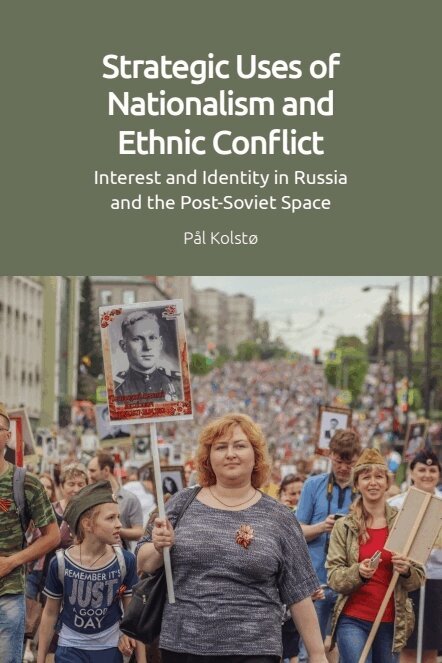
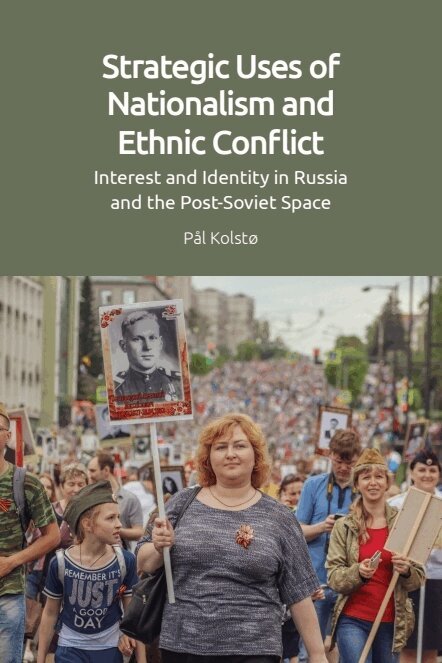
Strategic Uses of Nationalism and Ethnic Conflict
Interest and Identity in Russia and the Post-Soviet Space
Inbunden, Engelska, 2022
1 169 kr
Skickas
With a new introductory theoretical chapter, the book collects thoroughly revised nine articles and book chapters based on Pal Kolsto's thirty years of study of nationalism and ethnic conflict in post-Soviet states. Kolsto examines how the drivers behind ethnic conflicts in the non-Russian republics were not only struggle for collective identities but also more mundane interests, such as competition for jobs and positions. He also analyses the transformations of Russian nationalism, both among the ruling elite and in the opposition, with a particular focus on the use of symbolism.Exploring nationalism as a pervasive feature of politics in the modern world, Kolsto argues that both state leaders and 'ethnic entrepreneurs' employ nationalist rhetoric and stratagems to further their political agendas and achieve particular goals. He examines some of the ways this is used as a political strategy and focuses both on nationalism at the societal level and as a state strategy.
Strategic Uses of Nationalism and Ethnic Conflict
Interest and Identity in Russia and the Post-Soviet Space
Häftad, Engelska, 2023
580 kr
Skickas inom 3-6 vardagar
Argues that nationalism and ethnic conflict can be used as strategies to achieve power and influenceCollects 8 thoroughly revised articles and book chapters, together with a new introductory theoretical chapter, based on P l Kolst 's 30 years of study of nationalism and ethnic conflict in post-Soviet statesUses inter-related case studies in Russia and the former Soviet UnionTheoretically informed, with both an overarching theoretical framework and chapter-specific theoretical discussionsShows how the resurgence of ethnonationalism in the post-Soviet world compells us to re-examine the dynamics of ethnic conflictBased on specific empirical cases, drawing on a wealth of primary sourcesWith a new introductory theoretical chapter, the book collects eight thoroughly revised articles and book chapters on nationalism and ethnic conflict in post Soviet states. Kolst examines how the drivers behind ethnic conflicts in the non-Russian republics were not only the struggles for collective identities but also more mundane interests, such as competition for jobs and positions.He also analyses the transformations of Russian nationalism, both among the ruling elite and in the opposition, with a particular focus on the use of symbolism.Exploring nationalism as a pervasive feature of politics in the modern world, Kolst argues that both state leaders and 'ethnic entrepreneurs' employ nationalist rhetoric and stratagems to further their political agendas and achieve particular goals. He examines some of the ways this is used as a political strategy and focuses on nationalism at the societal level and as a state strategy.
672 kr
Skickas inom 10-15 vardagar
Family, Sex, and Faith is the first systematic examination of what the Russian Orthodox Church (ROC) teaches and how believers respond to its messages regarding issues such as marriage, divorce, contraception, abortion, husband-wife relations, and LGBTQIA+ rights. According to Pål Kolstø, for the ROC, the ethics of private life involve what Michel Foucault called "biopolitics": the state regulates the sex lives of its citizens to control the development of the population.Family, Sex, and Faith offers a systematic analysis of aspects of the moral theology of the ROC, discussing the means and strategies it employs to achieve its goals, to counter resistance, and to emerge victorious from the battles in which it is embroiled. Although the constitution defines Russia as a secular state, the ROC has achieved a privileged position in society, functioning as a major provider of ideology and legitimacy for the Putin regime.