Pablo Piccato – författare
Visar alla böcker från författaren Pablo Piccato. Handla med fri frakt och snabb leverans.
15 produkter
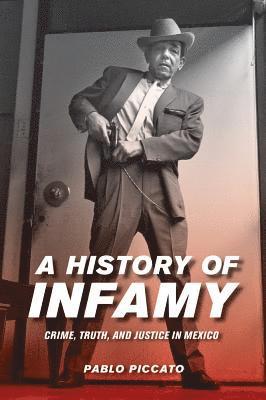
History of Infamy
Crime, Truth, and Justice in Mexico
Inbunden, 2017
1190 kr
Lägg i varukorg
A History of Infamy explores the broken nexus between crime, justice, and truth in mid-twentieth-century Mexico. Faced with the violence and impunity that defined politics, policing, and the judicial system in post-revolutionary times, Mexicans sought truth and justice outside state institutions. …
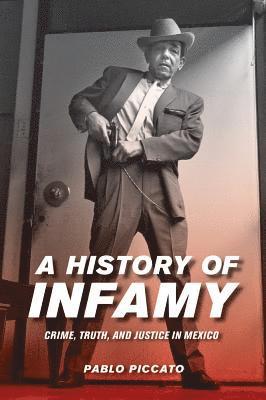
History of Infamy
Crime, Truth, and Justice in Mexico
Häftad, 2017
456 kr
Lägg i varukorg
A History of Infamy explores the broken nexus between crime, justice, and truth in mid-twentieth-century Mexico. Faced with the violence and impunity that defined politics, policing, and the judicial system in post-revolutionary times, Mexicans sought truth and justice outside state institutions. …
History of Infamy
Crime, Truth, and Justice in Mexico
E-bok, 2017
535 kr
Lägg i varukorg
A History of Infamy explores the broken nexus between crime, justice, and truth in mid-twentieth-century Mexico. Faced with the violence and impunity that defined politics, policing, and the judicial system in post-revolutionary times, Mexicans sought truth and justice outside state institutions. …
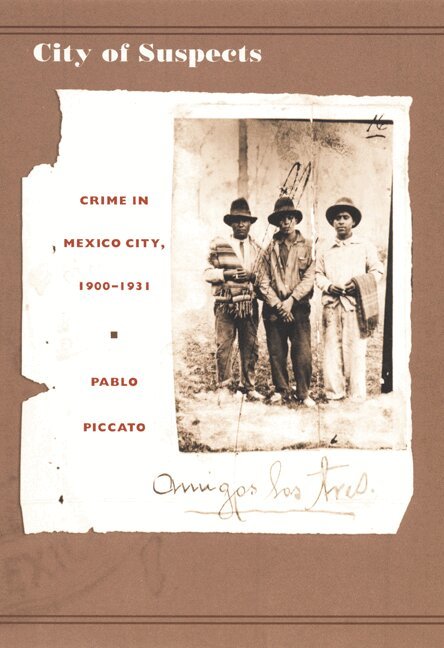
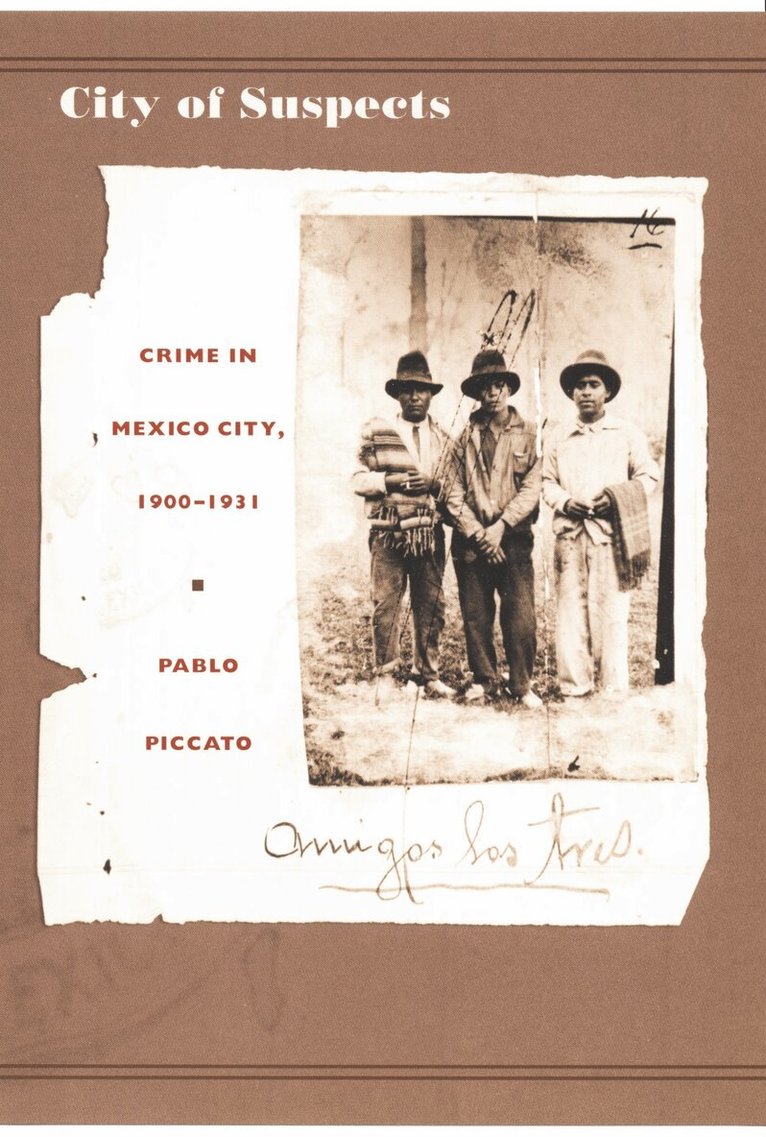
City of Suspects
Crime in Mexico City, 1900–1931
Häftad, 2001
454 kr
Lägg i varukorg
In City of Suspects Pablo Piccato explores the multiple dimensions of crime in early-twentieth-century Mexico City. Basing his research on previously untapped judicial sources, prisoners’ letters, criminological studies, quantitative data, newspapers, and political archives, Piccato examines the …
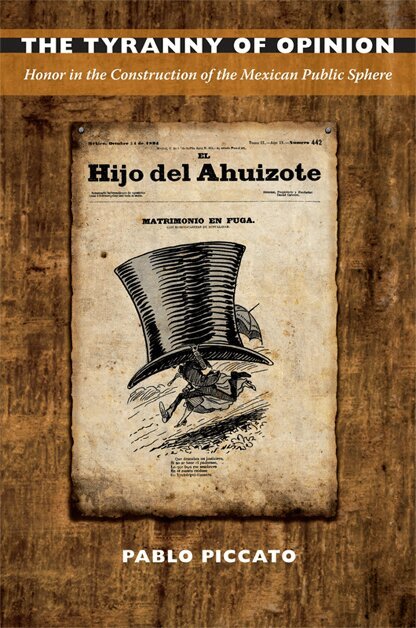
Tyranny of Opinion
Honor in the Construction of the Mexican Public Sphere
Häftad, 2010
454 kr
Lägg i varukorg
In the mid-to-late nineteenth century, as Mexico emerged out of decades of civil war and foreign invasion, a modern notion of honor-of one’s reputation and self-worth-became the keystone in the construction of public culture. Mexicans gave great symbolic, social, and material value to honor. Only …
Tyranny of Opinion
Honor in the Construction of the Mexican Public Sphere
Inbunden, 2010
1448 kr
Lägg i varukorg
In the mid-to-late nineteenth century, as Mexico emerged out of decades of civil war and foreign invasion, a modern notion of honor-of one’s reputation and self-worth-became the keystone in the construction of public culture. Mexicans gave great symbolic, social, and material value to honor. Only …
City of Suspects
Crime in Mexico City, 1900–1931
E-bok, 2001
671 kr
Lägg i varukorg
In City of Suspects Pablo Piccato explores the multiple dimensions of crime in early-twentieth-century Mexico City. Basing his research on previously untapped judicial sources, prisoners’ letters, criminological studies, quantitative data, newspapers, and political archives, Piccato examines the …
Tyranny of Opinion
Honor in the Construction of the Mexican Public Sphere
E-bok, 2010
671 kr
Lägg i varukorg
In the mid-to-late nineteenth century, as Mexico emerged out of decades of civil war and foreign invasion, a modern notion of honor—of one’s reputation and self-worth—became the keystone in the construction of public culture. Mexicans gave great symbolic, social, and material value to honor. Only …
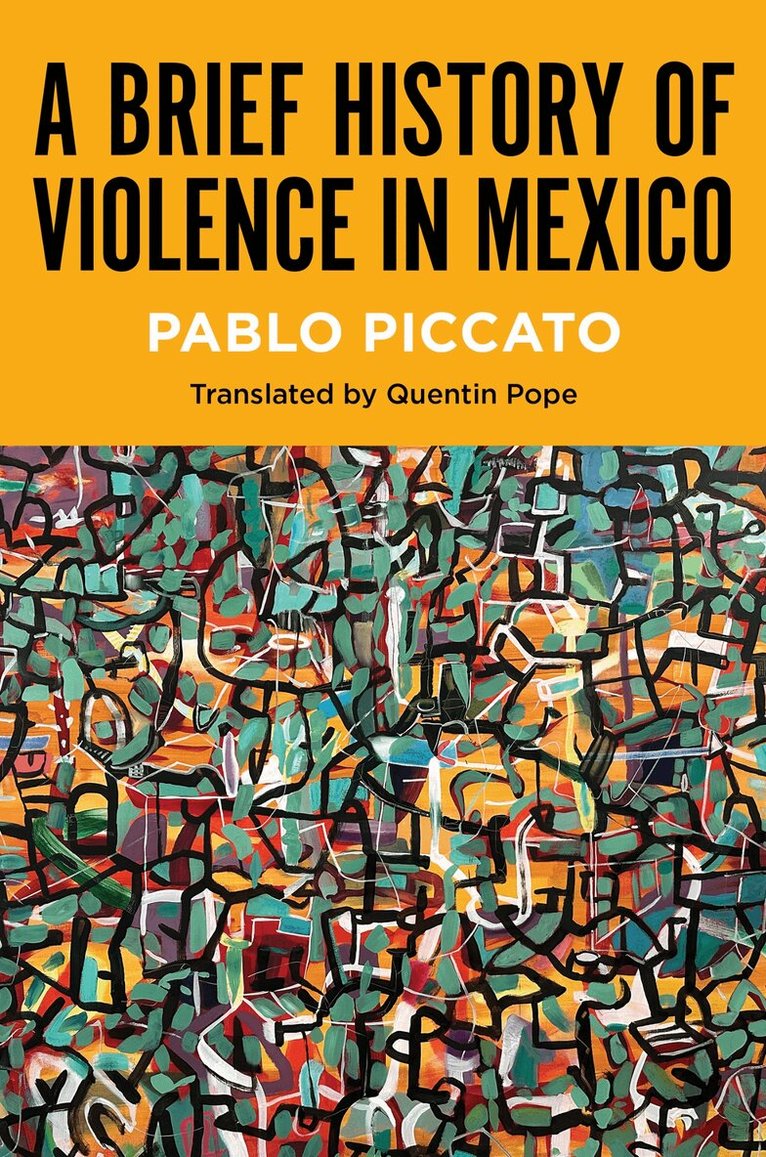
Brief History of Violence in Mexico
Inbunden, 2025
1156 kr
Lägg i varukorg
Political rhetoric often portrays Mexico as an inherently violent nation. Available now for the first time in English, Pablo Piccato's essential work cuts through the noise to contextualize violence as a historical phenomenon. Piccato shows us that violence is not unique to Mexico but, just as …
Brief History of Violence in Mexico
Häftad, 2025
371 kr
Lägg i varukorg
Political rhetoric often portrays Mexico as an inherently violent nation. Available now for the first time in English, Pablo Piccato's essential work cuts through the noise to contextualize violence as a historical phenomenon. Piccato shows us that violence is not unique to Mexico but, just as …
Brief History of Violence in Mexico
E-bok, 2025
299 kr
Lägg i varukorg
Political rhetoric often portrays Mexico as an inherently violent nation. Pablo Piccatos essential work, now available in English for the first time, cuts through the noise to contextualize violence as a historical phenomenon. Piccato shows us that violence is not unique to Mexico but, just as …
Brief History of Violence in Mexico
E-bok, 2025
299 kr
Lägg i varukorg
Political rhetoric often portrays Mexico as an inherently violent nation. Pablo Piccatos essential work, now available in English for the first time, cuts through the noise to contextualize violence as a historical phenomenon. Piccato shows us that violence is not unique to Mexico but, just as …
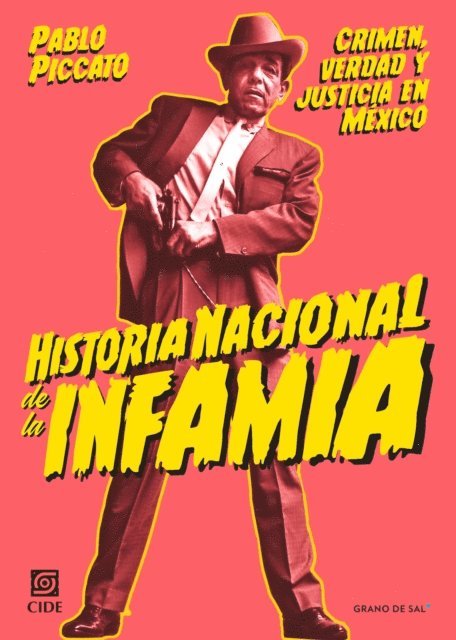
Historia nacional de la infamia
Crimen, verdad y justicia en México
E-bok, 2020
170 kr
Lägg i varukorg
Éste es un libro sobre la infamia en México y, a la vez, sobre la infamia de México: al explorar diversas expresiones criminales en el país durante buena parte del siglo XX Pablo Piccato da cuenta de la forma en que se procesaban los delitos en los tribunales, en la opinión pública y en la …
City of Suspects
Crime in Mexico City, 1900–1931
Inbunden, 2001
1363 kr
Tillfälligt slut
In City of Suspects Pablo Piccato explores the multiple dimensions of crime in early-twentieth-century Mexico City. Basing his research on previously untapped judicial sources, prisoners’ letters, criminological studies, quantitative data, newspapers, and political archives, Piccato examines the …
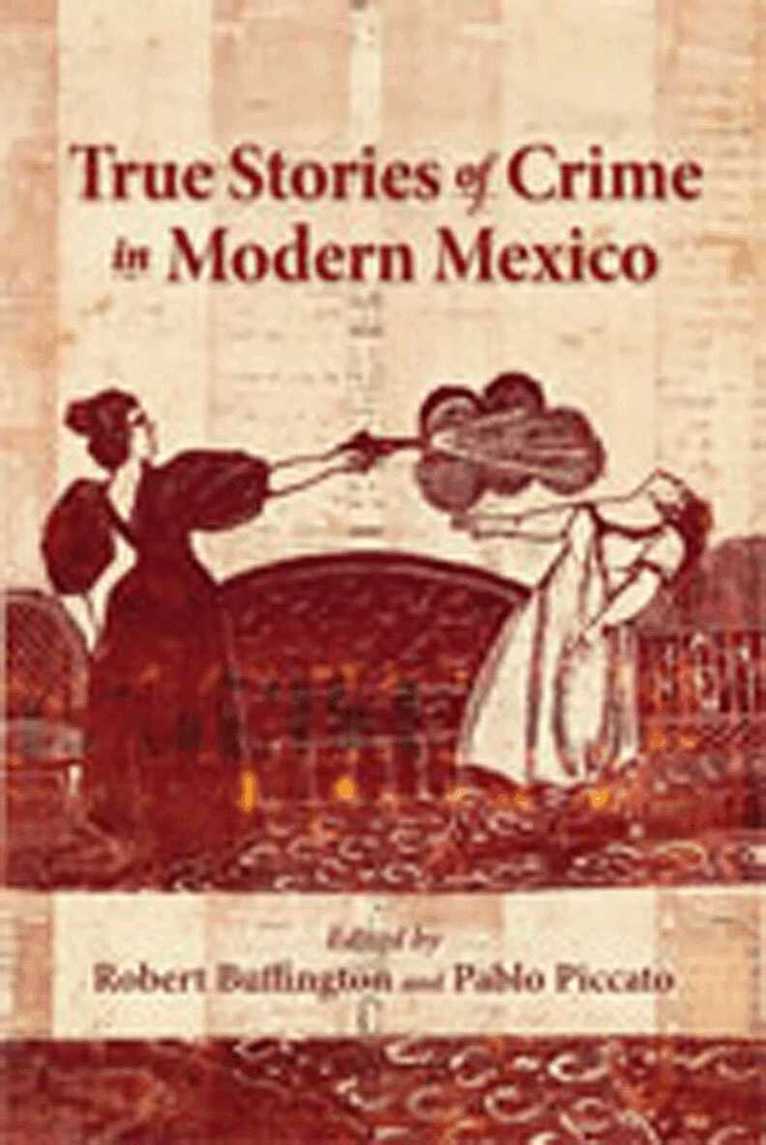
True Stories of Crime in Modern Mexico
Av Robert Buffington, Pablo Piccato
Häftad, 2009
338 kr
Tillfälligt slut
Crime has played a complicated role in the history of human social relations. Public narratives about murders, insanity, kidnappings, assassinations, and infanticide attempt to make sense of the social, economic, and cultural realities of ordinary people at different periods in history. Such …