Padraic Kenney – författare
Visar alla böcker från författaren Padraic Kenney. Handla med fri frakt och snabb leverans.
10 produkter
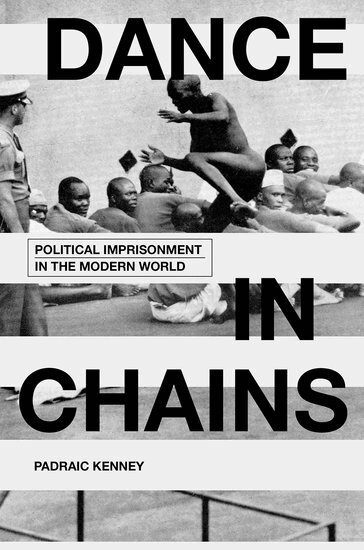
Dance in Chains
Political Imprisonment in the Modern World
Inbunden, 2017
558 kr
Lägg i varukorg
What is it that political prisoners do? What part does the imprisoned activist play in the conflict between regimes and their opponents around the world? Why, in short, are there political prisoners? The answers to these questions may seem obvious, as political incarceration today seems to offer …
Dance in Chains
Political Imprisonment in the Modern World
E-bok, 2017
397 kr
Lägg i varukorg
States around the world imprison people for their beliefs or politically-motivated actions. Oppositional movements of all stripes celebrate their comrades behind bars. Yet they are more than symbols of repression and human rights. Dance in Chains examines the experiences of political prisoners …
Dance in Chains
Political Imprisonment in the Modern World
E-bok, 2017
397 kr
Lägg i varukorg
States around the world imprison people for their beliefs or politically-motivated actions. Oppositional movements of all stripes celebrate their comrades behind bars. Yet they are more than symbols of repression and human rights. Dance in Chains examines the experiences of political prisoners …
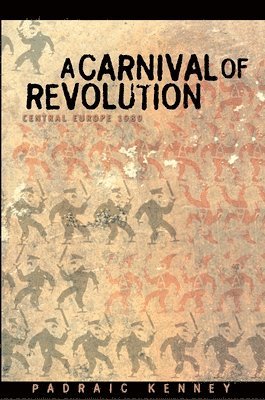
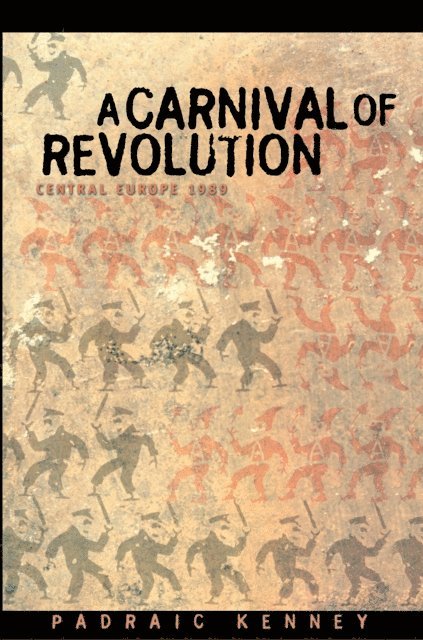
Carnival of Revolution
Central Europe 1989
Häftad, 2003
511 kr
Lägg i varukorg
This is the first history of the revolutions that toppled communism in Europe to look behind the scenes at the grassroots movements that made those revolutions happen. It looks for answers not in the salons of power brokers and famed intellectuals, not in decrepit economies--but in the whirlwind of …
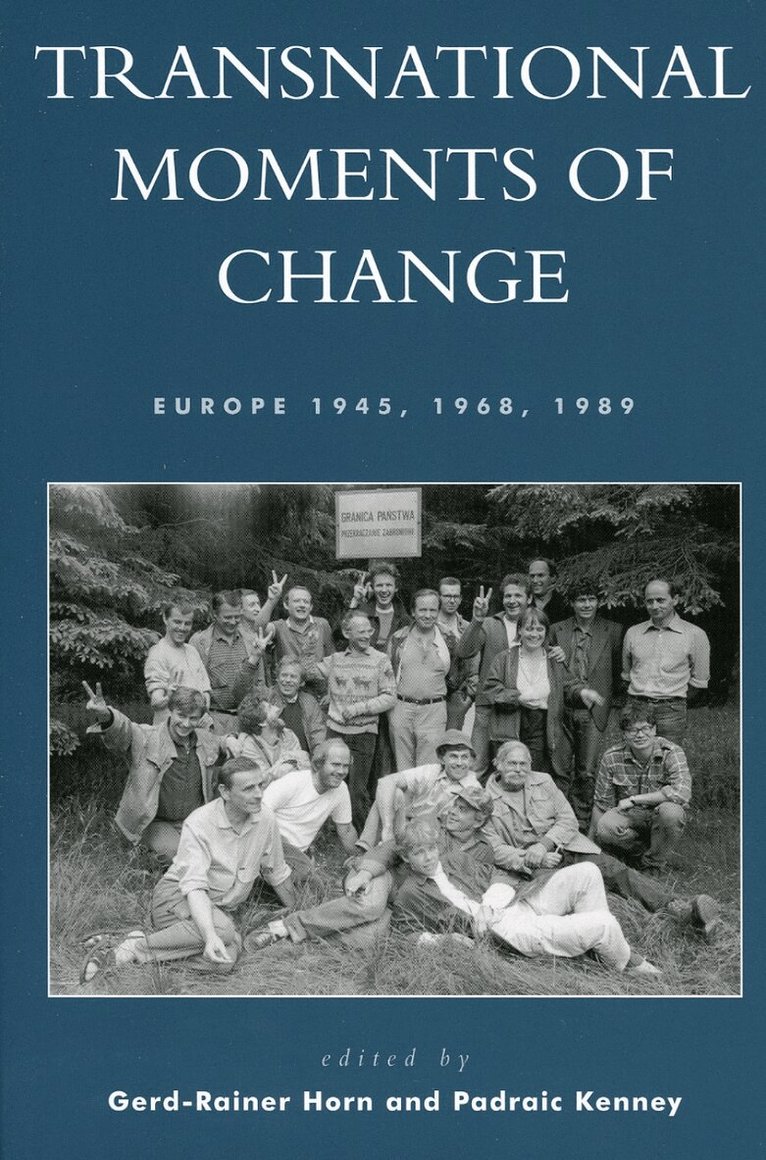
Transnational Moments of Change
Europe 1945, 1968, 1989
Av Gerd Rainer-Horn, Padraic Kenney
Häftad, 2004
800 kr
Lägg i varukorg
Transnational Moments of Change offers a broad introduction to the methodology and practice of transnational history. To demonstrate the value of this approach, the work focuses on Europe since World War II, a period whose study particularly benefits from a transnational vantage point. Twelve …
Carnival of Revolution
Central Europe 1989
E-bok, 2020
705 kr
Lägg i varukorg
This is the first history of the revolutions that toppled communism in Europe to look behind the scenes at the grassroots movements that made those revolutions happen. It looks for answers not in the salons of power brokers and famed intellectuals, not in decrepit economies--but in the whirlwind of …
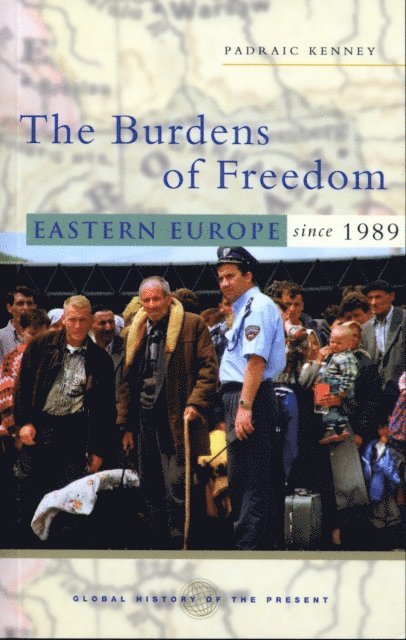
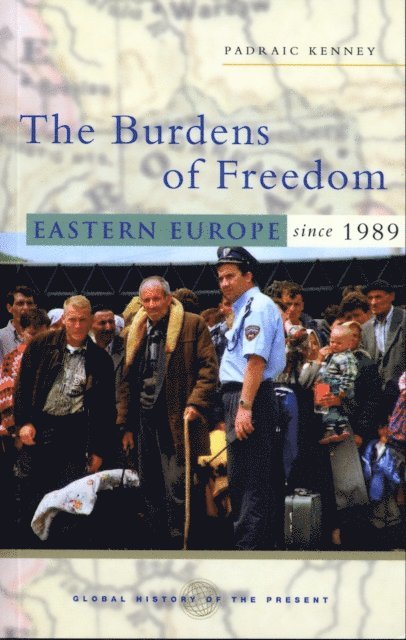
The Burdens of Freedom: Eastern Europe Since 1989
Av Padraic Kenney, Nicholas Guyatt
Inbunden, 2006
1321 kr
Lägg i varukorg
Burdens of Freedom
Eastern Europe since 1989
Av Padraic Kenney, Nicholas Guyatt
Häftad, 2006
533 kr
Lägg i varukorg
From Estonia to Macedonia, this book is a history of 15 countries as they negotiate their transition from communism. For some, the story ends happily, with triumphant entry into the European Union in 2004.Others are caught in limbo, destroyed by nationalist politics, war and genocide, or crippled …
Burdens of Freedom
Eastern Europe Since 1989
E-bok, 2008
578 kr
Lägg i varukorg
From Estonia to Macedonia, this book is a history of 15 countries as they negotiate their transition from communism. For some, the story ends happily, with triumphant entry into the European Union in 2004.Others are caught in limbo, destroyed by nationalist politics, war and genocide, or crippled …
Burdens of Freedom
Eastern Europe Since 1989
E-bok, 2013
578 kr
Lägg i varukorg
From Estonia to Macedonia, this book is a history of 15 countries as they negotiate their transition from communism. For some, the story ends happily, with triumphant entry into the European Union in 2004.Others are caught in limbo, destroyed by nationalist politics, war and genocide, or crippled …