Page DuBois – författare
Visar alla böcker från författaren Page DuBois. Handla med fri frakt och snabb leverans.
23 produkter
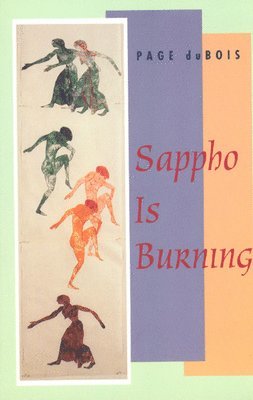
Sappho Is Burning
Av Page duBois
Inbunden, 1995
982 kr
Lägg i varukorg
Sappho's poetry, dating from the seventh century BC, comes to us in fragments, her biography as speculation. How is it then that this poet has come to signify so much? This study offers a different reading of the archaic lesbian poet that acknowledges the poet's distance and difference from us, …
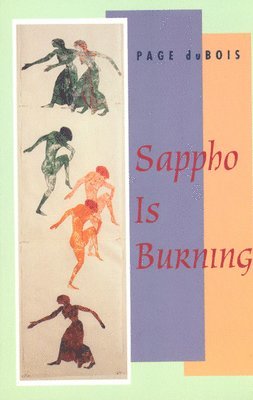
Sappho Is Burning
Av Page duBois
Häftad, 1997
362 kr
Lägg i varukorg
Sappho's poetry, dating from the seventh century BC, comes to us in fragments, her biography as speculation. How is it then that this poet has come to signify so much? This study offers a different reading of the archaic lesbian poet that acknowledges the poet's distance and difference from us, …
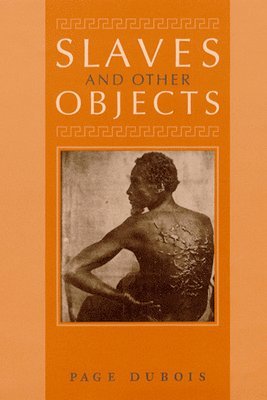
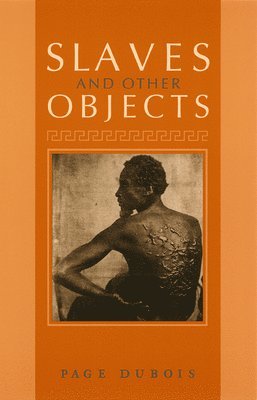
Slaves and Other Objects
Av Page duBois
Inbunden, 2003
879 kr
Lägg i varukorg
Page duBois, a classicist known for her daring and originality, turns in this book to one of the most troubling subjects in the study of antiquity: the indispensability of slaves in ancient Greece. DuBois here explores both the material culture of slavery as well as its representation in …
Slaves and Other Objects
Av Page duBois
Häftad, 2008
316 kr
Lägg i varukorg
Page duBois, a classicist known for her daring and originality, turns in this book to one of the most troubling subjects in the study of antiquity: the indispensability of slaves in ancient Greece. DuBois here explores both the material culture of slavery as well as its representation in …
Democratic Swarms
Ancient Comedy and the Politics of the People
Av Page duBois
Inbunden, 2022
451 kr
Lägg i varukorg
Considers how ancient Greek comedy offers a model for present-day politics. With Democratic Swarms, Page duBois revisits the role of Greek comedy in ancient politics, considering how it has been overlooked as a political medium by modern theorists and critics. Moving beyond the popular readings of …
Democratic Swarms
Ancient Comedy and the Politics of the People
Av Page duBois
E-bok, 2022
875 kr
Lägg i varukorg
Considers how ancient Greek comedy offers a model for present-day politics. With Democratic Swarms , Page duBois revisits the role of Greek comedy in ancient politics, considering how it has been overlooked as a political medium by modern theorists and critics. Moving beyond the popular readings of …
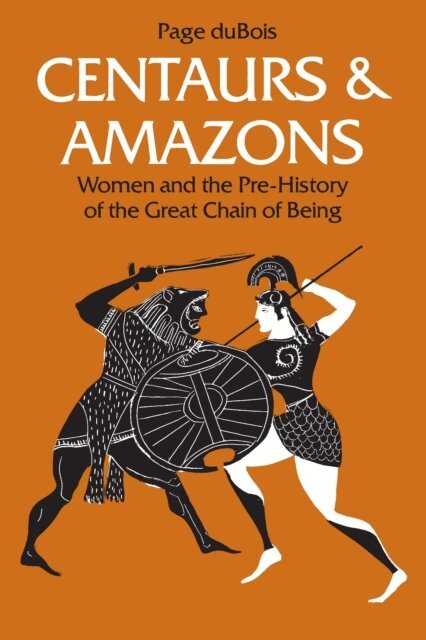
Centaurs and Amazons
Women and the Pre-History of the Great Chain of Being
Av Page duBois
E-bok, 2010
429 kr
Lägg i varukorg
In Centaurs and Amazons, Page duBois offers a prehistory of hierarchy. Using structural anthropology, symbolic analysis, and recent literary theory, she demonstrates a shift in Greek thought from the fifth to the fourth century B.C. that had a profound influence upon subsequent Western culture and …
Centaurs and Amazons
Women and the Pre-History of the Great Chain of Being
Av Page duBois
Häftad, 1991
270 kr
Lägg i varukorg
In Centaurs and Amazons, Page duBois offers a prehistory of hierarchy. Using structural anthropology, symbolic analysis, and recent literary theory, she demonstrates a shift in Greek thought from the fifth to the fourth century B.C. that had a profound influence upon subsequent Western culture and …
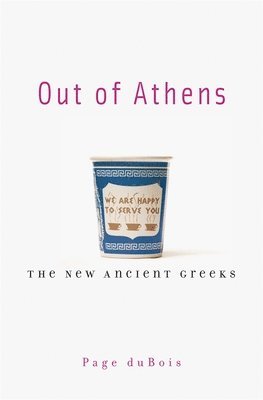
Out of Athens
The New Ancient Greeks
Av Page duBois
Häftad, 2012
324 kr
Lägg i varukorg
The iconoclast of Classics, Page duBois refuses to act as border patrol for a sometimes fiercely protected traditional discipline. Instead, she incorporates insights from postcolonial, psychoanalytic, and postmodern theories into her nuanced close readings of ancient Greek texts. Contemporary …
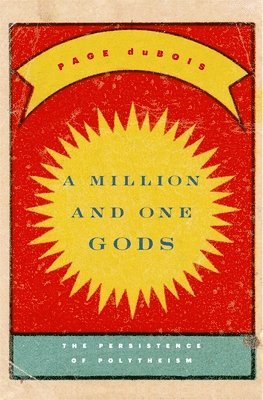
Million and One Gods
The Persistence of Polytheism
Av Page duBois
Inbunden, 2014
417 kr
Lägg i varukorg
Many people worship not just one but many gods. Yet a relentless prejudice against polytheism denies legitimacy to some of the world’s oldest and richest religious traditions. In her examination of polytheistic cultures both ancient and contemporary—those of Greece and Rome, the Bible and the …
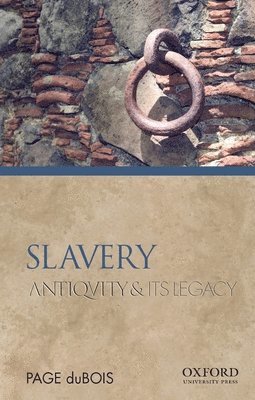
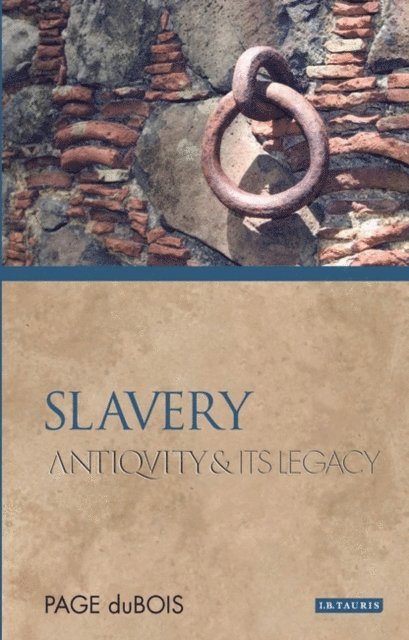
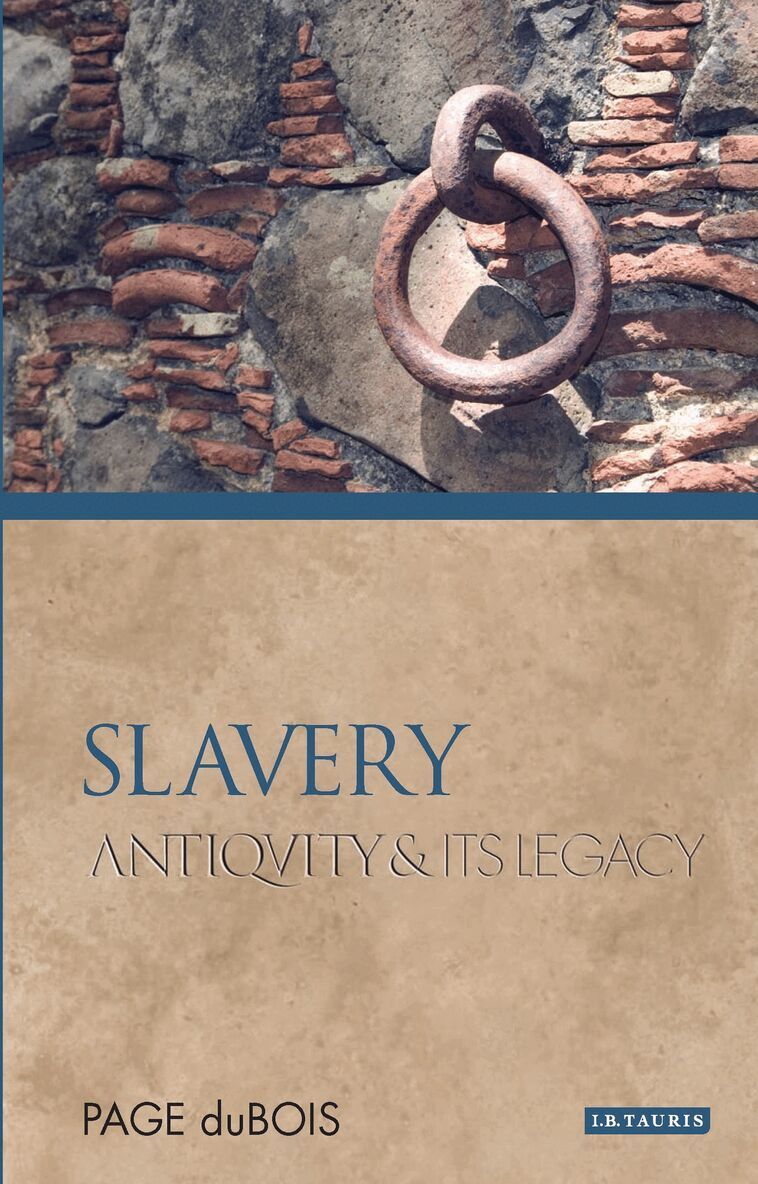
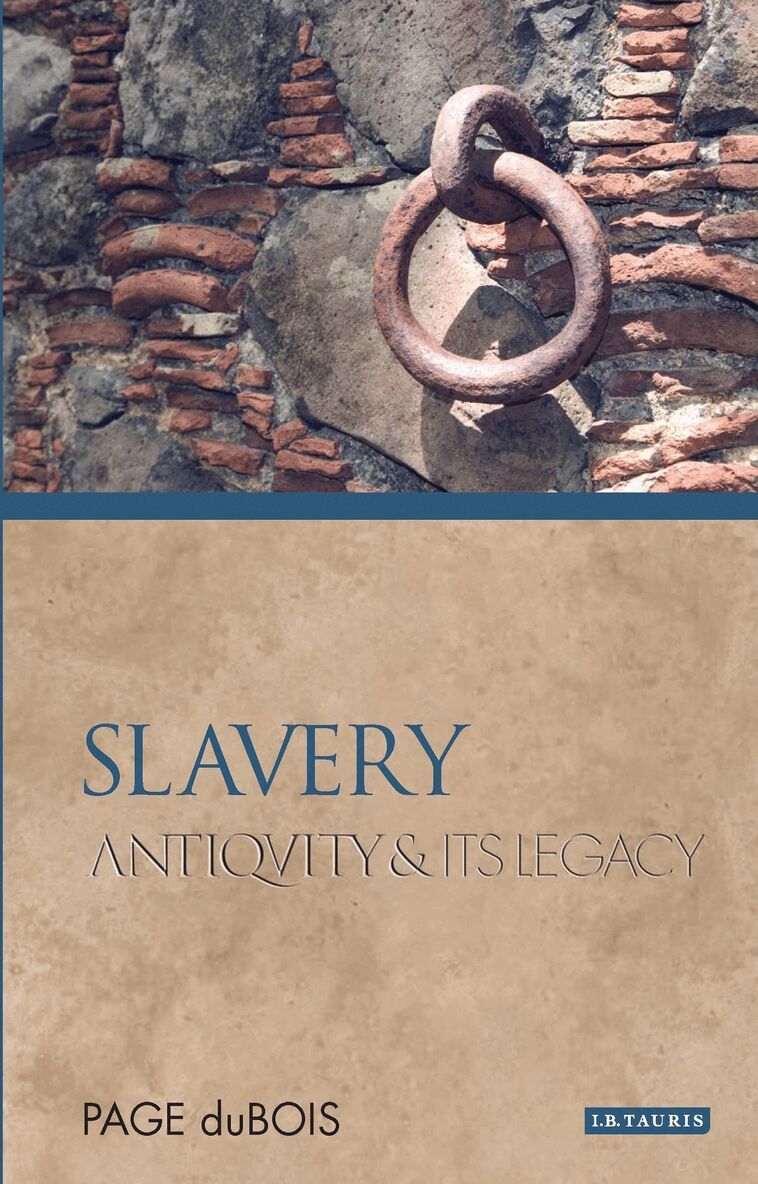
Slavery
Antiquity and its Legacy
Av Page DuBois
E-bok, 2021
314 kr
Lägg i varukorg
'Life, liberty and the pursuit of happiness' is perhaps the most famous phrase of all in the American Declaration of Independence. Thomas Jefferson's momentous words are closely related to the French concept of 'liberte, egalite, fraternite'; and both ideas incarnate a notion of freedom as …
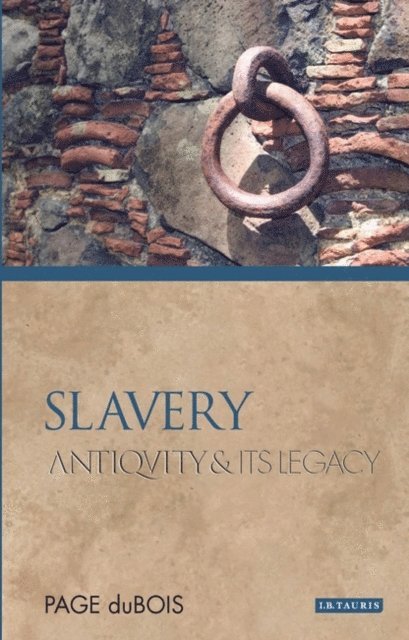
Slavery
Antiquity and its Legacy
Av Page DuBois
E-bok, 2021
321 kr
Lägg i varukorg
'Life, liberty and the pursuit of happiness' is perhaps the most famous phrase of all in the American Declaration of Independence. Thomas Jefferson's momentous words are closely related to the French concept of 'liberte, egalite, fraternite'; and both ideas incarnate a notion of freedom as …
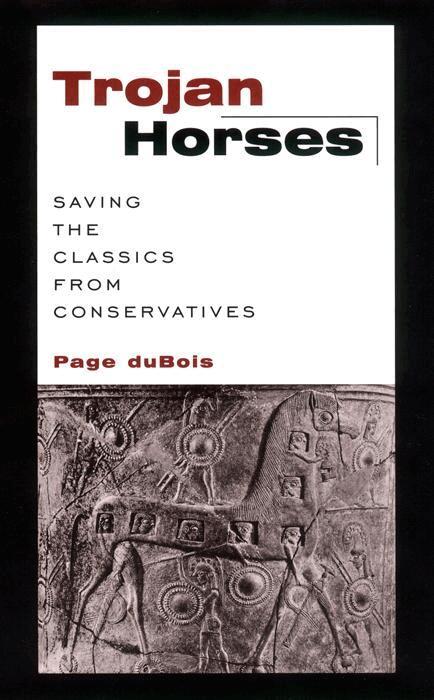
Trojan Horses
Saving the Classics from Conservatives
Av Page DuBois
Inbunden, 2001
415 kr
Lägg i varukorg
A passionate reexamination of the ancient world and the lessons we can draw from antiquityIn today's turbulent cultural moment, it is all too common for conservatives to invoke the wisdom of the ancient Greeks in the name of timeless virtues. At the same time, critics have charged that …
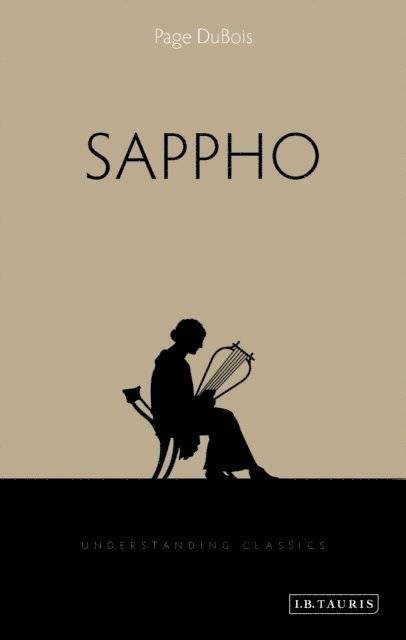
Sappho
Av Page DuBois
E-bok, 2015
430 kr
Lägg i varukorg
Sappho has been constructed as many things: proto-feminist, lesbian icon and even - by the Victorians - chaste headmistress of a girls' finishing school. Yet ironically, as Page DuBois shows, the historical poet herself remains elusive. We know that Sappho's contemporary Alcaeus described her as …
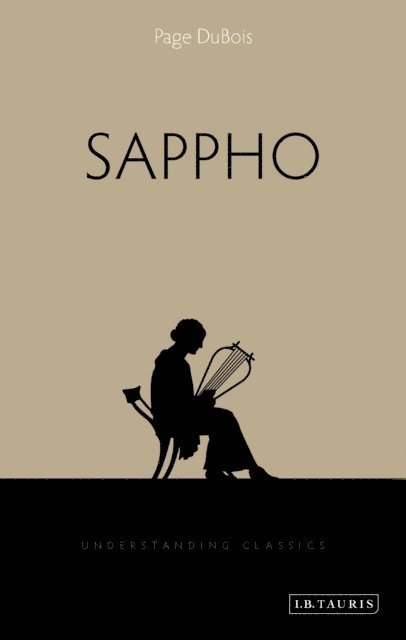
Sappho
Av Page DuBois
E-bok, 2015
385 kr
Lägg i varukorg
Sappho has been constructed as many things: proto-feminist, lesbian icon and even - by the Victorians - chaste headmistress of a girls' finishing school. Yet ironically, as Page DuBois shows, the historical poet herself remains elusive. We know that Sappho's contemporary Alcaeus described her as …
Torture and Truth (Routledge Revivals)
Av Page duBois
Inbunden, 2016
2451 kr
Lägg i varukorg
First published in 1991, this book — through the examination of ancient Greek literary, philosophical and legal texts — analyses how the Athenian torture of slaves emerged from and reinforced the concept of truth as something hidden in the human body. It discusses the tradition of understanding …
Torture and Truth (Routledge Revivals)
Av Page duBois
Häftad, 2018
560 kr
Lägg i varukorg
First published in 1991, this book — through the examination of ancient Greek literary, philosophical and legal texts — analyses how the Athenian torture of slaves emerged from and reinforced the concept of truth as something hidden in the human body. It discusses the tradition of understanding …
Torture and Truth (Routledge Revivals)
Av Page duBois
E-bok, 2016
757 kr
Lägg i varukorg
First published in 1991, this book — through the examination of ancient Greek literary, philosophical and legal texts — analyses how the Athenian torture of slaves emerged from and reinforced the concept of truth as something hidden in the human body. It discusses the tradition of understanding …
Torture and Truth (Routledge Revivals)
Av Page duBois
E-bok, 2016
757 kr
Lägg i varukorg
First published in 1991, this book — through the examination of ancient Greek literary, philosophical and legal texts — analyses how the Athenian torture of slaves emerged from and reinforced the concept of truth as something hidden in the human body. It discusses the tradition of understanding …
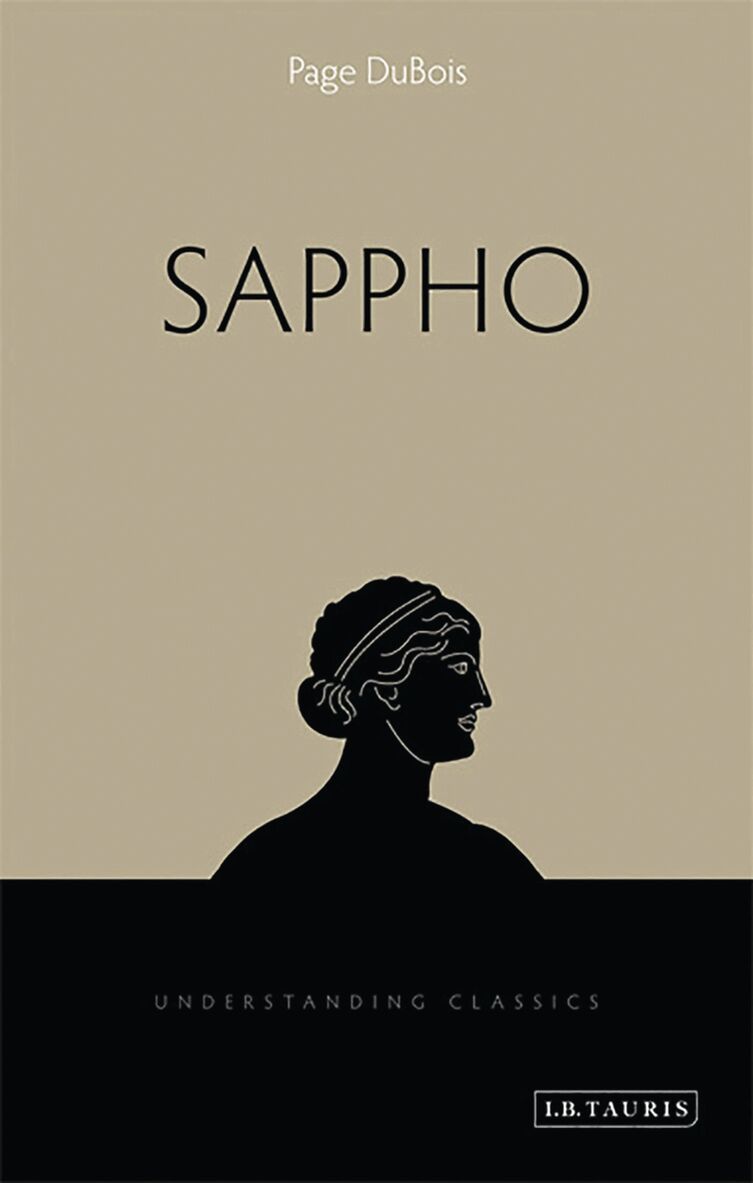
Sappho
Av Page DuBois, Richard Stoneman
Häftad, 2015
394 kr
Lägg i varukorg
Sappho has been constructed as many things: proto-feminist, lesbian icon and even - by the Victorians - chaste headmistress of a girls' finishing school. Yet ironically, as Page DuBois shows, the historical poet herself remains elusive. We know that Sappho's contemporary Alcaeus described her as …
Slavery
Antiquity and Its Legacy
Av Page DuBois, Phiroze Vasunia
Inbunden, 2009
1461 kr
Lägg i varukorg
'Life, liberty and the pursuit of happiness' is perhaps the most famous phrase of all in the American Declaration of Independence. Thomas Jefferson's momentous words are closely related to the French concept of 'liberte, egalite, fraternite'; and both ideas incarnate a notion of freedom as …
Slavery
Antiquity and Its Legacy
Av Page DuBois, Phiroze Vasunia
Häftad, 2009
298 kr
Lägg i varukorg
'Life, liberty and the pursuit of happiness' is perhaps the most famous phrase of all in the American Declaration of Independence. Thomas Jefferson's momentous words are closely related to the French concept of 'liberte, egalite, fraternite'; and both ideas incarnate a notion of freedom as …