Pallavi Rastogi - Böcker
Visar alla böcker från författaren Pallavi Rastogi. Handla med fri frakt och snabb leverans.
6 produkter
6 produkter
2 402 kr
Skickas inom 10-15 vardagar
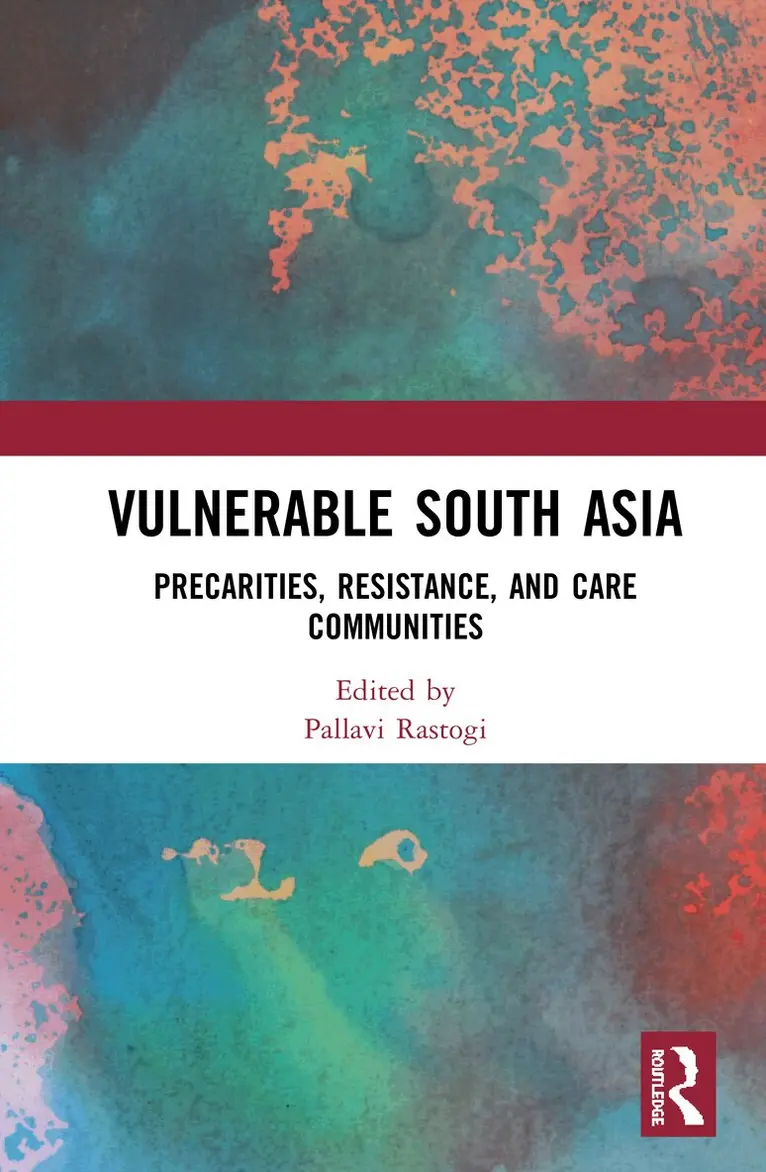
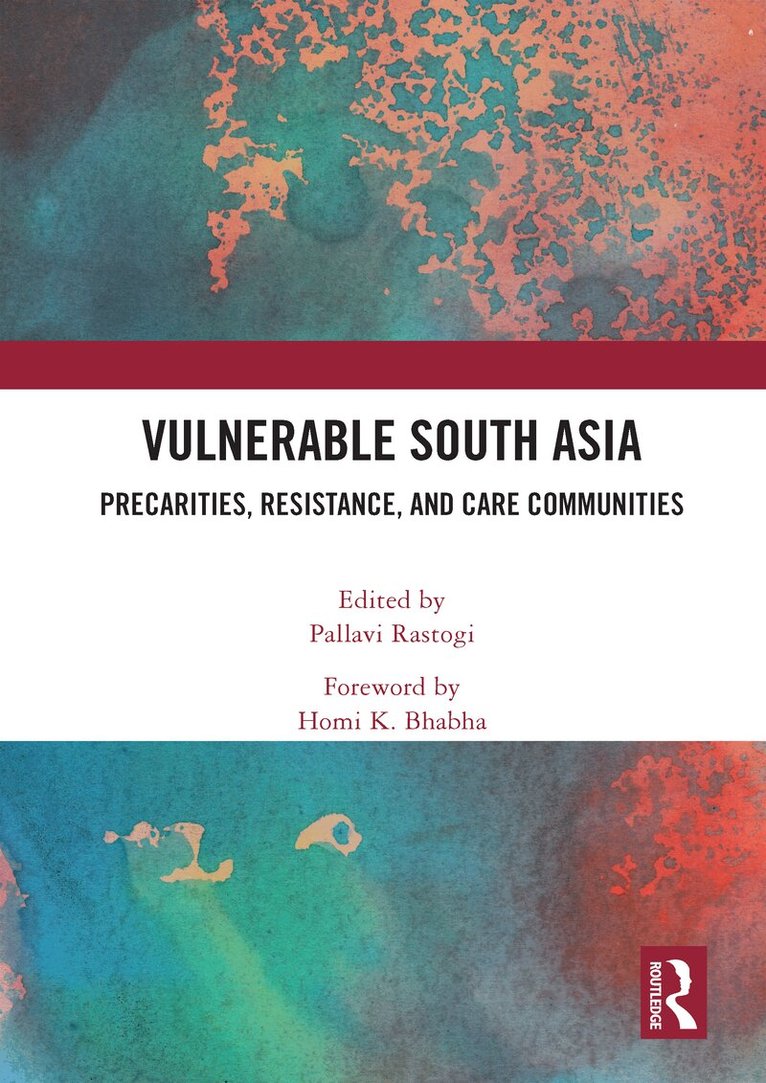
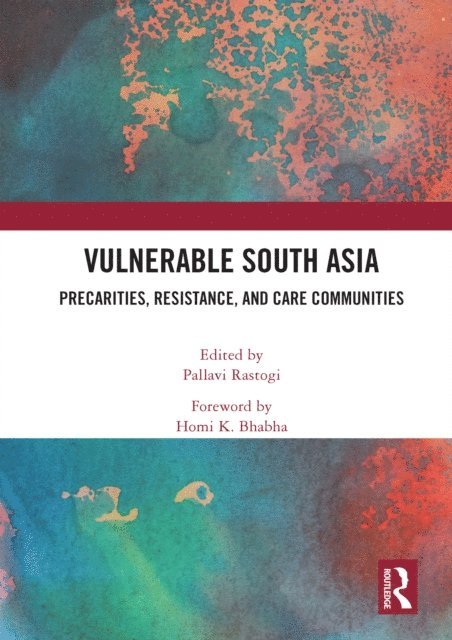
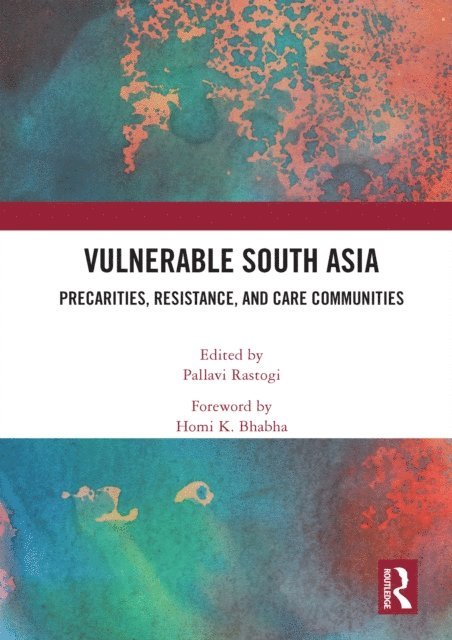
This innovatively organized volume brings together reflections on crisis and community in South Asia by some of the most important authors and scholars writing about the Indian subcontinent today. The various pieces, including the foreword, the poetic interludes, the nine different essays on a range of topics, as well as the afterword, all seek to understand the precarious state of our planet and its population, and the ways to resist – through both writing and teaching – the forces that render us vulnerable; to create "care communities" in which we look out for, and after, each other on egalitarian rather than authoritarian terms. Turning to literary and cultural criticism in precarious times reveals the immense value of the humanities, including volumes such as this one. This collection is a significant intervention in the on-going global conversation on precarity, vulnerability, and suffering, not only because these issues have preoccupied the human race through the ages, but also because our present moment – the now – is characterized by pervasive hazard that writers, readers, teachers, and humanists must call out, talk and write about, and thus resist. The chapters in this book were originally published as a special issue of the journal South Asian Review.
663 kr
Skickas inom 10-15 vardagar
This innovatively organized volume brings together reflections on crisis and community in South Asia by some of the most important authors and scholars writing about the Indian subcontinent today. The various pieces, including the foreword, the poetic interludes, the nine different essays on a range of topics, as well as the afterword, all seek to understand the precarious state of our planet and its population, and the ways to resist – through both writing and teaching – the forces that render us vulnerable; to create "care communities" in which we look out for, and after, each other on egalitarian rather than authoritarian terms. Turning to literary and cultural criticism in precarious times reveals the immense value of the humanities, including volumes such as this one. This collection is a significant intervention in the on-going global conversation on precarity, vulnerability, and suffering, not only because these issues have preoccupied the human race through the ages, but also because our present moment – the now – is characterized by pervasive hazard that writers, readers, teachers, and humanists must call out, talk and write about, and thus resist. The chapters in this book were originally published as a special issue of the journal South Asian Review.
1 481 kr
Skickas inom 10-15 vardagar
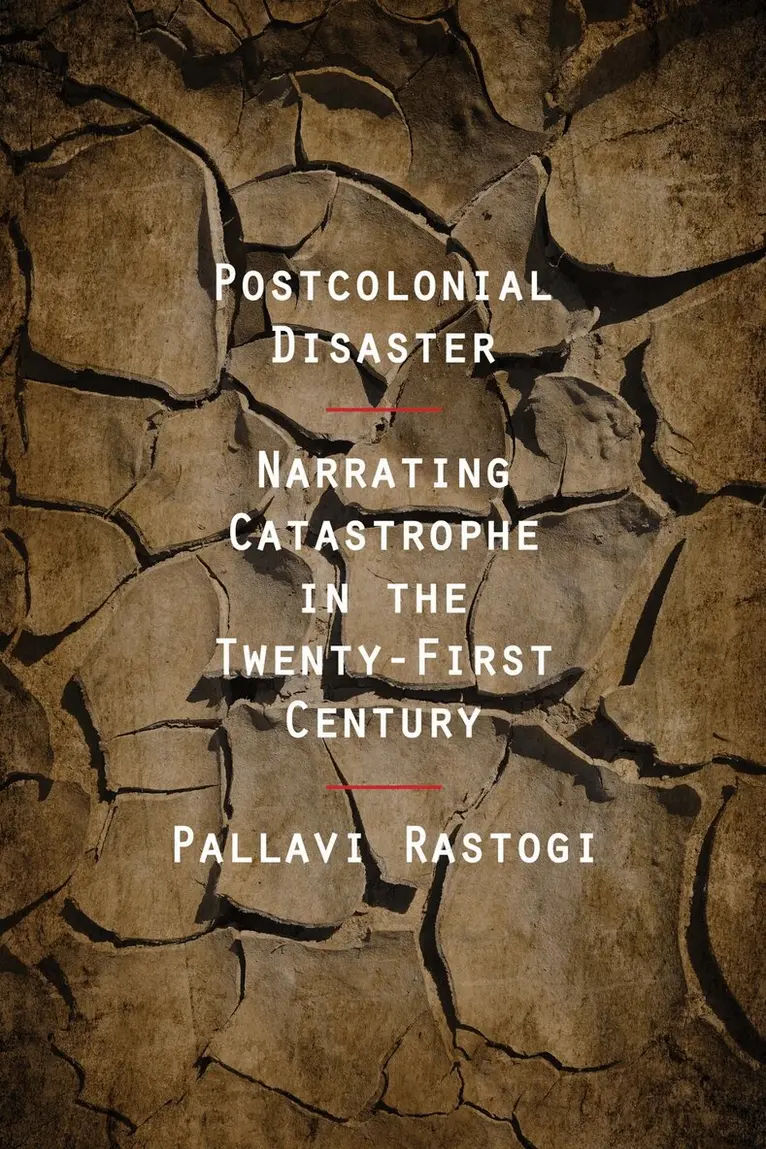
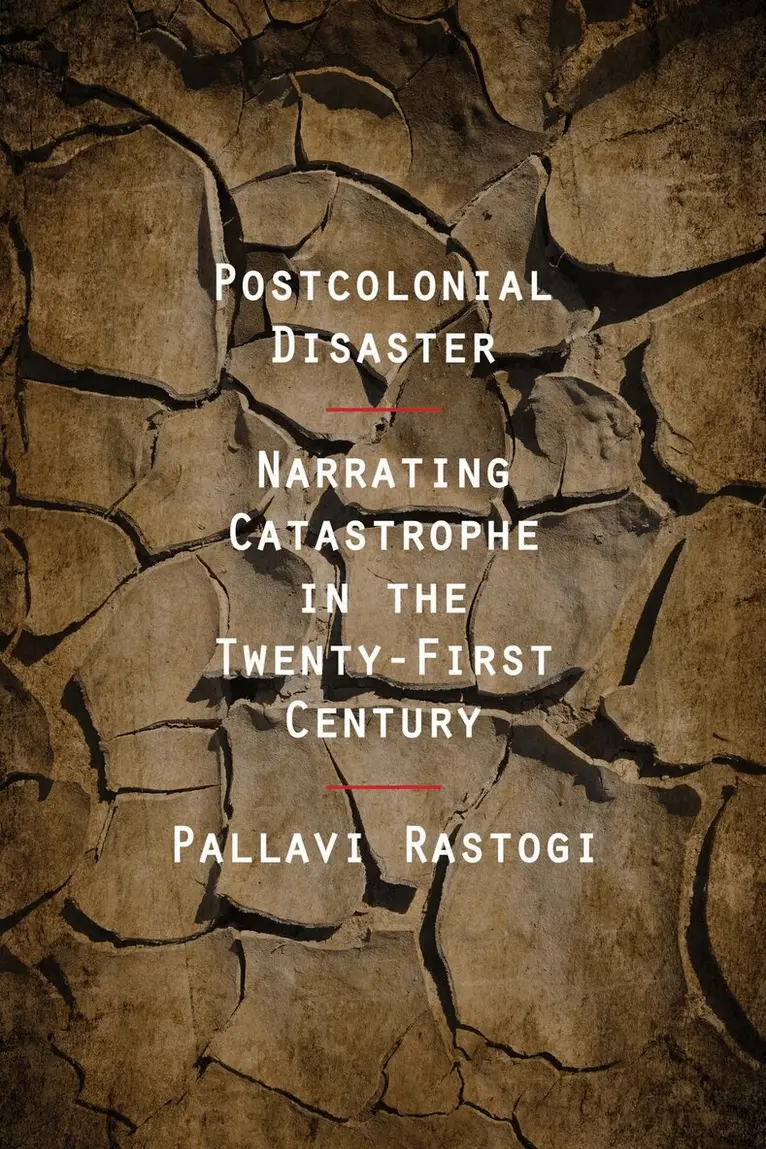
Postcolonial Disaster studies literary fiction about crises of epic proportions in contemporary South Asia and Southern Africa: the oceanic disaster in Sri Lanka, the economic disaster in Zimbabwe, the medical disaster in South Africa and Botswana, and the geopolitical disaster in India and Pakistan. Pallavi Rastogi argues that postcolonial fiction about catastrophe is underpinned by a Disaster Unconscious, a buried but mobile agenda that forces disastrous events to narrate themselves. She writes that in disaster fiction, a literary Story and its real-life Event are in constant dialectic tension. In recent disasters, Story and Event are tied together as the urgency to circulate information and rebuild in the aftermath of the disaster dictates the flow of the narrative. As the Story acquires temporal distance from the Event, such as the seventy-three years since the partition of India in 1947, it plays more with form and theme, to expand beyond a tale about an all-consuming tragedy. Story and Event are in a constant dance with each other, and the Disaster Unconscious plays the tune to which they move. Rastogi creates a narratology for postcolonial disaster fiction and brings concepts from Disaster Studies into the realm of literary analysis.
737 kr
Skickas inom 5-8 vardagar
1 218 kr
Skickas inom 7-10 vardagar
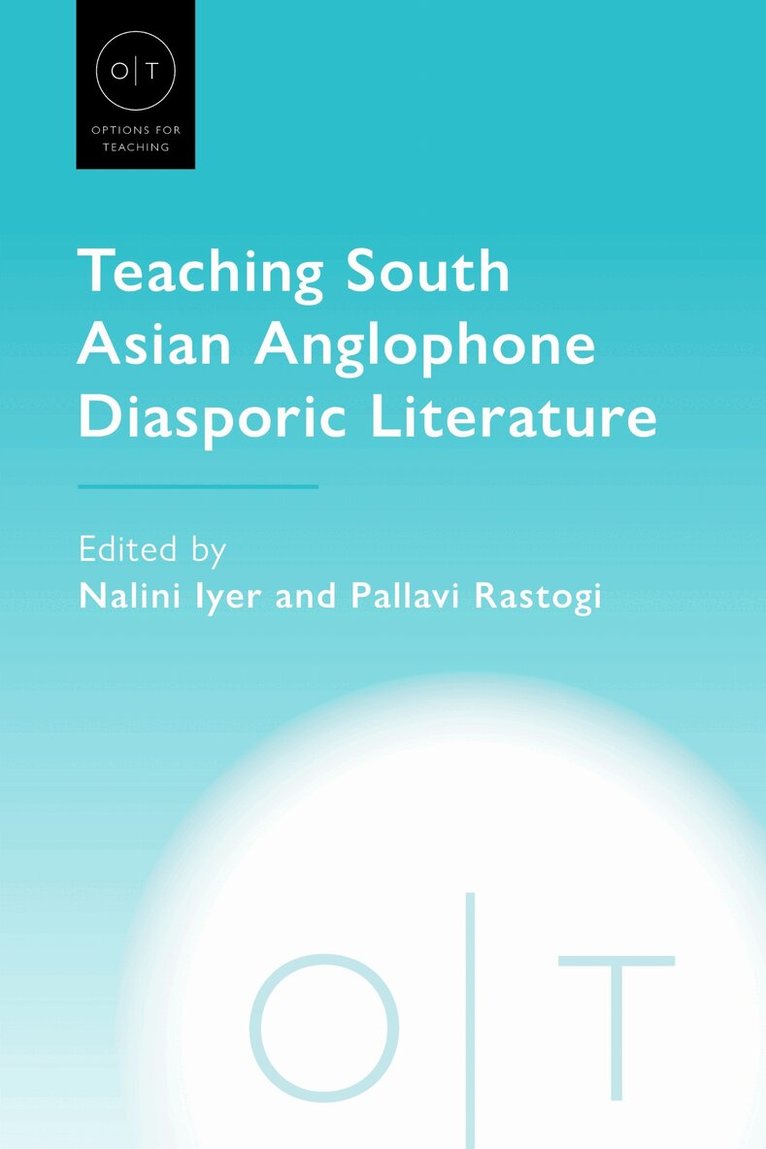
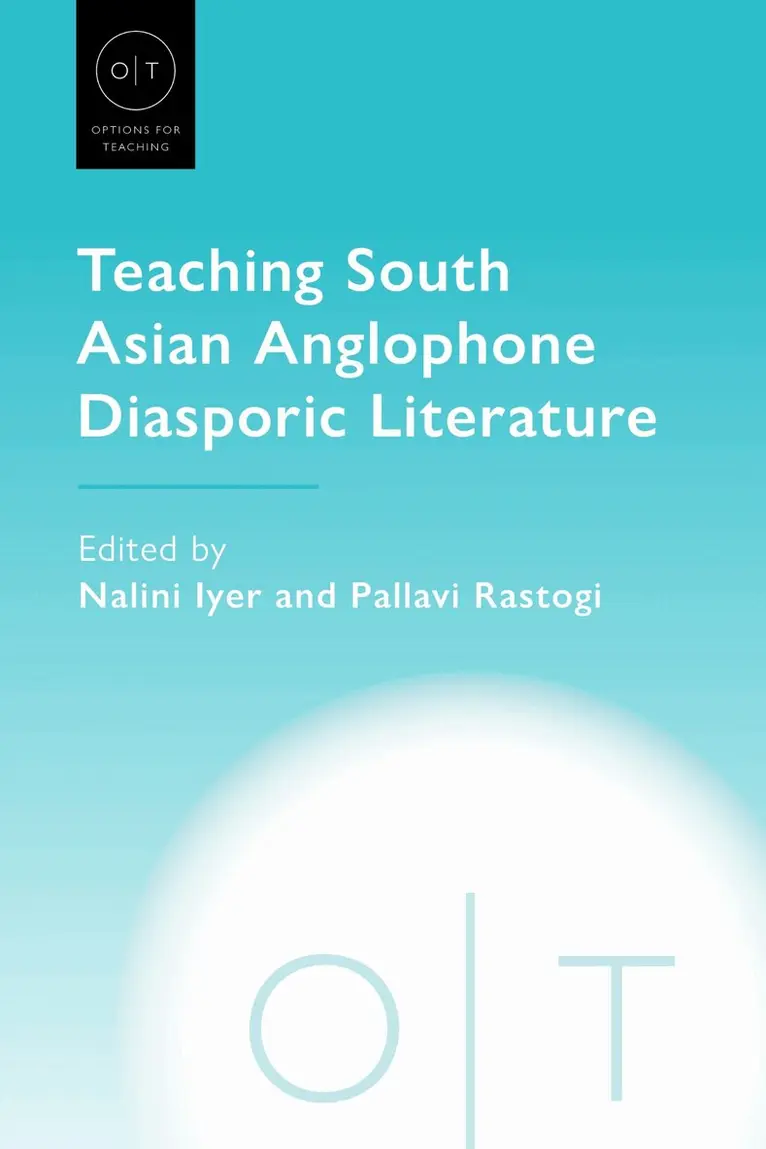
Essays on teaching anglophone literature of the South Asian diaspora from around the worldMigration from the Indian subcontinent began on a large scale over 150 years ago, and today there are diasporic communities around the world. The identities of South Asians in the diaspora are informed by roots in the subcontinent and the complex experiences of race, religion, nation, class, caste, gender, sexuality, language, trauma, and geography. The literature that arises from these roots and experiences is diverse, powerful, and urgent.Teaching South Asian Anglophone Diasporic Literature embraces an intersectionality that attends to the historical and material conditions of cultural production, the institutional contexts of pedagogy, and the subject positions of teachers and students. Encouraging a deep engagement with works whose personal, political, and cultural insights are specific to South Asian diasporic consciousness, the volume also provokes meaningful reflection on other literatures in an age of increasing migration and diaspora.This book also contains discussion of the following authors and works: Monica Ali, Brick Lane; Nadeem Aslam, The Wasted Vigil; Bhira Backhaus, Under the Lemon Trees; Gaiutra Bahadur, Coolie Woman: The Odyssey of Indenture; Sharon Bala, The Boat People; Ramabai Espinet, The Swinging Bridge; Amitav Ghosh, In an Antique Land and The Great Derangement; Mohsin Hamid, Exit West and The Reluctant Fundamentalist; Meena Kandasamy, When I Hit You; Rupi Kaur, Home Body; Jhumpa Lahiri, "A Temporary Matter" and Unaccustomed Earth; Deepa Mehta, Earth; Johny Miranda, Jeevichirikkunnavarkku Vendiyulla Oppees: Requiem for the Living; Shani Mootoo, Cereus Blooms at Night; Bharati Mukherjee, Jasmine; V. S. Naipaul, A House for Mr. Biswas; Michael Ondaatje, Anil's Ghost; Salman Rushdie, Midnight's Children; Sunjeev Sahota, The Year of the Runaways; Sara Suleri, Meatless Days; Shyam Selvadurai, Funny Boy; Ryhaan Shah, A Silent Life; Narmala Shewcharan, Tomorrow Is Another Day; Bapsi Sidhwa, Cracking India; Manjushree Thapa, Seasons of Flight; M. G. Vassanji, The In-Between World of Vikram Lall.
492 kr
Skickas inom 7-10 vardagar
Essays on teaching anglophone literature of the South Asian diaspora from around the worldMigration from the Indian subcontinent began on a large scale over 150 years ago, and today there are diasporic communities around the world. The identities of South Asians in the diaspora are informed by roots in the subcontinent and the complex experiences of race, religion, nation, class, caste, gender, sexuality, language, trauma, and geography. The literature that arises from these roots and experiences is diverse, powerful, and urgent.Teaching South Asian Anglophone Diasporic Literature embraces an intersectionality that attends to the historical and material conditions of cultural production, the institutional contexts of pedagogy, and the subject positions of teachers and students. Encouraging a deep engagement with works whose personal, political, and cultural insights are specific to South Asian diasporic consciousness, the volume also provokes meaningful reflection on other literatures in an age of increasing migration and diaspora.This book also contains discussion of the following authors and works: Monica Ali, Brick Lane; Nadeem Aslam, The Wasted Vigil; Bhira Backhaus, Under the Lemon Trees; Gaiutra Bahadur, Coolie Woman: The Odyssey of Indenture; Sharon Bala, The Boat People; Ramabai Espinet, The Swinging Bridge; Amitav Ghosh, In an Antique Land and The Great Derangement; Mohsin Hamid, Exit West and The Reluctant Fundamentalist; Meena Kandasamy, When I Hit You; Rupi Kaur, Home Body; Jhumpa Lahiri, "A Temporary Matter" and Unaccustomed Earth; Deepa Mehta, Earth; Johny Miranda, Jeevichirikkunnavarkku Vendiyulla Oppees: Requiem for the Living; Shani Mootoo, Cereus Blooms at Night; Bharati Mukherjee, Jasmine; V. S. Naipaul, A House for Mr. Biswas; Michael Ondaatje, Anil's Ghost; Salman Rushdie, Midnight's Children; Sunjeev Sahota, The Year of the Runaways; Sara Suleri, Meatless Days; Shyam Selvadurai, Funny Boy; Ryhaan Shah, A Silent Life; Narmala Shewcharan, Tomorrow Is Another Day; Bapsi Sidhwa, Cracking India; Manjushree Thapa, Seasons of Flight; M. G. Vassanji, The In-Between World of Vikram Lall.