Paloma Gay y Blasco – författare
Visar alla böcker från författaren Paloma Gay y Blasco. Handla med fri frakt och snabb leverans.
10 produkter
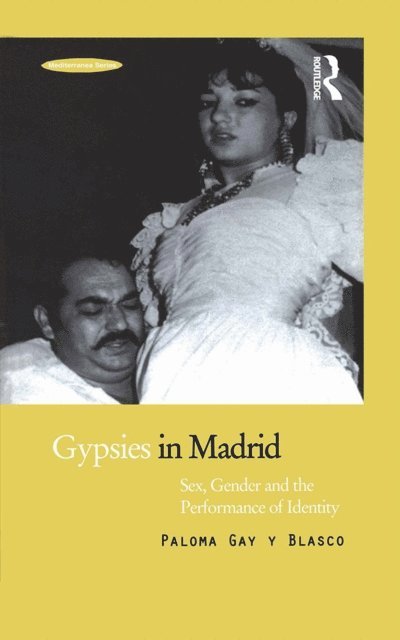
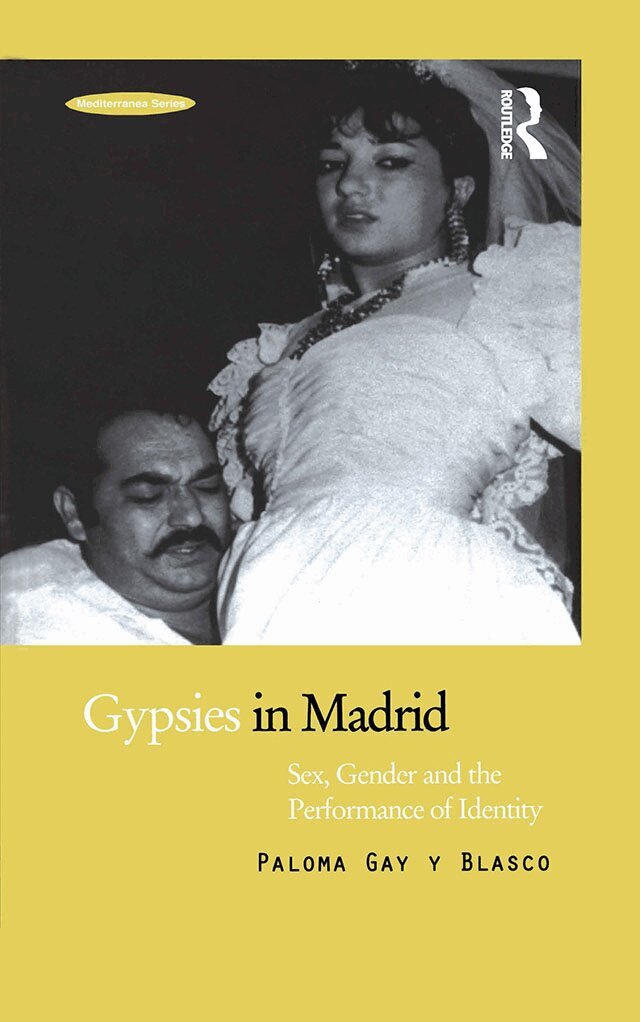
Gypsies in Madrid
Sex, Gender and the Performance of Identity
E-bok, 2020
746 kr
Lägg i varukorg
Throughout the twentieth century, Spanish people have deployed conflicting sexual moralities in their struggle for political supremacy within the state. The Spanish Gypsies or Gitanos, who live at the very bottom of the Spanish socio-economic scale, have appropriated this concern with gender …
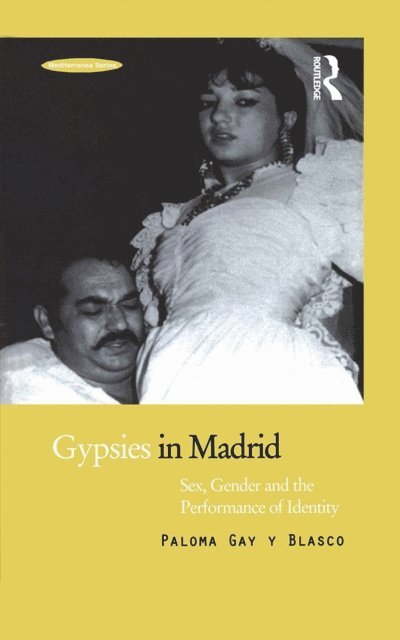
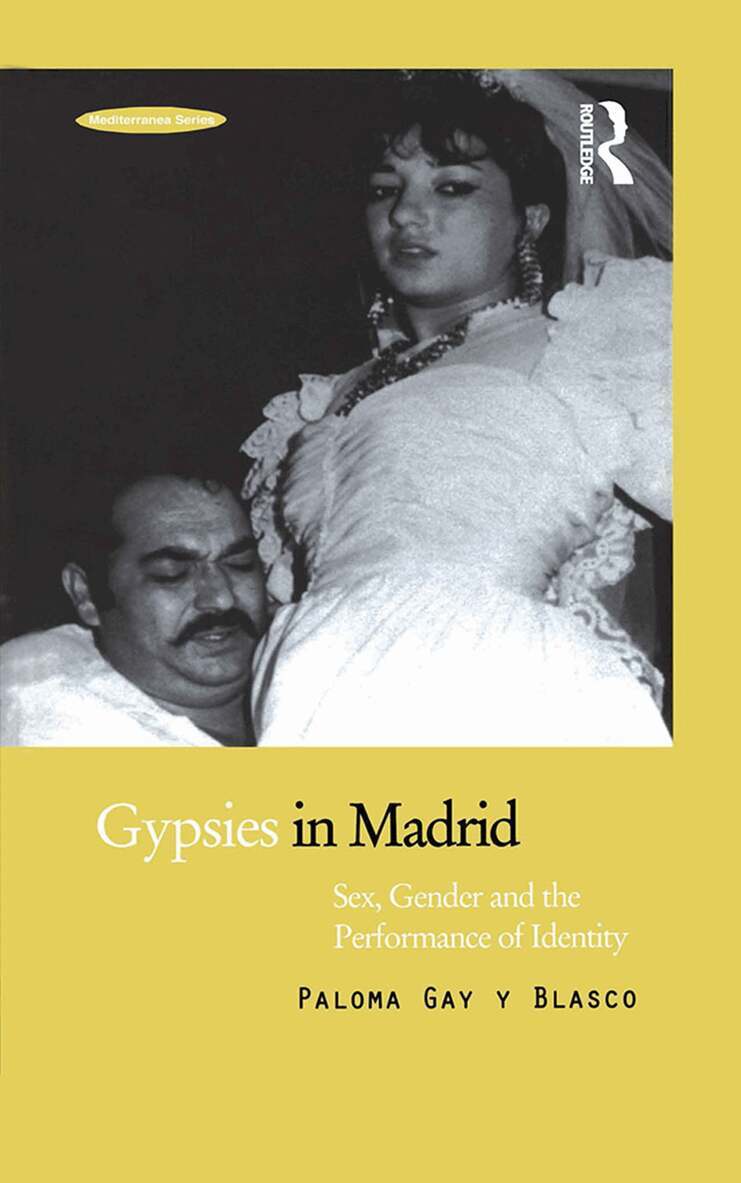
Gypsies in Madrid
Sex, Gender and the Performance of Identity
E-bok, 2020
746 kr
Lägg i varukorg
Throughout the twentieth century, Spanish people have deployed conflicting sexual moralities in their struggle for political supremacy within the state. The Spanish Gypsies or Gitanos, who live at the very bottom of the Spanish socio-economic scale, have appropriated this concern with gender …
Ethnographic Methods in Gypsy, Roma and Traveller Research
Lessons from a Time of Crisis
Av Martin Fotta, Paloma Gay y Blasco
Inbunden, 2024
1200 kr
Lägg i varukorg
EPDF and EPUB available Open Access under CC-BY-NC-ND licence.This collection scrutinizes the methodological and ethical challenges that researchers face when working with and for Gypsy, Roma and Traveller communities in the context of global crises.Contributors assess the impact of the pandemic on …
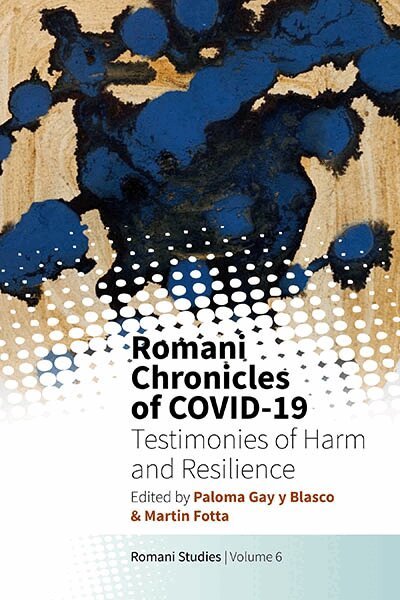
Romani Chronicles of COVID-19
Testimonies of Harm and Resilience
Av Paloma Gay y Blasco, Martin Fotta
Inbunden, 2023
1936 kr
Lägg i varukorg
A ground-breaking volume that gathers the testimonies of NGO workers, street vendors, activists, scholars, health professionals, and creative writers to chronicle the devastating impact of COVID-19 on Romani communities globally.The contributors reveal how the pandemic has exacerbated Romani …
Romani Chronicles of COVID-19
Testimonies of Harm and Resilience
Av Paloma Gay y Blasco, Martin Fotta
Häftad, 2023
532 kr
Lägg i varukorg
A ground-breaking volume that gathers the testimonies of NGO workers, street vendors, activists, scholars, health professionals, and creative writers to chronicle the devastating impact of COVID-19 on Romani communities globally.The contributors reveal how the pandemic has exacerbated Romani …
Gypsies in Madrid
Sex, Gender and the Performance of Identity
Inbunden, 1999
2520 kr
Lägg i varukorg
Throughout the twentieth century, Spanish people have deployed conflicting sexual moralities in their struggle for political supremacy within the state. The Spanish Gypsies or Gitanos, who live at the very bottom of the Spanish socio-economic scale, have appropriated this concern with gender …
Gypsies in Madrid
Sex, Gender and the Performance of Identity
Häftad, 1999
650 kr
Lägg i varukorg
Throughout the twentieth century, Spanish people have deployed conflicting sexual moralities in their struggle for political supremacy within the state. The Spanish Gypsies or Gitanos, who live at the very bottom of the Spanish socio-economic scale, have appropriated this concern with gender …
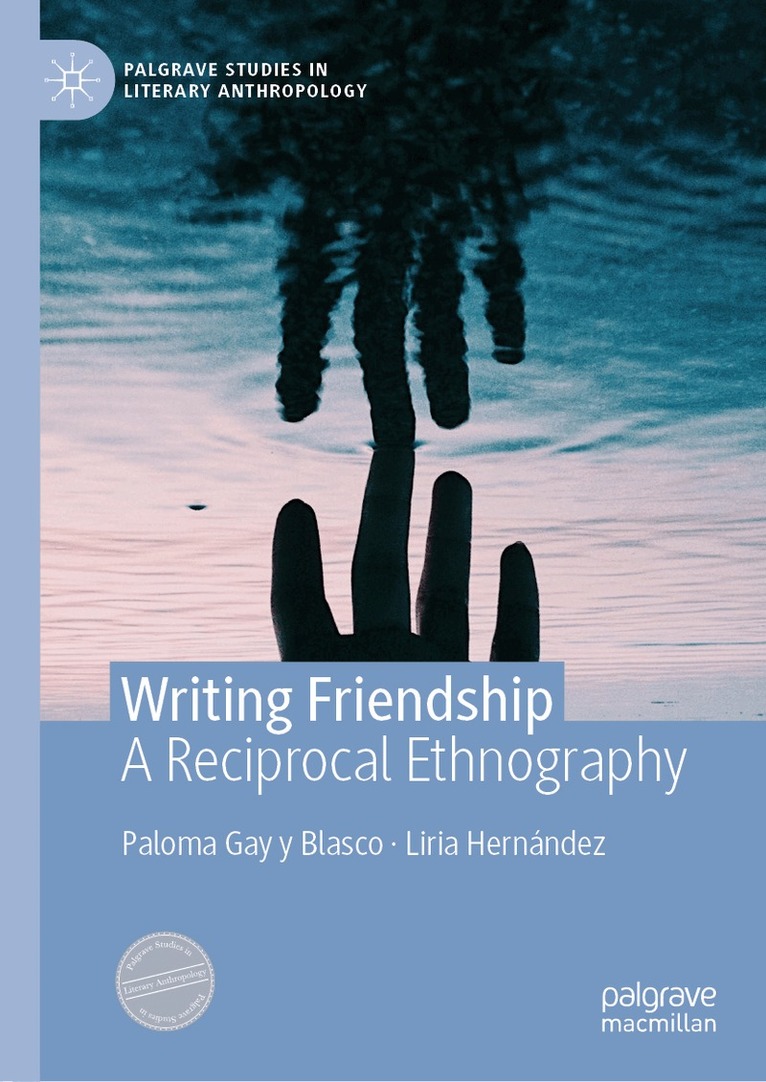
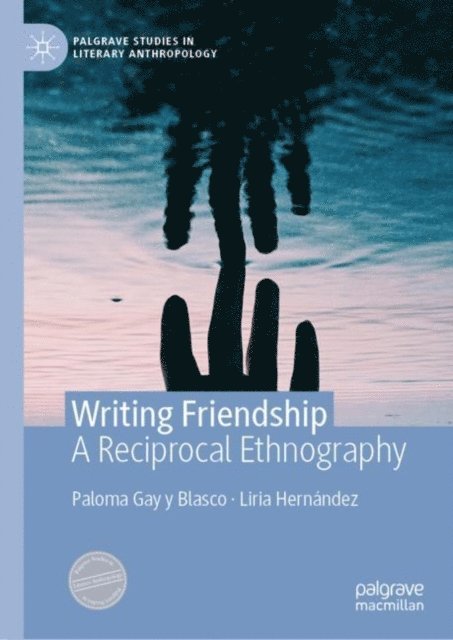
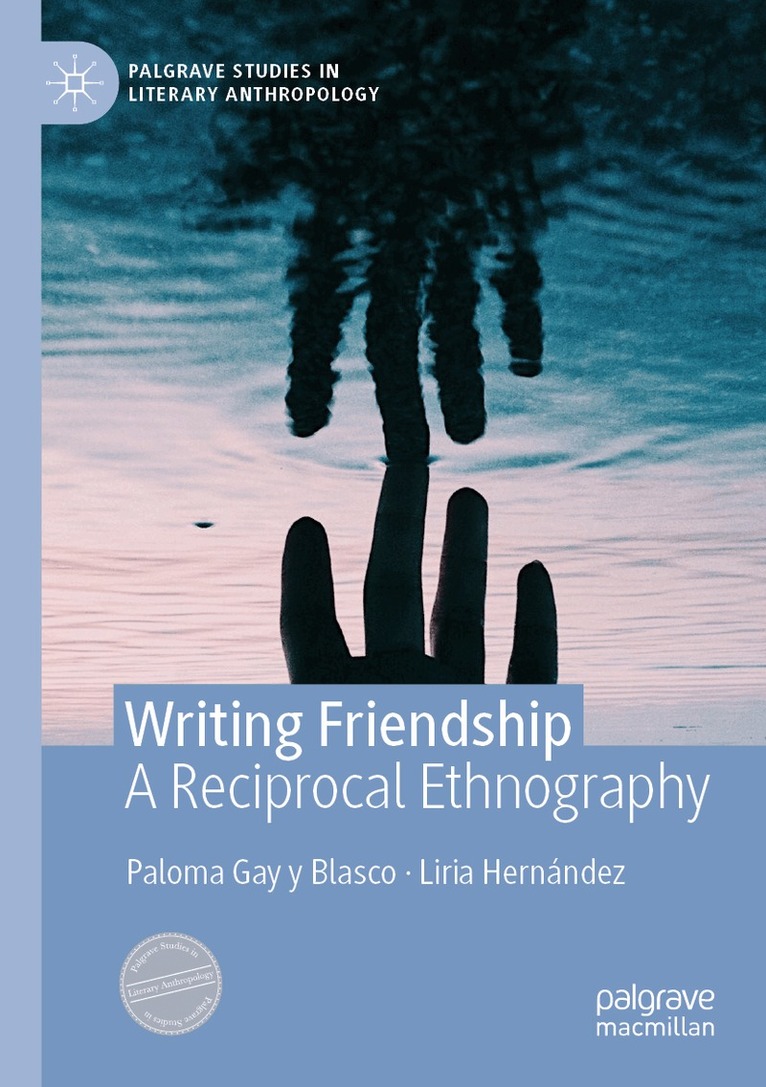
Writing Friendship
A Reciprocal Ethnography
Av Paloma Gay y Blasco, Liria Hernández
Inbunden, 2019
937 kr
Lägg i varukorg
This book tells the remarkable story of the friendship between Liria Hernández, a Roma woman from Madrid, and Paloma Gay y Blasco, a non-Roma anthropologist. In this unique reciprocal experiment, the former informant returns the gaze to write about the anthropologist, her life and her environment. …
Writing Friendship
A Reciprocal Ethnography
Av Liria Hernandez, Paloma Gay y Blasco
E-bok, 2019
1188 kr
Lägg i varukorg
This book tells the remarkable story of the friendship between Liria Hernández, a Roma woman from Madrid, and Paloma Gay y Blasco, a non-Roma anthropologist. In this unique reciprocal experiment, the former informant returns the gaze to write about the anthropologist, her life and her environment. …
Writing Friendship
A Reciprocal Ethnography
Av Paloma Gay y Blasco, Liria Hernández
Häftad, 2020
938 kr
Lägg i varukorg
This book tells the remarkable story of the friendship between Liria Hernández, a Roma woman from Madrid, and Paloma Gay y Blasco, a non-Roma anthropologist. In this unique reciprocal experiment, the former informant returns the gaze to write about the anthropologist, her life and her environment. …