Panagiotis Karadimas - Böcker
Visar alla böcker från författaren Panagiotis Karadimas. Handla med fri frakt och snabb leverans.
4 produkter
4 produkter
1 091 kr
Skickas inom 10-15 vardagar
By the end of the volume, the reader will be able to draw their own conclusions about whether the pandemic policy responses served the public interest, as public interest theory suggests, or the personal interests of the politicians who implemented them, as public choice theory holds.
634 kr
Skickas inom 5-8 vardagar
1 091 kr
Skickas inom 10-15 vardagar
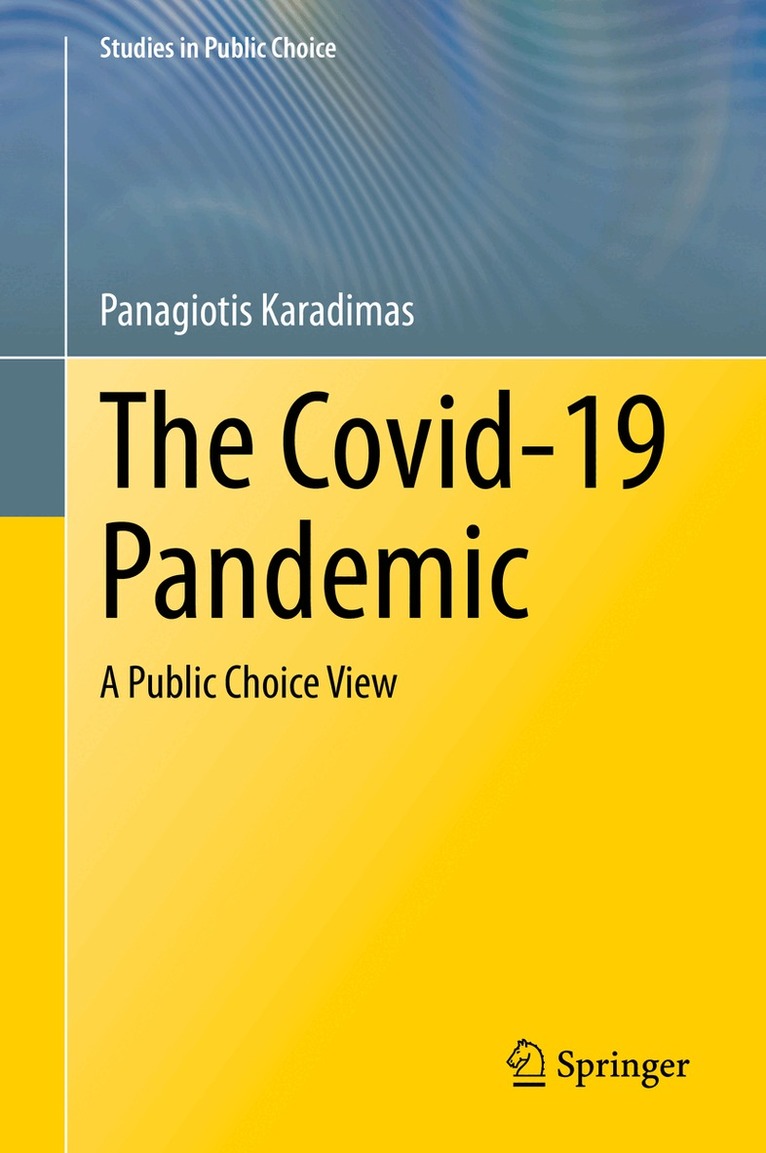
This monograph evaluates public policy responses to the Covid-19 pandemic through a public choice lens. The book compares two prominent, albeit mutually exclusive, theories in social sciences—public interest theory and public choice theory—and explores how their predictions perform within the framework of the Covid-19 pandemic. The chapters present different pandemic policies alongside empirical data in order to draw conclusions about their efficacy, and, in turn, draw conclusions about the veracity of each theory. By the end of the volume, the reader will be able to draw their own conclusions about whether the pandemic policy responses served the public interest, as public interest theory suggests, or the personal interests of the politicians who implemented them, as public choice theory holds.
1 375 kr
Skickas inom 10-15 vardagar
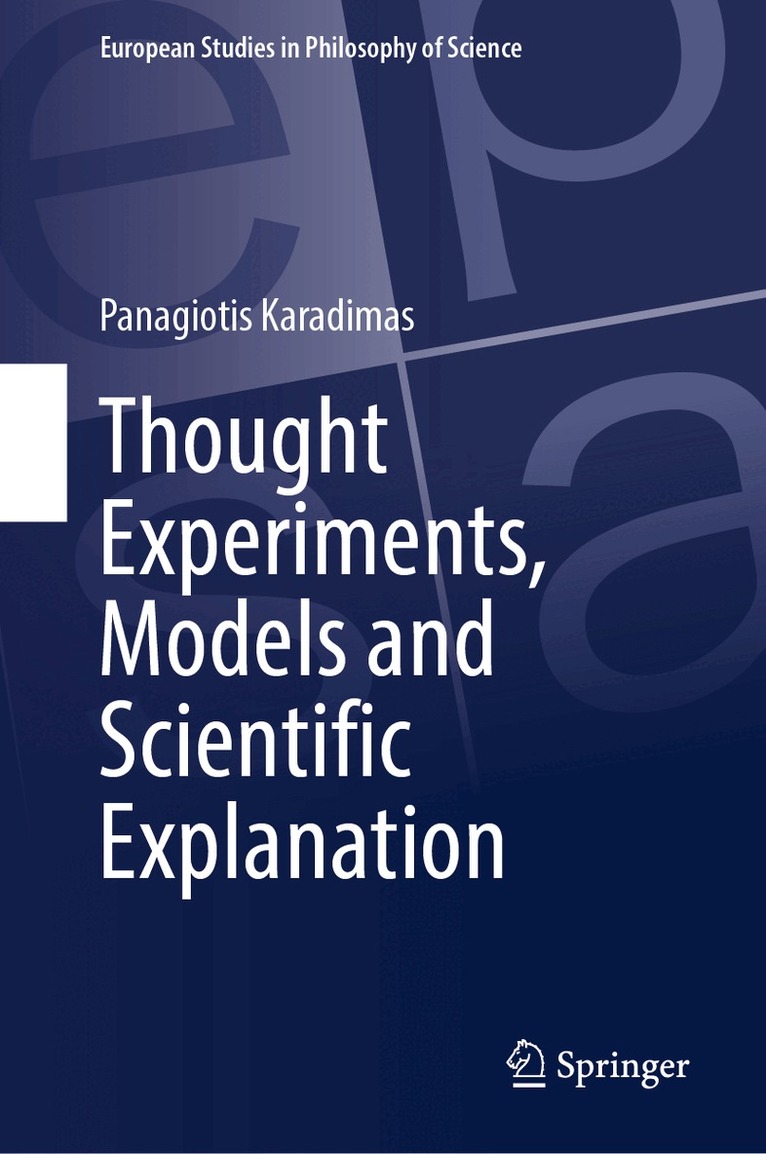
This book proposes a novel way to view thought experiments, models and scientific explanations. Current literature focuses largely on the assumed differences between the thought experiments and models, and as a result we have lost sight of an important role they can perform in science, such as providing explanations. On the contrary, by characterizing them as mingled representations (instead of defining them), namely as representations that carry scientific content which is at once hypothetical and empirical, we can see that they explain events in certain contexts. These activities constitute a huge portion of scientific practice and considering them as not being linked to explanation has been an unfortunate outcome for philosophy of science so far. This book fills that gap, making it of great interest to philosophers of science from a wide range of branches in the field, including those working on thought experiments and those who work on models.