Inbunden, Engelska, 2026
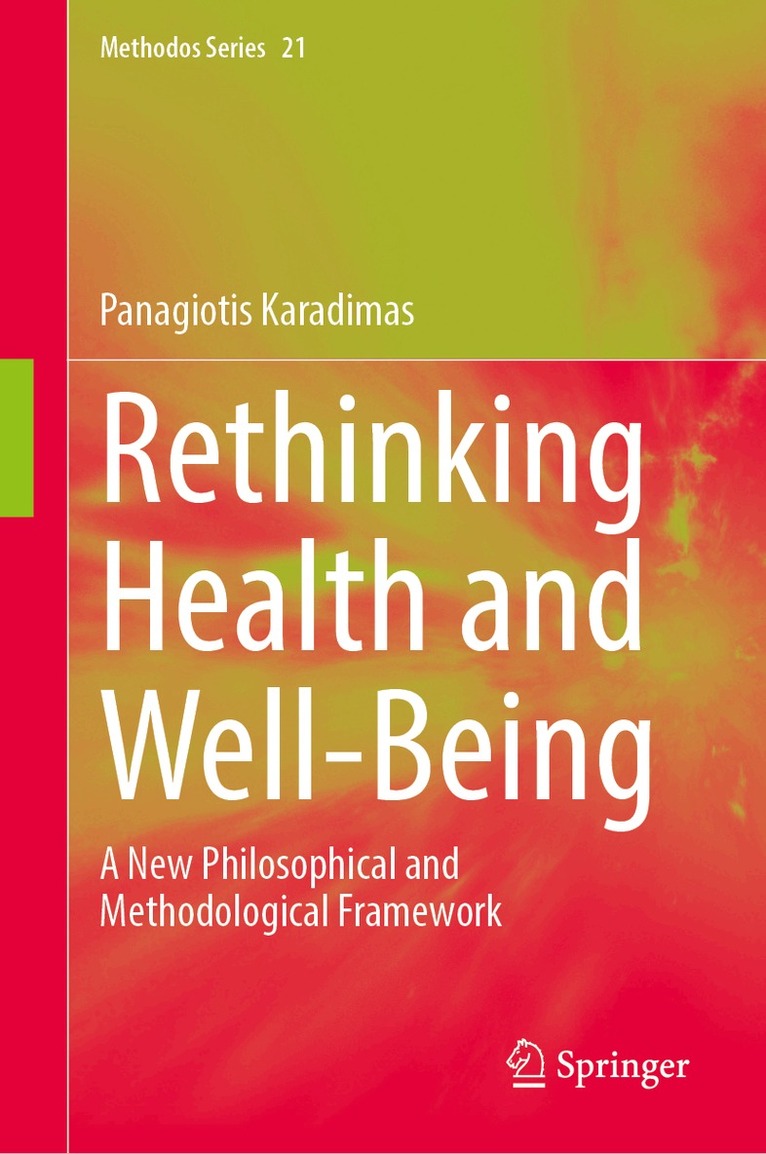
Rethinking Health and Well-Being
1425 kr
Beställningsvara. Skickas inom 10-15 vardagar. Fri frakt över 249 kr.
Beskrivning
This book calls scholars to rethink health and well-being. Doing so, strikes as necessary for a number of aspects related to these topics have not yet been really addressed from a philosophical point of view. For example: can we really speak about facts related to health and well-being? If so, then are value judgments only evaluative tools and not quite inseparable from our descriptions of the world? If the answer to the first question is “no”, then does the rejection of facts leads us necessarily to normative conclusions about health and well-being? In other words, is it possible to have a purely descriptive approach to health and well-being that appreciates the knowledge problems we face? While settling the above can partly refurbish the philosophical landscape, more questions are hovering and are waiting to be unpacked. Since some scholars agree that health and well-being are, one way or another, related at a normative level, then is it possible to be connected in a purely descriptive manner? If so, then what does a conceptual connection say (if anything) about the science of health and well-being? Can we arrive at a philosophical schema that entails a novel conceptualization and a theoretical approach that attempts to refine methodologies related to scientific tasks vis-à-vis health and well-being?All these questions come to challenge one’s mind while searching through the vast literature on health, well-being and on the interconnection between them and so this book is the attempt to discuss these issues and all the byproducts and the implications they carry in some detail. Upon attempting to do so, a new framework to approach health and well-being has been hopefully born. Long story short: Health and well-being are treated as conceptually indistinguishable and a model-theoretic view of health and well-being is presented and which aspires to account for the above questions and their ramifications. Drawing upon the model-theoretic view brings us in an epistemic position to better deal with pesky methodological issues such as establishing causal relations without being prone to selection bias and reversed causality problems, it fascilitates measurement of well-being and it helps improve the chances of successful diagnosis in psychiatry.
Produktinformation
- Utgivningsdatum: 2026-08-09
- Mått: 155 x 235 x 16 mm
- Vikt: 422 g
- Format: Inbunden
- Språk: Engelska
- Serie: Methodos Series
- Antal sidor: 179
- Förlag: Springer Nature Switzerland AG
- ISBN: 9783032285966
Utforska kategorier
Betyg & recensioner
0 recensioner
Inga recensioner tillgängliga.