Panu-Matti Pöykkö - Böcker
Visar alla böcker från författaren Panu-Matti Pöykkö. Handla med fri frakt och snabb leverans.
2 produkter
2 produkter
2 258 kr
Kommande
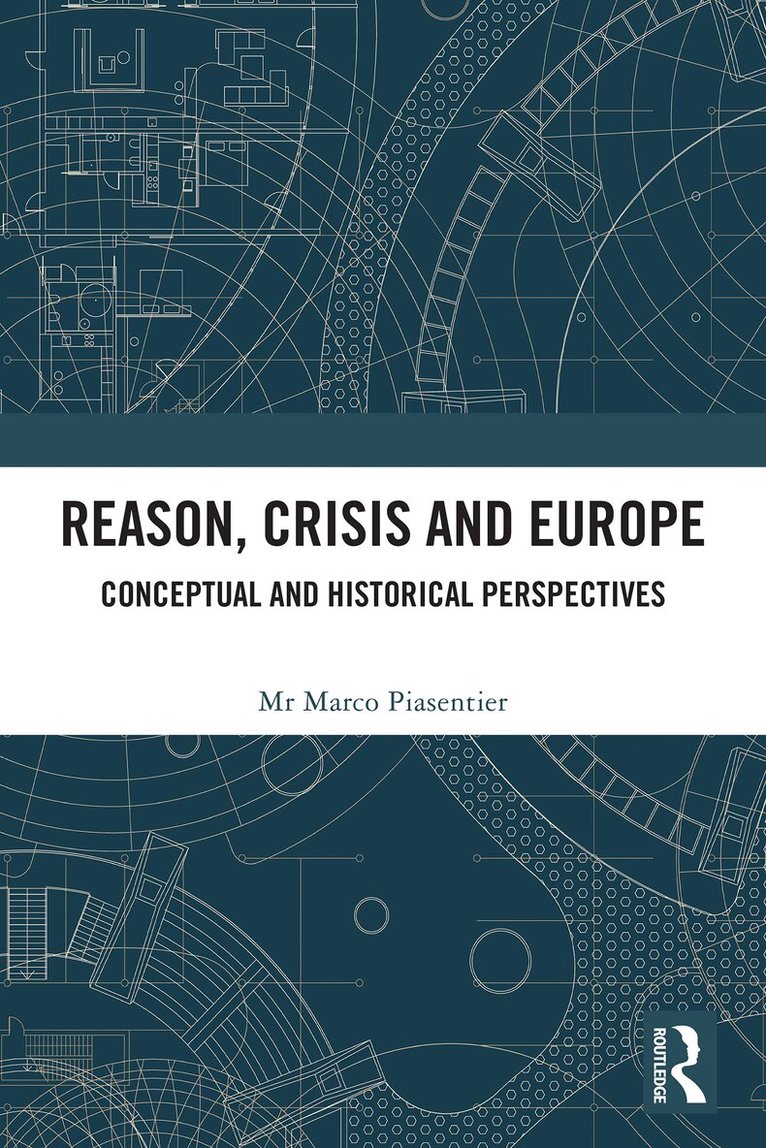
This volume examines the intertwined meanings of reason, crisis, and Europe against the backdrop of acute political, ethical, and geopolitical instability. Eschewing any singular diagnosis or overarching interpretive frame, it assembles a range of disciplinary, methodological, and normative approaches in productive tension. Through analyses of war and unrest, democratic backsliding, persistent colonial legacies, neoliberal forms of governance, and divergent philosophical lineages, the volume invites readers to reassess the foundations, limits, and possible futures of European thought and institutional life.Organized into four parts, the volume opens by tracing key moments in the philosophical history of reason and its recurrent crises within modern European intellectual traditions. Parts II and III extend this framing by introducing new theoretical perspectives and intellectual histories. Part II highlights the contradictions, contestations, and negotiations that have shaped the evolution of European philosophy. Part III offers a critical examination of political and legal discourses forged in response to the crises of the twentieth century, interrogating how these normative projects have influenced the trajectory of late‑modern Europe. Part IV concludes the volume with contemporary theoretical and political reflections on Europe’s present and its possible reconfigurations.Reason, Crisis, and Europe will appeal to scholars and advances students in European philosophy, European Studies, political theory, and the history of legal and political thought, as well as readers seeking a rigorous, interdisciplinary account of European modernity and its enduring crises.
1 249 kr
Skickas inom 3-6 vardagar
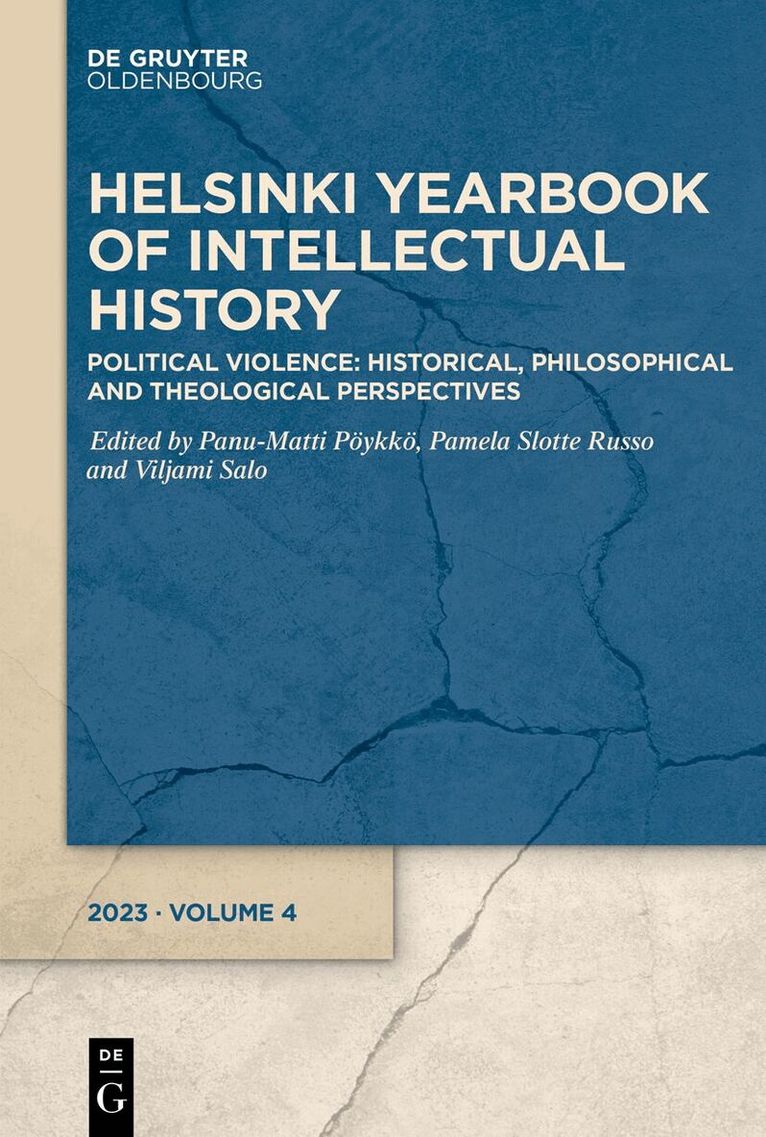
This volume brings together scholars from intellectual history, social sciences, philosophy and theology to evaluate central questions concerning political violence and aggression. This multidisciplinary collection of essays critically investigates forms and modes of justification of political violence from historical and contemporary perspectives, especially within the context of the development of the idea of Europe and modern European identity. What is meant by political violence and aggression? When and under which conditions is it justified? Who has the right to exercise it and against whom? Answers differ depending on various factors such as pre-established ends, available resources and possibilities of action, historical and socio-economic context, the ideological, political, and religious-theological background of the actors. The volume pays special attention to (a) how the above questions have been addressed and answered political, philosophical and theological thought, and (b) what kind of ideological currents and historical events lay at the background of such considerations.