Patricia M. Baranek – författare
Visar alla böcker från författaren Patricia M. Baranek. Handla med fri frakt och snabb leverans.
7 produkter
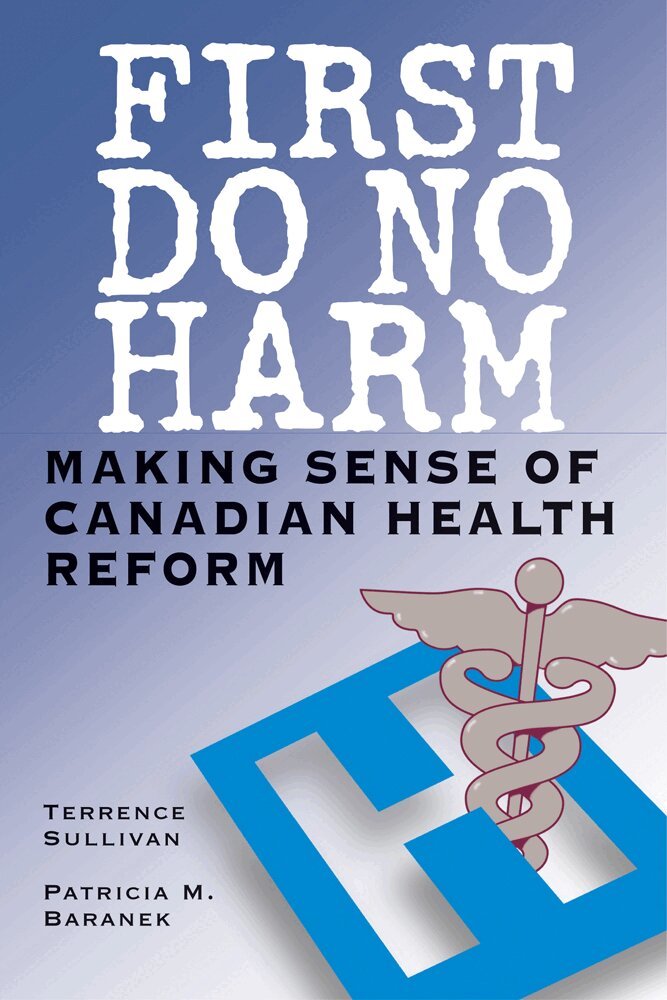
First Do No Harm
Making Sense of Canadian Health Reform
Av Terrence Sullivan, Patricia M. Baranek
Häftad, 2002
267 kr
Lägg i varukorg
Is there a crisis in Canadian health care? While the establishment of the Canadian health care system is widely considered a triumph of citizenship, after four decades the national program is in a fragile state marked by declining public confidence. In First Do No Harm, Sullivan and Baranek provide …
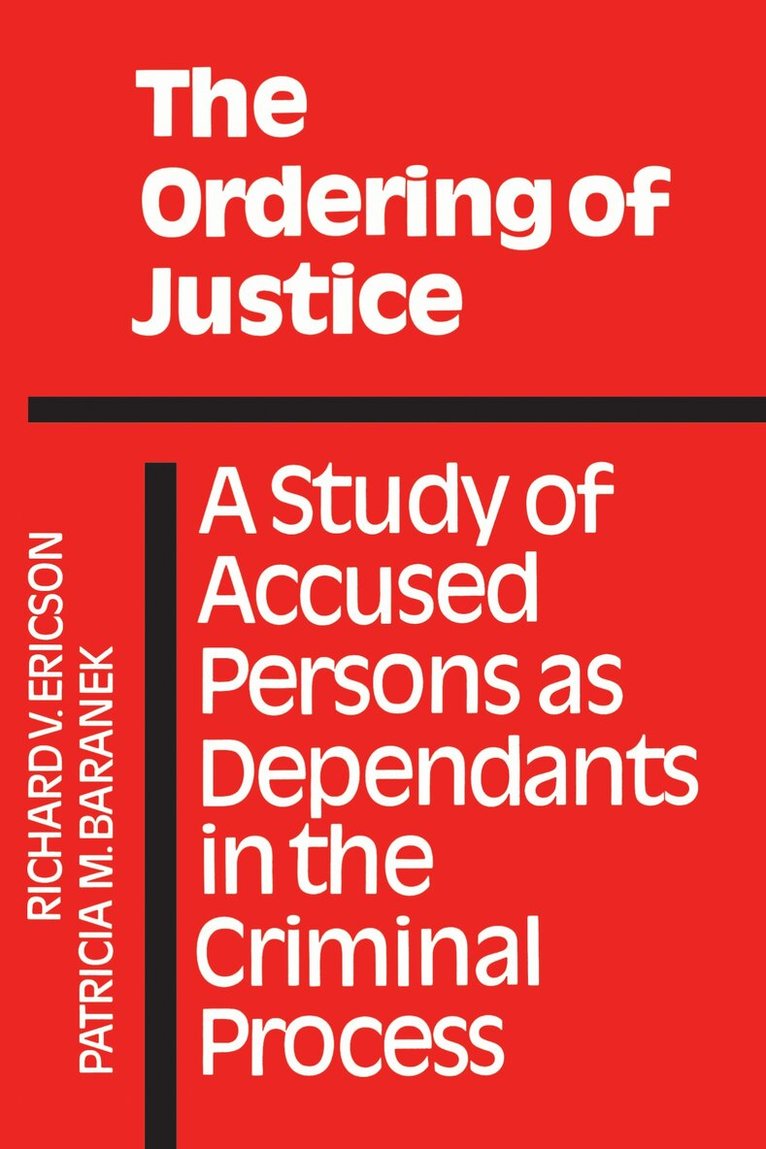
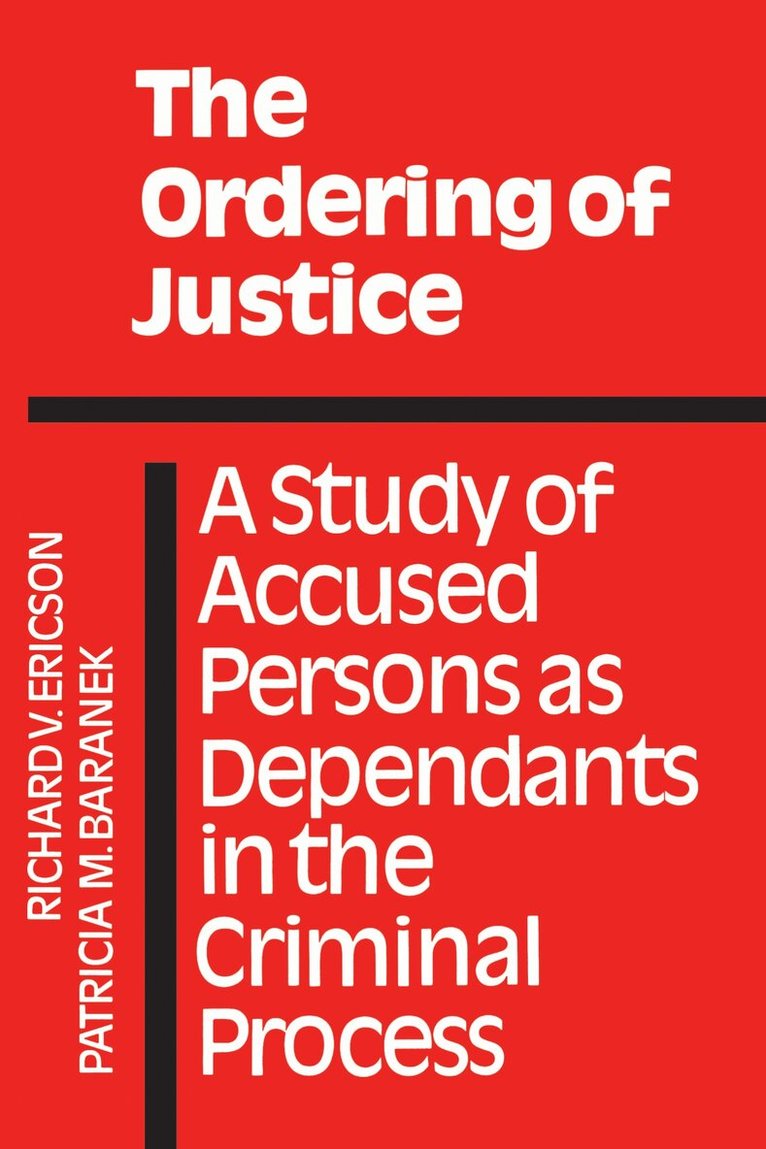
Ordering of Justice
A Study of Accused Persons As Dependants in the Criminal Process
Av Patricia M. Baranek, Richard V. Ericson
Häftad, 1982
381 kr
Lägg i varukorg
From the point of his arrest through to the final disposition of his case, the authors follow the accused as he proceeds through the criminal control system. They draw a picture of one who is dependent upon the orders and decisions of the police, crown attorney, defence lawyer, and judge and not a …
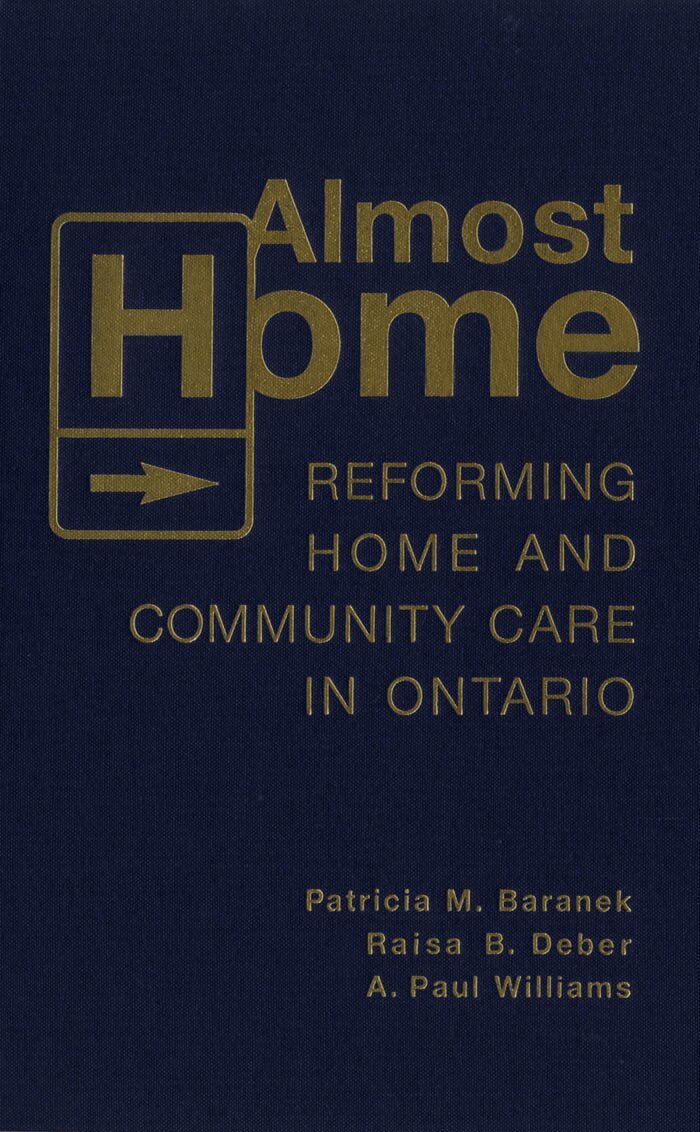
Almost Home
Reforming Home and Community Care in Ontario
Av Patricia M. Baranek, Raisa Deber m. fl.
Inbunden, 2004
932 kr
Lägg i varukorg
Almost Home is a rich and comprehensive study of the policy questions underlying the shift in medical care from hospitals to homes and communities, a change that is reshaping Canadian health care policy and politics. Using document analysis, and interviews with government officials and other key …
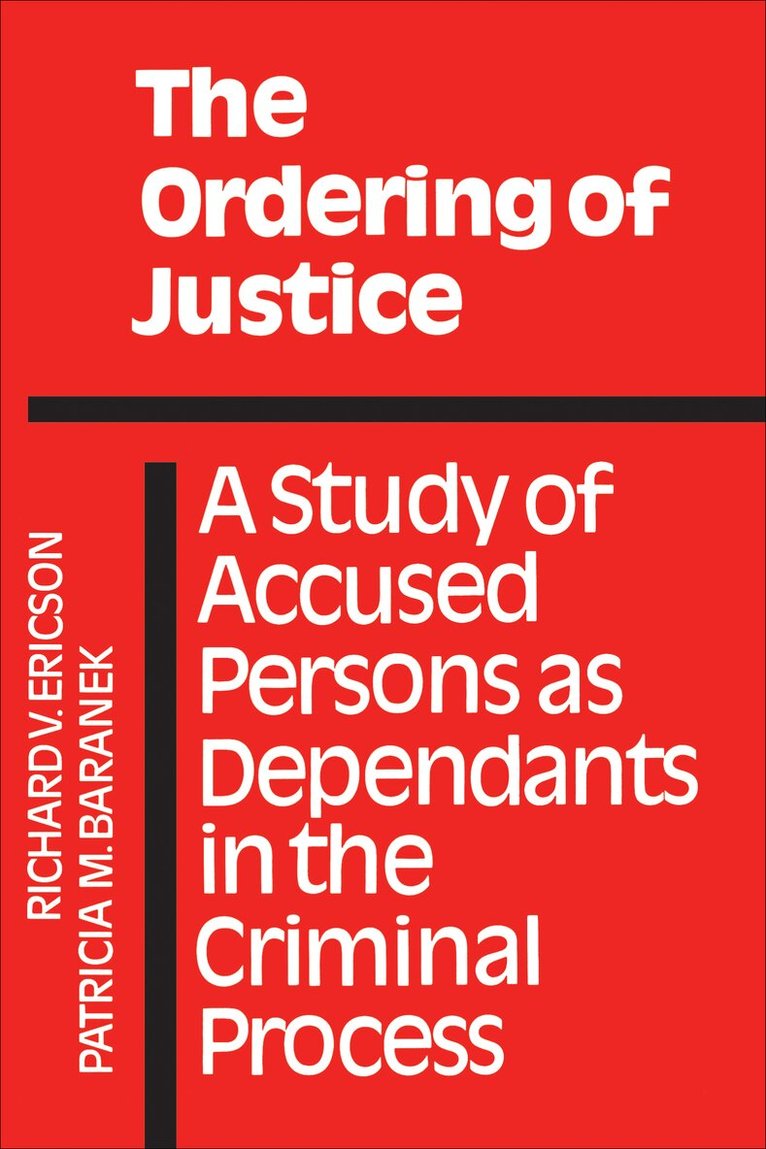
Ordering of Justice
A Study of Accused Persons As Dependants in the Criminal Process
Av Patricia M. Baranek, Richard V. Ericson
E-bok, 1982
465 kr
Lägg i varukorg
From the point of his arrest through to the final disposition of his case, the authors follow the accused as he proceeds through the criminal control system. They draw a picture of one who is dependent upon the orders and decisions of the police, crown attorney, defence lawyer, and judge and not a …
Almost Home
Reforming Home and Community Care in Ontario
Av Patricia M. Baranek, Raisa Deber m. fl.
E-bok, 2004
1209 kr
Lägg i varukorg
Almost Home is a rich and comprehensive study of the policy questions underlying the shift in medical care from hospitals to homes and communities, a change that is reshaping Canadian health care policy and politics. Using document analysis, and interviews with government officials and other key …
Ordering of Justice
A Study of Accused Persons As Dependants in the Criminal Process
Av Patricia M. Baranek, Richard V. Ericson
E-bok, 1989
426 kr
Lägg i varukorg
From the point of his arrest through to the final disposition of his case, the authors follow the accused as he proceeds through the criminal control system. They draw a picture of one who is dependent upon the orders and decisions of the police, crown attorney, defence lawyer, and judge and not a …
Almost Home
Reforming Home and Community Care in Ontario
Av Patricia M. Baranek, Raisa Deber m. fl.
Häftad, 2004
484 kr
Tillfälligt slut
Almost Home is a rich and comprehensive study of the policy questions underlying the shift in medical care from hospitals to homes and communities, a change that is reshaping Canadian health care policy and politics. Using document analysis, and interviews with government officials and other key …