Patrick Degryse – författare
Visar alla böcker från författaren Patrick Degryse. Handla med fri frakt och snabb leverans.
8 produkter
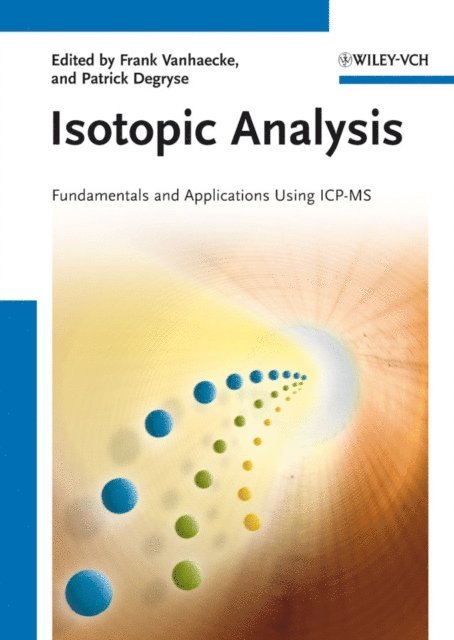
Isotopic Analysis
Fundamentals and Applications Using ICP-MS
Av Patrick Degryse, Frank Vanhaecke
E-bok, 2012
1711 kr
Lägg i varukorg
Edited by two very well-known and respected scientists in the field, this excellent practical guide is the first to cover the fundamentals and a wide range of applications, as well as showing readers how to efficiently use this increasingly important technique. From the contents: * The Isotopic …
Isotopic Analysis
Fundamentals and Applications Using ICP-MS
Av Patrick Degryse, Frank Vanhaecke
E-bok, 2012
1711 kr
Lägg i varukorg
Edited by two very well-known and respected scientists in the field, this excellent practical guide is the first to cover the fundamentals and a wide range of applications, as well as showing readers how to efficiently use this increasingly important technique. From the contents: * The Isotopic …
Glass Making in the Greco-Roman World
Results of the ARCHGLASS project
Inbunden, 2015
338 kr
Lägg i varukorg
New insights into the trade and processing of mineral raw materials for glass making This book presents a reconstruction of the Hellenistic-Roman glass industry from the point of view of raw material procurement. Within the ERC funded ARCHGLASS project, the authors of this work developed new …
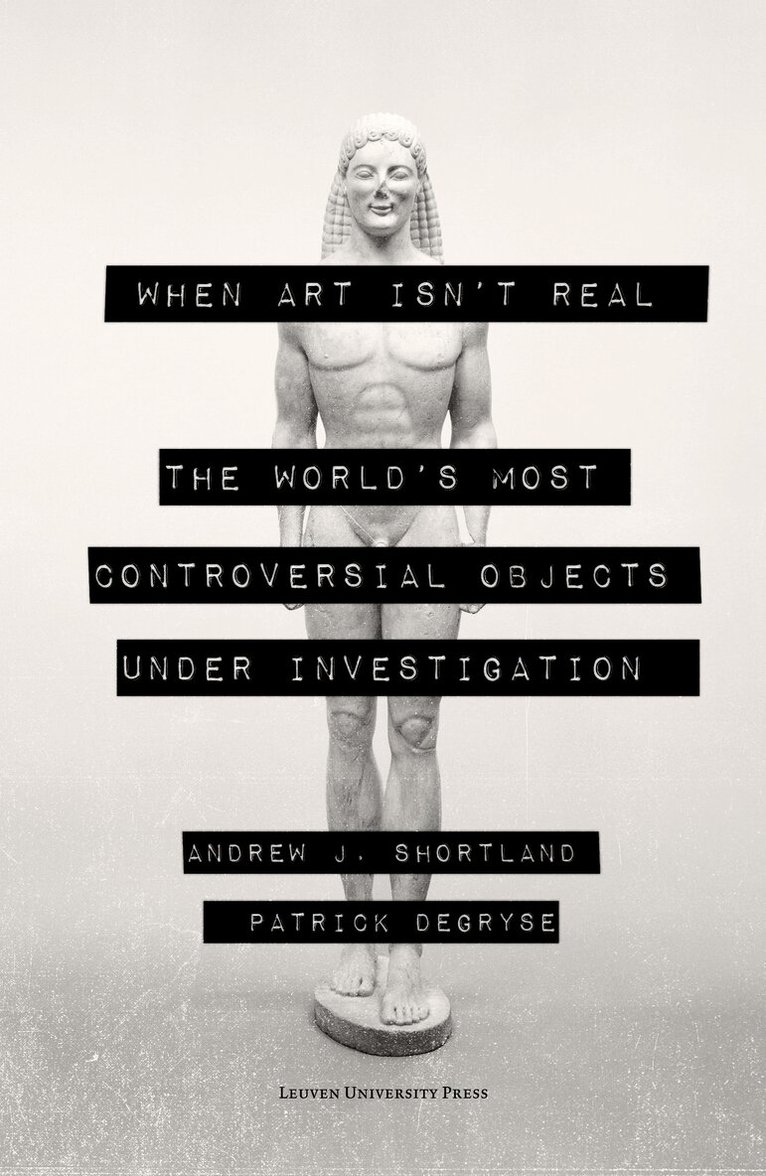
When Art Isn't Real
The World's Most Controversial Objects under Investigation
Av Andrew Shortland, Patrick Degryse
Häftad, 2022
301 kr
Lägg i varukorg
How an initially valueless object becomes worth hundreds of millions. And vice versa.The art world is a multi-billion-dollar industry which captures world headlines on a regular basis, for both good and bad reasons. This book deals with one of the most-discussed areas of controversy: high-profile …
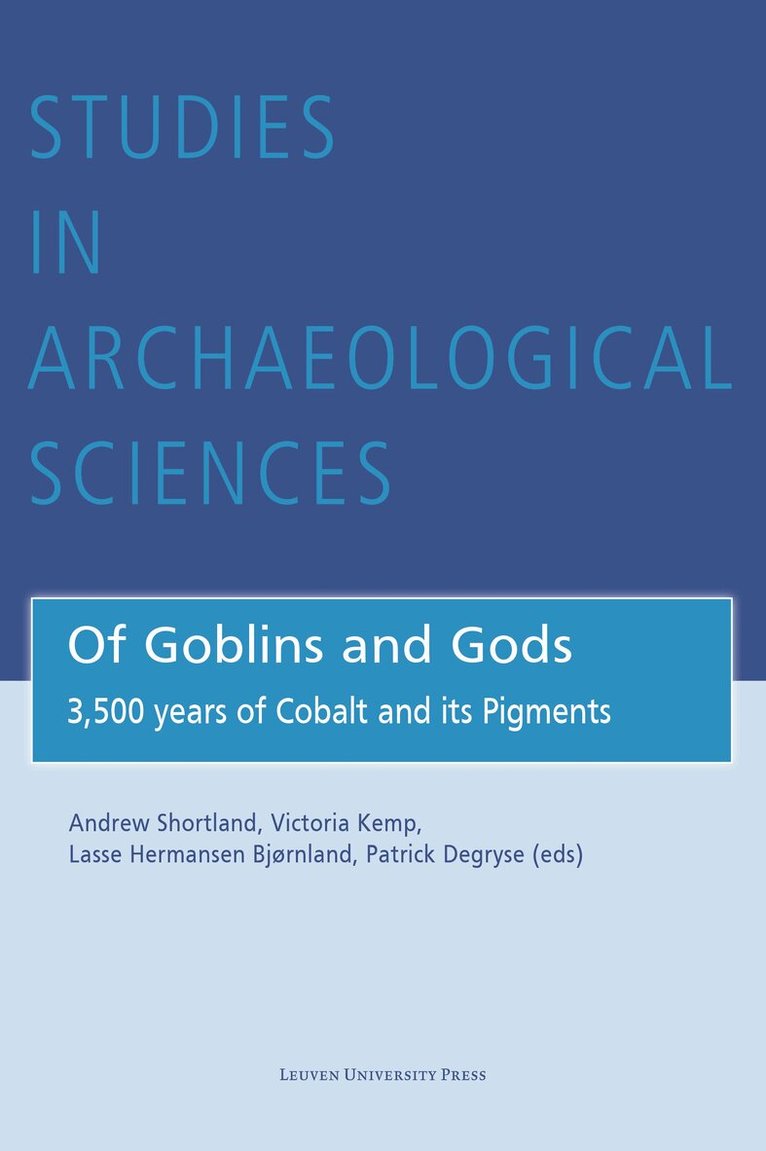
Of Goblins and Gods
3,500 Years of Cobalt and Its Pigments
Av Andrew Shortland, Victoria Kemp m. fl.
Inbunden, 2026
1173 kr
Lägg i varukorg
The historical and technological significance of cobalt and its compoundsCobalt: named after goblins, allotted to gods.Cobalt and its compounds have had a long and important part to play in history. Metallic cobalt is a modern innovation, vital in the green energy transition. However, cobalt …
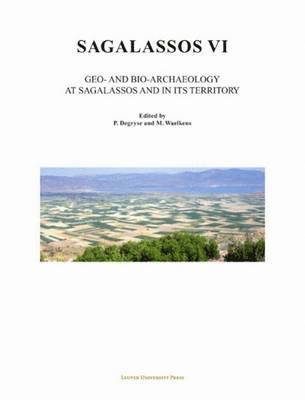
Sagalassos VI
Geo- and Bio-Archaeology in the Territory of Sagalassos
Av Patrick Degryse, Marc Waelkens
Häftad, 2008
313 kr
Tillfälligt slut
Since 1990, the ancient city of Sagalassos in southwestern Turkey has been the focus of an interdisciplinary archaeological research project coordinated by the Katholieke Universiteit Leuven. The papers collected in this volume reveal how the meticulous systematic and interdisciplinary …
Isotopes in Vitreous Materials
Av Patrick Degryse, Julian Henderson m. fl.
Inbunden, 2009
872 kr
Tillfälligt slut
For all archaeological artefactual evidence, the study of the provenance, production technology and trade of raw materials must be based on archaeometry. Whereas the study of the provenance and trade of stone and ceramics is already well advanced, this is not necessarily the case for ancient glass. …