Patrik Winton - Böcker
Visar alla böcker från författaren Patrik Winton. Handla med fri frakt och snabb leverans.
3 produkter
3 produkter
535 kr
Skickas inom 10-15 vardagar
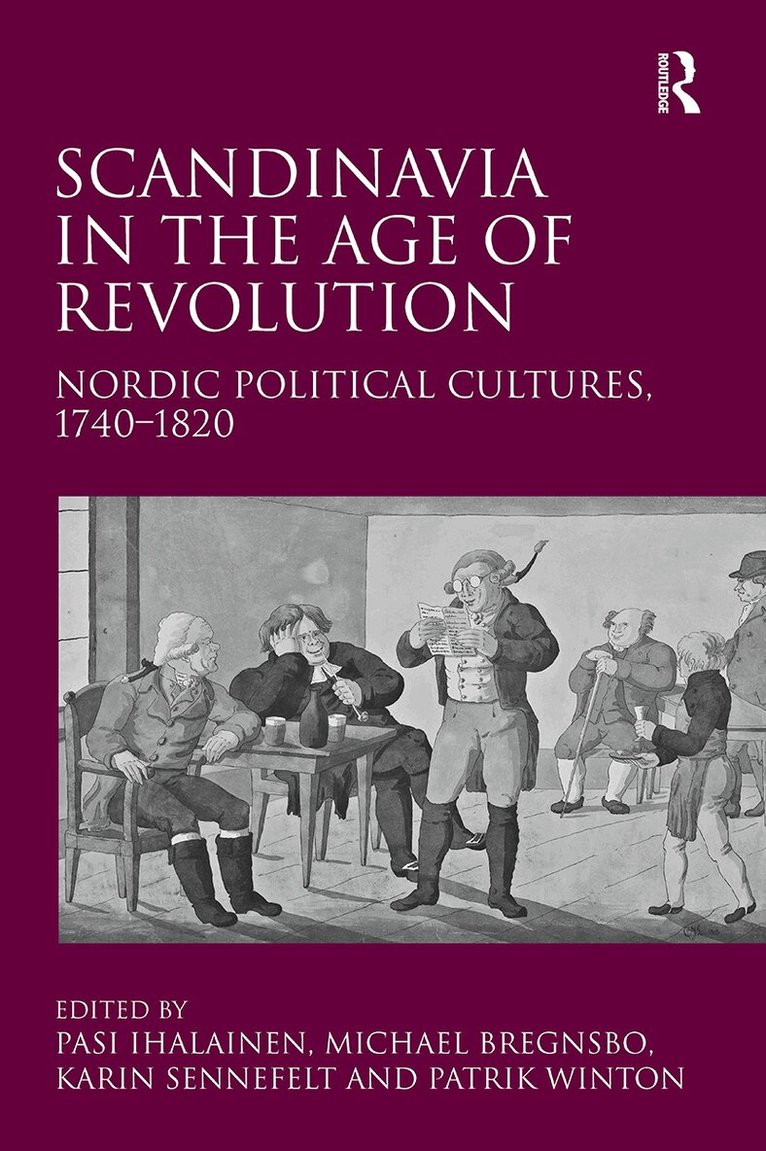
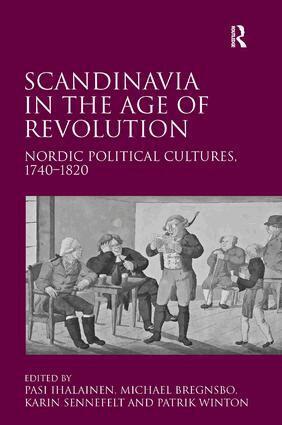
The 'Age of Revolution' is a term seldom used in Scandinavian historiography, despite the fact that Scandinavia was far from untouched by the late eighteenth-century revolutions in Europe and America. Scandinavia did experience its outbursts of radical thought, its assassinations and radical reforms, but these occurred within reasonably stable political structures, practices and ways of thinking. As recent research on the political cultures of the Nordic countries clearly demonstrates, the Danish, Finnish, Icelandic, Norwegian and Swedish experiences of the late-eighteenth and early-nineteenth centuries offer a more differentiated look at what constitutes 'revolutionary' change in this period compared with other regions in Europe. They provide an alternative story of an incipient transition towards modernity, a 'Nordic model' in which radical change takes place within an apparent continuity of the established order. The long-term products of the processes of change that began in the Age of Revolution were some of the most progressive and stable political systems in the modern world. At the same time, the Scandinavian countries provide a number of instances which are directly relevant to comparisons particularly within the northwest European cultural area. Presenting the latest research on political culture in Scandinavia, this volume with twenty-seven contributions focuses on four key aspects: the crisis of monarchy; the transformation in political debate; the emerging influence of commercial interest in politics; and the shifting boundaries of political participation. Each section is preceded by an introduction that draws out the main themes of the chapters and how they contribute to the broader themes of the volume and to overall European history. Generously illustrated throughout, this book will introduce non-Scandinavian readers to developments in the Nordic countries during the late-eighteenth and early-nineteenth centuries and both complement and challenge research into the political cultures of Europe and America.
2 288 kr
Skickas inom 10-15 vardagar
The 'Age of Revolution' is a term seldom used in Scandinavian historiography, despite the fact that Scandinavia was far from untouched by the late eighteenth-century revolutions in Europe and America. Scandinavia did experience its outbursts of radical thought, its assassinations and radical reforms, but these occurred within reasonably stable political structures, practices and ways of thinking. As recent research on the political cultures of the Nordic countries clearly demonstrates, the Danish, Finnish, Icelandic, Norwegian and Swedish experiences of the late-eighteenth and early-nineteenth centuries offer a more differentiated look at what constitutes 'revolutionary' change in this period compared with other regions in Europe. They provide an alternative story of an incipient transition towards modernity, a 'Nordic model' in which radical change takes place within an apparent continuity of the established order. The long-term products of the processes of change that began in the Age of Revolution were some of the most progressive and stable political systems in the modern world. At the same time, the Scandinavian countries provide a number of instances which are directly relevant to comparisons particularly within the northwest European cultural area. Presenting the latest research on political culture in Scandinavia, this volume with twenty-seven contributions focuses on four key aspects: the crisis of monarchy; the transformation in political debate; the emerging influence of commercial interest in politics; and the shifting boundaries of political participation. Each section is preceded by an introduction that draws out the main themes of the chapters and how they contribute to the broader themes of the volume and to overall European history. Generously illustrated throughout, this book will introduce non-Scandinavian readers to developments in the Nordic countries during the late-eighteenth and early-nineteenth centuries and both complement and challenge research into the political cultures of Europe and America.
79 kr
Skickas
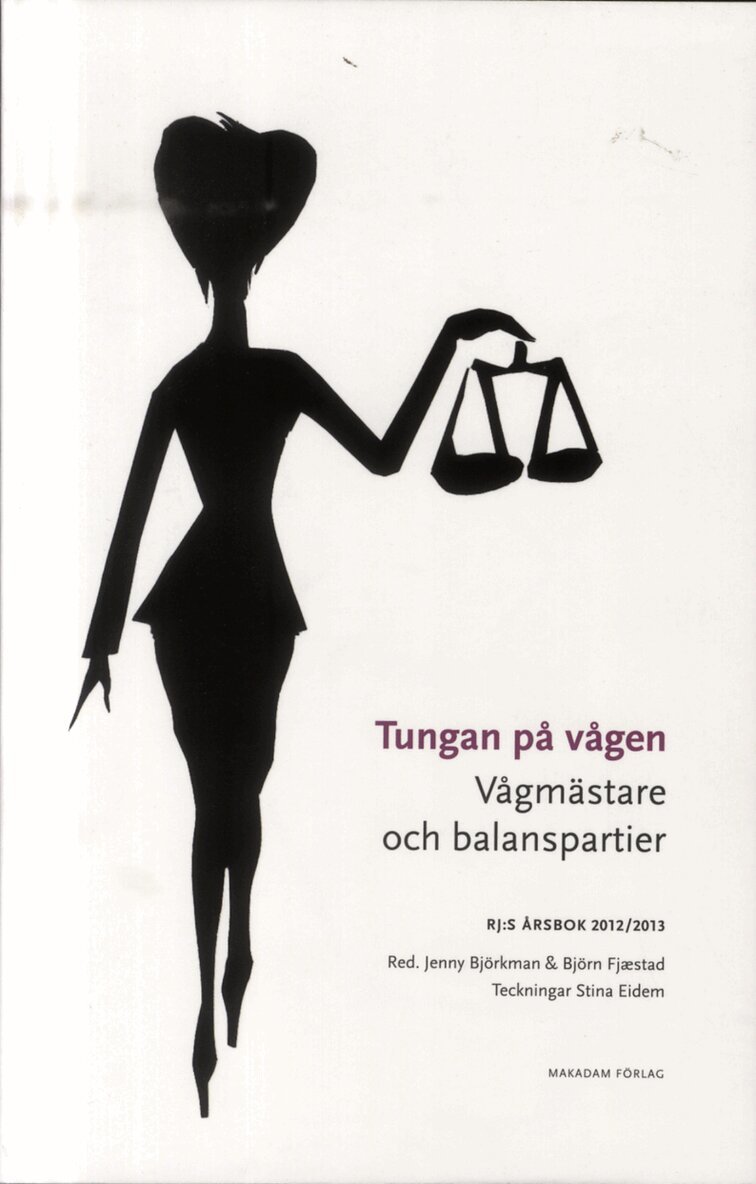
Efter valet 2010 har vågmästarpolitik och tungan på vågen åter blivit heta begrepp i svensk politik. I Riksbankens Jubileumsfonds nya årsbok diskuterar statsvetare, historiker, idéhistoriker, medieforskare och politiska journalister politisk praktik på både kommunal och nationell nivå. Sverigedemokraterna och Miljöpartiet lyfts fram som aktuella exempel på olika sätt att bedriva vågmästarpolitik. Vågmästeriets historiska rötter presenteras, från den trolöse 1700-talspolitikern Pechlin via den frisinnade statsministern C.G. Ekman på 1920-talet. Utblickar görs mot vågmästarsituationer med mer eller mindre populistiska partier i andra länder. Slutligen presenteras en färsk opinionsundersökning om vågmästeri och maktfördelning. Innehåll: Björn Fjæstad & Jenny Björkman: Den omtvistade tungan Ulla Ekström von Essen: Ett dubbelt demokratiskt dilemma Tommy Möller: Vågmästare eller tungan på vågen? Lars Nord: Kungamakare eller bråkmakare? Barbro Hedvall: Vågmästeri, halvkoalitioner och blockpolitik Lena Wängnerud: Viner partipiskan hårdare i partier med vågmästarroll? Mikael Gilljam & David Karlsson: Tungan på vågen-partier i Sveriges kommuner Hanna Bäck & Henry Bäck: Balanspartier i regeringsbildningar Lisa Bjurwald: Vågmästarna och ansvaret Ann-Cathrine Jungar: Populister i närheten av regeringen Mai-Brith Schartau: Ett land utan klassiska vågmästare Magnus Linton: Fascister på ministerposter eller fascister på vågen Sten Widmalm: Med kärnvapen som insats Patrik Winton: Sveriges första vågmästare Opinionsundersökning med kommentar