Michael Bregnsbo – författare
Visar alla böcker från författaren Michael Bregnsbo. Handla med fri frakt och snabb leverans.
8 produkter
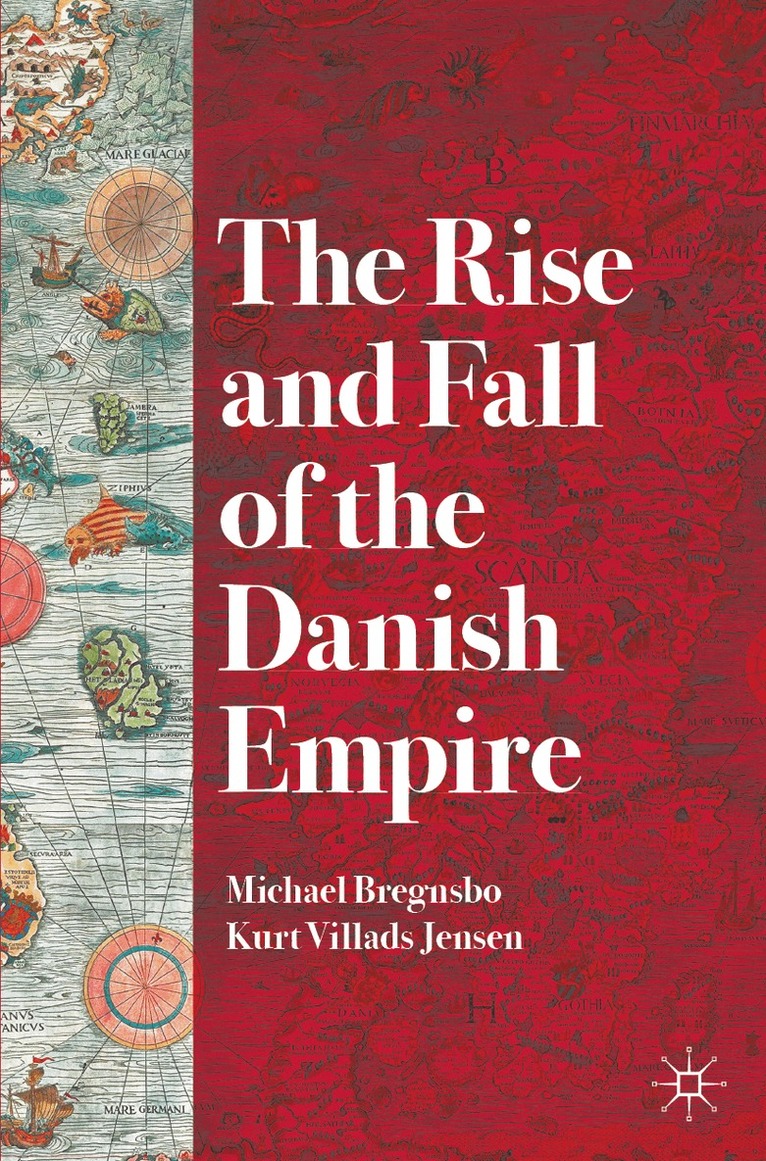
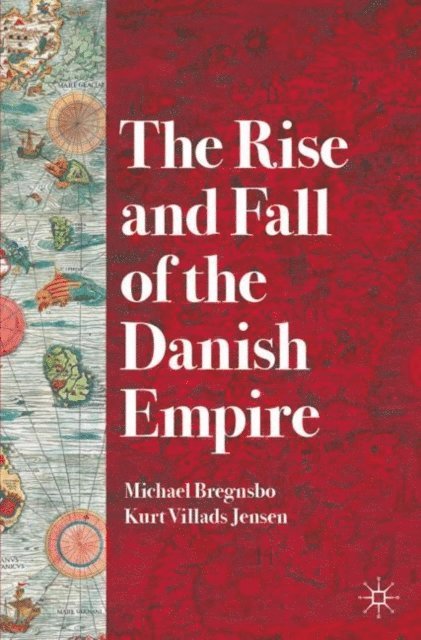
Rise and Fall of the Danish Empire
Av Michael Bregnsbo, Kurt Villads Jensen
Häftad, 2022
377 kr
Lägg i varukorg
This book examines the Danish Empire, which for over four hundred years stretched from Northern Norway to Hamburg and was feared by small German principalities to the South. Evolving over time, it has included most of Scandinavia and the North Atlantic, has shifted from a Western orientation under …
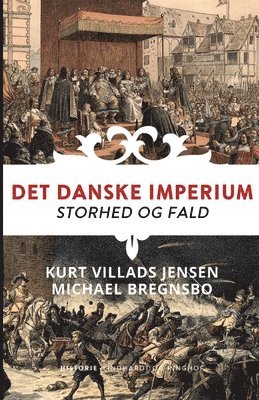
Det danske imperium. Storhed og fald
Av Michael Bregnsbo, Kurt Villads Jensen
Häftad, 2025
546 kr
Lägg i varukorg
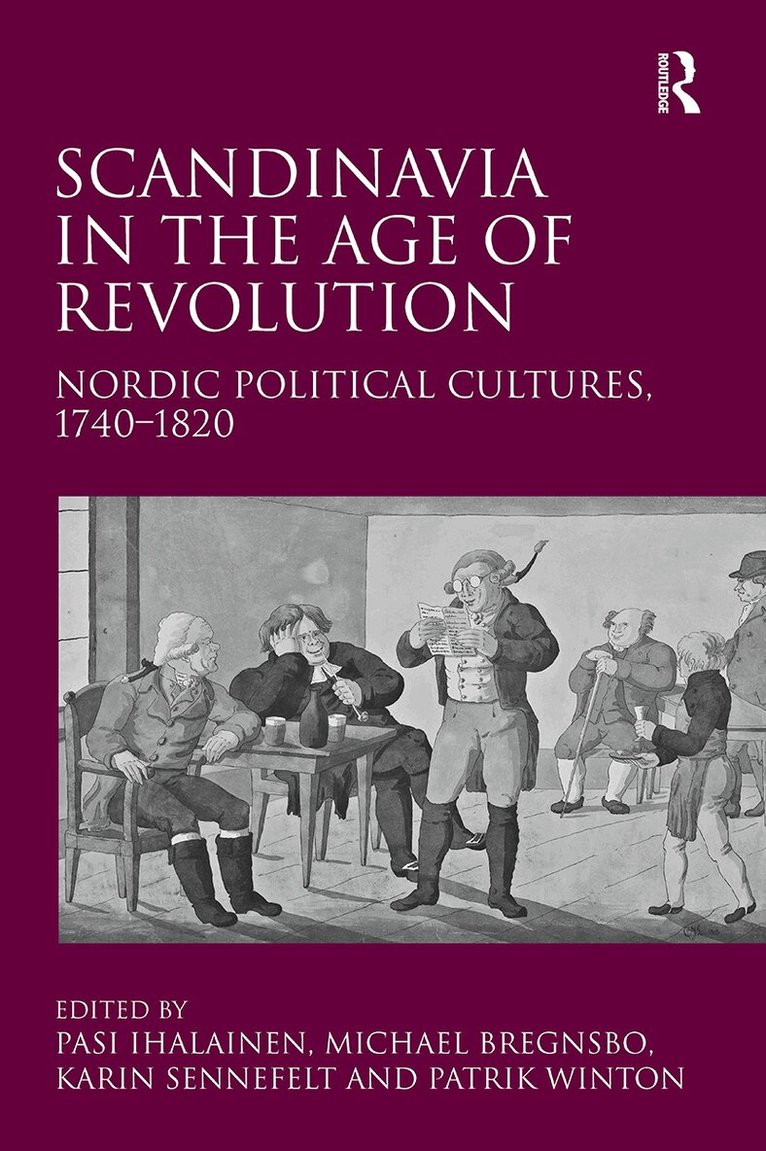
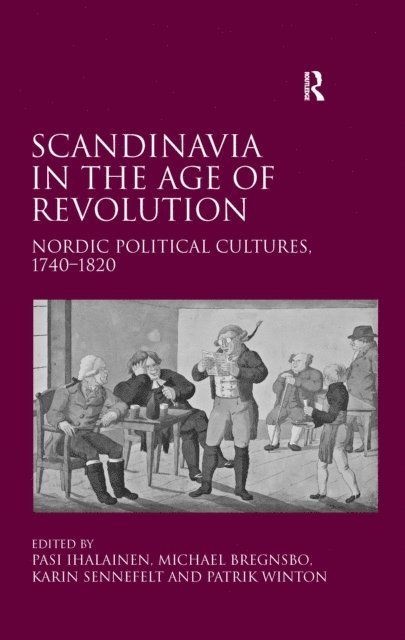
Scandinavia in the Age of Revolution
Nordic Political Cultures, 1740�1820
Av Michael Bregnsbo, Patrik Winton m. fl.
Häftad, 2024
602 kr
Lägg i varukorg
The 'Age of Revolution' is a term seldom used in Scandinavian historiography, despite the fact that Scandinavia was far from untouched by the late eighteenth-century revolutions in Europe and America. Scandinavia did experience its outbursts of radical thought, its assassinations and radical …
Scandinavia in the Age of Revolution
Nordic Political Cultures, 1740–1820
Av Patrik Winton, Michael Bregnsbo m. fl.
E-bok, 2016
731 kr
Lägg i varukorg
The ''Age of Revolution'' is a term seldom used in Scandinavian historiography, despite the fact that Scandinavia was far from untouched by the late eighteenth-century revolutions in Europe and America. Scandinavia did experience its outbursts of radical thought, its assassinations and radical …
Scandinavia in the Age of Revolution
Nordic Political Cultures, 1740–1820
Av Patrik Winton, Michael Bregnsbo m. fl.
E-bok, 2016
731 kr
Lägg i varukorg
The ''Age of Revolution'' is a term seldom used in Scandinavian historiography, despite the fact that Scandinavia was far from untouched by the late eighteenth-century revolutions in Europe and America. Scandinavia did experience its outbursts of radical thought, its assassinations and radical …
Scandinavia in the Age of Revolution
Nordic Political Cultures, 1740�1820
Av Michael Bregnsbo, Patrik Winton m. fl.
Inbunden, 2011
3192 kr
Lägg i varukorg
The 'Age of Revolution' is a term seldom used in Scandinavian historiography, despite the fact that Scandinavia was far from untouched by the late eighteenth-century revolutions in Europe and America. Scandinavia did experience its outbursts of radical thought, its assassinations and radical …
Rise and Fall of the Danish Empire
Av Kurt Villads Jensen, Michael Bregnsbo
E-bok, 2022
460 kr
Lägg i varukorg
This book examines the Danish Empire, which for over four hundred years stretched from Northern Norway to Hamburg and was feared by small German principalities to the South. Evolving over time, it has included most of Scandinavia and the North Atlantic, has shifted from a Western orientation under …
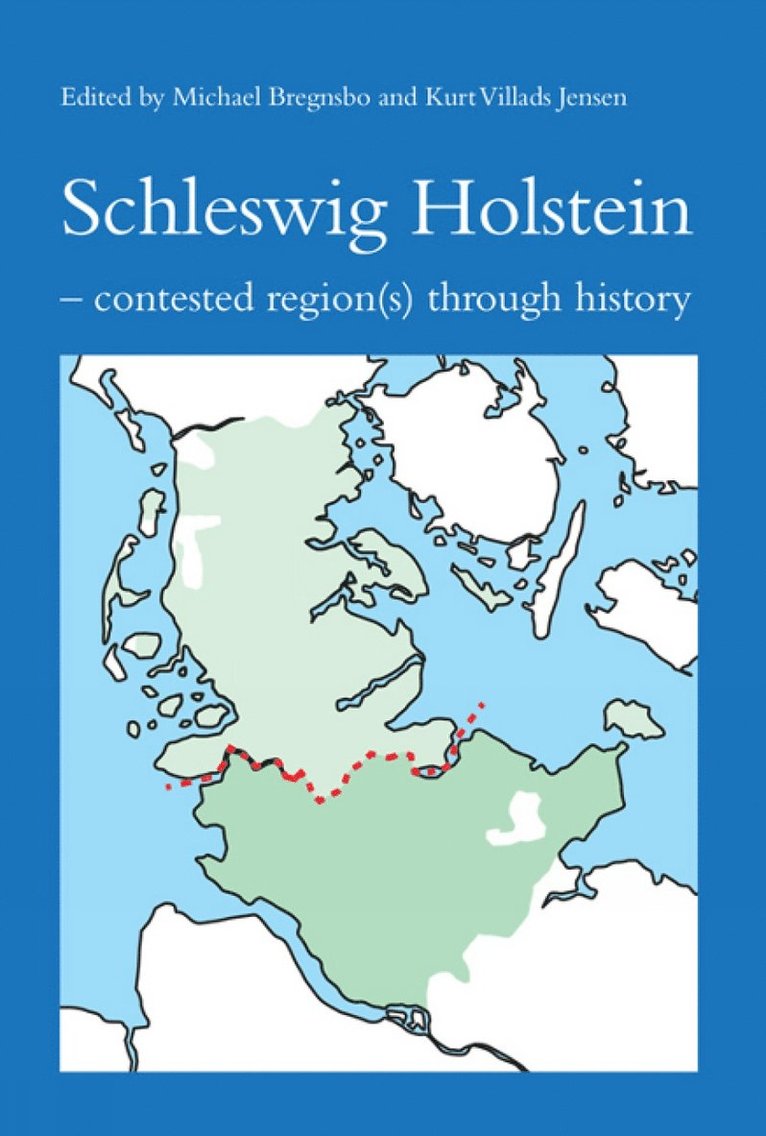
Schleswig Holstein
Contested Region(s) Through History
Av Michael Bregnsbo, Kurt Villads Jensen
Häftad, 2024
376 kr
Lägg i varukorg
Schleswig and Holstein have been contested regions for over a thousand years, but contested between different peoples and groups, and for very different reasons. In modern times, they have been closely connected to the building up of national identity and the formation of the modern nation state. …