Paul A. Yule – Författare
Visar alla böcker från författaren Paul A. Yule. Handla med fri frakt och snabb leverans.
3 produkter
3 produkter
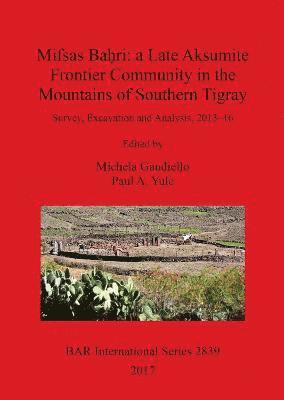
Mifsas Ba?ri: a Late Aksumite Frontier Community in the Mountains of Southern Tigray
Survey, Excavation and Analysis, 2013-16
Häftad, Engelska, 2017
1 228 kr
Skickas inom 5-8 vardagar
Del 7 - The Archaeological Heritage of Oman
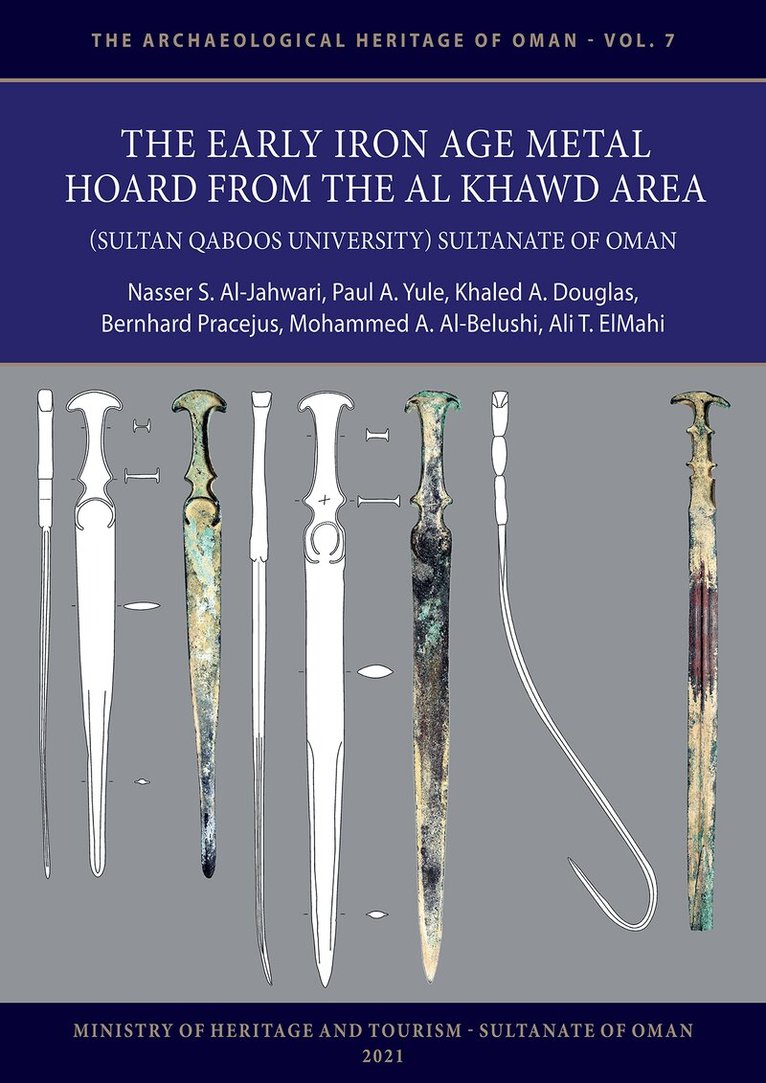
Early Iron Age Metal Hoard from the Al Khawd Area (Sultan Qaboos University), Sultanate of Oman
Häftad, Engelska, 2021
875 kr
Skickas
Numerous metallic artefacts, which anciently were deposited in a hoard, came to light per chance on the campus of the Sultan Qaboos University in Al Khawd, Sultanate of Oman. Mostly fashioned from copper, these arrowheads, axes/adzes, bangles, daggers, knives, socketed lance/ spearheads, metal vessels, razors, rings, swords, and tweezers compare well with numerous documented artefact classes from south-eastern Arabia assigned to the Early Iron Age (1200–300 BCE). Discussion of the international trade between ancient Makan, Dilmun, and Mesopotamia during the 3rd millennium BCE dominates the archaeological literature about Arabia archaeology. The Al Khawd hoard and its contemporaries lend weight to the suggestion that 1st millennium BCE Qadē (the name of south-eastern Arabia at that time) was even more important than Bronze Age Makan in terms of the copper trade volume. A reassessment shows the Early Iron Age by no means to be a dark age, but rather an innovative, successful adaptive period characterised by evident population growth.
Del 14 - The Archaeological Heritage of Oman
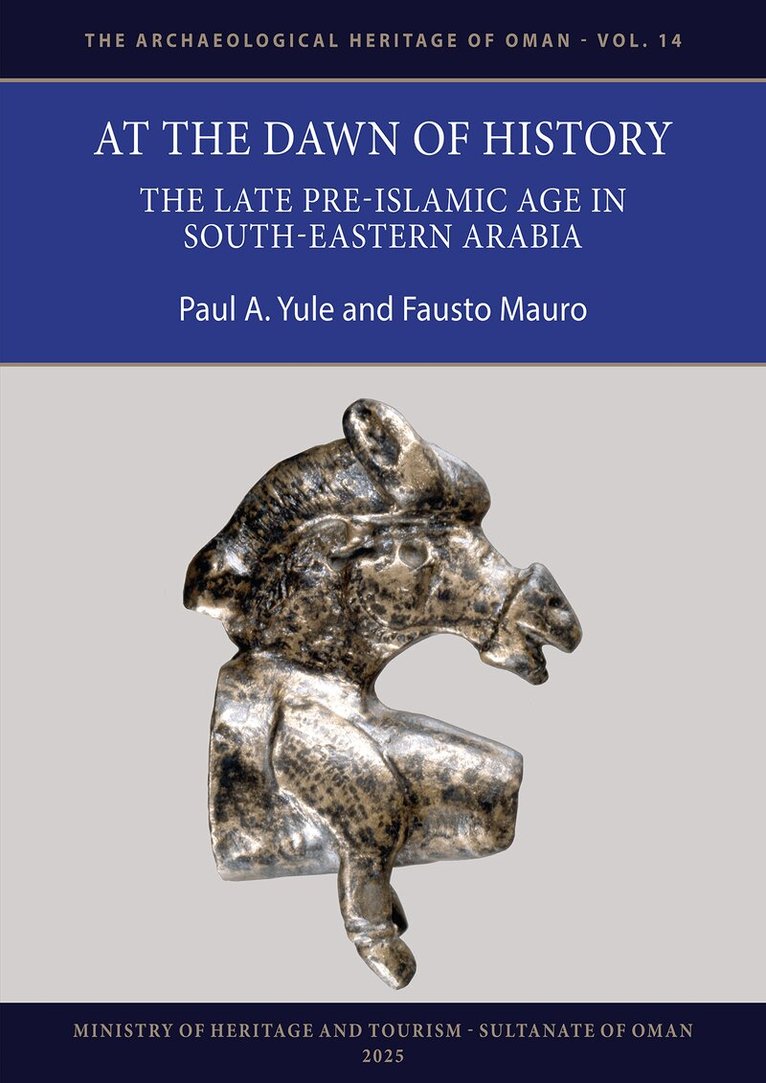
At the Dawn of History: The Late Pre-Islamic Age in South-Eastern Arabia
The Late Pre-Islamic Age in South-Eastern Arabia
Häftad, Engelska, 2025
979 kr
Skickas
This fresh study thoroughly re-casts the unrecognised Samad Late Iron Age (SLIA) and its archaeological context in the 600 years which flank the year 0 CE, providing valuable insights into the significance and complexities of this enigmatic era. Through meticulous research of archaeological sites and recent discoveries, the authors present an in-depth understanding of the SLIA. A particular focus is given to examining the relationship between the SLIA assemblage and that of the Mleiha/PIR, parsing the cultural connections between these separate yet intertwined archaeological phenomena. By investigating diverse topics such as burial practices, pottery, small finds, trade networks and architecture, this work aims to offer a comprehensive grasp of the material culture and historical scene of the centuries preceding the rise of Islam. With its contribution to the ongoing academic discourse on the archaeology of south-eastern Arabia, this book fills a niche for scholars and enthusiasts seeking archaeological knowledge about this fascinating Arabian period.