Paul Arblaster – författare
Visar alla böcker från författaren Paul Arblaster. Handla med fri frakt och snabb leverans.
6 produkter
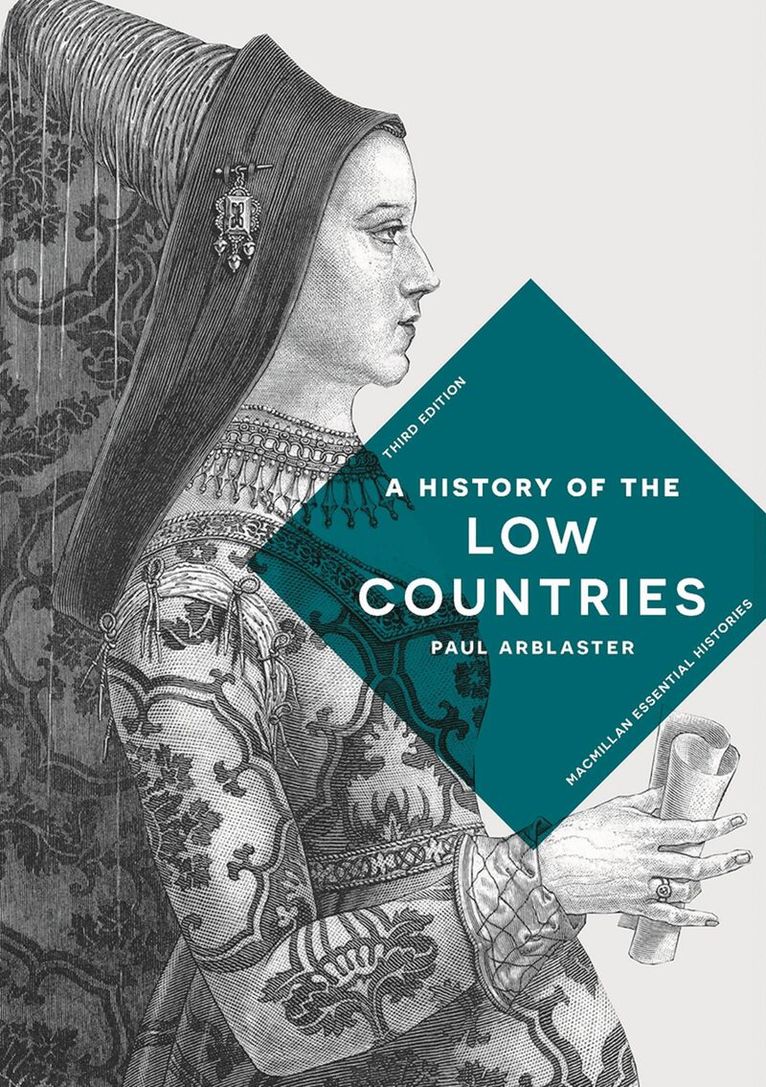
History of the Low Countries
Häftad, 2018
399 kr
Lägg i varukorg
This introductory overview of the Low Countries’ history traces their development since Roman times, providing equal weighting to the Netherlands, Belgium and Luxembourg. Paul Arblaster looks at political, cultural and social history, including the rise of the merchant classes, the Renaissance and …
History of the Low Countries
E-bok, 2018
434 kr
Lägg i varukorg
This introductory overview of the Low Countries'' history traces their development since Roman times, providing equal weighting to the Netherlands, Belgium and Luxembourg. Paul Arblaster looks at political, cultural and social history, including the rise of the merchant classes, the Renaissance and …
History of the Low Countries
E-bok, 2018
434 kr
Lägg i varukorg
This introductory overview of the Low Countries'' history traces their development since Roman times, providing equal weighting to the Netherlands, Belgium and Luxembourg. Paul Arblaster looks at political, cultural and social history, including the rise of the merchant classes, the Renaissance and …
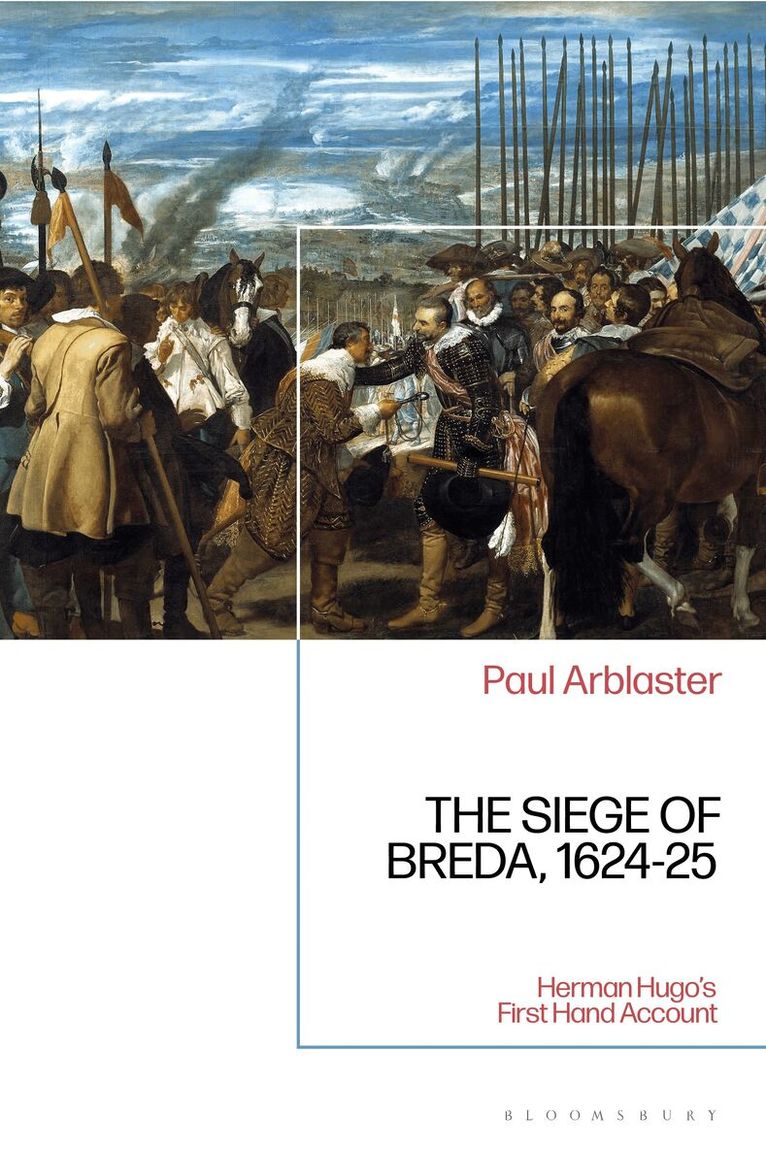
Siege of Breda, 1624-25
Herman Hugo’s First-Hand Account
Inbunden, 2026
1240 kr
Lägg i varukorg
This book presents Herman Hugo’s The Siege of Breda (1626) in a modern-spelling edition of Henry Gage’s 1627 English translation, introduced and contextualised by Paul Arblaster. Hugo’s text is a classic of Latin Baroque historical writing that comprehensively recounts a nine-month military …
Siege of Breda, 1624-25
Herman Hugo’s First-Hand Account
E-bok, 2026
1364 kr
Lägg i varukorg
This book presents Herman Hugo's The Siege of Breda (1626) in a modern-spelling edition of Henry Gage's 1627 English translation, introduced and contextualised by Paul Arblaster. Hugo's text is a classic of Latin Baroque historical writing that comprehensively recounts a nine-month military …
Siege of Breda, 1624-25
Herman Hugo’s First-Hand Account
E-bok, 2026
1335 kr
Lägg i varukorg
This book presents Herman Hugo's The Siege of Breda (1626) in a modern-spelling edition of Henry Gage's 1627 English translation, introduced and contextualised by Paul Arblaster. Hugo's text is a classic of Latin Baroque historical writing that comprehensively recounts a nine-month military …