Paul B. Armstrong – författare
Visar alla böcker från författaren Paul B. Armstrong. Handla med fri frakt och snabb leverans.
14 produkter
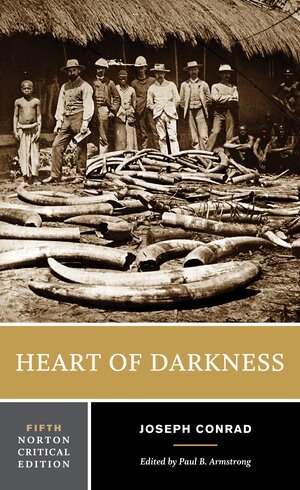
Heart of Darkness
A Norton Critical Edition
Av Joseph Conrad, Paul B. Armstrong
Häftad, 2016
5,0 utav 5 stjärnor. Totalt antal röster: (1)
249 kr
Lägg i varukorg
This edition includes a newly edited text based on the 1902 edition. Textual History and Editing Principles provides an overview of the controversies and ambiguities surrounding Heart of Darkness. Included are background and source materials, and contemporary responses to the novella along with …
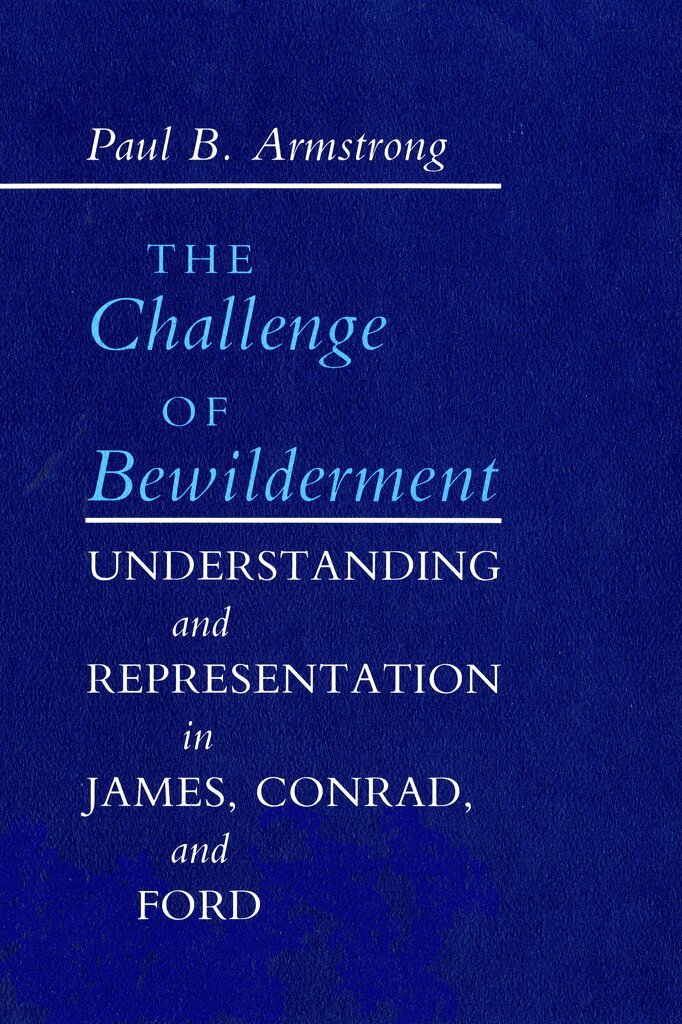
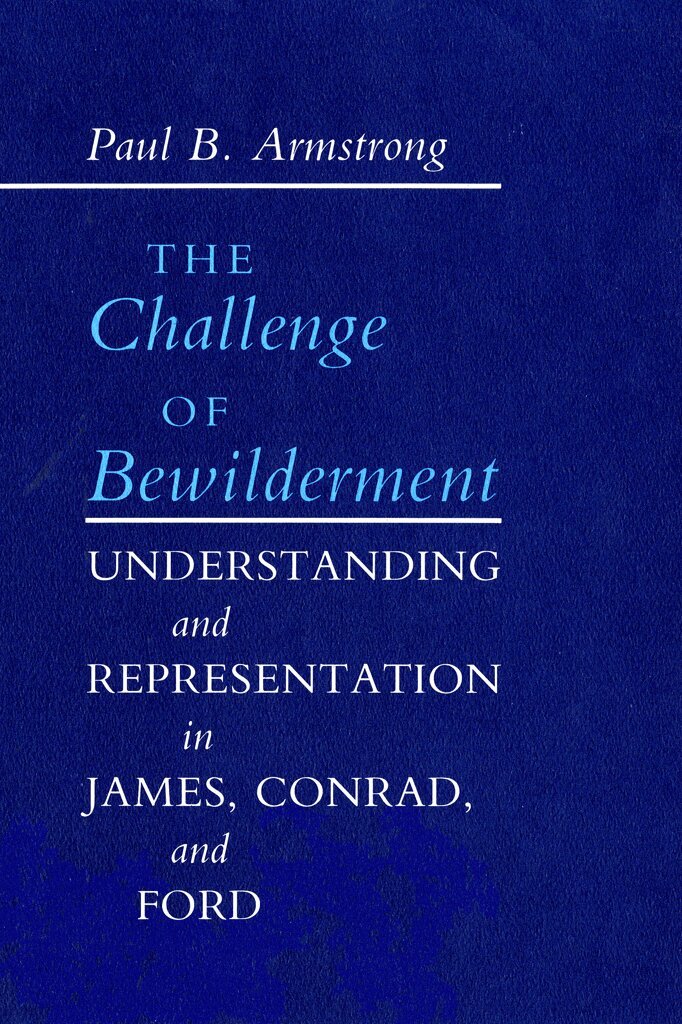
Challenge of Bewilderment
Understanding and Representation in James, Conrad, and Ford
Inbunden, 1987
820 kr
Lägg i varukorg
The Challenge of Bewilderment treats the epistemology of representation in major works by Henry James, Joseph Conrad, and Ford Madox Ford, attempting to explain how the novel turned away from its traditional concern with realistic representation and toward self-consciousness about the relation …
Play and the Politics of Reading
The Social Uses of Modernist Form
Inbunden, 2005
966 kr
Lägg i varukorg
"Classrooms and curricula should be structured to foster the playful interaction that can teach students how to negotiate social and political differences in an emancipatory, noncoercive manner.... Teaching reading as a playful exercise of reciprocity with otherness can help prepare students for a …
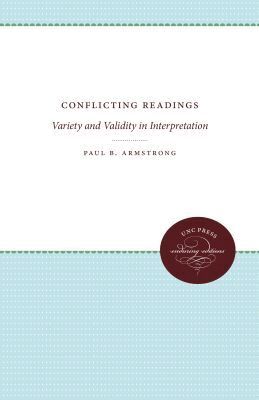
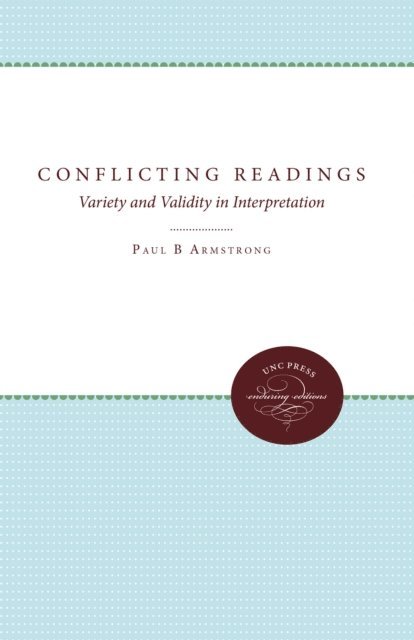
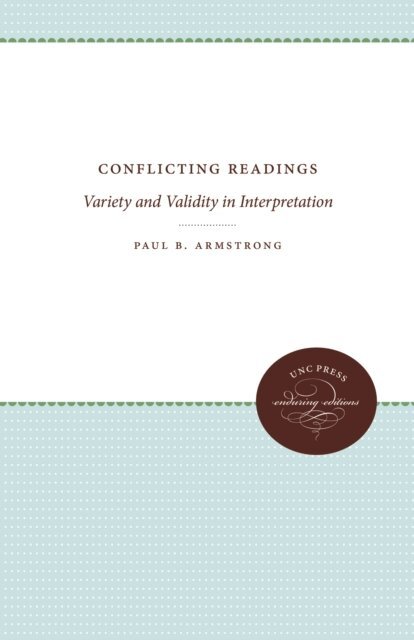
Conflicting Readings
Variety and Validity in Interpretation
Häftad, 1990
660 kr
Lägg i varukorg
Armstrong argues that conflicting readings occur because readers with opposing suppositions about language, literature, and life can generate irreconcilable hypotheses about a text. Without endorsing a particular critical methodology, the author offers a theory designed to help readers better …
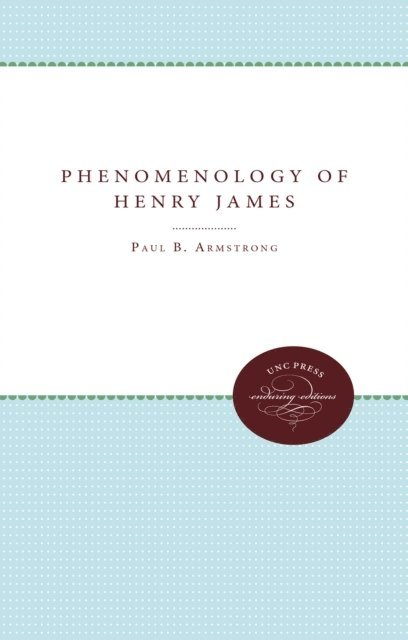
Phenomenology of Henry James
Häftad, 2011
572 kr
Lägg i varukorg
Armstrong suggests that James's perspective is essentially phenomenological--that his understanding of the process of knowing, the art of fiction, and experience as a whole coincides in important ways with the ideas of the leading phenomenologists. He examines the connections between …
Heart of Darkness
Sixth Norton Critical Edition
Av Joseph Conrad, Paul B. Armstrong
Häftad, 2026
266 kr
Kommande
This Norton Critical Edition includes:The text of Joseph Conrad’s Heart of Darkness using the 1902 book publication, meticulously edited and annotated by Paul B. Armstrong.A revised introduction by Armstrong examining the ambiguity of Conrad’s most famous work.Historical photographs and …
How Literature Plays with the Brain
The Neuroscience of Reading and Art
Häftad, 2014
4,0 utav 5 stjärnor. Totalt antal röster: (1)
440 kr
Lägg i varukorg
"Literature matters," says Paul B. Armstrong, "for what it reveals about human experience, and the very different perspective of neuroscience on how the brain works is part of that story." In How Literature Plays with the Brain, Armstrong examines the parallels between certain features of literary …
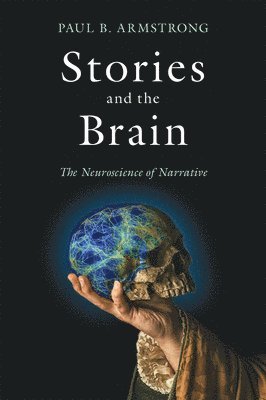
Stories and the Brain
The Neuroscience of Narrative
Häftad, 2020
510 kr
Lägg i varukorg
This book explains how the brain interacts with the social world—and why stories matter.How do our brains enable us to tell and follow stories? And how do stories affect our minds? In Stories and the Brain, Paul B. Armstrong analyzes the cognitive processes involved in constructing and exchanging …
Conflicting Readings
Variety and Validity in Interpretation
E-bok, 2017
458 kr
Lägg i varukorg
Armstrong argues that conflicting readings occur because readers with opposing suppositions about language, literature, and life can generate irreconcilable hypotheses about a text. Without endorsing a particular critical methodology, the author offers a theory designed to help readers better …
Phenomenology of Henry James
E-bok, 2017
399 kr
Lägg i varukorg
Armstrong suggests that James''s perspective is essentially phenomenological--that his understanding of the process of knowing, the art of fiction, and experience as a whole coincides in important ways with the ideas of the leading phenomenologists. He examines the connections between …
Challenge of Bewilderment
Understanding and Representation in James, Conrad, and Ford
Häftad, 2018
316 kr
Lägg i varukorg
The Challenge of Bewilderment treats the epistemology of representation in major works by Henry James, Joseph Conrad, and Ford Madox Ford, attempting to explain how the novel turned away from its traditional concern with realistic representation and toward self-consciousness about the relation …
Phenomenology of Henry James
E-bok, 2017
399 kr
Lägg i varukorg
Armstrong suggests that James''s perspective is essentially phenomenological--that his understanding of the process of knowing, the art of fiction, and experience as a whole coincides in important ways with the ideas of the leading phenomenologists. He examines the connections between …
Conflicting Readings
Variety and Validity in Interpretation
E-bok, 2017
436 kr
Lägg i varukorg
Armstrong argues that conflicting readings occur because readers with opposing suppositions about language, literature, and life can generate irreconcilable hypotheses about a text. Without endorsing a particular critical methodology, the author offers a theory designed to help readers better …
Stories and the Brain
The Neuroscience of Narrative
Inbunden, 2020
1293 kr
Tillfälligt slut
This book explains how the brain interacts with the social world—and why stories matter.How do our brains enable us to tell and follow stories? And how do stories affect our minds? In Stories and the Brain, Paul B. Armstrong analyzes the cognitive processes involved in constructing and exchanging …