Paul B. Jaskot – författare
Visar alla böcker från författaren Paul B. Jaskot. Handla med fri frakt och snabb leverans.
8 produkter
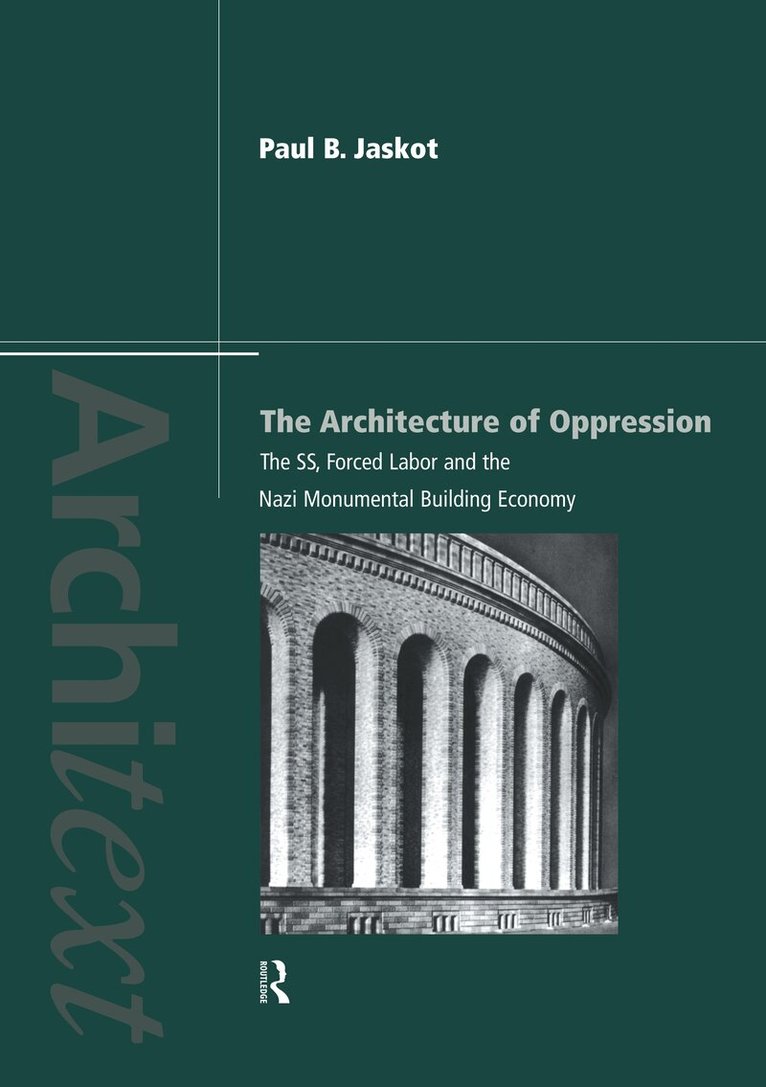
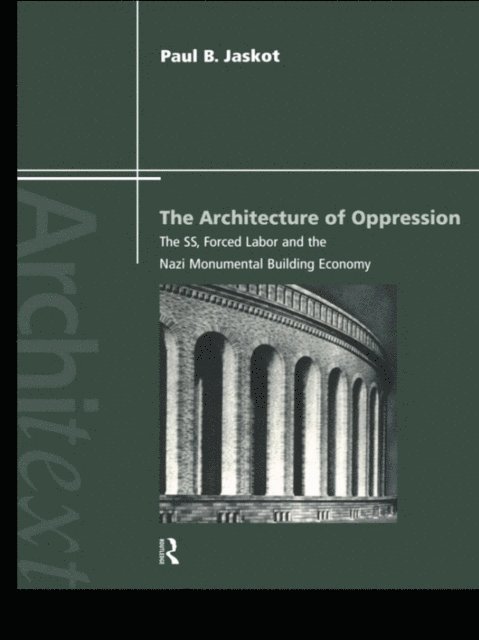
Architecture of Oppression
The SS, Forced Labor and the Nazi Monumental Building Economy
Inbunden, 1999
2578 kr
Lägg i varukorg
This book re-evaluates the architectural history of Nazi Germany and looks at the development of the forced-labour concentration camp system. Through an analysis of such major Nazi building projects as the Nuremberg Party Rally Grounds and the rebuilding of Berlin, Jaskot ties together the …
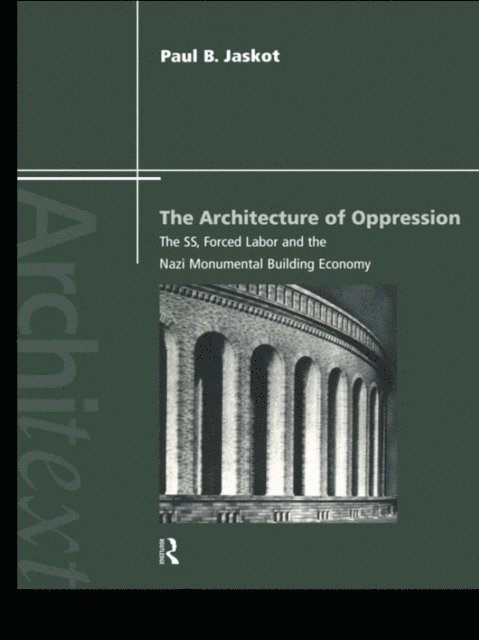
Architecture of Oppression
The SS, Forced Labor and the Nazi Monumental Building Economy
Häftad, 1999
1248 kr
Lägg i varukorg
This book re-evaluates the architectural history of Nazi Germany and looks at the development of the forced-labour concentration camp system. Through an analysis of such major Nazi building projects as the Nuremberg Party Rally Grounds and the rebuilding of Berlin, Jaskot ties together the …
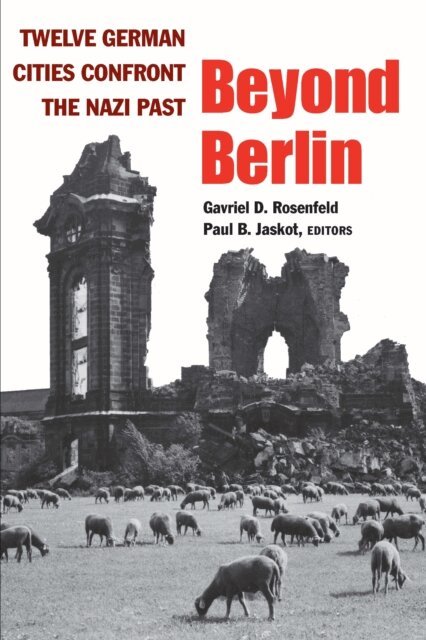
Beyond Berlin
Twelve German Cities Confront the Nazi Past
Av Paul B. Jaskot, Gavriel D. Rosenfeld
E-bok, 2010
799 kr
Lägg i varukorg
Beyond Berlin breaks new ground in the ongoing effort to understand how memorials, buildings, and other spaces have figured in Germany''s confrontation with its Nazi past. The contributors challenge reigning views of Germany''s postwar memory work by examining how specific urban centers apart from …
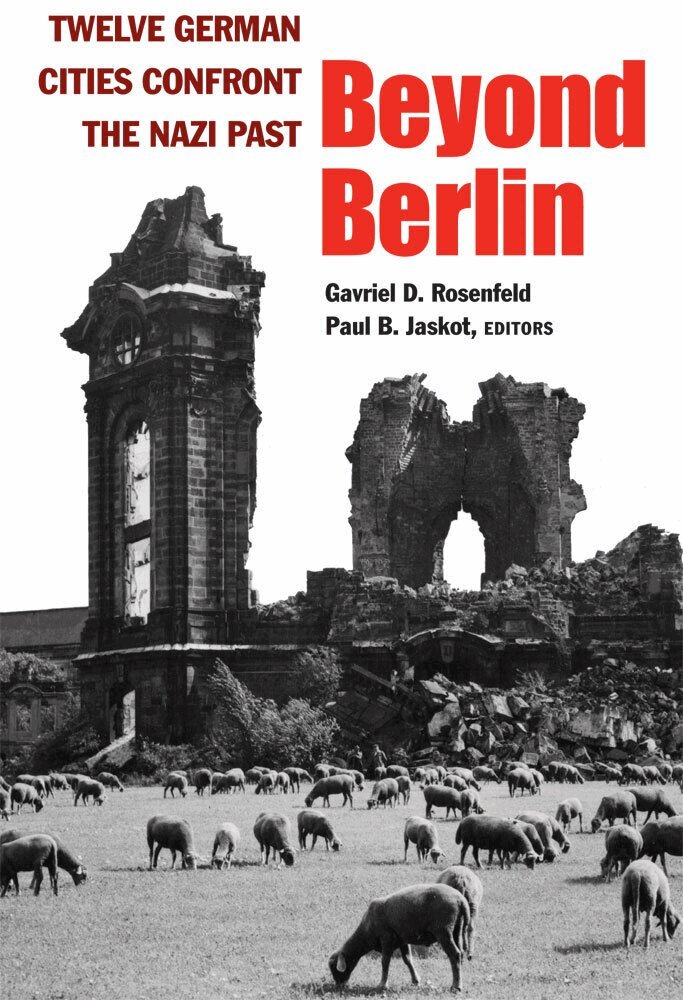
Beyond Berlin
Twelve German Cities Confront the Nazi Past
Av Gavriel D. Rosenfeld, Paul B. Jaskot
Häftad, 2015
517 kr
Lägg i varukorg
Beyond Berlin breaks new ground in the ongoing effort to understand how memorials, buildings, and other spaces have figured in Germany's confrontation with its Nazi past. The contributors challenge reigning views of Germany's postwar memory work by examining how specific urban centers apart from …
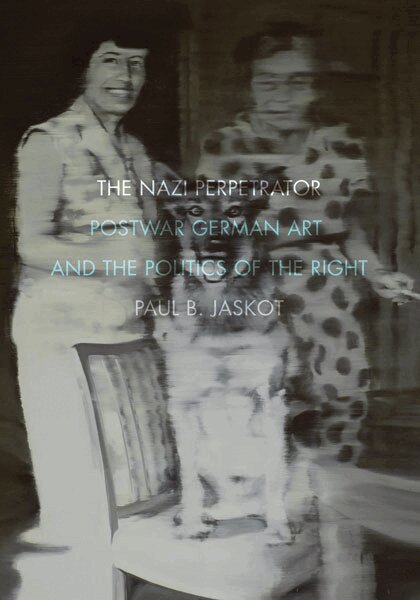
Nazi Perpetrator
Postwar German Art and the Politics of the Right
Häftad, 2012
338 kr
Lägg i varukorg
Who was responsible for the crimes of the Nazis? Party leaders and members? Rank-and-file soldiers and bureaucrats? Ordinary Germans? This question looms over German disputes about the past like few others. It also looms over the art and architecture of postwar Germany in ways that have been …
Tyranny of the Object: An Introduction to the Barbarism of Art History
Häftad, 2026
594 kr
Kommande
In this lively polemic, Paul B. Jaskot confronts art history's ideological preoccupation with the art object. To unbind art history from this fixation, Jaskot proposes a shift: to centre systems of power in our art-historical inquiry, rather than the art object. Modelling this shift, Jaskot asks: …
Architecture of Oppression
The SS, Forced Labor and the Nazi Monumental Building Economy
E-bok, 2002
1448 kr
Lägg i varukorg
This book re-evaluates the architectural history of Nazi Germany and looks at the development of the forced-labour concentration camp system. Through an analysis of such major Nazi building projects as the Nuremberg Party Rally Grounds and the rebuilding of Berlin, Jaskot ties together the …
Architecture of Oppression
The SS, Forced Labor and the Nazi Monumental Building Economy
E-bok, 2002
1433 kr
Lägg i varukorg
This book re-evaluates the architectural history of Nazi Germany and looks at the development of the forced-labour concentration camp system. Through an analysis of such major Nazi building projects as the Nuremberg Party Rally Grounds and the rebuilding of Berlin, Jaskot ties together the …