Gavriel D. Rosenfeld – författare
Visar alla böcker från författaren Gavriel D. Rosenfeld. Handla med fri frakt och snabb leverans.
22 produkter
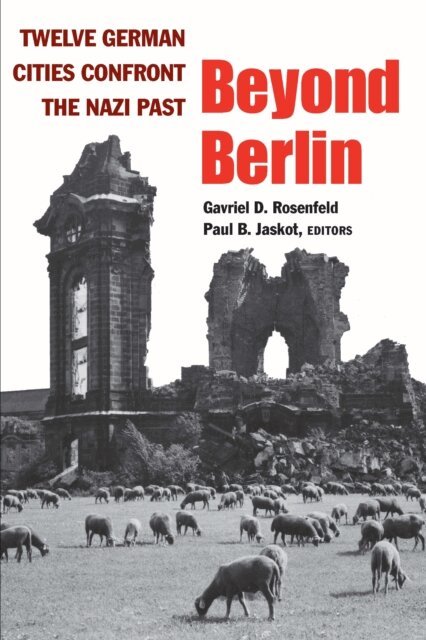
Beyond Berlin
Twelve German Cities Confront the Nazi Past
Av Paul B. Jaskot, Gavriel D. Rosenfeld
E-bok, 2010
799 kr
Lägg i varukorg
Beyond Berlin breaks new ground in the ongoing effort to understand how memorials, buildings, and other spaces have figured in Germany''s confrontation with its Nazi past. The contributors challenge reigning views of Germany''s postwar memory work by examining how specific urban centers apart from …
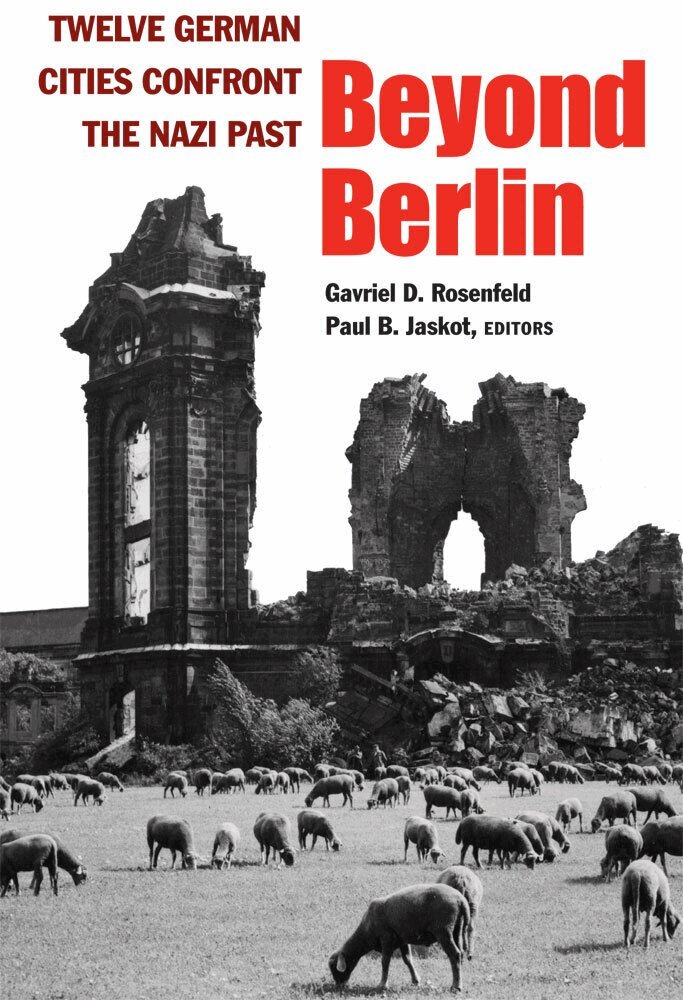
Beyond Berlin
Twelve German Cities Confront the Nazi Past
Av Gavriel D. Rosenfeld, Paul B. Jaskot
Häftad, 2015
519 kr
Lägg i varukorg
Beyond Berlin breaks new ground in the ongoing effort to understand how memorials, buildings, and other spaces have figured in Germany's confrontation with its Nazi past. The contributors challenge reigning views of Germany's postwar memory work by examining how specific urban centers apart from …
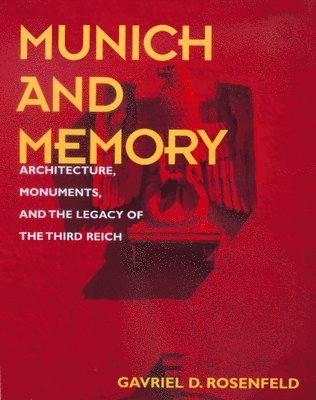
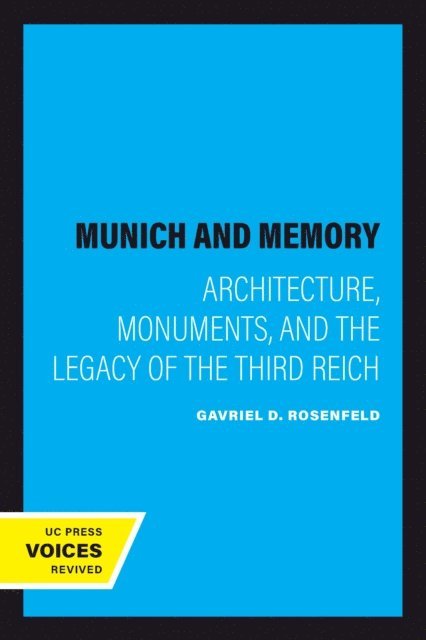
Munich and Memory
Architecture, Monuments, and the Legacy of the Third Reich
Inbunden, 2000
867 kr
Lägg i varukorg
Munich, notorious in recent history as the capital of the Nazi movement, is the site of Gavriel Rosenfeld's stimulating inquiry into the German collective memory of the Third Reich. Rosenfeld shows, with the aid of a wealth of photographs, how the city's urban form developed after 1945 in direct …
Munich and Memory
Architecture, Monuments, and the Legacy of the Third Reich
E-bok, 2000
1002 kr
Lägg i varukorg
Munich, notorious in recent history as the capital of the Nazi movement, is the site of Gavriel Rosenfeld''s stimulating inquiry into the German collective memory of the Third Reich. Rosenfeld shows, with the aid of a wealth of photographs, how the city''s urban form developed after 1945 in direct …
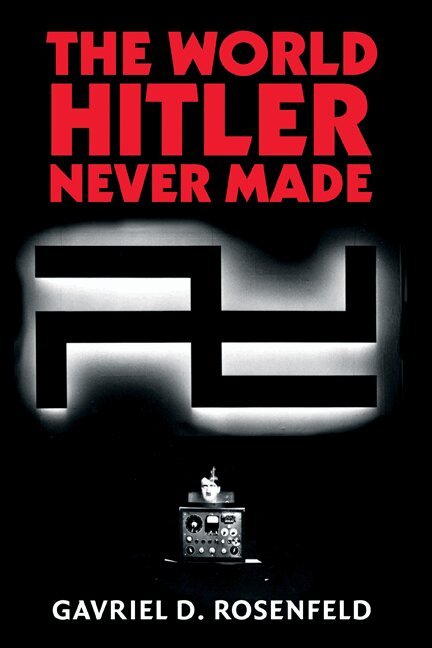
The World Hitler Never Made
Alternate History and the Memory of Nazism
Inbunden, 2005
1828 kr
Lägg i varukorg
What if the Nazis had triumphed in World War II? What if Adolf Hitler had escaped Berlin for the jungles of Latin America in 1945? What if Hitler had become a successful artist instead of a politician? Originally published in 2005, Gavriel D. Rosenfeld's pioneering study explores why such …
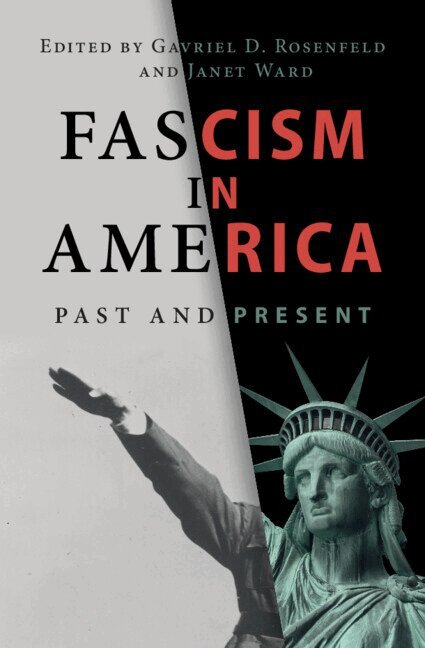
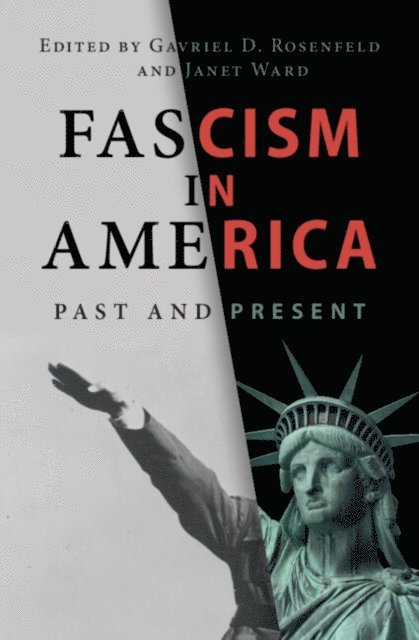
Fascism in America
Past and Present
Av Gavriel D. Rosenfeld, Janet Ward
Inbunden, 2023
1500 kr
Lägg i varukorg
Has fascism arrived in America? In this pioneering book, Gavriel D. Rosenfeld and Janet Ward have gathered experts to survey the history of fascism in the United States. Although the US established a staunch anti-fascist reputation by defeating the Axis powers in World War II, the unsettling truth …
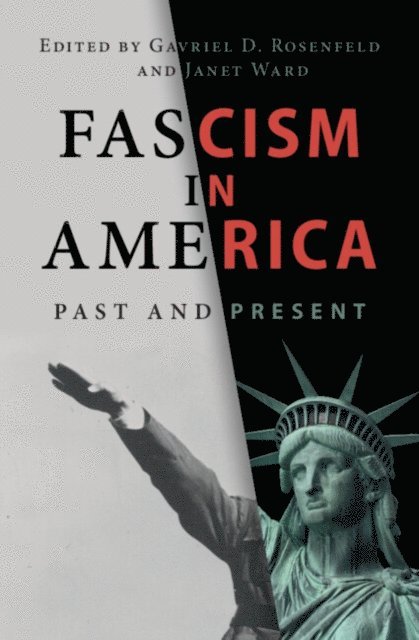
Fascism in America
Past and Present
Av Gavriel D. Rosenfeld, Janet Ward
Häftad, 2023
391 kr
Lägg i varukorg
Has fascism arrived in America? In this pioneering book, Gavriel D. Rosenfeld and Janet Ward have gathered experts to survey the history of fascism in the United States. Although the US established a staunch anti-fascist reputation by defeating the Axis powers in World War II, the unsettling truth …
Fascism in America
Past and Present
Av Janet Ward, Gavriel D. Rosenfeld
E-bok, 2023
453 kr
Lägg i varukorg
Fascism in America
Past and Present
Av Janet Ward, Gavriel D. Rosenfeld
E-bok, 2023
453 kr
Lägg i varukorg
What Ifs of Jewish History
From Abraham to Zionism
Inbunden, 2016
569 kr
Lägg i varukorg
What if the Exodus had never happened? What if the Jews of Spain had not been expelled in 1492? What if Eastern European Jews had never been confined to the Russian Pale of Settlement? What if Adolf Hitler had been assassinated in 1939? What if a Jewish state had been established in Uganda instead …
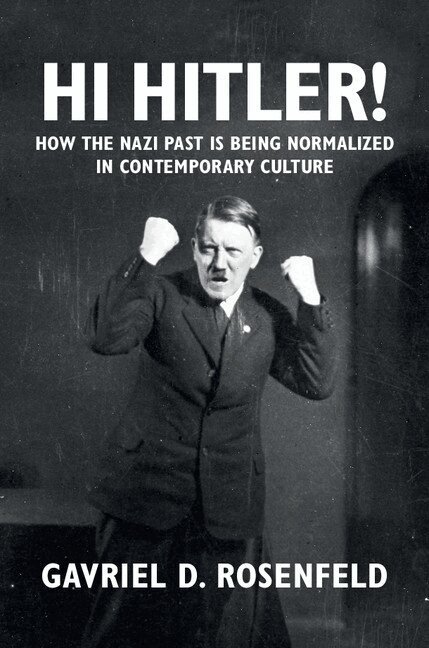
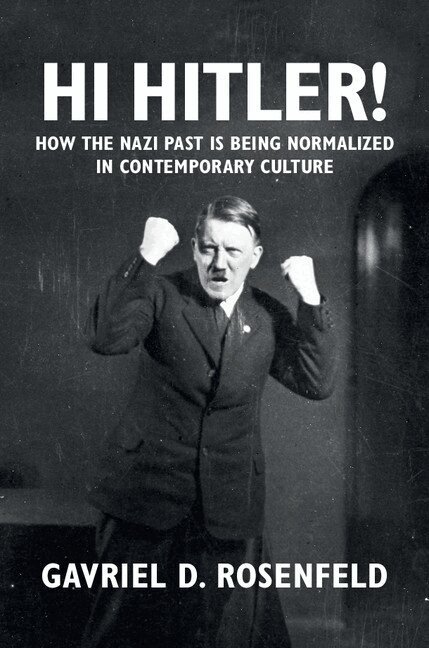
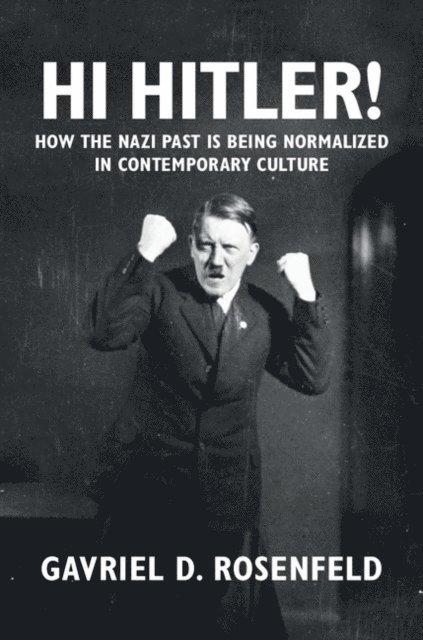
Hi Hitler!
How the Nazi Past Is Being Normalized in Contemporary Culture
Inbunden, 2014
1224 kr
Lägg i varukorg
The Third Reich's legacy is in flux. For much of the post-war period, the Nazi era has been viewed moralistically as an exceptional period of history intrinsically different from all others. Since the turn of the millennium, however, this view has been challenged by a powerful wave of …
The World Hitler Never Made
Alternate History and the Memory of Nazism
Häftad, 2011
557 kr
Lägg i varukorg
What if the Nazis had triumphed in World War II? What if Adolf Hitler had escaped Berlin for the jungles of Latin America in 1945? What if Hitler had become a successful artist instead of a politician? Originally published in 2005, Gavriel D. Rosenfeld's pioneering study explores why such …
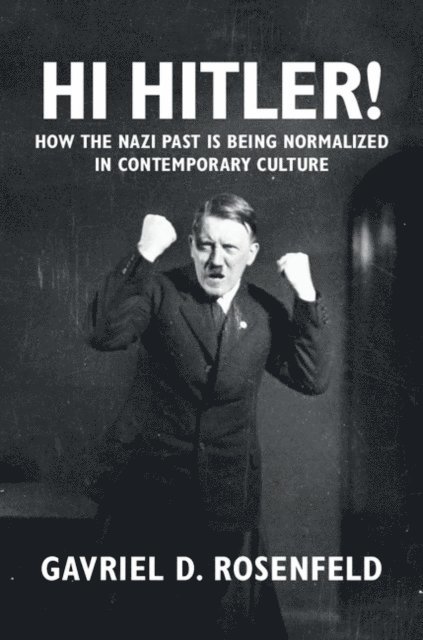
Hi Hitler!
How the Nazi Past Is Being Normalized in Contemporary Culture
Häftad, 2014
552 kr
Lägg i varukorg
The Third Reich's legacy is in flux. For much of the post-war period, the Nazi era has been viewed moralistically as an exceptional period of history intrinsically different from all others. Since the turn of the millennium, however, this view has been challenged by a powerful wave of …
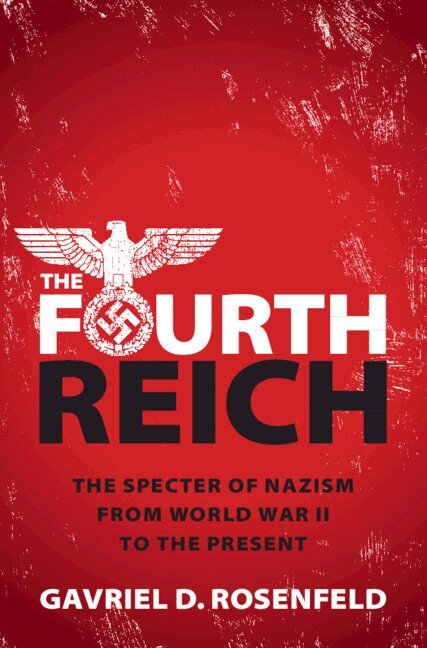
The Fourth Reich
The Specter of Nazism from World War II to the Present
Inbunden, 2019
467 kr
Lägg i varukorg
Ever since the collapse of the Third Reich, anxieties have persisted about Nazism's revival in the form of a Fourth Reich. Gavriel D. Rosenfeld reveals, for the first time, these postwar nightmares of a future that never happened and explains what they tell us about Western political, intellectual, …
Fourth Reich
The Specter of Nazism from World War II to the Present
E-bok, 2019
554 kr
Lägg i varukorg
Ever since the collapse of the Third Reich, anxieties have persisted about Nazism''s revival in the form of a Fourth Reich. Gavriel D. Rosenfeld reveals, for the first time, these postwar nightmares of a future that never happened and explains what they tell us about Western political, …
Fourth Reich
The Specter of Nazism from World War II to the Present
E-bok, 2019
554 kr
Lägg i varukorg
Ever since the collapse of the Third Reich, anxieties have persisted about Nazism''s revival in the form of a Fourth Reich. Gavriel D. Rosenfeld reveals, for the first time, these postwar nightmares of a future that never happened and explains what they tell us about Western political, …
Hi Hitler!
How the Nazi Past Is Being Normalized in Contemporary Culture
E-bok, 2014
537 kr
Lägg i varukorg
The Third Reich''s legacy is in flux. For much of the post-war period, the Nazi era has been viewed moralistically as an exceptional period of history intrinsically different from all others. Since the turn of the millennium, however, this view has been challenged by a powerful wave of …
Hi Hitler!
How the Nazi Past Is Being Normalized in Contemporary Culture
E-bok, 2014
522 kr
Lägg i varukorg
The Third Reich''s legacy is in flux. For much of the post-war period, the Nazi era has been viewed moralistically as an exceptional period of history intrinsically different from all others. Since the turn of the millennium, however, this view has been challenged by a powerful wave of …
Predicting the Past [Vol. I]
Counterfactual History from Antiquity to the French Revolution
Häftad, 2026
486 kr
Lägg i varukorg
Why do we wonder “what if?” about the past? In his pathbreaking, two-volume study, Gavriel Rosenfeld provides the first comprehensive examination of counterfactual history from its inception to the present day. Surveying more than three millennia of western history, Rosenfeld challenges the …
Predicting the Past [set, 2 vols.]
Counterfactual History from Antiquity to the Present
Häftad, 2026
689 kr
Kommande
Why do we wonder "what if?" about the past? In his pathbreaking, two-volume study, Gavriel Rosenfeld provides the first comprehensive examination of counterfactual history from its inception to the present day. Surveying more than three millennia of western history, Rosenfeld challenges the …
Predicting the Past [Vol. II]
Counterfactual History from Napoleon to the Present
Häftad, 2026
486 kr
Lägg i varukorg
Why do we wonder “what if?” about the past? In his pathbreaking, two-volume study, Gavriel Rosenfeld provides the first comprehensive examination of counterfactual history from its inception to the present day. Surveying more than three millennia of western history, Rosenfeld challenges the …
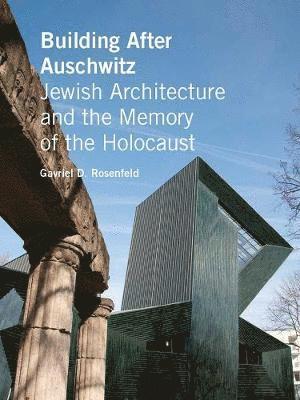
Building After Auschwitz
Jewish Architecture and the Memory of the Holocaust
Inbunden, 2011
614 kr
Tillfälligt slut
The first major study to examine the rise to prominence of Jewish architects since 1945 and the connection of their work to the legacy of the HolocaustSince the end of World War II, Jewish architects have risen to unprecedented international prominence. Whether as modernists, postmodernists, or …

![Gavriel D. Rosenfeld - Predicting the Past [Vol. I], Häftad. Tillgänglighet: Lägg i varukorg](https://image.bokus.com/images2/9783112243213_766)
![Gavriel D. Rosenfeld - Predicting the Past [set, 2 vols.], Häftad. Tillgänglighet: Kommande](https://image.bokus.com/images2/9783112246030_766)
![Gavriel D. Rosenfeld - Predicting the Past [Vol. II], Häftad. Tillgänglighet: Lägg i varukorg](https://image.bokus.com/images2/9783119143516_766)