Paul Duguid – författare
Visar alla böcker från författaren Paul Duguid. Handla med fri frakt och snabb leverans.
15 produkter
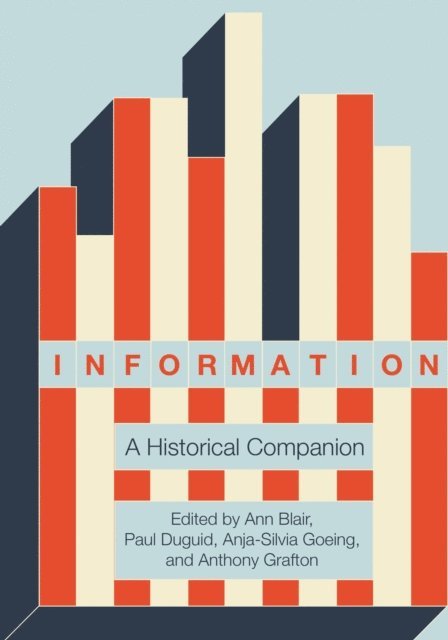
Information
A Historical Companion
Av Ann Blair, Paul Duguid m. fl.
Inbunden, 2021
5,0 utav 5 stjärnor. Totalt antal röster: (1)
765 kr
Lägg i varukorg
A landmark history that traces the creation, management, and sharing of information through six centuriesThanks to modern technological advances, we now enjoy seemingly unlimited access to information. Yet how did information become so central to our everyday lives, and how did its processing and …
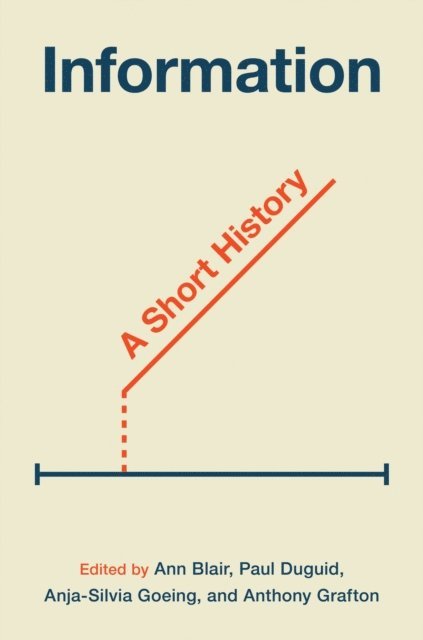
Information
A Short History
Av Ann Blair, Paul Duguid m. fl.
Häftad, 2024
219 kr
Lägg i varukorg
An essential guide to the ways information has shaped and been shaped by societiesThanks to recent advances, we now enjoy seemingly unlimited access to information. How did information become so central to our everyday lives? This book traces the global emergence of information practices and …
Trademarks, Brands, and Competitiveness
Av Teresa da Silva Lopes, Paul Duguid
Häftad, 2013
662 kr
Lägg i varukorg
This book examines trademarks and brands, and their historical role in national competitive and comparative advantage and in overall economic growth. The contributors provide an historical account of the contribution of brands in consumer goods to economic growth; examine the development of …
Trademarks, Brands, and Competitiveness
Av Teresa da Silva Lopes, Paul Duguid
Inbunden, 2010
3154 kr
Lägg i varukorg
This book examines trademarks and brands, and their historical role in national competitive and comparative advantage and in overall economic growth. The contributors provide an historical account of the contribution of brands in consumer goods to economic growth; examine the development of …
Information
A Historical Companion
Av Anthony T. Grafton, Anja-Silvia Goeing m. fl.
E-bok, 2021
785 kr
Lägg i varukorg
A landmark history that traces the creation, management, and sharing of information through six centuries Thanks to modern technological advances, we now enjoy seemingly unlimited access to information. Yet how did information become so central to our everyday lives, and how did its processing and …
Information
A Short History
Av Anthony T. Grafton, Anja-Silvia Goeing m. fl.
E-bok, 2024
286 kr
Lägg i varukorg
An essential guide to the ways information has shaped and been shaped by societies Thanks to recent advances, we now enjoy seemingly unlimited access to information. How did information become so central to our everyday lives? This book traces the global emergence of information practices and …
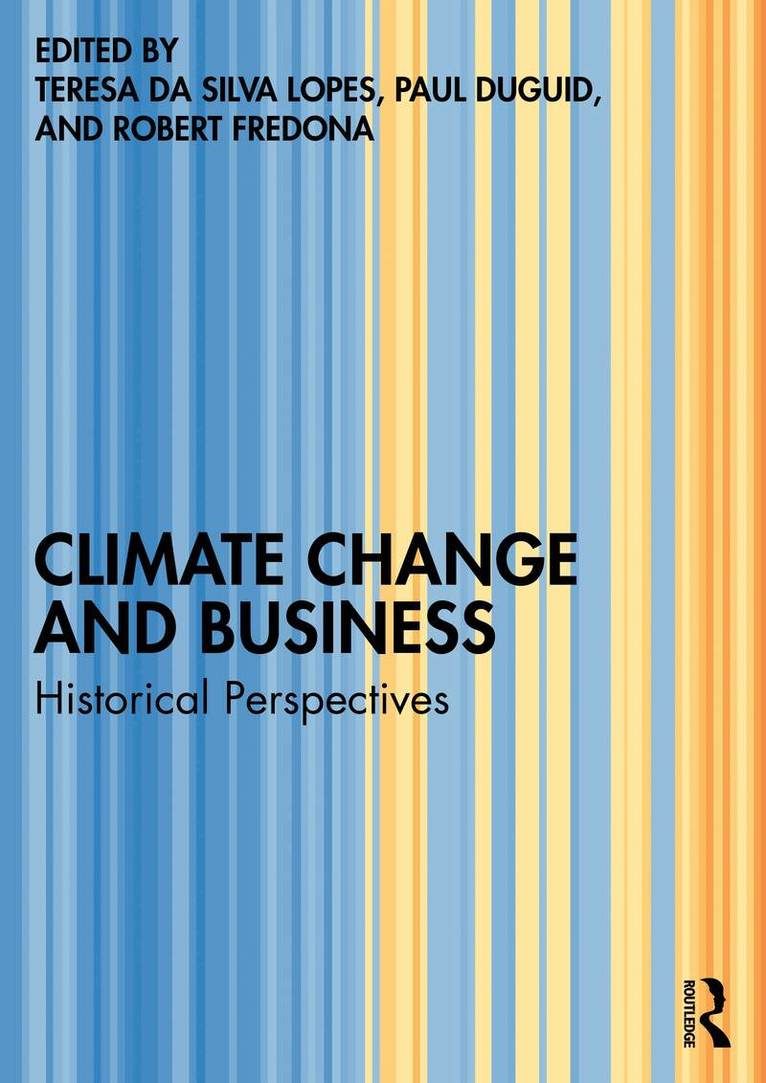
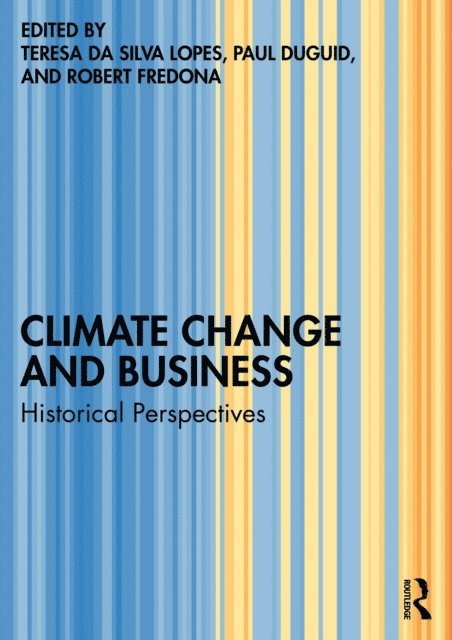
Climate Change and Business
Historical Perspectives
Av Teresa da Silva Lopes, Paul Duguid m. fl.
Häftad, 2025
807 kr
Lägg i varukorg
Climate change is the greatest market failure in world history and thus the most urgent challenge in the world of business for the foreseeable future. This book brings together experts to shed light on the historical impact of business on climate change and of climate change on business.The book …
Climate Change and Business
Historical Perspectives
Av Teresa da Silva Lopes, Paul Duguid m. fl.
Inbunden, 2025
2510 kr
Lägg i varukorg
Climate change is the greatest market failure in world history and thus the most urgent challenge in the world of business for the foreseeable future. This book brings together experts to shed light on the historical impact of business on climate change and of climate change on business.The book …
Climate Change and Business
Historical Perspectives
Av Robert Fredona, Paul Duguid m. fl.
E-bok, 2025
953 kr
Lägg i varukorg
Climate change is the greatest market failure in world history and thus the most urgent challenge in the world of business for the foreseeable future. This book brings together experts to shed light on the historical impact of business on climate change and of climate change on business. The book …
Climate Change and Business
Historical Perspectives
Av Robert Fredona, Paul Duguid m. fl.
E-bok, 2025
932 kr
Lägg i varukorg
Climate change is the greatest market failure in world history and thus the most urgent challenge in the world of business for the foreseeable future. This book brings together experts to shed light on the historical impact of business on climate change and of climate change on business. The book …
Trademarks, Brands, and Competitiveness
Av Paul Duguid, Teresa da Silva Lopes
E-bok, 2010
764 kr
Lägg i varukorg
This book examines trademarks and brands, and their historical role in national competitive and comparative advantage and in overall economic growth. The contributors provide an historical account of the contribution of brands in consumer goods to economic growth; examine the development of …
Trademarks, Brands, and Competitiveness
Av Paul Duguid, Teresa da Silva Lopes
E-bok, 2010
781 kr
Lägg i varukorg
This book examines trademarks and brands, and their historical role in national competitive and comparative advantage and in overall economic growth. The contributors provide an historical account of the contribution of brands in consumer goods to economic growth; examine the development of …
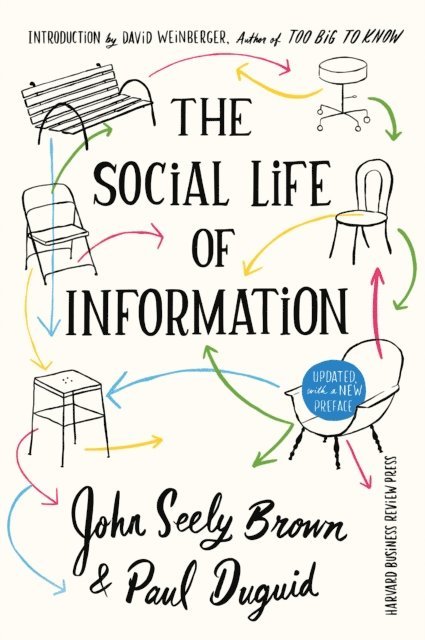
Social Life of Information
Updated, with a New Preface
Av Paul Duguid, John Seely Brown
E-bok, 2017
437 kr
Lägg i varukorg
Understand the human place in a digital world. “Should be read by anyone interested in understanding the future,” The Times Literary Supplement raved about the original edition of The Social Life of Information . We’re now living in that future, and one of the seminal books of the Internet Age is …
Social Life of Information
Av John Seely Brown, Paul Duguid
Inbunden, 2000
278 kr
Tillfälligt slut
To see the future we can build with information technology, we must look beyond mere information to the social context that creates and gives meaning to it. For years, pundits have predicted that information technology will obliterate the need for almost everything--from travel to supermarkets to …
Social Life of Information
Updated, with a New Preface
Av John Seely Brown, Paul Duguid
Inbunden, 2017
296 kr
Tillfälligt slut
"Should be read by anyone interested in understanding the future," The Times Literary Supplement raved about the original edition of The Social Life of Information. We're now living in that future, and one of the seminal books of the Internet Age is more relevant than ever. The future was a place …