Paul Everson – författare
Visar alla böcker från författaren Paul Everson. Handla med fri frakt och snabb leverans.
2 produkter
2 produkter
1 344 kr
Skickas inom 7-10 vardagar
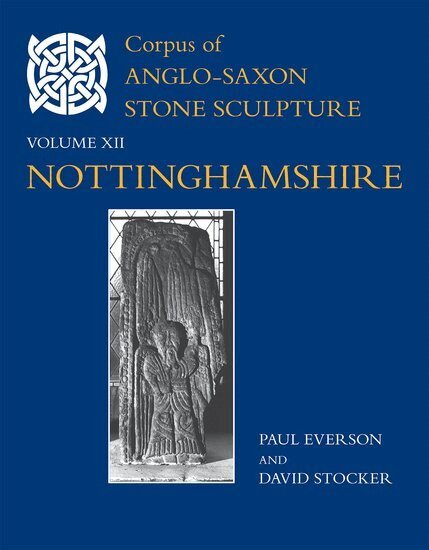
Carved and decorated stone-work is a rare survival from the period before the Norman Conquest. In Nottinghamshire it survives as large crosses and as small fragments - to be found in churches, in public spaces and in museum collections. This is the first book to provide an authoritative listing, description and illustration of all examples of this type of decorated stone sculpture in Nottinghamshire. Each example is illustrated in a substantial catalogue containing high quality photographs, maps and interpretative drawings. In the introductory chapters the authors explore the geological and historical background of the sculptures and provide an overview of the types of style and ornament.The new information revealed by the systematic study of these major survivals of Anglo-Saxon art and archaeology demonstrates the major contribution that this category of material can make to an obscure and under-investigated period in Midlands history. Nottinghamshire emerges with a distinctive identity in the pre-conquest period, having strong connections both with the Mercian state to its south and with the Northumbrians to the north.
Corpus of Anglo-Saxon Stone Sculpture, XIV, Cambridgeshire and Huntingdonshire
Inbunden, Engelska, 2023
1 929 kr
Skickas inom 7-10 vardagar
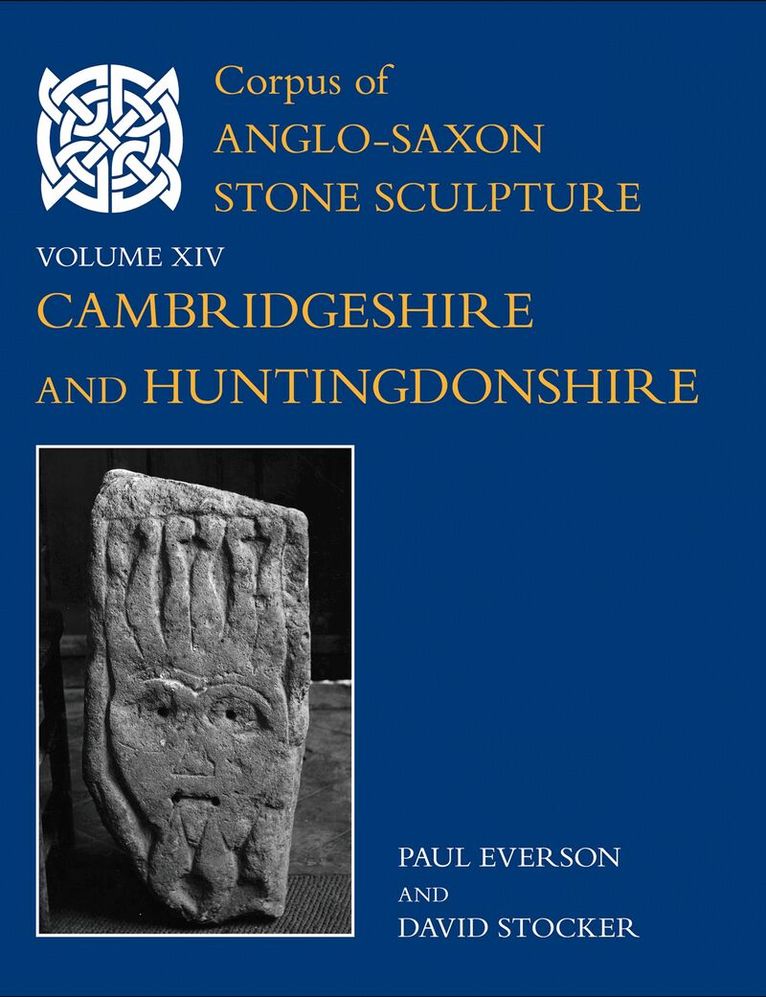
Corpus of Anglo-Saxon Sculpture, XIV, Cambridgeshire and Huntingdonshire surveys the counties of Cambridgeshire and Huntingdonshire with a substantial catalogue of all known pre-Conquest stone sculpture, illustrated by high-quality photographs, maps, and interpretive drawings. A series of introductory chapters explore such topics as the history of previous scholarship, the geological and historical background, plus a detailed analysis of the new information afforded by these major survivals of Anglo-Saxon art and archaeology. Stocker and Everson conclude that the great majority of stone sculpture from these two counties belongs to the final century of Anglo-Saxon England, during which period they were rapidly expanding ecclesiastical societies, and deeply influenced by the great monasteries of Peterborough and Ely. The quantity of eleventh-century material permits an analysis of the impact of the Norman conquest on aspects of social, ecclesiastical, and cultural life, which is a running theme through the narrative.