Paul Lyle - Böcker
Visar alla böcker från författaren Paul Lyle. Handla med fri frakt och snabb leverans.
3 produkter
3 produkter
347 kr
Skickas inom 7-10 vardagar
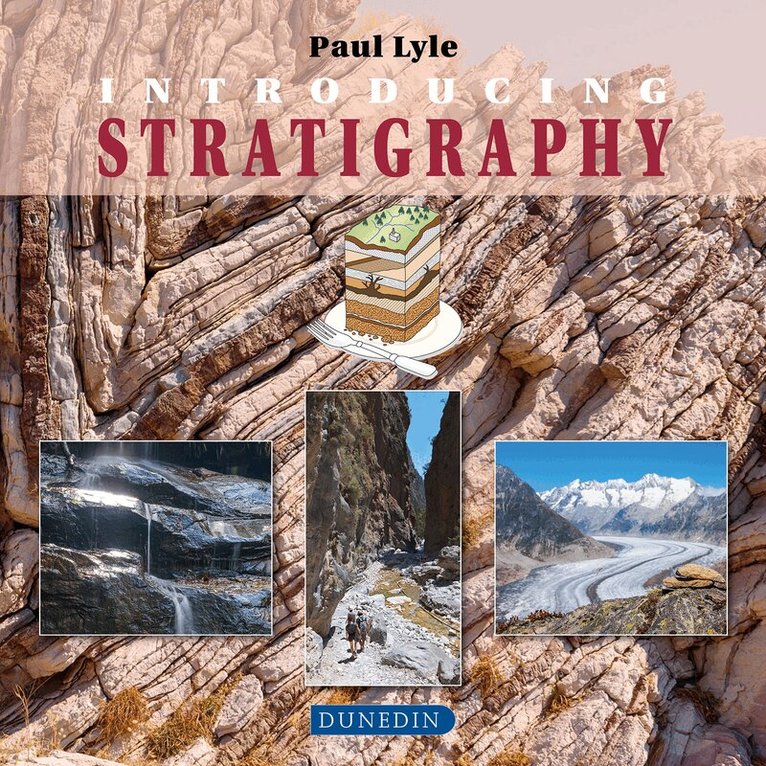
Stratigraphy is the branch of geology which studies rock layers (strata) and layering (stratification).Stratigraphy deals primarily with sedimentary rocks but also embraces layered igneous rocks where layers result from successive lava flows.A common goal of stratigraphic studies is the interpretation of sequences of rock strata, thus understanding the time relationships involved, and correlating units of the sequence with rock strata elsewhere. Nicholas Steno described four principles of stratigraphy in the seventeenth century, including the law of superposition which states that states that, in undeformed stratigraphic sequences, the oldest strata will be at the bottom of the sequence. These ideas still underpin modern stratigraphy which is governed by The International Commission on Stratigraphy. Its primary objective is to precisely define global units (systems, series, and stages) of the International Chronostratigraphic Chart that, in turn, are the basis for the units (periods, epochs, and age) of the International Geologic Time Scale.Stratigraphy has application in many scientific fields, including archaeology, palaeontology and in the search for natural resources. This succinct and accessible introduction to stratigraphy will prove helpful to students and amateur geologists alike.
735 kr
Skickas inom 7-10 vardagar
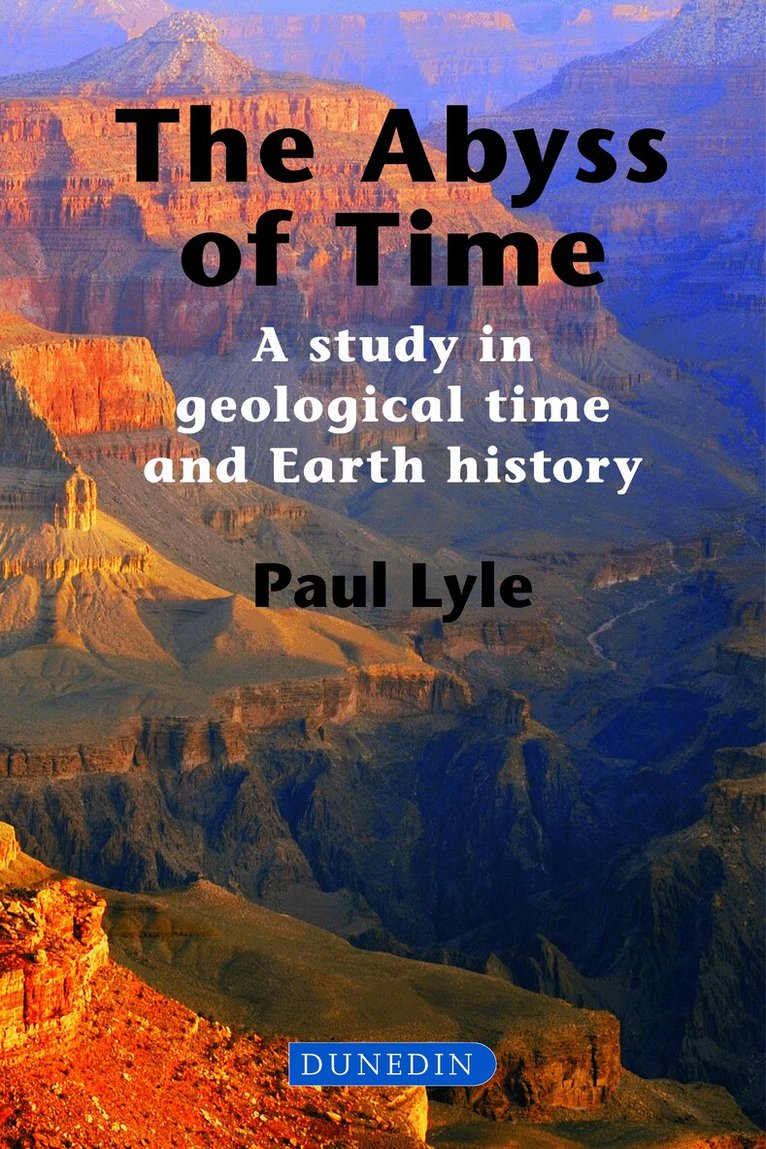
Geologists are among that group of scientists who must factor the passage of time into their investigations and they thus have a perspective on time that sets them apart from many other researchers.The proposition that geological time is vast, encompassing thousands of millions of years, is relatively recent. It is a concept that remains controversial and unacceptable to many people today who still consider the Earth to have been made to a timetable covering no more than ten thousand years.Paul Lyle examines how our fascination with time has developed from our earliest ancestors' recognition of the cycles of the sun and the moon. It considers the passage of time as a series of non-repeatable events, Time's Arrow, in contrast to time as a series of repeated processes, Time's Cycle, both of which can be used to explain geological features on the Earth's surface.The author argues for a greater understanding of geological or ‘deep time’ as society becomes more aware of the vulnerability of the Earth's resources to over-exploitation by an expanding consumer society. This debate and the controversy surrounding global warming emphasises the importance of geological time to the process of economic and political decision-making.It is a book for those interested in the intellectual challenge presented by the extent of geological time. It is written for environmentalists and policy-makers who wish to better place their concerns and decisions in proper context but, above all, it is a book that offers to share a geologist’s appreciation of time with the widest possible audience.
735 kr
Skickas inom 7-10 vardagar
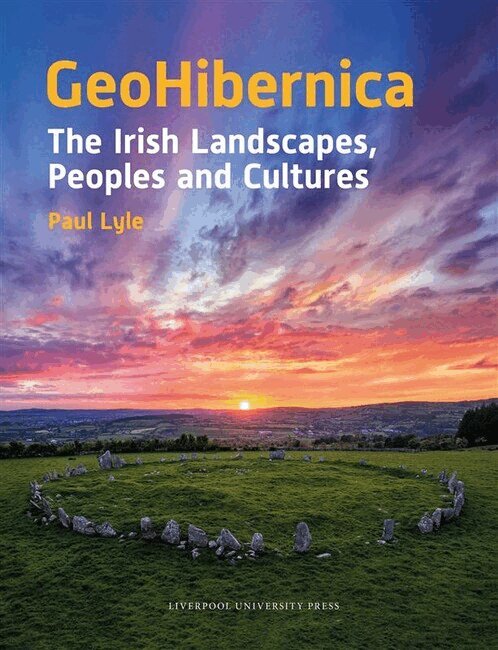
GeoHibernica: The Irish Landscapes, Peoples, and Cultures explores the profound relationship between Ireland’s diverse geological foundations and the societies that have shaped—and been shaped by—its landscape over millennia. From the first settlers who arrived around 10,000 years ago to the present day, Ireland’s varied bedrock, revealed as the Ice Age retreated, has provided both the physical and cultural framework for human habitation. As the population expanded from the Neolithic through the Bronze and Iron Ages, the transition from hunter-gatherer communities to agricultural societies reshaped both the land and its people. The clearance of ancient forests and the growth of vast peat bogs brought about cultural transformations whose echoes remain visible today.This book examines how Ireland’s landscape has inspired both practical and artistic responses—from megalithic tombs and high crosses to the vernacular architecture that reflects deep connections to place. In the late 19th and early 20th centuries, artists like Paul Henry helped define an enduring vision of Ireland, while naturalists such as Robert Lloyd Praeger and cultural geographers like Estyn Evans deepened our understanding of how land, heritage, and history intertwine.At once scholarly and personal, GeoHibernica offers a holistic exploration of how Ireland’s physical landscape has continuously shaped its cultural identity across the ages.